

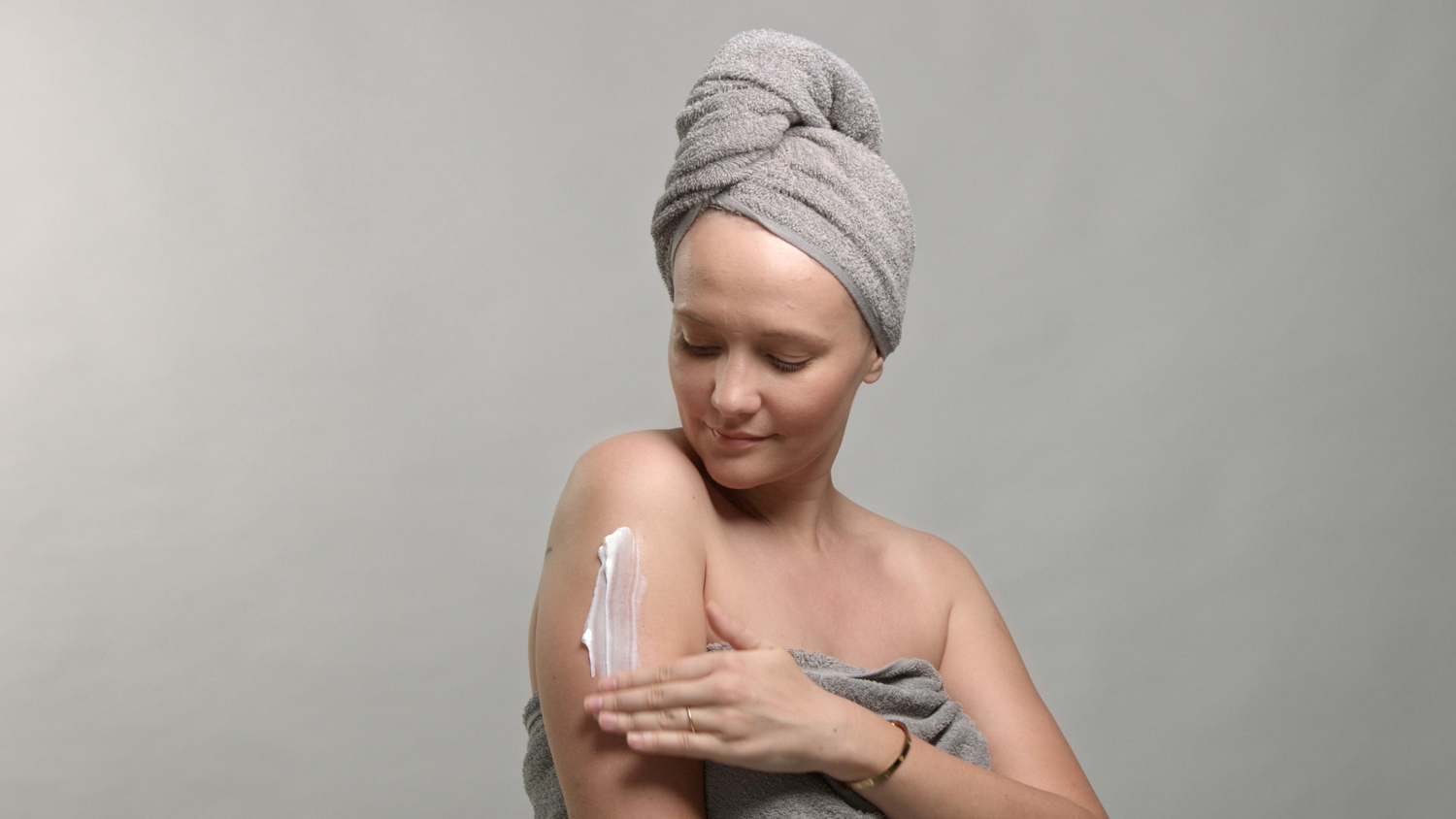
Body butter vs body lotion comes down to texture, skin needs and climate. Body lotion is usually lighter and easier for everyday moisturising, while body butter has a richer feel and suits very dry or rough areas. Neither is universally better; the right choice depends on your skin and routine.
If you are wondering body butter vs body lotion, the simplest answer is this: lotion suits lightweight, everyday moisture, while body butter is better when skin needs richer nourishment. Wildflower Naturals brings this same thoughtful approach to body care, because the best moisturiser is the one that fits your skin, not just a trend. If you'd like to explore the full range, Wildflower Naturals' body care products reflect this same philosophy of matching texture to your skin's needs. Let's look closer.
Body Butter vs Body Lotion at a Glance
Before choosing between the two, it helps to understand what actually sets them apart. Both are designed to moisturise the skin, but their textures, formulation styles and after-feel can be quite different.
|
Factor |
Body Butter |
Body Lotion |
|
Texture |
Rich, thick and creamy |
Light and fluid |
|
Feel |
Nourishing and more substantial |
Lightweight and comfortable |
|
Absorption |
Usually slower |
Usually quicker |
|
Best suited to |
Dry, rough or moisture-depleted skin |
Normal to mildly dry skin |
|
Climate |
Cooler or drier conditions |
Warm or humid conditions |
|
Ideal use |
Dry areas or intensive moisture |
Everyday full-body care |
|
Finish |
Richer, softer feel |
Light, smooth feel |
These are general differences rather than strict rules. A well-formulated lotion can be surprisingly nourishing, while a body butter can be designed to feel less heavy than you might expect.
What Is Body Lotion?
Body lotion is a moisturising product formulated with a lighter consistency that makes it easy to spread over larger areas of the body. Because it tends to feel less heavy, many people prefer it for everyday use, especially when they want comfortable moisture without a rich finish.
How Does Body Lotion Work?
A good lotion can help soften the skin and reduce the uncomfortable feeling associated with dryness. Depending on the formulation, it may contain humectants, emollients, oils, botanical ingredients, vitamins, or other skin-conditioning ingredients.
The important thing is not simply whether a product is called a lotion. The ingredient list and overall formulation matter just as much.
Who Should Use Body Lotion?
Body lotion can be a practical choice if:
- Your skin is normal or mildly dry.
- You prefer lightweight textures.
- You moisturise every day.
- You live in a warm or humid climate.
- You dislike a heavy or greasy after-feel.
- You need something that spreads quickly over the whole body.
For many people, consistency matters more than choosing the richest product available. A moisturiser that feels pleasant enough to use regularly is more useful than one that sits unopened on a shelf.
When Should You Apply Body Lotion?
After bathing is a convenient time because the skin is clean and ready for moisturisation. Applying lotion while the skin is slightly damp can also help support a comfortable, moisturised feel.
Wildflower Naturals' own body-lotion guidance recommends applying body lotion after cleansing and paying particular attention to areas that tend to feel dry. For a more detailed walkthrough, this guide on how to use body lotion covers the full routine step by step.
What Is Body Butter?
Body butter is a richer type of body moisturiser, commonly made with a higher proportion of oils, butters or other emollient ingredients. It usually has a thicker consistency than lotion and leaves a more nourishing layer on the skin.
Think of it as the option you may reach for when a lightweight moisturiser simply does not feel substantial enough.
How Does Body Butter Work?
Body butter can help soften rough-feeling skin and reduce the sensation of tightness by providing a richer emollient layer. Ingredients such as shea butter, cocoa butter, and plant oils are commonly used in rich body-care formulations.
However, thicker does not automatically mean better. If your skin is comfortable with a lightweight lotion, there is no need to use a heavy butter simply because it sounds more intensive.
Who Should Use Body Butter?
Body butter may be especially appealing when:
- Your skin feels very dry.
- Your elbows or knees become rough.
- Your hands and feet need extra care.
- Your skin feels tight after bathing.
- You prefer a richer moisturiser at night.
- Cold or dry weather leaves your skin uncomfortable.
It can also be useful as a targeted product. You do not necessarily have to apply a rich butter from neck to ankle every time. Sometimes the driest areas need more attention than the rest of the body.
Body Butter vs Body Lotion: What Is the Difference?
The real difference in body butter vs body lotion is less about which product “wins” and more about how each fits into your routine.
Texture and Consistency
Body butter is generally thicker, creamier, and more substantial. Lotion tends to be fluid and easier to spread.
If you enjoy a luxurious, enveloping moisturiser, butter may be more satisfying. If you want to get dressed quickly after your shower, lotion may be more convenient.
Moisturising Feel
Body butter generally gives a richer moisturising experience because of its thicker, more emollient formulation. Lotion tends to provide a lighter finish that works well for everyday use.
That does not mean every butter moisturises better than every lotion. Formulation quality matters more than the label.
Absorption
Lotion usually feels faster to absorb because of its lighter consistency. Body butter may take longer to settle, particularly when applied generously.
This is one reason many people prefer lotion in the morning and richer products at night.
Ingredients
Ingredients are where the comparison becomes more interesting. Body butters often feature rich plant butters and oils, while lotions can combine water-based ingredients with humectants, emollients, botanical extracts and oils.
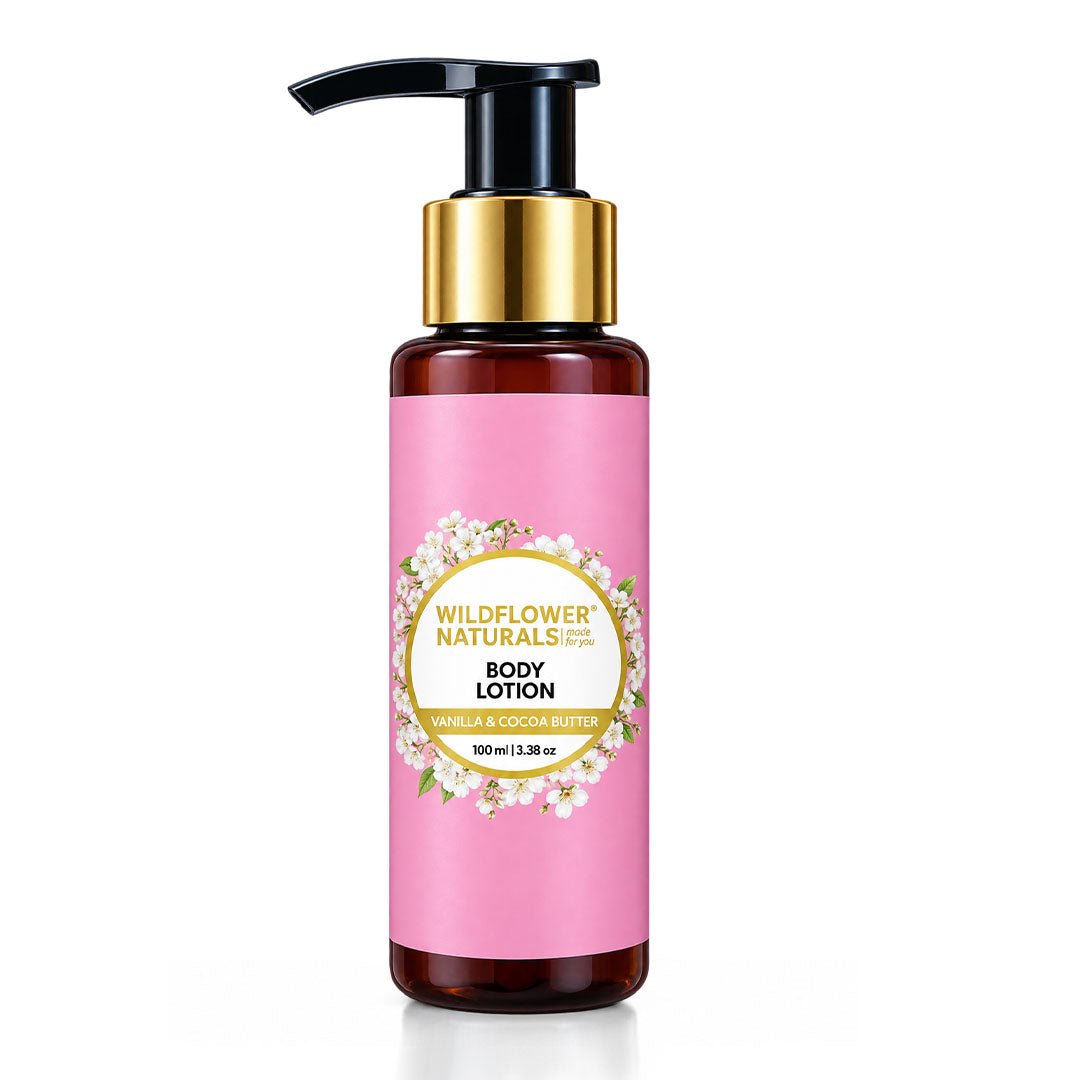
For example, Wildflower Naturals' Vanilla & Cocoa Butter Body Lotion combines almond oil, olive oil, cocoa butter and tocopherol in a creamy formula designed for moisturisation without a heavy feel.
Finish on the Skin
Ultimately, your preference matters. Some people love the soft, cocooning feel of a butter. Others want their moisturiser to disappear quickly so they can continue with their day.
There is no prize for choosing the richest texture.
Body Butter vs Body Lotion for Different Skin Types
Your skin type is one of the most useful ways to make the choice.
For Normal Skin
A lightweight lotion is often an easy everyday option. It provides moisture without making the routine feel unnecessarily complicated. If an even skin tone is also part of your goals, it's worth checking which body lotion is best for skin whitening before choosing a formula.
For Dry Skin
If your skin regularly feels tight, flaky or uncomfortable, you may prefer a richer moisturiser. A lotion can still work well if its formulation provides enough nourishment for your skin.
For Very Dry or Rough Skin
This is where body butter can have an advantage in terms of feel. Richer formulations can be particularly pleasant on rough elbows, knees, heels and other areas that need extra attention. If dryness is a persistent concern, it helps to know which body cream is best for extremely dry skin before settling on a routine.
For Sensitive Skin
Be careful with blanket statements such as “natural means suitable for sensitive skin.” Natural ingredients can still cause reactions in some people.
Read the ingredient list, consider fragrance sensitivity and patch test new products if you know your skin is reactive. If persistent irritation occurs, seek advice from a qualified healthcare professional.
Wildflower Naturals places emphasis on formulation, ingredient sourcing and laboratory testing. Its founder, Radhika Dang Gambhir, is a certified Natural Skincare Formulator with formal training in natural skincare formulation and organic skincare chemistry. This focus on formulation carries through its range of body care products for women, each tested with sensitivity in mind.
For Oily or Sweat-Prone Skin
A lighter lotion may feel more comfortable, particularly during hot weather. The goal is not to avoid moisturising but to choose a texture you can comfortably use. The same principle applies across Wildflower Naturals' men's body care products, where lighter textures suit warmer days.
Body Butter vs Body Lotion for Summer and Winter
Climate can change what your skin prefers.
Which Is Better for Summer?
For body butter vs body lotion in summer, lotion often feels more comfortable because of its lighter texture and quicker-feeling application.
That said, very dry skin may still benefit from a richer product on specific areas. You do not have to follow a one-product-for-everything rule.
Which Is Better for Winter?
Cold air, low humidity and indoor heating can leave skin feeling drier. A richer moisturiser may therefore feel more comfortable during winter.
Body butter can be especially appealing for elbows, knees, hands, feet and other areas prone to roughness.
What About Year-Round Use?
You can adapt your routine throughout the year. A lotion may be your everyday choice in warmer months, while a richer product can become useful when the weather changes.
Your skin can also vary independently of the calendar, so pay attention to how it feels rather than following a seasonal rule blindly.
Is Body Butter More Hydrating Than Body Lotion?
This is one of the most common questions about body butter vs body lotion, but “more hydrating” needs some context.
Hydration and moisturisation are related but not identical concepts. Hydration generally refers to water content, while moisturising involves helping the skin feel soft and reducing moisture loss.
A thicker product can provide a richer, more protective-feeling finish, but thickness alone does not determine how effective a product is. Ingredients, formulation, and how consistently you use it all matter.
The best product is one that works for your skin and fits naturally into your routine.
Can You Use Body Butter and Body Lotion Together?
Yes. There is no rule saying you have to choose one forever.
For body butter vs body lotion, using both can actually make sense when different parts of your body have different needs.
Try:
- Lotion over most of the body and butter on dry patches.
- Lotion in the morning and butter before bed.
- Lotion during humid weather and richer moisturisation during dry spells.
- A lighter product for everyday use and a richer one when your skin needs extra comfort.
The trick is to keep your routine practical rather than layering products simply for the sake of it.
How to Choose Between Body Butter and Body Lotion
If you are still unsure about body butter vs body lotion, ask yourself four simple questions.
Choose Body Lotion If…
You want something lightweight, easy to spread and comfortable for everyday use. It can be particularly convenient in warm weather or when you moisturise in the morning.
Choose Body Butter If…
Your skin feels particularly dry or rough, or you enjoy a richer moisturising experience. It can also be useful for targeted areas that need extra nourishment.
Consider the Ingredients
Do not choose a product solely because the front label says “butter,” “natural” or “hydrating.” Look at the complete ingredient list and consider whether the formulation suits your skin and preferences.
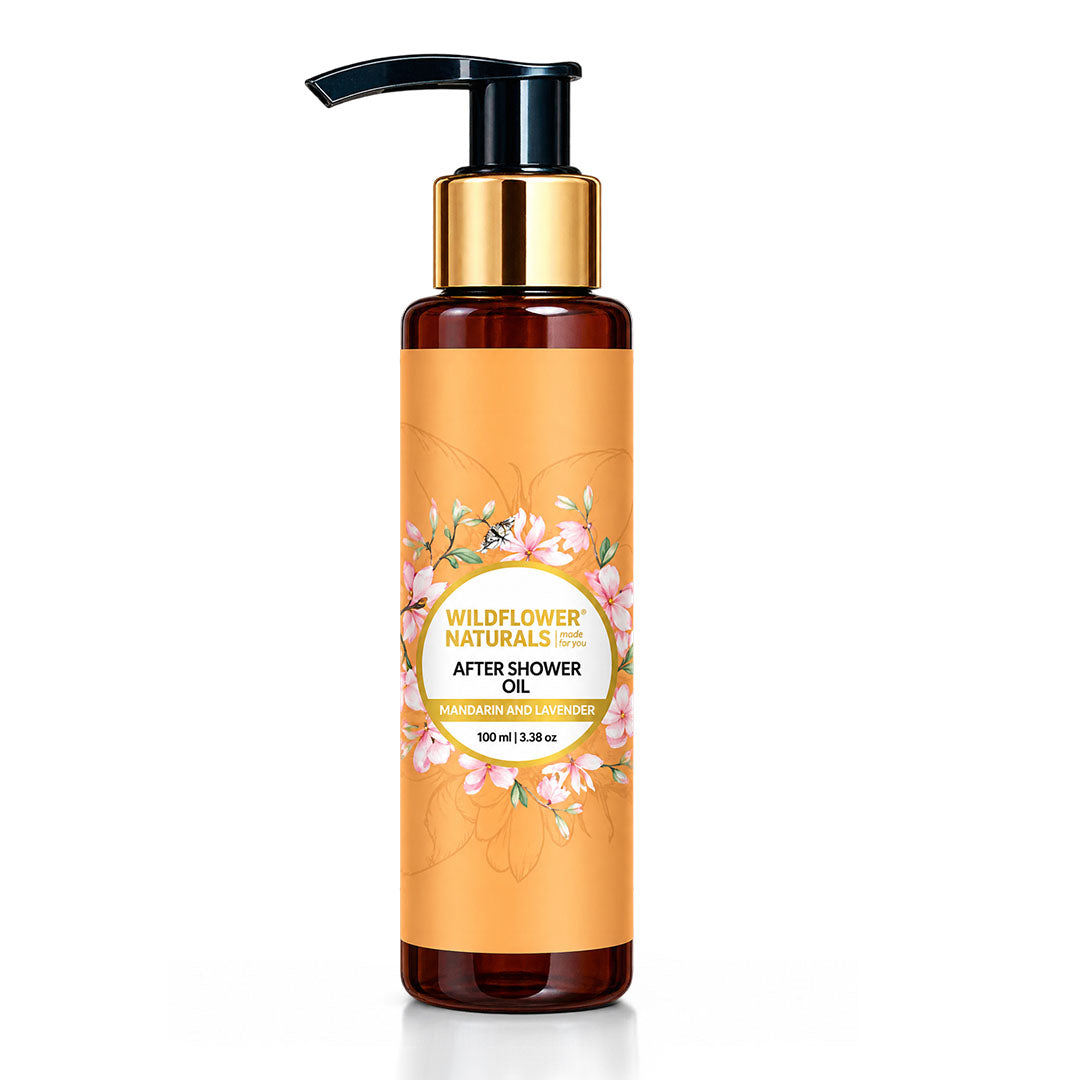
Wildflower Naturals' body-care collection includes products built around botanical ingredients and formulation-focused body care, including its Vanilla & Cocoa Butter Body Lotion, Body Cream with Lavender and Shea Butter, After Shower Oil with Lavender and Mandarin, and Hand and Foot Cream with Peppermint and Coco Butter. For those who prefer trying a few formulations together, a body care kit can be a convenient way to sample what suits you best.
How to Apply Body Lotion and Body Butter Correctly
A simple routine is often enough.
- Cleanse your body gently.
- Pat the skin dry without rubbing aggressively.
- Apply your moisturiser while the skin is slightly damp.
- Massage it evenly over the body.
- Give extra attention to elbows, knees, hands and feet.
- Reapply whenever your skin needs additional comfort.
For body butter vs body lotion, the application method is broadly similar. The difference is mainly in how much product you need and how long you want to allow the richer texture to settle.
Common Moisturising Mistakes to Avoid
Even a good moisturiser cannot compensate for an inconsistent routine.
Waiting Until Your Skin Is Extremely Dry
Moisturising regularly is generally easier than trying to fix uncomfortable dryness after it becomes severe.
Using Too Much Product
More is not automatically better. Start with a modest amount and add more where needed.
Ignoring Rough Areas
Elbows, knees, heels and hands often need more attention than the rest of the body.
Choosing Only by Texture
A product can feel beautiful but still not suit your skin. Consider the formulation as a whole.
Assuming Natural Means Risk-Free
Plant-derived ingredients can be beneficial, but “natural” is not a guarantee that every product will suit every person.
Body Butter vs Body Lotion: Which One Should You Choose?
There is no universal winner in the body butter vs body lotion debate.
Choose a lotion when you want lightweight, everyday moisture and a comfortable finish. Choose a body butter when your skin feels particularly dry, rough or in need of richer nourishment. And if your skin changes with the weather, your routine can change with it.
Good body care is not about using the most luxurious product. It is about understanding what your skin needs and choosing a formulation you will actually enjoy using.
Why Choose Wildflower Naturals for Your Body Care Routine?
Body care should feel less like a chore and more like a small ritual you look forward to.
That is where thoughtful formulation makes a difference. Wildflower Naturals brings together botanical ingredients, traditional wellness influences, and modern formulation knowledge across its bath and body range. The brand's founder, Radhika Dang Gambhir, has worked extensively in natural skincare formulation, while the company's manufacturing approach includes laboratory testing of raw materials and finished products for physical, chemical and microbial safety.
For everyday moisturisation, the Body Lotion with Vanilla & Cocoa Butter combines almond oil, olive oil, cocoa butter and tocopherol in a creamy, non-greasy formula. Wildflower Naturals also offers complementary body-care options, including its Lavender & Shea Butter Body Cream and After Shower Oil with Lavender and Mandarin.
So instead of asking which texture is fashionable right now, ask a better question: What does my skin need today?
Then build your body-care ritual around that answer. Explore Wildflower Naturals' Body Care Collection and find the moisturising and body-care essentials that fit your skin, your routine and your everyday rituals.
Frequently Asked Questions
Q1. What is the main difference between body butter and body lotion?
Body butter is generally thicker and richer, while body lotion is lighter and easier to spread. The best choice depends on your skin's needs and your preferred texture.
Q2. How do I choose between body butter and body lotion?
Consider your skin type, dryness level, climate and preferred finish. Choose lotion for lightweight everyday moisture or butter when your skin needs a richer feel.
Q3. Can I use body butter and body lotion together?
Yes. You can use lotion over the body and apply body butter to particularly dry areas, or use lotion during the day and butter at night.
Q4. Is body lotion better for summer?
Often, yes, because lighter textures can feel more comfortable in warm or humid weather. However, very dry skin may still benefit from richer moisturisation on specific areas.
Q5. Will body butter make my skin greasy?
Not necessarily. The finish depends on the formulation and how much you apply. A well-formulated body butter can feel rich without leaving an excessively greasy finish.
Q6. What is better for very dry skin?
A rich body butter may feel more comfortable on very dry or rough areas, although a nourishing body lotion can also work well when its formulation suits your skin.
Q7. Why does my skin still feel dry after using lotion?
The product may not provide enough moisturising comfort for your skin, or environmental factors and bathing habits may contribute to dryness. Consider the formulation, application method, and your overall routine.
Q8. Is body butter suitable for sensitive skin?
It can be, but suitability depends on the individual formulation and your skin's sensitivities. Always check the ingredients and consider patch testing if you are prone to reactions.




Leave a comment
This site is protected by hCaptcha and the hCaptcha Privacy Policy and Terms of Service apply.