

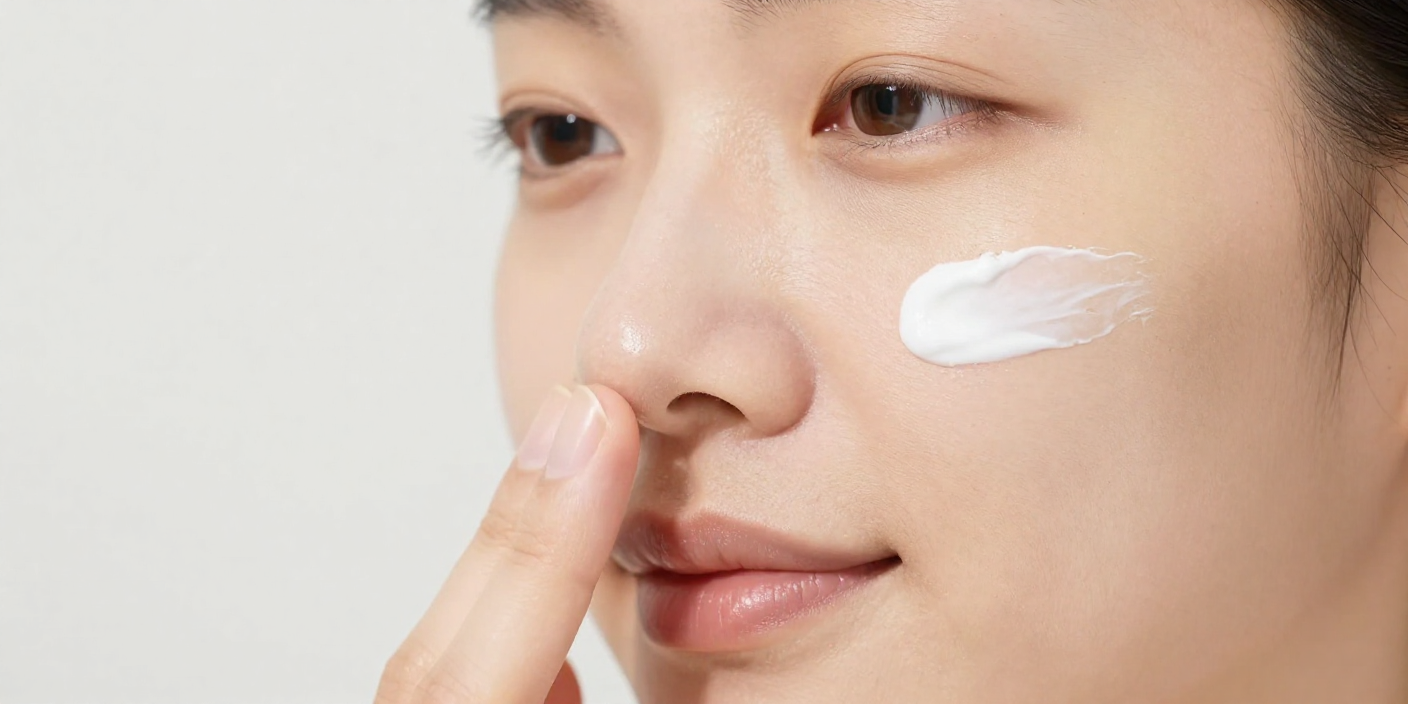
Quick Answer: Sunscreen reduces tanning by limiting the penetration of harmful UVA and UVB rays into the skin, but it does not completely prevent tanning. The level of protection depends on the SPF, the type of sunscreen, proper application, and how frequently it is reapplied. Using broad-spectrum sunscreen consistently is the most effective way to minimize tanning and protect skin health.
Many people wonder: does sunscreen prevent tanning? The answer is yes, but only partially. Sunscreen can dramatically reduce the amount of UV exposure your skin receives, which in turn limits melanin production, the natural pigment responsible for tanning. However, no sunscreen can completely block all UV rays, so some tanning may still occur even with daily protection. In this article, we will explore how tanning works, how sunscreen functions, the myths surrounding sun protection, and practical tips for reducing tanning while keeping your skin safe and healthy.
What Is Tanning?
Tanning is the skin’s natural defense mechanism against UV radiation. When your skin is exposed to sunlight, it produces melanin, the pigment that gives skin its color. Melanin absorbs and dissipates UV radiation to protect deeper layers of skin from damage.
The two main types of UV rays that contribute to tanning are:
- UVA rays which penetrate deeply into the skin, contributing to tanning, premature aging, and long-term DNA damage.
- UVB rays which primarily affect the surface of the skin, causing sunburn, pigmentation, and triggering the production of more melanin.
Tanning is not merely a cosmetic concern. Repeated UV exposure can cause DNA damage, premature wrinkles, pigmentation issues, and increase the risk of skin cancer. Understanding this mechanism helps explain why sunscreen is essential, even if your goal is to prevent tanning.
How Sunscreen Works
Sunscreen is designed to protect your skin by either absorbing or reflecting harmful UV rays before they penetrate the skin. It works in the following ways:
- Blocks or absorbs UVA and UVB rays to minimize skin damage and limit melanin production.
- SPF (Sun Protection Factor) indicates the level of protection against UVB rays, with higher numbers offering greater resistance.
-
Types of sunscreen
- Physical or mineral sunscreen contains ingredients such as zinc oxide or titanium dioxide that reflect UV rays away from the skin.
- Chemical sunscreen absorbs UV rays using ingredients such as avobenzone or octocrylene, converting them into harmless heat.
Using sunscreen correctly is critical. Even the highest SPF cannot provide maximum protection unless applied generously and reapplied consistently. Proper use can significantly reduce tanning and prevent long-term skin damage, especially when combined with suitable oily skin care products for balanced protection.
Does Sunscreen Prevent Tanning?
So, does sunscreen prevent tanning completely? The answer is no, but it significantly reduces it.
- Sunscreen reduces the amount of UV radiation that reaches your skin, which slows down melanin production.
- No sunscreen can completely block UV rays, meaning some degree of tanning may still occur, especially in high-intensity sun exposure.
-
The effectiveness of sunscreen in preventing tanning depends on multiple factors:
- The SPF rating of the sunscreen
- Whether it is broad-spectrum (protects against both UVA and UVB rays)
- Proper application and generous coverage of all exposed skin
- Reapplication after swimming, sweating, or prolonged outdoor activity
By using a high-SPF, broad-spectrum sunscreen, you can reduce the intensity of tanning while still enjoying time outdoors safely. A common follow-up question is whether sunscreen can remove existing tan — sunscreen is preventive, not corrective, so existing tan requires dedicated treatment products. Daily sun protection is key to maintaining healthy, youthful skin while minimizing pigmentation.
How SPF Level Influences Tanning
SPF plays a major role in preventing tanning. SPF is a measure of how well a sunscreen protects against UVB rays, which are primarily responsible for sunburn and melanin production.
- SPF 15 blocks approximately 93% of UVB rays.
- SPF 30 blocks approximately 97% of UVB rays.
- SPF 50 blocks approximately 98% of UVB rays.
While higher SPF offers slightly more protection, UVA rays can still penetrate and contribute to tanning. Broad-spectrum sunscreen is essential to protect against both UVA and UVB rays, as UVA rays are primarily responsible for darkening existing melanin and deep skin damage.
Proper SPF selection and consistent daily use are critical to reducing tanning over time. Even moderate SPF can reduce tanning if applied correctly and reapplied regularly. This is true for routines built with skin care products for women as well as other skincare essentials.
Common Myths About Sunscreen and Tanning
There are several misconceptions about sunscreen and tanning that can affect how people use it:
Myth 1: Sunscreen completely blocks all UV rays.
Reality: No sunscreen provides 100% blockage, and some UV radiation will still reach the skin.
Myth 2: Darker skin does not need sunscreen.
Reality: All skin tones are susceptible to UV damage, including premature aging, pigmentation, and skin cancer.
Myth 3: A single application of sunscreen is enough.
Reality: Sunscreen must be reapplied every 2 to 3 hours, and after sweating or swimming, to maintain protection.
Myth 4: Sunscreen prevents tanning immediately.
Reality: Sunscreen slows melanin production but does not stop tanning completely.
Understanding these myths helps ensure sunscreen is used effectively to minimize tanning while protecting overall skin health.
How to Prevent Tanning Effectively
To minimize tanning while staying safe outdoors, follow these strategies:
- Apply broad-spectrum SPF daily, even on cloudy days.
- Apply sunscreen 15–20 minutes before going outdoors to allow proper absorption.
- Reapply every 2–3 hours, especially after swimming, sweating, or prolonged sun exposure.
- Use additional protection such as hats, sunglasses, and protective clothing to block UV rays physically.
- Consider environmental factors: at the beach, in the mountains, or in high-altitude areas, UV exposure is more intense and requires careful protection.
Combining these methods with the right sunscreen significantly reduces tanning and protects skin from long-term damage. For individuals with dehydrated skin, pairing sunscreen with dry skin care products can enhance hydration and barrier protection.
The Importance of Sunscreen for Skin Health
Sunscreen is not only about reducing tanning. It plays a vital role in long-term skin health:
- Prevents premature aging including wrinkles, fine lines, and sagging.
- Reduces hyperpigmentation and uneven skin tone caused by sun exposure.
- Protects DNA from UV damage, lowering the risk of skin cancer.
- Supports overall skin health, keeping skin hydrated and resilient when combined with moisturizing ingredients.
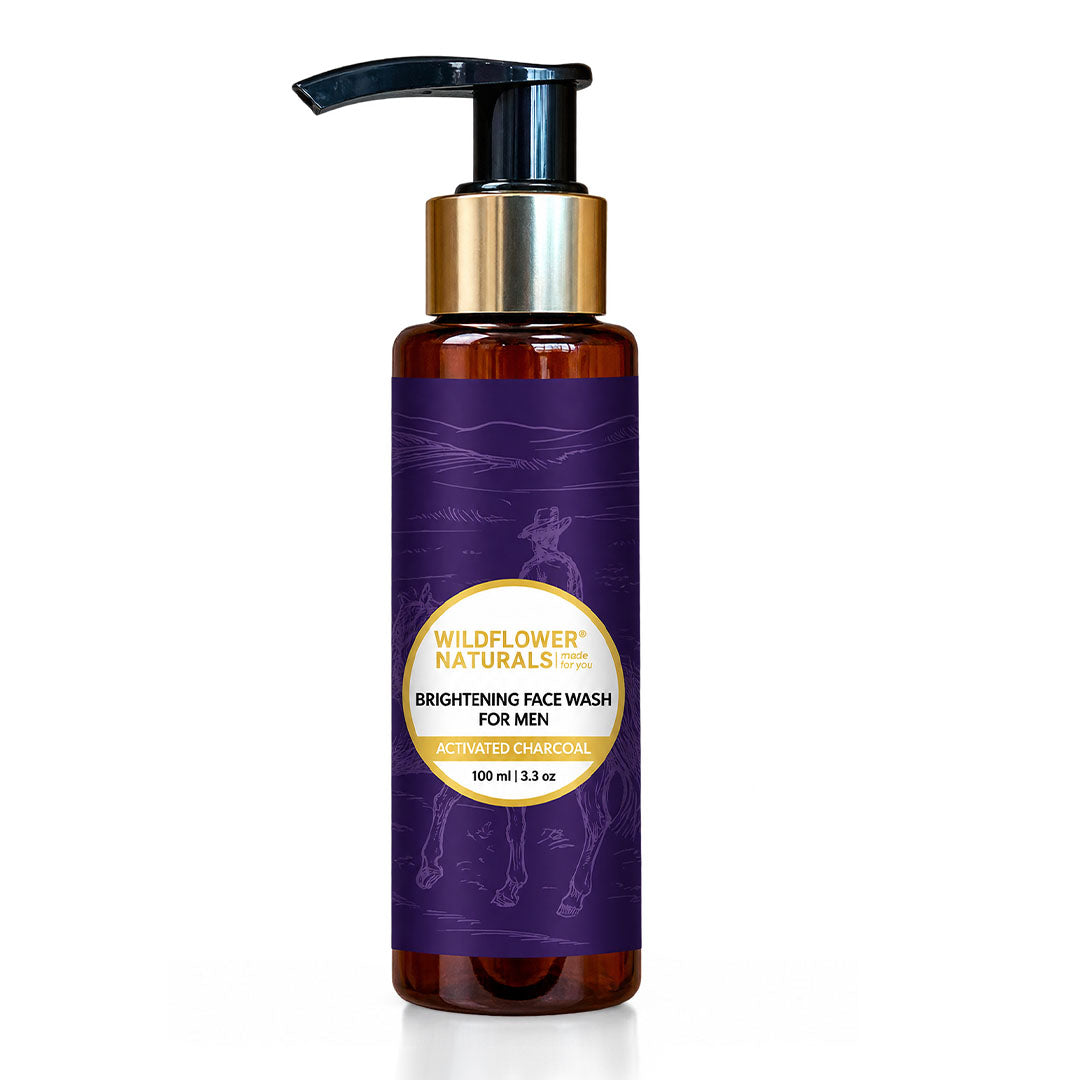
Daily sunscreen use is a cornerstone of maintaining healthy, youthful, and evenly toned skin. A complete routine may include targeted skin care products for men for optimal results.
Best Sunscreen Choice for Daily Use
When choosing a sunscreen, it is important to select one that provides effective protection while nourishing the skin. Wildflower Naturals offers a product that combines skincare with sun protection:
Wildflower Naturals Kumkumadi & Donkey Milk SPF 50 Dew Drops Invisible Moisturiser:
- Broad-spectrum UVA + UVB + PA+++ protection
- Lightweight, invisible finish
- Hydrating ingredients such as hyaluronic acid and aloe vera
- Water-resistant for outdoor activities
- Combines sun protection and skincare in one step
This type of product helps reduce tanning, protects against sun damage, and supports healthy, hydrated skin daily.

Step-by-Step: How to Apply Sunscreen for Best Results
Proper application is essential for sunscreen to effectively reduce tanning:
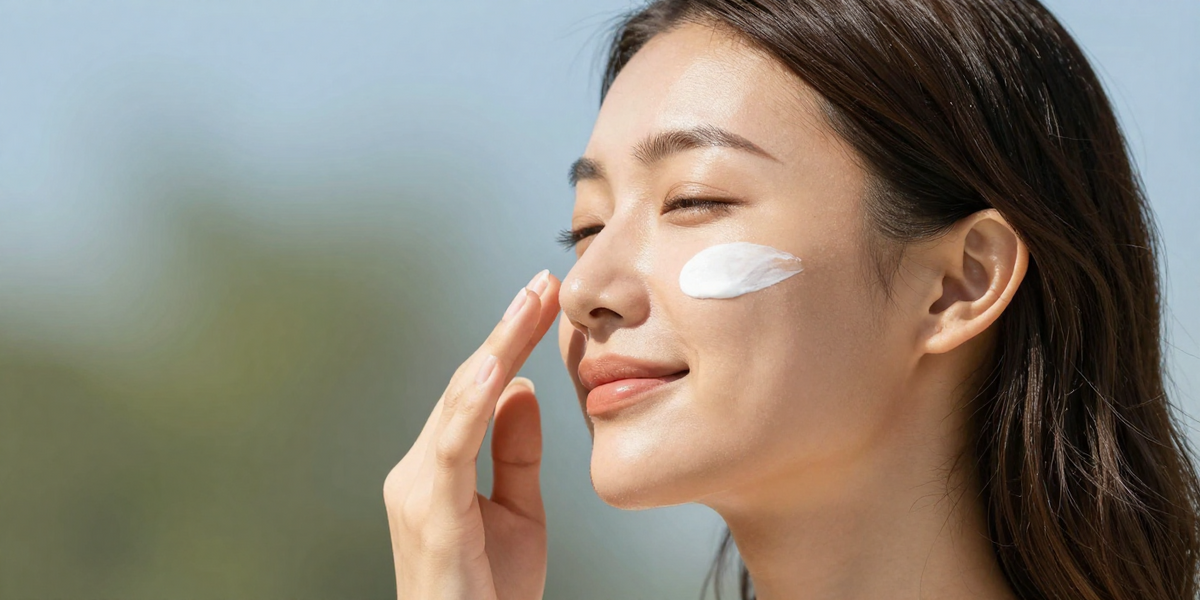
- Apply about 1 teaspoon for the face and neck and 1 shot-glass amount for the body.
- Apply 15–20 minutes before sun exposure to allow absorption.
- Reapply every 2–3 hours, or immediately after swimming or sweating.
- Cover all exposed areas including ears, back of neck, hands, and feet.
- Consistent daily application is key to minimizing tanning and protecting overall skin health.
For a holistic beauty routine, you may also consider complementary hair care products for women to maintain overall personal care alongside sun protection.
Conclusion
So, does sunscreen prevent tanning? Yes, it reduces tanning significantly, but it cannot stop melanin production entirely. The most effective way to protect skin and minimize tanning is through broad-spectrum sunscreen, proper application, frequent reapplication, and additional sun-safe practices. Daily sun protection supports long-term skin health, prevents premature aging, and lowers the risk of skin cancer. For those with mixed skin concerns, exploring the best sunscreen for combination skin ensures protection without compromising skin balance.
Using a product like Wildflower Naturals Kumkumadi & Donkey Milk SPF 50 Dew Drops Invisible Moisturiser combines hydration with effective sun defense, making it an ideal choice for everyday skincare.
Read Our Latest Blog
night face care routine | daily face care routine | men's face care routine | face care routine for women | morning face care routine | skin care for oily face | face care routine for oily skin | step by step face care | face care in summer | skin care routine for men | skin care for men | hair care routine for men | best skin care routine for men | lip care for men
Frequently Asked Questions
Q1. Does sunscreen completely prevent tanning?
Ans: No, sunscreen reduces tanning by limiting UV penetration, but some tanning may still occur because no sunscreen can block 100% of UVA and UVB rays.
Q2. Which SPF is best to prevent tanning?
Ans: SPF 30 to SPF 50 with broad-spectrum protection is recommended. Higher SPF offers more protection against UVB, but correct application is crucial.
Q3. Can I skip sunscreen on cloudy days?
Ans: No, up to 80% of UV rays can penetrate clouds, making sunscreen essential even on overcast days.
Q4. Does reapplying sunscreen reduce tanning?
Ans: Yes, regular reapplication maintains UV protection and reduces melanin production over time.
Q5. Do mineral sunscreens prevent tanning better than chemical ones?
Ans: Both types reduce tanning effectively if applied correctly. Mineral sunscreens reflect UV rays immediately, while chemical sunscreens absorb UV rays after 20 minutes.
Q6. Can sunscreen prevent tanning on all skin types?
Ans: Yes, it reduces tanning for all skin tones. Darker skin may still produce melanin, but protection is still necessary to prevent long-term damage.
Q7. Is SPF 50 much better than SPF 30 for tanning prevention?
Ans: SPF 50 offers slightly higher protection and longer coverage, but consistent application and reapplication are more important than SPF alone.
Q8. Can sunscreen alone prevent sun damage?
Ans: No, sunscreen should be combined with physical barriers such as clothing, hats, sunglasses, and shade for maximum protection.




Leave a comment
This site is protected by hCaptcha and the hCaptcha Privacy Policy and Terms of Service apply.