

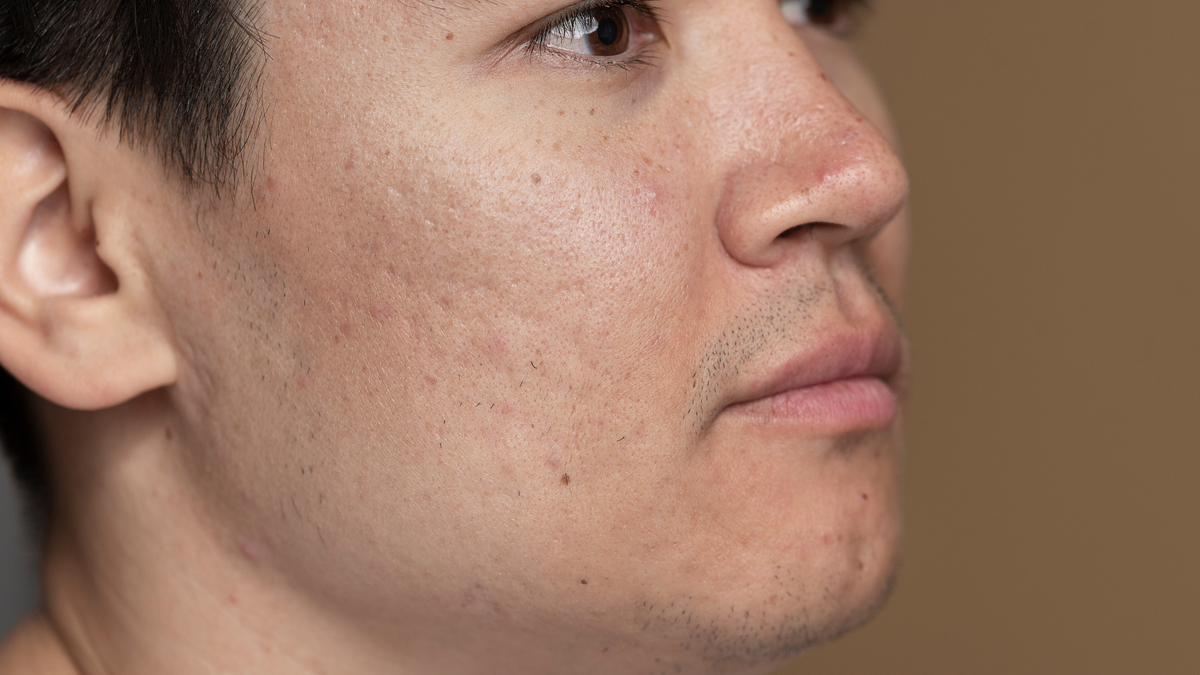
Open pores treatment at home focuses on reducing the appearance of enlarged pores through gentle cleansing, suitable skincare ingredients, regular moisturising, and daily sunscreen. Niacinamide may help manage excess oil, while clay-based face packs can absorb surface oil. Pores cannot be permanently closed, but consistent skincare can help skin look smoother.
Visible pores are a normal part of healthy skin, but excess oil, clogged pores, ageing, and sun exposure can make them more noticeable. At Wildflower Naturals, we believe that understanding your skin is the first step towards caring for it. With a simple, consistent routine, you can support smoother-looking skin without harsh treatments or complicated steps. The key is knowing what genuinely helps and what to avoid. If you prefer gentler, plant-based formulations, you can also explore our organic face care products.
What Causes Open Pores on the Face?
Pores are tiny openings that allow sebum, your skin's natural oil, to reach the surface. They help keep skin lubricated and are essential for normal skin function. Their appearance varies from person to person, depending on genetics, skin type, and age.
Several factors can make pores look larger:
- Excess oil production: Oily skin can make pores more noticeable, particularly around the nose, forehead, and chin.
- Clogged pores: A buildup of oil, dead skin cells, and impurities can contribute to visible congestion and blackheads.
- Ageing: As skin loses some collagen and elasticity, pores may become more prominent.
- Sun exposure: Repeated ultraviolet exposure can damage collagen and affect skin texture over time.
- Genetics: Naturally larger pores may run in families and cannot be completely eliminated through skincare.
Understanding these factors helps you choose an appropriate routine instead of relying on quick fixes that may irritate your skin. If excess oil is your main concern, you can explore our oily skin care products.
How to Reduce Open Pores on Face Naturally
The most effective approach combines gentle daily habits with ingredients suited to your skin. Natural skincare does not mean every ingredient from your kitchen is safe, and a complicated routine is rarely necessary.
1. Cleanse Your Face Gently
Wash your face twice daily with a gentle cleanser suited to your skin type. This helps remove excess oil, sunscreen, sweat, and everyday impurities.
Avoid scrubbing vigorously or washing repeatedly to eliminate oil. These habits can irritate your skin and compromise its protective barrier. For a full step-by-step plan, see our face care routine for oily skin guide.
2. Use Niacinamide for Oil Balance
Niacinamide, a form of vitamin B3, is a useful skincare ingredient for people concerned about excess oil and visible pores. It can support the skin barrier and help improve the appearance of uneven skin texture.
Wildflower Naturals offers a Kumkumadi & Donkey Milk Face Serum with 10% Niacinamide and 2% Alpha Arbutin. It can be considered as part of a targeted skincare routine, provided the formulation suits your skin and you tolerate it well.
Introduce active ingredients gradually, patch-test new products, and follow the product directions.
3. Keep Your Skin Hydrated
Skipping moisturiser because your skin is oily can leave it feeling dehydrated or uncomfortable. A suitable moisturiser helps maintain the skin barrier and gives the surface a smoother appearance.
The Wildflower Naturals Kumkumadi & Donkey Milk Illuminating Face Gel, formulated with hyaluronic acid and aloe vera, is an option to explore for hydration. Choose products according to your skin’s needs rather than assuming that every formula suits every skin type. For a light refresh through the day, take a look at our face mist for oily skin collection.
4. Apply Sunscreen Every Morning
Daily sun protection helps limit UV-related skin damage, including damage to collagen that can make pores more visible over time.
Choose a broad-spectrum sunscreen with SPF 30 or higher, apply it generously, and reapply as directed, particularly after sweating or swimming. Wildflower Naturals' SPF 50 Dew Drops Invisible Sunscreen can be considered as part of your morning routine.
5. Avoid Harsh Scrubs
Rough exfoliators, frequent peeling, and aggressive cleansing can cause redness and irritation. If you need exfoliation, choose a suitable product and introduce it gradually rather than combining several strong active ingredients at once.
Consistency matters more than using numerous products. Give your skin time to respond before making further changes.
Home Remedies for Open Pores on Nose
The nose often appears to have larger pores because it contains many oil-producing sebaceous glands. Oil and dead skin cells can accumulate around these openings, making them more noticeable.
If you are looking for home remedies for open pores on nose, focus on gentle cleansing and managing excess oil.
- Use a gentle cleanser: Clean your nose morning and evening without scrubbing.
- Try a clay-based face pack: Clay can absorb excess surface oil temporarily, helping skin look less shiny.
- Consider salicylic acid: A suitable salicylic acid product may help clear clogged pores. Start slowly and follow its instructions.
- Avoid squeezing blackheads: Picking at the skin can cause irritation, inflammation, and possible scarring.
Ice cubes do not permanently shrink pores, and applying lemon juice or undiluted apple cider vinegar can irritate the skin. A consistent routine is a safer choice than harsh home treatments. If you are weighing up salicylic acid for clogged pores, our read on is salicylic acid good for acne explains how it works.
Best Face Pack for Open Pores at Home
A face pack can be a useful addition to your skincare routine, especially if your skin tends to become oily. However, no face pack can permanently close pores or replace everyday cleansing, moisturising, and sun protection.
Neem and Turmeric Face Pack
A neem and turmeric face pack is an option for an occasional skincare ritual. Wildflower Naturals offers a Neem & Turmeric Face Pack featuring ingredients such as neem, turmeric, liquorice extract, rose extract, honey, chamomile, and aloe gel.
You can explore it here: Wildflower Naturals Neem & Turmeric Face Pack.
To use a face pack safely:
- Cleanse your face before application.
- Follow the product's recommended application time.
- Rinse it off as directed without rubbing harshly.
- Apply a suitable moisturiser afterwards.
- Stop using it if you experience burning, persistent redness, or itching.
When choosing the best face pack for open pores at home, consider your skin type and the product's full ingredient list. Oily skin may benefit from oil-absorbing formulations, while dry or sensitive skin generally needs gentler options.
Open Pores on Cheeks Home Remedy
Visible pores on the cheeks may be associated with genetics, oil production, ageing, and sun exposure. The goal of an open pores on cheeks home remedy should be to improve skin texture without causing further irritation.
Consider these simple habits:
- Use a gentle cleanser rather than a harsh exfoliating scrub.
- Apply a lightweight moisturiser to maintain hydration.
- Use sunscreen daily to help protect collagen.
- Avoid squeezing pores or using abrasive DIY mixtures.
- Introduce targeted ingredients gradually if your skin tolerates them.
A hydrating face gel can help keep the skin comfortable, while niacinamide may help improve the appearance of uneven texture in some people. Neither guarantees smaller pores, and results depend on the individual. If your cheeks and T-zone behave differently, our combination skin care products may help you balance your routine.
How to Close Open Pores Permanently: Is It Possible?
The short answer is no. You cannot permanently close open pores because they are natural openings in your skin. However, you can make them less noticeable with consistent skincare.
A practical open pores treatment at home routine should focus on the factors that influence their appearance:
- Remove excess oil and everyday buildup with gentle cleansing.
- Use suitable ingredients to manage congestion and improve skin texture.
- Maintain hydration with an appropriate moisturiser.
- Protect your skin from UV exposure.
- Avoid harsh treatments that trigger inflammation.
If enlarged pores remain a significant concern, a dermatologist can assess your skin and discuss options such as prescription treatments, chemical peels, or certain laser procedures where appropriate. These treatments have different benefits and risks, and none guarantees permanent pore closure.
Morning and Night Skincare Routine for Open Pores
An uncomplicated routine is easier to maintain and reduces the risk of irritating your skin with too many active ingredients.
Morning routine
- Cleanse gently.
- Apply a suitable serum if needed.
- Moisturise with a suitable face gel or cream.
- Finish with broad-spectrum sunscreen.
Night routine
- Remove makeup and sunscreen.
- Wash with a gentle cleanser.
- Apply a suitable treatment ingredient if needed.
- Moisturise to support the skin barrier.
Introduce one new product at a time so you can identify any irritation. A face pack can be used occasionally according to its instructions, rather than as a daily substitute for your regular routine. For more everyday guidance, see our skin care for oily face guide.
Common Mistakes to Avoid
Even well-intentioned skincare habits can make visible pores more noticeable when they irritate the skin.
Avoid these common mistakes:
- Over-cleansing: Washing too frequently can cause dryness and irritation.
- Picking at pores: Squeezing blackheads can damage surrounding skin.
- Using harsh DIY ingredients: Lemon juice, baking soda, and undiluted vinegar can irritate the skin.
- Skipping moisturiser: Oily skin still needs appropriate hydration.
- Expecting overnight results: Improvements in oiliness and skin texture usually require consistent care over time.
If you develop persistent inflammation, painful acne, or sudden changes in your skin, seek advice from a qualified dermatologist.
Build a Thoughtful Skincare Routine With Wildflower Naturals
Caring for visible pores does not require an elaborate routine or unrealistic promises. Gentle cleansing, appropriate hydration, targeted ingredients, and daily sun protection can help you work towards smoother-looking skin.
At Wildflower Naturals, we believe skincare should be about understanding your skin and choosing products that support its everyday needs. Explore our Face Care Collection to discover the Neem & Turmeric Face Pack, Kumkumadi & Donkey Milk Face Serum, Illuminating Face Gel, and SPF 50 Dew Drops Invisible Sunscreen.
Ready to give your skin thoughtful, consistent care? Discover Wildflower Naturals and build a routine that feels right for you.
Frequently Asked Questions
Q1. How can I reduce open pores at home naturally?
Cleanse gently, moisturise regularly, use suitable skincare ingredients, and apply sunscreen daily. These habits can help reduce the appearance of pores without harsh treatments.
Q2. Can open pores be closed permanently?
No. Pores cannot be permanently closed, but appropriate skincare and certain dermatologist-led treatments may make them less noticeable.
Q3. Is niacinamide good for open pores?
Niacinamide may help manage excess oil, support the skin barrier, and improve the appearance of skin texture. Results vary depending on your skin and the formulation.
Q4. Will ice cubes shrink open pores?
Ice may temporarily cool the skin and reduce the appearance of puffiness, but it does not permanently shrink pores. Avoid applying ice directly to your skin.
Q5. What is the best face pack for open pores at home?
A suitable clay-based or oil-absorbing face pack may temporarily reduce surface shine. Choose a formulation that suits your skin type and follow its instructions.
Q6. Why are pores more visible on the nose?
The nose has many oil-producing glands, and oil or dead skin buildup can make pores more noticeable. Genetics and skin type also influence their appearance.
Q7. How often should I use a face pack for visible pores?
Follow the product instructions and your skin's tolerance. Many face packs are intended for occasional use rather than daily application.
Q8. What should I do if home treatments do not help?
Consult a dermatologist if visible pores remain a concern or you also experience persistent acne or irritation. A professional can recommend treatments suited to your skin.






Leave a comment
This site is protected by hCaptcha and the hCaptcha Privacy Policy and Terms of Service apply.