


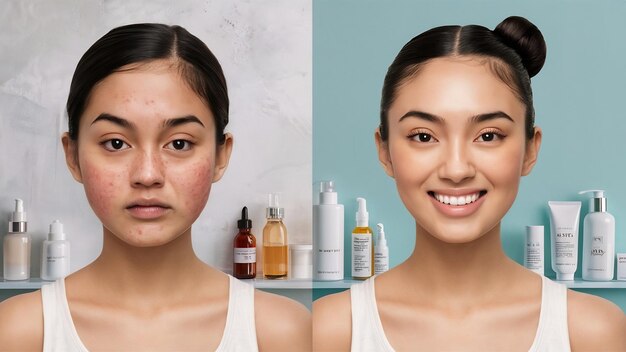
Vitamin C serum benefits include brighter-looking skin, improved appearance of dark spots and uneven tone, antioxidant protection, and support for collagen production. Results depend on the formulation, skin type, consistency, and daily sun protection. Vitamin C can complement a thoughtful skincare routine but does not replace sunscreen.
Vitamin C serum benefits go beyond a temporary glow. Vitamin C is a well-studied antioxidant that can help brighten the appearance of skin, support a more even-looking complexion, and protect against environmental stress. At Wildflower Naturals, we believe effective skincare should feel thoughtful and balanced. Explore our products to build a routine that works with your skin, not against it, and if you'd like a broader overview, this guide on face serum benefits is a useful starting point. And the real difference comes from knowing how to use Vitamin C well.
What Is Vitamin C Serum?
Vitamin C is an antioxidant used in topical skincare to help defend the skin against oxidative stress caused by free radicals. It is available in different forms and concentrations, with L-ascorbic acid being one of the most researched forms.
A serum is a popular way to use Vitamin C because it is designed to deliver a concentrated active formula to the skin. However, the percentage alone does not determine whether a serum is effective. The form of Vitamin C, formulation, stability, packaging, and how well your skin tolerates it all matter, so it helps to first understand which serum is best for face before choosing a formulation.
Research reviewed by Harvard Health suggests that topical Vitamin C may help improve the appearance of wrinkles, dark spots, acne and sun-related skin damage, although more clinical research is still needed for some applications.
7 Key Vitamin C Serum Benefits for Your Skin
Understanding the benefits becomes much easier when you look at what Vitamin C actually does rather than treating it as simply another “glow” ingredient.
1. Helps Brighten Dull-Looking Skin
One of the most noticeable reasons people add Vitamin C to their routine is its brightening potential. Regular use can help skin look fresher and more luminous, particularly when dullness is associated with environmental stress or uneven pigmentation.
The goal is not to change your natural skin colour. Instead, a well-formulated serum can help improve the appearance of a tired, uneven complexion and restore a healthier-looking radiance.
2. Supports a More Even-Looking Skin Tone
Uneven tone can develop for several reasons, including sun exposure, post-acne marks and inflammation. Vitamin C is commonly used in brightening routines because it may help reduce the appearance of areas of excess pigmentation.
Wildflower Naturals' own skincare guidance also places Vitamin C alongside ingredients such as niacinamide and Alpha Arbutin when discussing routines for dullness, pigmentation and uneven tone.
3. Helps Improve the Appearance of Dark Spots
Dark spots rarely disappear overnight, and that is where consistency matters.
Topical Vitamin C may help improve the appearance of pigmentation by influencing melanin production. Harvard Health notes that clinical studies have found improvement in dark spots among people using topical Vitamin C, while also acknowledging that further research is needed.
For persistent pigmentation, however, a serum should be viewed as one part of a wider routine. Daily sunscreen, gentle skincare and avoiding unnecessary irritation are equally important.
4. Provides Antioxidant Protection
Your skin is exposed every day to environmental stressors such as UV radiation and air pollution. Antioxidants help neutralise free radicals, molecules that can contribute to oxidative damage.
Vitamin C is valued in skincare largely because of this antioxidant role. This is one reason it fits naturally into a morning routine, particularly when paired with broad-spectrum sunscreen.
It is important to remember that antioxidant protection does not mean Vitamin C replaces sunscreen. These products serve different purposes and work best as complementary steps.
5. Supports Collagen Production
Collagen helps provide skin with structure and firmness. As we age, natural collagen production gradually changes, contributing to visible fine lines and changes in skin texture.
Topical Vitamin C can support collagen synthesis, making it an ingredient of interest in routines focused on maintaining smoother, firmer-looking skin. Clinical evidence cited by Harvard Health found improvements in the appearance of fine and coarse wrinkles after consistent use of a topical Vitamin C formulation for at least three months.
This does not mean a serum will erase wrinkles. Skincare works gradually, and realistic expectations are an important part of an effective routine.
6. Helps Improve the Appearance of Skin Texture
Healthy-looking skin is not only about brightness. Texture matters too.
By supporting antioxidant defence and collagen-related processes, Vitamin C may contribute to skin that looks smoother and more refined over time. Hydration and moisturisation should still be part of the routine because a Vitamin C serum cannot address every aspect of skin texture on its own.
7. Complements Daily Sunscreen
Perhaps one of the most useful ways to think about Vitamin C is as a supporting step in daytime skincare.
Vitamin C and sunscreen are not interchangeable. Sunscreen helps protect skin from UV exposure, while Vitamin C provides antioxidant support. Research suggests that combining topical Vitamin C with sunscreen can provide complementary protection against environmental damage.
Wildflower Naturals also emphasises the importance of sun protection when discussing routines for pigmentation and brighter-looking skin.
Vitamin C Serum Benefits for Different Skin Concerns
The right skincare routine should be based on your concern rather than following every trend you see online.
For Dull Skin
If your complexion looks tired or lacks radiance, Vitamin C can be a useful brightening ingredient. Pair it with adequate hydration and sunscreen rather than relying on multiple brightening actives at once.
For Uneven Skin Tone
Vitamin C can complement a routine focused on improving the appearance of uneven tone. Ingredients such as niacinamide and Alpha Arbutin may also have a role, depending on the formulation and your individual needs.
For Dark Spots
Consistency is particularly important for pigmentation concerns. Sun exposure can make existing discoloration more noticeable, so daytime sun protection should remain a priority.
For Early Signs of Skin Ageing
If fine lines, dullness and uneven texture are your concerns, antioxidant skincare can form part of a broader preventative routine. Vitamin C is particularly relevant because of its antioxidant and collagen-supporting properties.
How to Use Vitamin C Serum Correctly
Getting the application order right can make your routine easier and more consistent.
Step 1: Cleanse your skin.
Use a gentle cleanser to remove excess oil, dirt and impurities.
Step 2: Apply your serum.
After cleansing and toning, if toner is part of your routine, apply the recommended amount of Vitamin C serum evenly across your face and neck. For a full walkthrough, see this guide on how to apply face serum. Wildflower Naturals' skincare guidance similarly recommends applying serum after cleansing and toning and before moisturiser.
Step 3: Moisturise.
Follow with a moisturiser suited to your skin type to support hydration and comfort.
Step 4: Apply sunscreen in the morning.
Finish your daytime routine with broad-spectrum sunscreen.
Harvard Health recommends applying topical Vitamin C during the morning routine, followed by moisturiser and sunscreen.
When Should You Apply Vitamin C Serum—Morning or Night?
Morning application is a popular choice because Vitamin C provides antioxidant support during the day, when skin is exposed to environmental stressors.
That said, the ideal timing depends on the specific formulation and the rest of your routine. Wildflower Naturals' guidance notes that antioxidant-focused serums such as Vitamin C are generally suited to morning skincare, while some other active or treatment-focused serums may be better suited to nighttime use.
If your product label recommends a particular frequency or application time, follow those instructions.
How to Choose the Right Vitamin C Serum
Not every Vitamin C serum is formulated in the same way, which is why our face serum for women range offers a variety of formulations to suit different skin concerns.
Consider the Form of Vitamin C
L-ascorbic acid is one of the most studied topical forms. Other derivatives are also used in skincare and may offer different characteristics in terms of stability, tolerability and formulation.
Look Beyond the Percentage
A higher percentage does not automatically mean a better product. Harvard Health notes that clinical studies have examined formulations containing 10%–20% L-ascorbic acid at a pH below 3.5.
That does not mean every person needs exactly this formulation. Skin tolerance and the overall formula matter.
Consider Your Skin Type
Dry skin may benefit from a formula that also supports hydration, and our range of face serum for dry skin is formulated with this in mind. Oily or combination skin may prefer a lightweight texture. If your skin is easily irritated, introducing any active gradually can be a more comfortable approach.
What Ingredients Work Well With Vitamin C?
A thoughtful skincare routine does not need to contain every active ingredient. If your skin tends to be on the oilier side, our face serum for oily skin collection is designed to layer well with antioxidants like Vitamin C.
- Hyaluronic acid can complement Vitamin C by supporting hydration.
- Vitamin E is commonly paired with Vitamin C in antioxidant formulations.
- Ferulic acid is another ingredient frequently used alongside Vitamin C and Vitamin E in antioxidant formulations. Research cited by Harvard Health discusses this combination in relation to protection from long-term sun-related damage.
- Niacinamide can be useful in routines focused on barrier support, uneven tone and excess oil.
- Sunscreen remains essential for protecting skin from UV exposure.
The key is not to layer everything simply because the ingredients are popular. Your skin's tolerance, the formulation and the purpose of each product should guide your routine.
Vitamin C Serum Mistakes to Avoid
Even good skincare can become unnecessarily complicated.
- Using too many actives at once: Layering several strong ingredients can increase the chance of irritation.
- Skipping sunscreen: Brightening routines are difficult to maintain if daily UV exposure continues to affect pigmentation.
- Using more than recommended: More serum does not automatically mean better results.
- Expecting overnight changes: Skin needs time to respond to consistent care.
- Ignoring irritation: Mild tingling can occur with some Vitamin C products, but persistent burning, redness or significant discomfort is a reason to stop and reassess the product. Harvard Health recommends stopping use and consulting a physician if substantial irritation occurs.
How Long Does Vitamin C Serum Take to Show Results?
There is no universal timeline. Results depend on the formulation, concentration, skin concern, frequency of use, sun exposure and individual skin response.
Harvard Health notes that noticeable improvement may take up to three months of consistent use.
That is why a sustainable routine is more useful than repeatedly changing products in search of instant results.
Can You Use Vitamin C Serum Every Day?
Many people can use Vitamin C regularly, but frequency should depend on the formulation and how their skin responds.
If you are new to Vitamin C or have sensitive skin, starting every other day may be more comfortable before gradually increasing use if tolerated. Always follow the product's directions.
If you develop significant irritation, stop using the product and seek professional advice when appropriate.
Wildflower Naturals Products for a Thoughtful Skincare Routine
If you are building a routine around brightening, hydration and overall skin radiance, Wildflower Naturals offers complementary options across its face-care range.
Relevant products include:
- Kumkumadi & Donkey Illuminating Clay Mask with Niacinamide + Vitamin C
- Kumkumadi & Donkey Milk Face Serum with 10% Niacinamide & 2% Alpha Arbutin
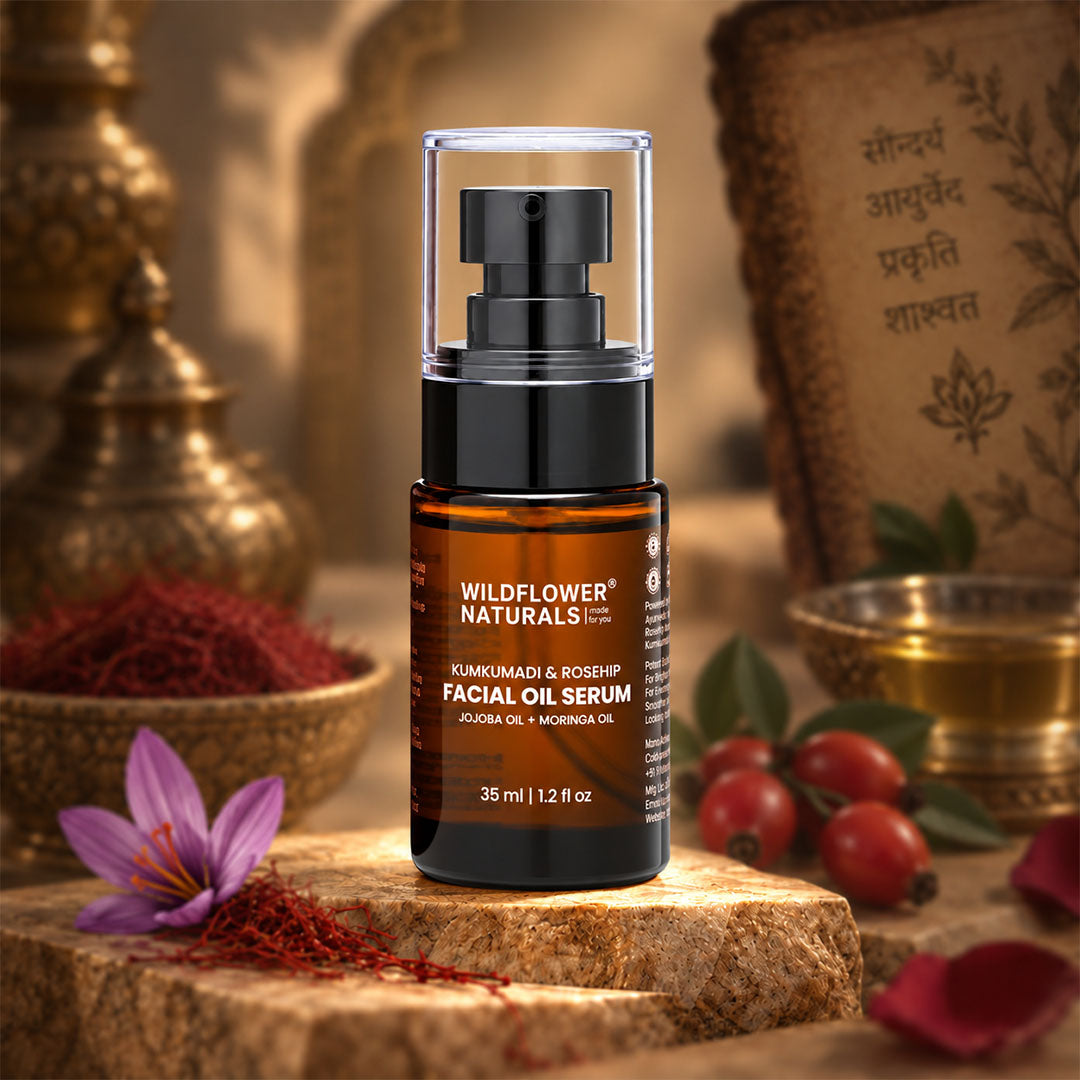
- Kumkumadi & Rosehip Facial Oil Serum with Jojoba oil + Moringa oil
- Kumkumadi & Donkey Milk Brightening Face Cream with Hyaluronic acid + Rosehip oil
Wildflower Naturals' current skincare collection combines targeted actives with botanical-focused formulations, allowing you to build a routine around your individual concerns rather than relying on a single ingredient. If you prefer an oil-based approach, our face oil serum is another option worth exploring.
Final Thoughts: Make Vitamin C Part of a Consistent Routine
The most meaningful vitamin c serum benefits come from treating Vitamin C as one part of a well-balanced skincare routine rather than expecting one product to solve every concern. It can support brighter-looking skin, a more even appearance, antioxidant defence and healthier-looking texture, but consistency and sun protection remain essential.
Wildflower Naturals takes a considered approach to skincare by bringing together botanical ingredients and modern active-focused formulations. If you are ready to make your routine more intentional, explore Wildflower Naturals' face-care range and choose products that complement your skin's needs. Your best routine is not necessarily the longest one; it is the one you can understand, use consistently and enjoy caring for your skin with.
Frequently Asked Questions
Q1. How should I use Vitamin C serum?
Apply it after cleansing and toning, then follow with moisturiser. If used in the morning, finish with sunscreen. Start according to the product's directions and adjust frequency based on skin tolerance.
Q2. Can Vitamin C serum help with dark spots?
Yes. Vitamin C may help improve the appearance of dark spots and uneven pigmentation over time. Daily sunscreen is important because UV exposure can worsen discoloration.
Q3. Is Vitamin C serum good for glowing skin?
Yes. Vitamin C is commonly used to brighten dull-looking skin and support a more radiant, even-looking complexion when used consistently.
Q4. Will Vitamin C serum remove pigmentation permanently?
No skincare serum can guarantee permanent removal of pigmentation. Vitamin C may help improve its appearance, but results depend on the cause of pigmentation, routine consistency and sun protection.
Q5. What does Vitamin C serum do for your face?
It provides antioxidant support and may help brighten the appearance of skin, improve uneven tone, reduce the appearance of dark spots and support collagen production.
Q6. Why should Vitamin C serum be used with sunscreen?
Vitamin C and sunscreen perform different roles. Vitamin C provides antioxidant support, while sunscreen helps protect against UV exposure. Using both can create a more comprehensive daytime routine.
Q7. Can beginners use Vitamin C serum?
Yes. Beginners can introduce Vitamin C gradually by following the product directions and monitoring how their skin responds. Starting less frequently may be appropriate for sensitive skin.
Q8. Is Vitamin C serum suitable for sensitive skin?
It can be, depending on the formulation and your individual tolerance. Patch testing and gradual introduction may help. If you experience significant irritation, stop using the product and seek professional advice.




Leave a comment
This site is protected by hCaptcha and the hCaptcha Privacy Policy and Terms of Service apply.