

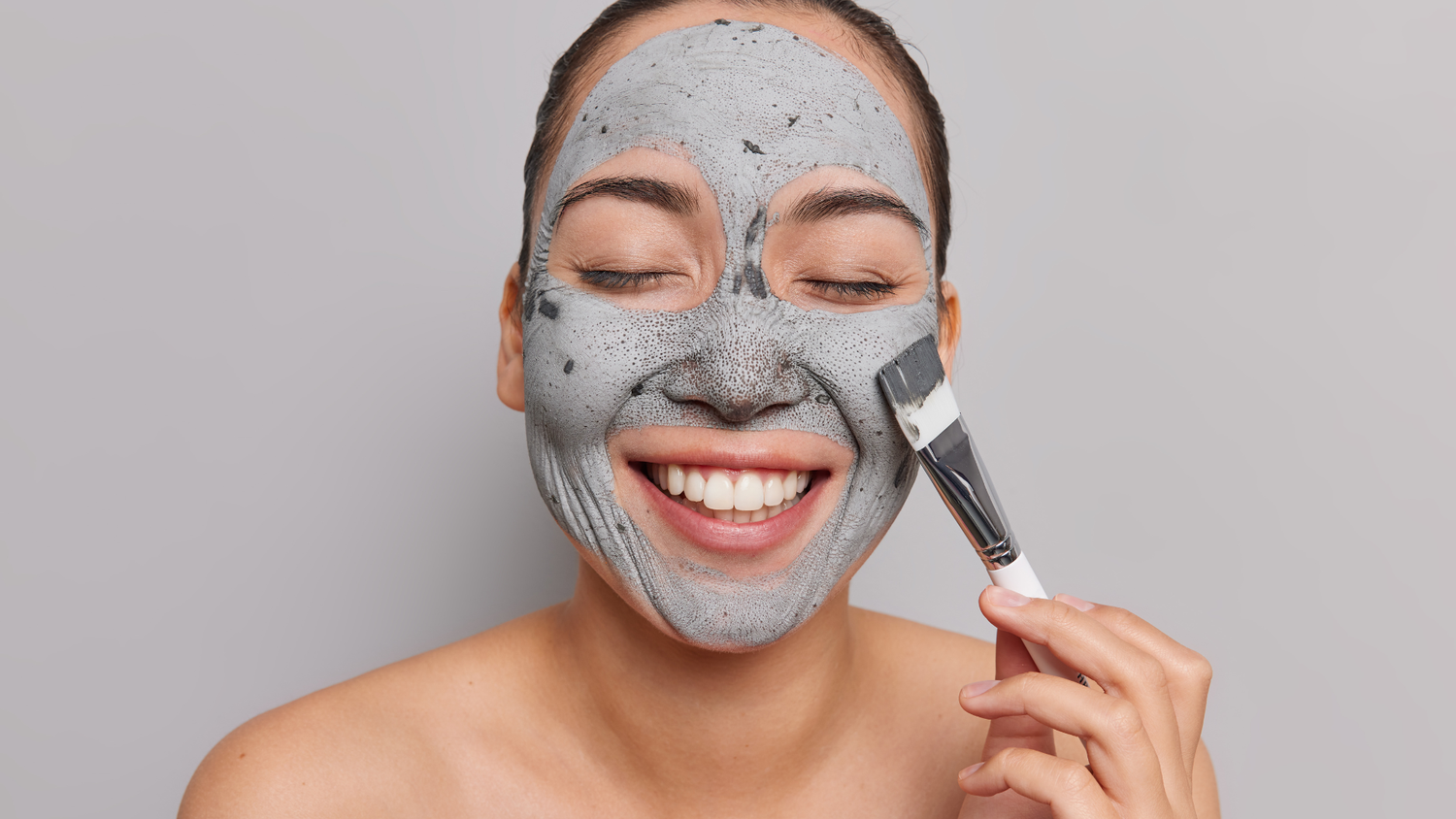
A clay mask is a skincare treatment made with natural mineral-rich clays that help absorb excess oil, unclog pores, remove impurities, and improve skin texture. Different clay masks target concerns like acne, dullness, uneven tone, and oily skin, making them a versatile addition to modern face care products.
If you’ve ever wondered what is clay mask, it’s a deep-cleansing skincare treatment designed to detoxify the skin, absorb excess oil, and improve overall texture. Used for centuries in beauty rituals, clay masks remain popular because they help address common concerns like clogged pores, acne, and dull skin.
Today, modern formulations from brands like Wildflower Naturals combine traditional clay benefits with advanced skincare ingredients such as niacinamide and vitamin C for more targeted results. Whether you have oily, combination, or tired-looking skin, understanding what is clay mask and how it works can help you choose the right product for your daily face care routine.
What Is Clay Mask?
A clay mask is a face mask formulated with natural clays that help draw out impurities, absorb excess sebum, and cleanse the skin deeply. The answer to what is clay mask lies in its mineral-rich composition. Ingredients like kaolin, bentonite, and Multani Mitti are commonly used because of their ability to purify and refresh the skin.
Unlike ordinary face packs, clay masks work by binding to dirt, oil, pollutants, and dead skin cells sitting on the skin’s surface. Once removed, the skin often feels smoother, cleaner, and visibly fresher.
Modern clay masks are no longer limited to oil control alone. Many formulations now include skin-supporting ingredients such as:
- Niacinamide for balancing oil production
- Vitamin C for brightening
- Aloe vera for hydration
- Herbal extracts for soothing effects
This is one reason why searches for what is clay mask continue to grow among skincare beginners and experienced users alike.
How Does a Clay Mask Work on the Skin?
Understanding what is clay mask becomes easier when you know how it interacts with your skin.
- Absorbs Excess Oil: Clay naturally absorbs excess sebum from the skin's surface. This makes clay masks especially beneficial for oily skin care products and combination skin types.
- Draws Out Dirt & Impurities: Throughout the day, pollution, sweat, and bacteria accumulate on the skin. Clay helps lift these impurities away, leaving pores feeling cleaner.
- Helps Unclog Pores: Clogged pores are one of the leading causes of breakouts and rough texture. Clay masks help clear buildup that can contribute to blackheads and acne.
- Improves Skin Texture: Regular use may help the skin appear smoother and softer by removing dead skin cells and excess oil.
- Brightens Dull Skin: Many people notice an instant refreshed look after using a clay mask because cleaner skin reflects light better and appears more radiant.
Benefits of Using a Clay Mask
Once you understand what is clay mask, the next step is knowing why it has become a staple in skincare routines worldwide. Explore more about clay mask benefits and how they support different skin concerns.
- Controls Oily Skin: Clay masks help regulate excess shine without making the skin feel overly stripped.
- Helps Reduce Acne & Breakouts: By cleansing pores and reducing oil buildup, clay masks may support clearer-looking skin.
- Gives Instant Glow: Freshly cleansed skin often looks brighter and healthier after application.
- Helps Minimize the Appearance of Pores: While pores cannot physically shrink, clay masks can make them appear less noticeable by clearing debris and oil.
- Supports Gentle Exfoliation: Some clay masks provide mild exfoliating effects that improve skin smoothness.
- Helps Improve Uneven Skin Tone: When paired with ingredients like niacinamide and vitamin C, clay masks can help improve dullness and uneven-looking skin over time.
Different Types of Clay Used in Face Masks
Not all clay masks work the same way. Different clays offer different benefits depending on skin type and concern.
- Kaolin Clay: Kaolin is one of the gentlest clays available and is suitable for sensitive or dry skin.
- Bentonite Clay: Known for strong oil-absorbing properties, bentonite clay is ideal for oily and acne-prone skin.
- French Green Clay: French green clay is often used for detoxifying and balancing the skin.
- Multani Mitti: A traditional Indian skincare ingredient, Multani Mitti helps absorb oil and refresh tired-looking skin.
- Kumkumadi Clay Blends: Modern Ayurvedic-inspired formulations combine clay with Kumkumadi extracts for brightening and radiance-enhancing benefits.

Which Skin Type Should Use a Clay Mask?
Many people asking what is clay mask also wonder whether it suits their skin type.
- Oily Skin: Clay masks are especially effective for controlling excess oil and reducing shine.
- Combination Skin: They help balance oily areas while refreshing the skin overall. Explore combination skin care products that work alongside masking for best results.
- Acne-Prone Skin: Deep cleansing benefits may help reduce congestion and buildup.
- Dry Skin: Dry skin can also benefit from clay masks when hydrating ingredients are included in the formula.
- Sensitive Skin: Gentle clay formulations with soothing ingredients are generally a safer option for sensitive skin types.
How to Use a Clay Mask Correctly
Using a clay mask properly makes a significant difference in results.
Step 1: Cleanse Your Face
Always begin with freshly cleansed skin.
Step 2: Apply an Even Layer
Spread a thin, even layer across the face while avoiding the eye and lip area.
Step 3: Leave It On for the Recommended Time
Most clay masks work best within 10–15 minutes.
Step 4: Avoid Over-Drying
Do not allow the mask to become excessively dry or cracked.
Step 5: Rinse Gently
Use lukewarm water and soft circular motions while washing off.
Step 6: Follow With Moisturizer
Hydration after masking helps maintain skin balance.
How Often Should You Use a Clay Mask?
- Oily skin: 2–3 times weekly
- Combination skin: 1–2 times weekly
- Dry or sensitive skin: Once weekly
Overusing clay masks may lead to dryness or irritation.
Ingredients That Work Best With Clay Masks
The best modern clay masks combine cleansing properties with skin-supporting ingredients.
- Niacinamide for Oil Control: Helps support balanced-looking skin while improving texture.
- Vitamin C for Brightening: Supports a radiant and even-looking complexion.
- Aloe Vera for Hydration: Provides soothing hydration to prevent over-drying.
- Kumkumadi for Radiance: Traditionally known in Ayurvedic skincare for enhancing glow and skin vitality.
Why Modern Clay Masks Are Better Than DIY Face Packs
DIY face packs can sometimes be harsh or unbalanced for the skin. Professionally formulated clay masks are designed with carefully selected ingredients that work together more effectively.
Modern clay masks:
- Offer better ingredient stability
- Provide targeted skincare benefits
- Reduce the risk of irritation
- Include hydration-supporting ingredients
- Deliver more consistent results
This evolution is another reason searches for what is clay mask continue increasing among skincare-conscious users.
How to Choose the Right Clay Mask
Choosing the right clay mask depends on your skin's needs. Opting for organic face care products with clean, transparent ingredients is always a good starting point.
Look for:
- Ingredients suited to your skin type
- Hydrating and balancing actives
- Non-comedogenic formulations
- Gentle formulations without harsh additives
- Trusted skincare brands with ingredient transparency
Understanding what is clay mask also means recognizing that one formula does not fit every skin type.
Recommended Clay Mask for Glowing Skin
One standout option is the Wildflower Naturals Kumkumadi Donkey Illuminating Clay Mask.
This modern formulation combines cleansing clay with glow-enhancing ingredients such as:
- Niacinamide
- Vitamin C
- Kumkumadi-inspired ingredients
The formula is designed to help:
- Purify pores
- Improve dullness
- Refresh tired-looking skin
- Support smoother texture
- Enhance natural radiance
For those exploring what is clay mask and looking for a balanced formula that cleanses without excessive dryness, this type of ingredient combination offers a more complete skincare approach.
Conclusion
Now that you understand what is clay mask, it becomes easier to see why it remains one of the most trusted skincare treatments for deep cleansing and skin refreshment. From absorbing excess oil to improving texture and supporting brighter-looking skin, clay masks offer benefits for multiple skin concerns when used correctly.
The key is choosing a formula that matches your skin type and includes ingredients that support both cleansing and skin balance.
If you’re looking for a modern clay mask that combines traditional skincare wisdom with active ingredients, explore the Wildflower Naturals Kumkumadi Donkey Illuminating Clay Mask for a skincare ritual designed to leave your skin feeling purified, refreshed, and naturally radiant.
Frequently Asked Questions
Q1. How do clay masks help the skin?
Clay masks help absorb excess oil, remove impurities, and cleanse pores deeply, which may improve skin clarity and texture.
Q2. Can clay masks be used on dry skin?
Yes. Dry skin can use clay masks when the formulation contains hydrating ingredients like aloe vera or niacinamide.
Q3. Is a clay mask good for acne-prone skin?
Clay masks may help acne-prone skin by reducing oil buildup and keeping pores cleaner.
Q4. Will clay masks make skin dry?
Overuse or overly harsh formulas can cause dryness. Using the mask as directed and moisturizing afterward helps maintain balance.
Q5. What is clay mask mainly used for?
A clay mask is mainly used for deep cleansing, oil control, pore care, and improving overall skin appearance.
Q6. Why do clay masks feel tightening on the skin?
As clay dries, it absorbs oil and moisture from the surface, creating a temporary tightening sensation.
Q7. How often should you use a clay mask?
Most people benefit from using a clay mask one to three times per week, depending on skin type.
Q8. Can clay masks help brighten dull skin?
Yes. By removing buildup and improving skin's freshness, clay masks can help skin appear brighter and more radiant.



Leave a comment
This site is protected by hCaptcha and the hCaptcha Privacy Policy and Terms of Service apply.