

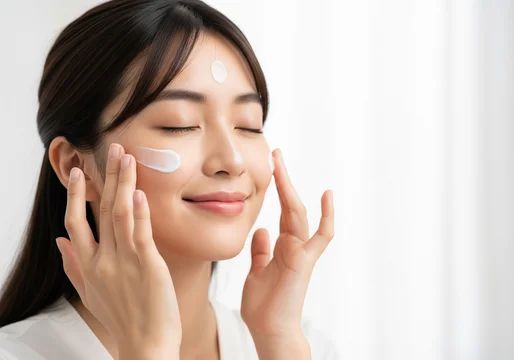
The best face cream for skin whitening is one that helps improve the appearance of dark spots, dullness, and uneven skin tone without trying to change your natural skin colour. Look for suitable brightening ingredients, moisturising support, and a routine that includes broad-spectrum sunscreen.
For daily hydration and a more radiant-looking complexion, Wildflower Naturals' Kumkumadi & Donkey Milk Brightening Face Cream is one option to consider. The right choice depends on your skin type, the cause of pigmentation, and the ingredients your skin tolerates.
If you are searching for which face cream is best for skin whitening, the answer lies in selecting a product that targets pigmentation, hydrates the skin, and uses suitable ingredients. Many products promise instant fairness, but harsh or unverified formulations can irritate the skin. A better approach is to focus on healthy-looking radiance, a more even-looking complexion, and consistent sun protection. You can also browse the wider range of face care products to see what is available.
What Does Skin Whitening Really Mean?
Skin Whitening Versus Skin Brightening
The term skin whitening is often misunderstood. A face cream cannot safely and permanently change your natural skin colour. Skin brightening instead focuses on improving the appearance of dullness, dark spots, and uneven pigmentation.
When choosing a face cream, look beyond instant-fairness claims. Consider the formulation, its intended purpose, your skin type, and whether the product contains ingredients appropriate for your concerns. For a routine that builds from the basics, you can read this guide on step by step face care.
How Melanin Production Affects Skin Tone
Melanin is the pigment responsible for skin colour. Sun exposure, inflammation, hormonal changes and acne can contribute to areas of increased pigmentation. The cause and depth of pigmentation influence which treatments may help.
Brightening skincare can support a more even-looking complexion, but persistent or worsening pigmentation may need assessment by a dermatologist. Since sun exposure plays a part in pigmentation, this guide on face care in summer may also help.
Why Gentle Brightening Is Safer Than Bleaching
Harsh or unverified whitening creams may contain ingredients that irritate, thin or otherwise damage the skin. Choose products with transparent ingredient lists and realistic claims rather than promises of dramatic colour changes in a few days.
What Ingredients Make a Face Cream Effective for Skin Whitening?
When deciding which face cream is best for skin whitening, check the ingredients instead of relying on marketing claims.
|
Ingredient |
What It Does |
Best For |
|
Niacinamide |
Supports the skin barrier and can improve the appearance of uneven tone |
Dullness and uneven-looking skin |
|
Vitamin C |
Provides antioxidant support and may help improve the appearance of dark spots |
Dullness and sun-related pigmentation |
|
Hyaluronic Acid |
Attracts and retains moisture |
Dry or dehydrated skin |
|
Rosehip Oil |
Nourishes and softens the skin |
Dryness and rough texture |
|
Kumkumadi Oil |
A traditional Ayurvedic skincare ingredient used in radiance-focused routines |
Dull-looking skin |
|
Donkey Milk |
Provides moisturising and conditioning components |
Dry or rough-feeling skin |
These ingredients do not all work in the same way. Hyaluronic acid primarily supports hydration, while niacinamide and vitamin C have more direct relevance to uneven tone. Results depend on the complete formulation, ingredient concentration, and regular use.
Wildflower Naturals' Kumkumadi & Donkey Milk Brightening Face Cream lists Kumkumadi Tailam, Donkey Milk, Hyaluronic Acid, Rosehip Oil, Niacinamide, and Aloe Vera Extract among its ingredients. The product is positioned as a daily moisturiser for hydration and a more radiant-looking complexion.
How Do Skin Whitening and Brightening Creams Work?
Brightening creams can support a more even-looking complexion through several different mechanisms. Their effects depend on the active ingredients and the type of pigmentation being treated.
-
Supporting more even pigmentation: Ingredients such as niacinamide may help reduce the transfer of melanin to surrounding skin cells, improving the appearance of uneven tone.
-
Providing antioxidant support: Vitamin C helps counter oxidative stress caused by environmental factors and may help improve the appearance of some forms of pigmentation.
-
Maintaining hydration: Humectants such as hyaluronic acid attract water, helping skin appear smoother, softer, and less dull. Hydration alone does not remove pigmentation.
-
Supporting the skin barrier: Moisturisers help reduce water loss and maintain skin comfort, which can make a skincare routine easier to tolerate.
-
Reducing further sun-related darkening: Broad-spectrum sunscreen helps protect against UV exposure that can worsen pigmentation and undermine brightening efforts.
A brightening moisturiser is not the same as a prescription treatment for melasma or other persistent pigmentation conditions. If dark patches are spreading, changing, or not improving, consult a dermatologist rather than repeatedly switching creams.
Safe vs Harmful Ingredients in Skin Whitening Creams
Ingredient safety depends on the substance, its concentration, the product's quality, and how it is used. Not every synthetic ingredient is harmful, and not every natural ingredient is automatically safe.
Ingredients Commonly Used in Brightening Skincare
-
Niacinamide: A widely used cosmetic ingredient that supports the skin barrier and can improve the appearance of uneven tone.
-
Vitamin C: An antioxidant used in skincare to help improve radiance and the appearance of pigmentation.
-
Azelaic acid: Can help with acne-related marks and some pigmentation conditions. Stronger formulations may require professional guidance.
-
Alpha-arbutin: Used in some cosmetic products targeting uneven-looking skin tone. Follow the product directions and avoid combining multiple strong actives without a clear reason.
-
Moisturising ingredients: Glycerin, hyaluronic acid and similar ingredients help maintain hydration and skin comfort.
Ingredients and Products That Require Caution
-
Mercury: Mercury-containing skin-lightening products can cause serious health problems. Avoid products with mercury or unclear, untrustworthy ingredient labelling.
-
Topical corticosteroids: Steroid creams should not be used as everyday fairness products. Unsupervised or prolonged facial use can cause skin thinning, visible blood vessels, acne-like eruptions and other complications.
-
Hydroquinone: This ingredient can be prescribed for certain pigmentation concerns, but it is not appropriate for indiscriminate or unsupervised use. Ask a qualified clinician whether it is suitable for you.
-
Unlabelled or unverified bleaching creams: Avoid products that conceal their ingredients or promise dramatic whitening without credible product information.
Patch-test new skincare products before regular use, especially if your skin is sensitive. Stop using a product if it causes persistent burning, swelling, or significant irritation, and seek medical advice when necessary.
Best Face Creams for Skin Whitening: Product Comparison
Compare the product's main purpose, listed ingredients, and price before buying. SPF is included only where it is stated in the product name or available listing; a moisturiser should not be treated as sunscreen unless its sun-protection claim is verified.
|
Product |
Key Ingredient |
SPF |
Price |
Skin Type |
Buy Link |
|
Kumkumadi & Donkey Milk Brightening Face Cream |
Niacinamide, Kumkumadi Tailam, Hyaluronic Acid |
Not listed in the supplied product details |
₹1,250 |
Listed as suitable for all skin types |
|
|
Skin Renewal Cream with Vitamin C |
Vitamin C and botanical extracts |
Not verified |
₹895 |
Check current product directions |
|
|
Kumkumadi & Donkey Milk Face Serum |
10% Niacinamide and 2% Alpha Arbutin |
Not listed |
₹1,165 |
Listed for normal, oily, combination, and dry skin |
|
|
Kumkumadi & Donkey Milk SPF 50 Dew Drops Invisible Sunscreen |
UV protection with hydrating ingredients |
SPF 50, as stated in the product name |
₹899 |
Check current product directions |
Prices may change. Verify current availability, product details and suitability on the linked pages before purchase. The sunscreen is included as a complementary daytime product, not as a whitening cream.
Which Wildflower Naturals Product Should You Consider?
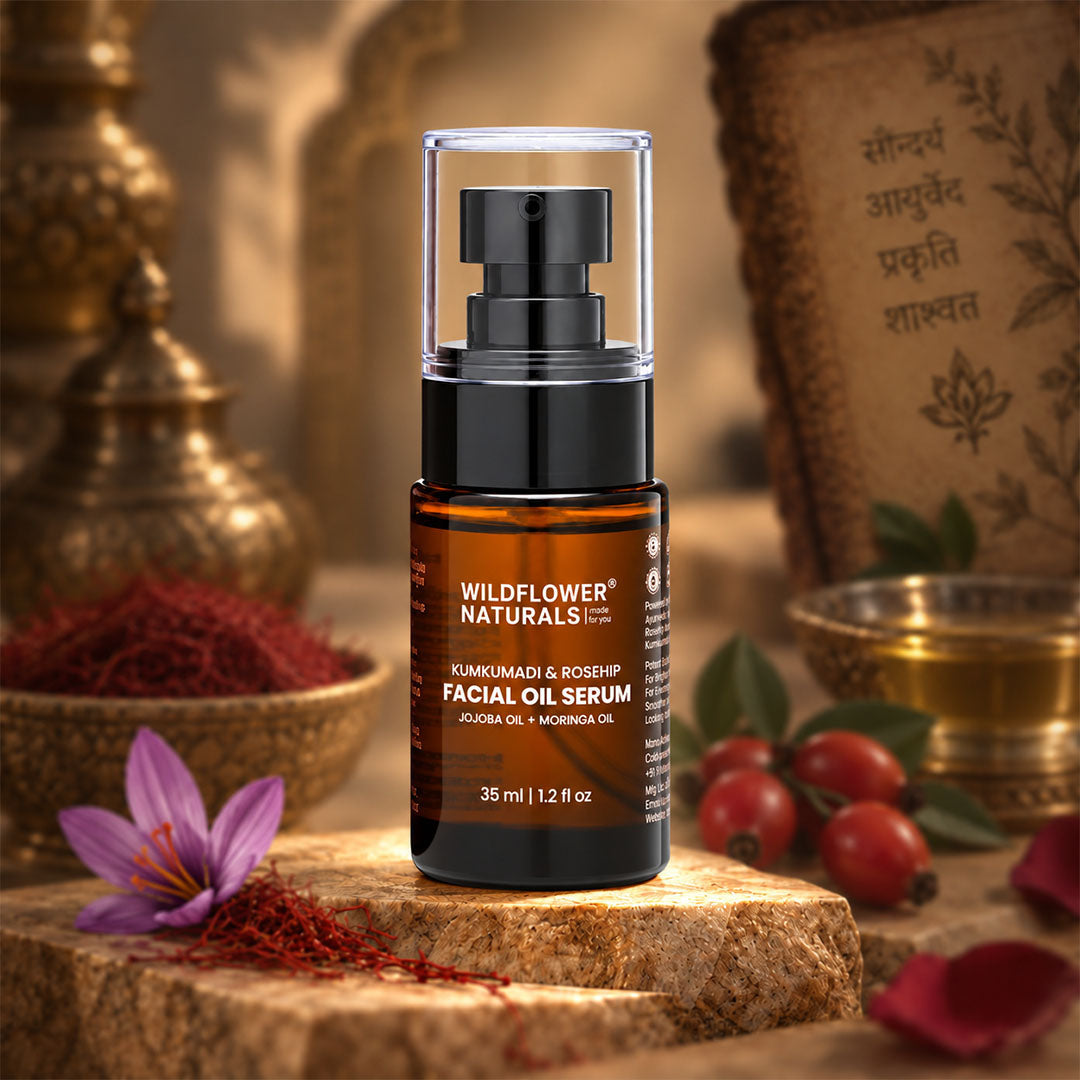
For everyday hydration and dull-looking skin, the Kumkumadi & Donkey Milk Brightening Face Cream is a relevant starting point because its listed ingredients include niacinamide, hyaluronic acid, rosehip oil and aloe vera. If you specifically want a serum with named brightening actives, compare it with the brand's niacinamide and alpha-arbutin serum.
Neither product should be assumed to remove all dark spots or change your natural skin colour. Use a separate sunscreen unless your moisturiser has verified sun protection.
How to Choose the Best Face Cream for Your Skin Type
The effectiveness of a cream depends on the formulation, your skin type and the concern you want to address. If your skin is oily, this guide to a face care routine for oily skin can help you plan the rest of your routine.
-
For oily and acne-prone skin: Look for lightweight, non-comedogenic moisturisers. Niacinamide may help improve the appearance of uneven tone, but no cream can guarantee that breakouts will be prevented.
-
For dry and dull skin: Choose moisturisers containing humectants and emollients, such as hyaluronic acid and nourishing oils, to improve softness and hydration.
-
For sensitive skin: Prefer fragrance-free or minimally fragranced formulations with a short, transparent ingredient list. Patch-test first; botanical ingredients can also cause reactions.
-
For pigmentation and post-acne marks: Consider appropriate brightening actives and daily sunscreen. Persistent or severe pigmentation may require dermatologist-directed treatment.
-
For combination skin: Choose a formula that moisturises dry areas without feeling excessively heavy on oilier areas.
What Results Can You Expect From a Brightening Face Cream?
A suitable brightening moisturiser may help improve hydration, softness and the appearance of dullness. Products containing appropriate brightening actives may also help improve uneven-looking tone over time.
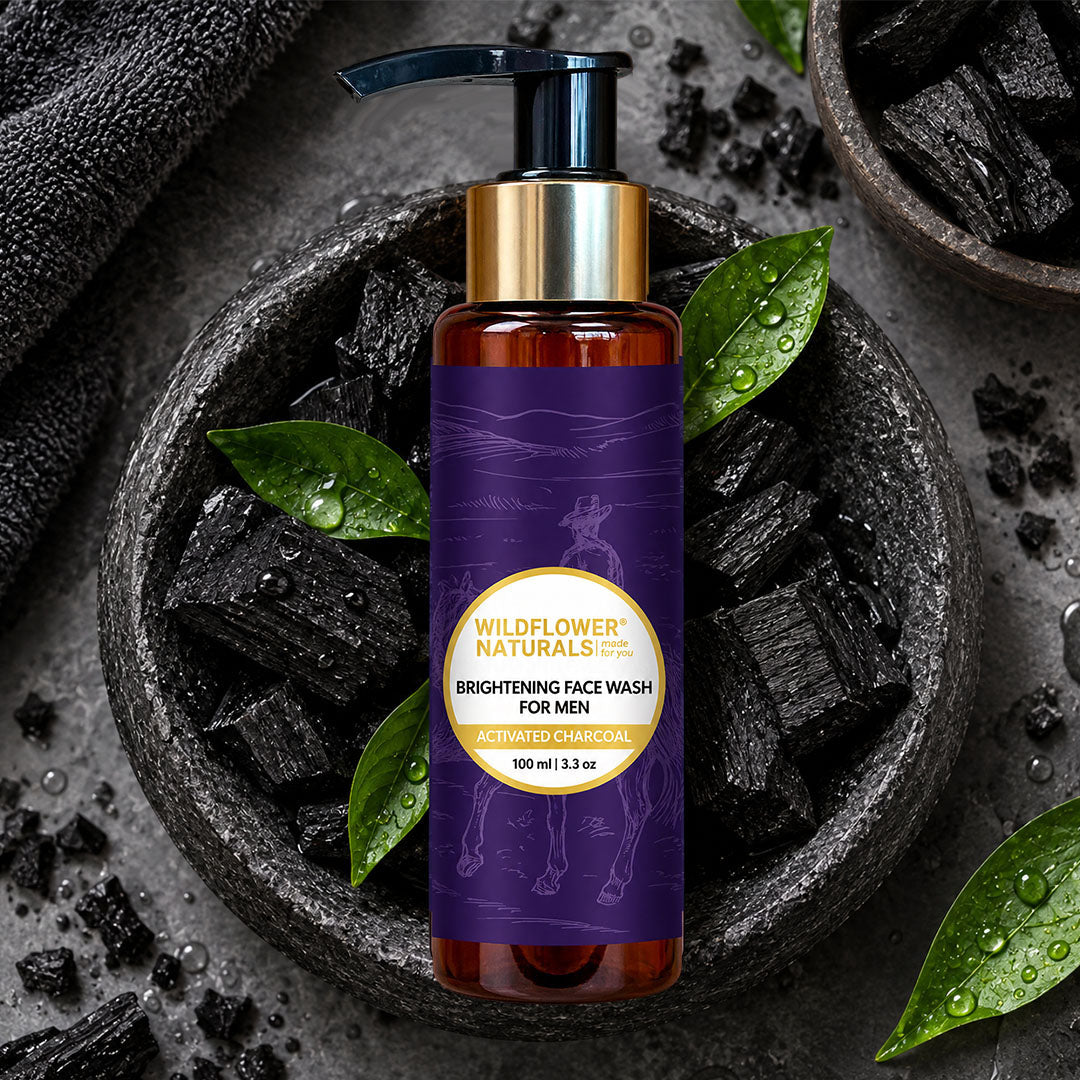
Results vary with the cause of pigmentation, the formulation, consistency and sun exposure. Do not judge a product solely by immediate glow, and do not assume that smoother or more hydrated skin means that deeper pigmentation has been treated. If you are shopping for a partner, the range of men’s face care products may be a useful starting point.
Before-and-after photographs should only be used when they show genuine, documented results under comparable conditions.
Common Mistakes to Avoid When Using Skin Whitening Creams
-
Using unverified creams or facial steroid products for fairness.
-
Skipping sunscreen during the day.
-
Expecting overnight changes in pigmentation.
-
Combining multiple strong active ingredients without considering irritation.
-
Exfoliating too frequently or continuing products that cause persistent irritation.
-
Switching products before allowing a suitable routine enough time to show an effect.
-
Assuming that a natural or Ayurvedic label guarantees safety or effectiveness.
A Simple Routine for More Even-Looking Skin
Morning
-
Cleanse with a gentle cleanser.
-
Apply a suitable moisturiser or brightening product.
-
Apply broad-spectrum SPF 30 or higher sunscreen. Reapply as directed, especially after sweating, swimming or prolonged outdoor exposure.
Evening
-
Cleanse gently to remove sunscreen, dirt, and makeup.
-
Apply a suitable brightening product according to its directions.
-
Use a moisturiser to maintain hydration and skin comfort.
Introduce new active ingredients gradually. You do not need multiple serums, exfoliants, or masks to build an effective routine. A simple men’s face care kit can also keep a routine compact for anyone who prefers fewer steps.
Why Ingredient Suitability Matters More Than Marketing
When deciding which face cream is best for skin whitening, look beyond words such as “instant fairness” or “miracle glow.” A useful product should have transparent labelling, a clear purpose, and ingredients that suit your skin.
A well-chosen routine combines appropriate moisturising support, targeted ingredients where needed, and consistent sun protection. For persistent pigmentation, professional assessment is more useful than relying on cosmetic claims alone.
Wildflower Naturals Product Spotlight: Kumkumadi & Donkey Milk Brightening Face Cream
Wildflower Naturals' Kumkumadi & Donkey Milk Brightening Face Cream combines traditional Ayurvedic skincare ingredients with commonly used moisturising and cosmetic actives. According to the product listing, its formula includes:
-
Kumkumadi Tailam: A traditional Ayurvedic skincare ingredient associated with radiance-focused routines.
-
Donkey Milk: A conditioning ingredient used to help nourish and soften the skin.
-
Hyaluronic Acid: Helps attract and retain moisture.
-
Rosehip Oil: Helps condition dry skin and improve softness.
-
Niacinamide: Supports the skin barrier and the appearance of a more even complexion.
-
Aloe Vera Extract: Helps moisturise and soothe the skin.
The product is positioned as a daily moisturiser for dull, dry or uneven-looking skin. Its suitability depends on individual tolerance, and its ingredient list alone does not establish that it will treat every form of pigmentation.
Shop the Kumkumadi & Donkey Milk Brightening Face Cream or explore the Skin Brightening Cream Collection.
Final Verdict
The best face cream for skin whitening is one that supports a healthy-looking, more even complexion rather than promising to change your natural skin colour. Choose ingredients according to your concern, prioritise hydration and skin-barrier health, and use sunscreen consistently.
For daily moisture and radiance-focused skincare, Wildflower Naturals' Kumkumadi & Donkey Milk Brightening Face Cream is one option to compare. If pigmentation is persistent or severe, seek advice from a dermatologist about suitable treatments.
Frequently Asked Questions
Q1. How do skin brightening creams affect melanin production?
Some brightening ingredients influence processes involved in pigmentation or the transfer of melanin to skin cells. Their effects vary, and moisturisers alone do not necessarily reduce melanin production.
Q2. Can niacinamide and vitamin C be used together for pigmentation?
They can often be used in the same skincare routine if the formulations suit your skin. Introduce products gradually and stop if persistent irritation develops.
Q3. Is hydroquinone safe to use in a face cream?
Hydroquinone can be useful for certain pigmentation conditions under appropriate medical guidance. Avoid unverified products and unsupervised long-term use.
Q4. Which ingredients should you avoid in unverified whitening creams?
Avoid mercury-containing products and creams with undisclosed ingredients. Do not use topical steroids on your face for fairness unless a qualified clinician has prescribed them for a specific condition.
Q5. Does a skin brightening cream need SPF?
Not necessarily, but daytime sun protection is important when managing uneven pigmentation. Use a separate broad-spectrum sunscreen if your moisturiser does not provide verified SPF protection.
Q6. Can a brightening moisturiser help with post-acne marks?
It may help improve the appearance of some post-acne marks, depending on the ingredients and the type of mark. Persistent or indented acne scars usually need different treatment.
Q7. How do you choose a brightening cream for oily or sensitive skin?
For oily skin, consider a lightweight, non-comedogenic formula. For sensitive skin, prioritise gentle formulations, patch-test new products, and avoid ingredients that trigger irritation.
Q8. When should you see a dermatologist for persistent dark spots?
Seek professional advice if pigmentation is worsening, changing unexpectedly, spreading, or not improving with a suitable routine. A dermatologist can help identify the cause and recommend appropriate treatment.





Leave a comment
This site is protected by hCaptcha and the hCaptcha Privacy Policy and Terms of Service apply.