

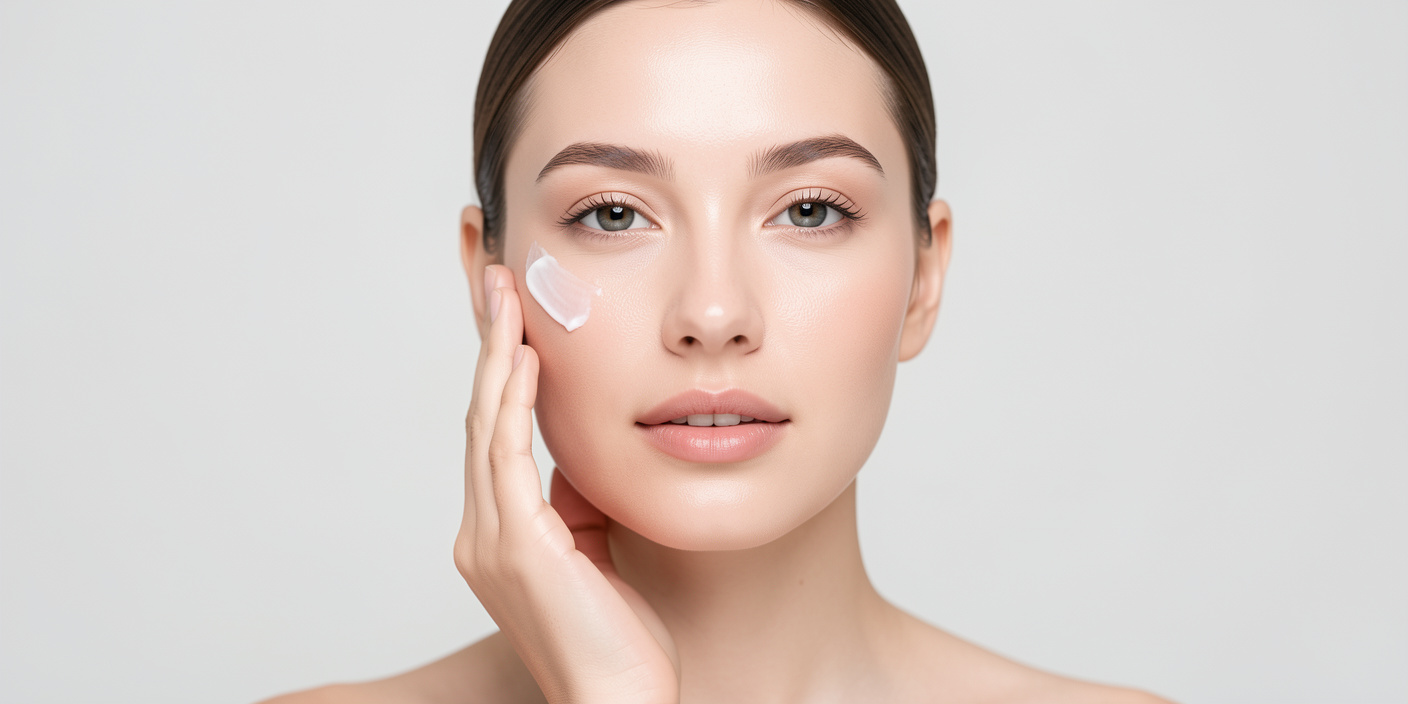
Quick Answer: The best SPF sunscreen provides broad-spectrum protection against both UVA and UVB rays, suits your skin type, and feels comfortable for daily use. SPF 30 to 50 is ideal for most skin types. Reapplication every two to three hours is essential. Ingredients like zinc oxide and titanium dioxide protect sensitive skin, while antioxidants and hydrating components enhance overall skin health.
If you are wondering which SPF sunscreen is best, the answer goes beyond just choosing a high SPF number. A good sunscreen shields your skin from sunburn, premature aging, dark spots, and long-term UV damage. The right formula should combine protection, comfort, and skincare benefits. For everyday wear, a broad-spectrum SPF 30 to SPF 50 sunscreen is usually sufficient, while a higher SPF may be needed for prolonged outdoor exposure. Choosing the correct sunscreen also depends on your skin type, lifestyle, and desired finish, making this guide essential for anyone looking to protect their skin effectively in 2026. For a complete routine, pairing sunscreen with high-quality skin care products for women ensures balanced hydration and protection throughout the day.
Understanding SPF: What It Really Means
What Is SPF and How Does It Protect Your Skin?
SPF, or Sun Protection Factor, is a measure of how well a sunscreen protects the skin from UVB rays, which are primarily responsible for sunburn. It does not measure UVA protection, which penetrates deeper into the skin and causes aging and long-term skin damage.
Different SPF levels provide different levels of UVB protection
- SPF 15 blocks approximately 93 percent of UVB rays
- SPF 30 blocks approximately 97 percent of UVB rays
- SPF 50 blocks approximately 98 percent of UVB rays
- SPF 100 blocks approximately 99 percent of UVB rays
While the increase in protection between SPF 30 and SPF 50 may seem small numerically, it provides significant benefits for sensitive skin, extended outdoor activities, and preventing cumulative sun damage over time. If your goal is to choose which SPF sunscreen is best for everyday protection, you should also look for broad-spectrum formulas that protect against UVA rays.
Broad-Spectrum Protection: UVA and UVB Explained
UV radiation consists of UVA and UVB rays, both of which can harm your skin.
- UVA rays penetrate deep into the skin, causing wrinkles, loss of elasticity, pigmentation, and long-term skin damage.
- UVB rays are responsible for immediate sunburn, redness, and irritation, especially during peak sun hours.
The best SPF sunscreen is always broad-spectrum, meaning it shields your skin from both UVA and UVB rays. Choosing a sunscreen with broad-spectrum protection ensures comprehensive defense against both short-term and long-term skin damage.
PA Ratings and Why They Matter
Many sunscreens also include a PA rating, which measures protection against UVA rays.
- PA plus PA indicates minimal UVA protection
- PA double plus PA double plus indicates moderate UVA protection
- PA triple plus PA triple plus indicates strong UVA protection
- PA quadruple plus PA quadruple plus indicates extremely strong UVA protection
For daily use, a PA+++ rating is recommended, particularly for sensitive, fair, or sun-exposed skin. When considering which SPF sunscreen is best, always check the PA rating to ensure effective UVA protection — for a complete breakdown, the PA rating in sunscreen explained guide covers every tier and what each level means for your skin.

Which SPF Sunscreen Is Best for Your Skin Type
Choosing Based on Skin Concerns
The best sunscreen is one that not only protects from the sun but also suits your skin type and concerns.
For oily or acne-prone skin:
- Lightweight gels or fluid formulations that absorb quickly
- Non-comedogenic properties that do not clog pores
- Matte or semi-matte finish to reduce excess shine
If you struggle with excess oil, exploring dedicated oily skin care products can help balance sebum while maintaining daily SPF protection.
For dry or sensitive skin:
- Creamy, hydrating sunscreens enriched with aloe vera, hyaluronic acid, or plant oils
- Soothing botanicals and anti-irritants to prevent redness or irritation
- Comfortable, nourishing textures that do not leave skin tight or dry
Those with dryness concerns may benefit from combining sunscreen with nourishing dry skin care products to strengthen the skin barrier.
For tinted or invisible textures:
- Invisible or lightly tinted sunscreens prevent white cast, particularly on darker skin tones
- Smooth finish allows for layering under makeup
- Ideal for daily urban wear, providing both protection and cosmetic compatibility
Understanding which SPF sunscreen is best for your skin type ensures that sun protection feels comfortable and integrates seamlessly into your skincare routine.
Key Ingredients That Make a Great SPF
Essential UV Filters
The active ingredients in sunscreen determine its effectiveness:
- Physical filters like zinc oxide and titanium dioxide are gentle and ideal for sensitive skin
- Chemical filters like avobenzone, octocrylene, or oxybenzone are lightweight and provide strong UV absorption
- A combination of physical and chemical filters can offer optimal protection and comfortable application
Skincare Benefits Beyond Protection
The best sunscreens also provide additional skin benefits:
- Antioxidants such as green tea extract, vitamin C, or vitamin E combat free radical damage
- Hydrating ingredients like hyaluronic acid or glycerin maintain skin moisture throughout the day
- Botanicals such as chamomile, aloe vera, or licorice root soothe irritation and calm sensitive skin
If you want to choose which SPF sunscreen is best for overall skin health, consider formulas that combine UV protection with nourishing ingredients.
Comparing Popular Choices and Common Mistakes
Daily SPF vs Outdoor High-Intensity SPF
- For most urban or indoor routines, SPF 30 is usually adequate
- For prolonged outdoor activities, beach days, or high UV exposure, SPF 50 or higher is recommended
- Choosing the right SPF ensures adequate protection without overloading the skin with thick or heavy layers
How Often to Reapply SPF
- Sunscreen is only effective if applied correctly and reapplied as needed
- Reapply every two to three hours during prolonged sun exposure
- Reapply after sweating, swimming, or towel drying
- Light layers of sunscreen can be applied over makeup without reducing protection
Common Missteps People Make
- Skipping sensitive areas such as ears, neck, hands, and the back of the knees
- Applying too little sunscreen to achieve full SPF protection
- Choosing SPF that blocks only UVB rays and neglects UVA protection
Being aware of these mistakes helps you make a more informed choice about which SPF sunscreen is best for everyday use.
Real-World Reviews: What Customers Are Saying
Customers consistently prefer sunscreens that combine lightweight textures, invisible finishes, and skincare benefits. Users report:
- Lightweight and non-greasy feel
- No white cast even on darker skin tones
- Hydration throughout the day
- Comfortable layering under makeup
- Effective broad-spectrum protection for extended outdoor exposure
For a complete personal care routine, many customers also complement their skincare with premium hair care products for women for holistic self-care. These real-world insights help you choose which SPF sunscreen is best for your lifestyle.
Choosing the Best SPF Sunscreen (2026 Verdict)
When evaluating which SPF sunscreen is best, look for the following criteria:
- Effectiveness: Broad-spectrum UVA + UVB protection
- Comfort: Lightweight, non-greasy, suitable for daily wear
- Skin benefits: Hydration, antioxidants, and botanicals for healthy skin
- Finish: Invisible or easy layering under makeup
A sunscreen that meets all these requirements provides reliable protection while supporting overall skin health. A sunscreen that meets all these requirements provides reliable protection while supporting overall skin health. For those still searching for a sunscreen that suits all skin types — one that balances protection, comfort, and skincare benefits — this verdict serves as a practical starting point. It also makes a thoughtful addition to curated routines, including a premium skin care gift set for him for everyday protection.
A Standout SPF Recommendation
If you are still asking which SPF sunscreen is best for everyday wear with skincare benefits, consider:
Wildflower Naturals Kumkumadi & Donkey Milk SPF 50 Dew Drops Invisible Moisturiser
- Broad-spectrum SPF 50 that protects against UVA and UVB rays
- Hydrating formula with hyaluronic acid and botanicals for nourished skin
- Invisible, dewy finish suitable under makeup or alone
- Lightweight, non-greasy texture for daily comfort
- Perfect for all skin types and lifestyles
Choosing this product ensures maximum protection and healthy, radiant skin throughout the year.
Read Our Latest Blog
night face care routine | daily face care routine | men's face care routine | face care routine for women | morning face care routine | skin care for oily face | face care routine for oily skin | step by step face care | face care in summer | skin care routine for men | skin care for men | hair care routine for men | best skin care routine for men | lip care for men
Frequently Asked Questions
Q1. Can I use SPF every day at home?
Ans: Yes, even indoor lighting and screens emit UV rays. Daily SPF prevents long-term damage and early signs of aging.
Q2. Is SPF 50 overkill?
Ans: SPF 50 is ideal for sensitive skin, prolonged outdoor exposure, or high UV intensity. It provides nearly complete UVB protection while remaining safe for daily use.
Q3. Should SPF be reapplied on cloudy days?
Ans: Yes, up to 80 percent of UV rays penetrate clouds. Regular reapplication ensures consistent protection.
Q4. Can I layer SPF under serums or moisturizers?
Ans: Yes, apply sunscreen as the final step before makeup or after lightweight serums to maintain maximum efficacy.
Q5. Does sunscreen expire?
Ans: Most sunscreens remain effective for 2 to 3 years. Always check the expiration date to ensure proper protection.
Q6. Are chemical sunscreens harmful?
Ans: Modern chemical sunscreens are rigorously tested for safety. Sensitive skin may prefer physical blockers such as zinc oxide.
Q7. Does SPF prevent aging?
Ans: Broad-spectrum SPF protects against UVA rays, which are the main cause of premature wrinkles, pigmentation, and loss of elasticity.
Q8. How much sunscreen should I use?
Ans: Apply approximately one teaspoon for the face and one shot-glass amount for the body to achieve the SPF listed on the label. Under-application reduces effectiveness.




Leave a comment
This site is protected by hCaptcha and the hCaptcha Privacy Policy and Terms of Service apply.