

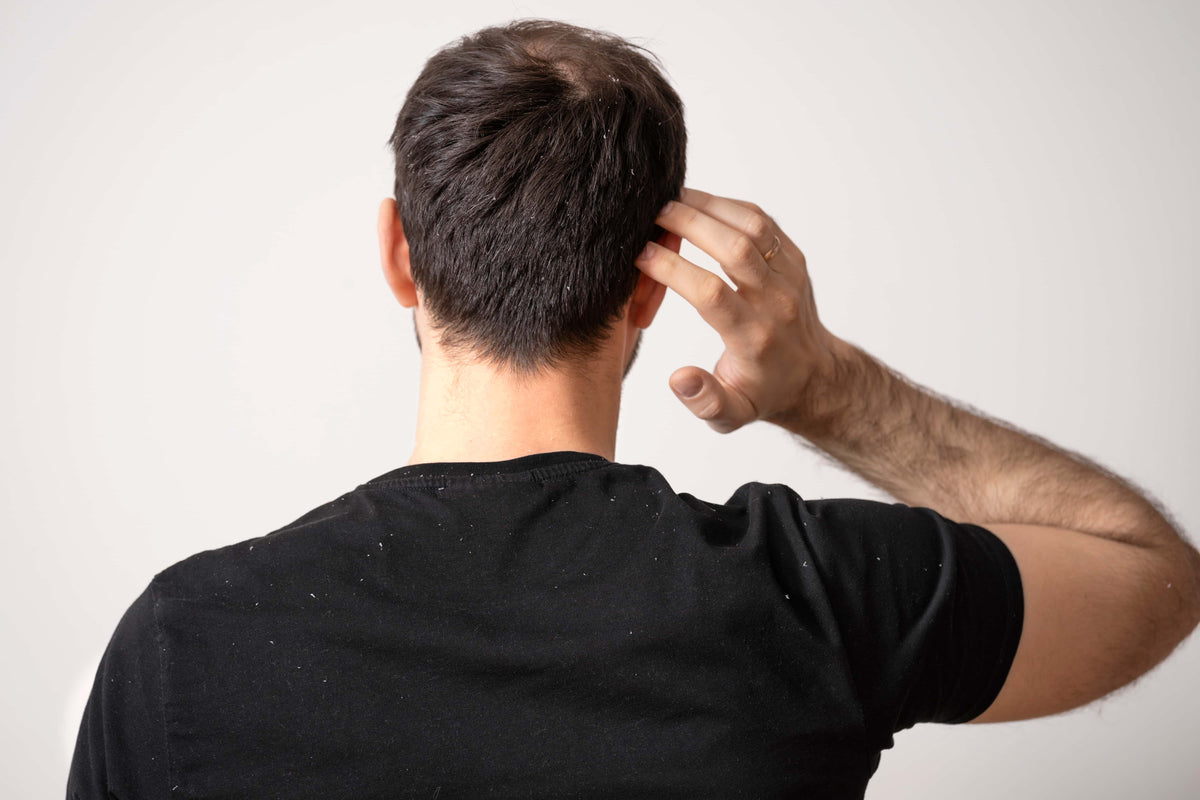
Dandruff and dry scalp can both cause flakes and itching, but they are not the same. Dandruff is commonly linked to scalp oil, yeast activity, and irritation, while a dry scalp is associated with reduced moisture. Looking at the type of flakes, scalp feel, and oiliness can help you understand the difference.
Seeing white flakes on your shoulders can be confusing. Dandruff vs dry scalp is a common question because both can cause itching and visible flaking. The key difference is that dandruff is generally associated with scalp oil and irritation, while dryness reflects a lack of moisture. But what should you do when the signs overlap?
Dandruff vs Dry Scalp: What’s the Difference?
Although the terms are often used interchangeably, dandruff and dry scalp describe different scalp concerns. Understanding the distinction can help you choose a more suitable haircare routine instead of treating every type of flaking in the same way.
|
Factor |
Dandruff |
Dry Scalp |
|
Common association |
Oiliness, yeast activity and scalp irritation |
Reduced moisture |
|
Flakes |
May be larger, white or yellowish, and sometimes oily |
Usually smaller, white and dry |
|
Scalp feel |
Can feel itchy or irritated and may be oily |
Often feels tight, dry or uncomfortable |
|
Oil production |
May be higher |
May be normal or lower |
|
Common triggers |
Oil, stress, buildup and certain scalp conditions |
Dry weather, overwashing and harsh products |
|
Hair feel |
Can appear greasy |
May feel dry or rough |
A simple rule of thumb is this: dry scalp tends to be a moisture issue, while dandruff is more closely associated with scalp oil, yeast activity and inflammation. However, flakes alone cannot confirm the cause.
What Is Dandruff?
Dandruff is a common scalp condition that causes visible flaking. It can be associated with excess oil, sensitivity to scalp yeast called Malassezia, irritation and certain inflammatory scalp conditions.
Unlike simple dryness, dandruff often occurs on an oilier scalp. The flakes may appear white or yellowish and can be more noticeable around the hairline, crown or on dark clothing.
Common Signs of Dandruff
You may notice:
- White or yellowish flakes
- An itchy scalp
- Oily or greasy scalp
- Recurrent flaking
- Scalp irritation
- Flakes that become more noticeable between washes
Dandruff can also vary in severity. Occasional mild flaking may respond to changes in your haircare routine, while persistent or severe symptoms may require advice from a dermatologist.
What Is a Dry Scalp?
A dry scalp occurs when the scalp does not retain enough moisture, which can leave the skin feeling tight, uncomfortable or flaky. Environmental conditions and haircare habits can play a role.
Cold or dry weather, very hot water, frequent washing and unsuitable cleansing products may contribute to scalp dryness. In some cases, an underlying skin condition can also cause dryness and scaling.
Common Signs of a Dry Scalp
Typical signs include:
- Small, dry white flakes
- A tight-feeling scalp
- Dryness after washing
- Mild itching
- Dry or rough-feeling hair
- Increased discomfort in cold or dry weather
If your scalp feels tight immediately after washing and the flakes are fine and powdery, dryness may be contributing to the problem.
Dandruff vs Dry Scalp Symptoms: How Can You Tell Which One You Have?
When comparing dandruff vs dry scalp, the most useful clues are not just the presence of flakes. Consider the overall condition of your scalp.
Look at the Flakes
Dry scalp flakes are generally small, light, and powdery. Dandruff flakes can be larger and may look oily or yellowish, particularly when the scalp is producing more sebum.
However, appearance is not a diagnosis. Different scalp conditions can produce similar-looking flakes.
Pay Attention to Your Scalp
Does your scalp feel oily, irritated, and itchy? Dandruff may be more likely.
Does it feel tight, dry, or uncomfortable, especially after cleansing? Dryness may be playing a larger role.
Notice How Your Hair Feels
A dry scalp may occur alongside dry, rough-feeling hair, particularly if the haircare routine is stripping away too much natural oil.
Dandruff, on the other hand, can occur with an oily scalp, meaning the roots may look greasy even while flakes are visible.
Think About When It Started
Consider whether the flaking appeared after:
- Changing shampoo
- Washing your hair more frequently
- Spending time in dry or cold weather
- Using more styling products
- Experiencing increased stress
- Changing your usual haircare routine
These details can help you identify patterns and decide whether your routine needs adjusting.
What Causes Dandruff?
Dandruff does not have one single cause. Several factors can contribute to a flaky, irritated scalp.
Scalp Oil and Sebum
An oily scalp can create an environment in which dandruff becomes more noticeable. Sebum is a natural part of scalp health, but changes in oil production can influence flaking and irritation.
Malassezia
Malassezia is a type of yeast naturally found on the skin. In some people, sensitivity to this microorganism and the scalp environment can contribute to dandruff.
Stress and Lifestyle Factors
Stress does not automatically cause dandruff, but it may contribute to flare-ups or make existing scalp concerns harder to manage. Sleep, nutrition, and general wellbeing can also influence how consistently you maintain a haircare routine.
Product Buildup and Haircare Habits
Styling products can accumulate on the hair and scalp when they are not cleansed appropriately. Heavy buildup may contribute to an uncomfortable scalp and make existing flakes more noticeable.
This is why a balanced cleansing routine matters, particularly if you regularly use waxes, gels, sprays or other styling products.
What Causes a Dry Scalp?
Dryness can develop for several everyday reasons, and sometimes a small change in your routine can make a noticeable difference.
Cold or Dry Weather
Low humidity can reduce moisture in the skin, including the scalp. You may notice more tightness or flaking during colder months or when spending considerable time in dry indoor environments.
Overwashing
Washing your hair too frequently can remove some of the scalp's natural oils. If your scalp is already dry, excessive cleansing may leave it feeling even tighter.
Harsh Haircare Products
Strong cleansing formulas or products that do not suit your scalp can contribute to dryness or irritation. Choosing products according to your scalp and hair type is more useful than following a one-size-fits-all routine.
Hot Water
Long, hot showers may feel relaxing, but very hot water can leave skin feeling dry. Lukewarm water is generally a more comfortable choice for regular hair washing.
Underlying Skin Conditions
Conditions such as eczema or psoriasis can cause scaling, dryness and irritation. If symptoms are persistent, severe or unusual, it is better to consult a dermatologist rather than assuming the issue is ordinary dryness.
Dandruff vs Dry Scalp Treatment: What Can You Do?
The best approach depends on what is actually causing the flaking. A routine designed for an oily, dandruff-prone scalp is not necessarily the same as one intended for dryness.
How to Care for a Dandruff-Prone Scalp
If you suspect dandruff:
- Keep the scalp appropriately cleansed.
- Consider an anti-dandruff shampoo formulated for scalp flaking.
- Avoid excessive scratching.
- Rinse cleansing products thoroughly.
- Keep styling-product buildup under control.
- Follow the product directions rather than using more product than recommended.
If dandruff continues, becomes severe or is accompanied by significant redness or irritation, professional advice is appropriate.
How to Care for a Dry Scalp
For dryness, focus on preserving comfort and moisture:
- Avoid excessively hot water.
- Do not overwash your hair.
- Choose a gentle cleansing routine.
- Avoid products that leave your scalp feeling stripped.
- Pay attention to seasonal changes.
- Support dry hair with suitable nourishing care.
Hair oils can be part of a moisture-focused routine, particularly when dryness is accompanied by dry or brittle lengths. However, oil should not be treated as a cure for dandruff or a medical scalp condition.
For a botanical haircare ritual, Hair Revival Oil with Essential Herbs to Curb Hairfall is one Wildflower Naturals option positioned around hair and scalp nourishment, hydration and strengthening, part of a broader range of men's hair care products built around similar concerns. The brand's own guidance also notes that hair oils can help with moisture, shine and reducing breakage.
Can Dandruff and Dry Scalp Happen Together?
Yes, scalp concerns can overlap. Someone may have a dry-feeling scalp while also experiencing dandruff-related flaking, making it difficult to identify the cause based on flakes alone.
This is one reason dandruff vs dry scalp should not be approached as a simple either-or question. Look at the complete picture: scalp oiliness, the appearance of flakes, itching, tightness, recent product changes and how long the symptoms have been present.
If your symptoms keep returning despite reasonable haircare changes, a dermatologist can help determine whether another scalp condition is involved.
Haircare Habits That Can Help Keep Your Scalp Balanced
A healthy scalp routine does not need to involve a dozen products. Consistency and choosing products according to your scalp's needs are more important, and our hair care products for women collection reflects this same approach.
Choose Products According to Your Scalp
If your scalp is oily and prone to flaking, prioritise appropriate cleansing. If it feels dry and tight, avoid routines that leave it feeling stripped. This guide on curly hair care routine offers a useful example of adapting products to scalp and hair needs.
Avoid Excessive Washing
There is no universal washing schedule. Your ideal frequency depends on your scalp, hair type, activity level and environment.
Don't Scratch Flakes
Scratching can irritate the scalp further and may damage the skin. If itching is persistent, address the underlying concern rather than repeatedly scratching the affected area.
Rinse Shampoo Thoroughly
Product residue can make hair feel heavy and may contribute to buildup. Take the time to rinse your scalp and lengths properly.
Keep Styling Product Buildup Under Control
Styling products can be useful, but using too much or leaving substantial residue on the hair for prolonged periods is not ideal for scalp comfort.
For example, Hair Styling Wax for Men with Oudh and Sage is designed for flexible styling and hold. For more guidance on building a full routine around it, see these hair care tips for men. Wildflower Naturals' own haircare guidance recommends using a small amount and washing styling products out properly to minimise buildup.
Adjust Your Routine With the Seasons
Your scalp may need different care during dry winters, humid summers or periods of frequent outdoor exposure. Pay attention to how your scalp responds rather than following a rigid routine throughout the year.
When Should You See a Dermatologist?
Not every flaky scalp requires medical treatment, but persistent symptoms deserve attention.
Consider seeing a dermatologist if you experience:
- Severe or persistent itching
- Significant redness or inflammation
- Pain, sores or crusting
- Sudden or unexplained hair loss
- Thick or unusual scaling
- Symptoms that keep returning
- No improvement despite appropriate haircare
A dermatologist can distinguish dandruff from conditions such as seborrheic dermatitis, eczema, psoriasis or other causes of scalp scaling.
Most importantly, do not assume that a natural or cosmetic product can treat an underlying medical condition. Haircare products can support a healthy routine, but persistent scalp problems should be professionally evaluated. If you're comparing formulations in the meantime, this roundup of best hair care brands can help you make an informed choice.
Build a More Thoughtful Haircare Ritual With Wildflower Naturals
Understanding dandruff vs dry scalp is the first step toward making smarter haircare choices. Instead of treating every flake the same way, pay attention to what your scalp is telling you and build your routine around its actual needs.
Wildflower Naturals brings a botanical, artisanal approach to personal care, with haircare options designed to complement everyday grooming and nourishment. Hair Revival Oil with Essential Herbs to Curb Hairfall can be considered for a nourishment-focused routine, while Hair Styling Wax for Men with Oudh and Sage offers styling support when you want flexible hold and a natural finish.
Explore Wildflower Naturals and make scalp and hair care a more mindful part of your everyday self-care ritual.
Frequently Asked Questions
Q1. How can I tell if I have dandruff or a dry scalp?
Look at your flakes and how your scalp feels. Dandruff is often associated with an oily, itchy scalp and larger or yellowish flakes, while dry scalp tends to cause smaller, dry flakes and a tight feeling. These signs are not a diagnosis.
Q2. Can you have dandruff and a dry scalp at the same time?
Yes. Dryness and dandruff-related flaking can overlap, making symptoms difficult to identify. If flakes persist despite adjusting your routine, a dermatologist can help determine the underlying cause.
Q3. Is dandruff the same as a dry scalp?
No. Dandruff is commonly associated with scalp oil, yeast activity and irritation, whereas dry scalp is primarily related to insufficient moisture. Both can cause flakes and itching, which is why they are often confused.
Q4. Will washing my hair more often get rid of dandruff?
Not necessarily. Washing frequency should suit your scalp and the product being used. Overwashing can contribute to dryness, while inadequate cleansing may allow oil and buildup to accumulate.
Q5. What do dry scalp flakes look like?
Dry scalp flakes are generally small, light and white or powdery. The scalp may also feel tight or dry. Flakes alone cannot confirm the cause because several scalp conditions can produce similar symptoms.
Q6. Why does my scalp itch but have no visible dandruff?
Itching can have several causes, including dryness, irritation, product sensitivity or another scalp condition. If itching continues, becomes severe or is accompanied by redness or scaling, consider professional evaluation.
Q7. Is hair oil good for a dry scalp?
A suitable hair oil can help support moisture and scalp comfort when dryness is the concern. It should not, however, be considered a treatment for dandruff or a diagnosed scalp disorder.
Q8. What should I do if my flakes do not go away?
Review your cleansing and styling routine first, but seek professional advice if the flaking persists, becomes severe or occurs with redness, sores, significant itching or unexplained hair loss.




Leave a comment
This site is protected by hCaptcha and the hCaptcha Privacy Policy and Terms of Service apply.