

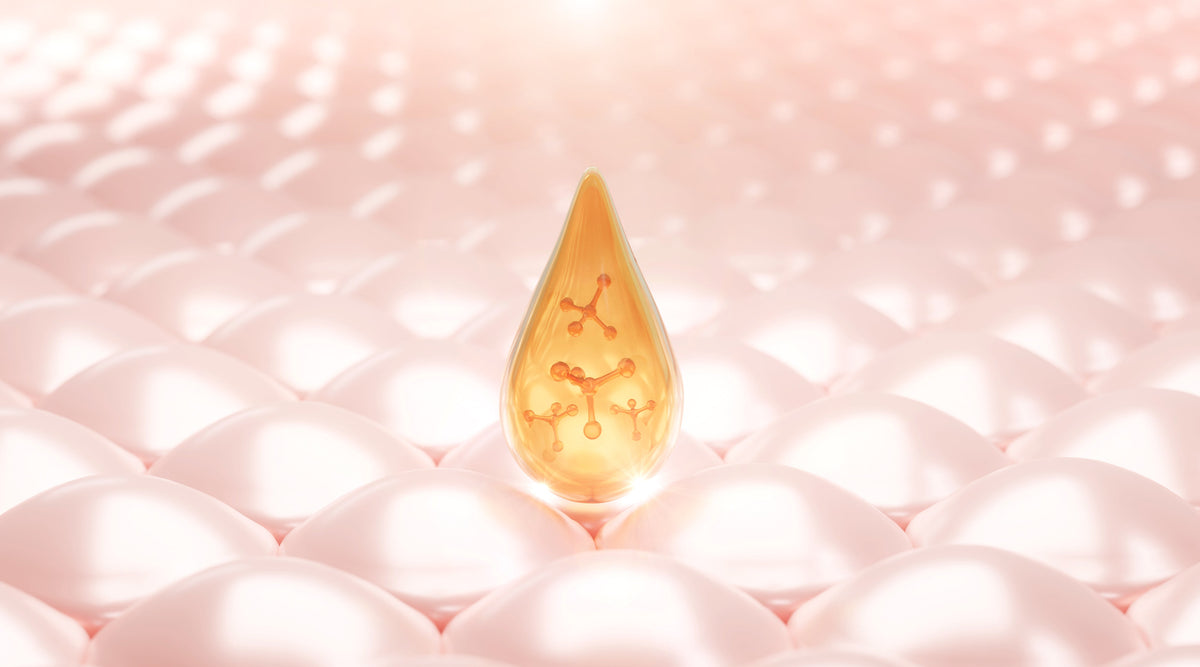
Ceramides for skin are naturally occurring lipids that help support the skin barrier and reduce moisture loss. In skincare, ceramide-based formulas are commonly used to moisturise dry-feeling skin, support barrier function and keep skin feeling comfortable and supple. They fit especially well into simple, consistent routines focused on hydration and barrier care.
If your skin often feels tight, rough or easily unsettled, understanding ceramides can help you build a more balanced routine. This guide from Wildflower Naturals explains what they do, who can benefit, how to use them and which ingredients pair well with them. Explore our face care products and find a routine that suits your skin. Your barrier may be asking for a simpler approach.
What Are Ceramides?
Ceramides are lipids naturally found in the outermost layer of the skin. Think of the skin barrier as a wall: skin cells are the bricks, while lipids such as ceramides help fill the spaces between them. This structure helps the skin hold onto moisture while maintaining a protective boundary against everyday environmental stressors.
Age, weather changes, cleansing habits and other external factors can affect the skin barrier. When its lipid balance is disrupted, skin may feel dry, tight or rough. That is why ceramides are common in moisturisers and barrier-focused skincare.
Why Are Ceramides Important in Skincare?
A well-supported barrier helps the skin maintain moisture and comfort. Ceramides work alongside other skin lipids, including cholesterol and fatty acids, rather than acting alone.
The goal is not to overwhelm the skin with products. A consistent routine built around gentle cleansing, moisturisation and daytime sun protection is usually more useful than constantly changing products.
What Do Ceramides Do for Skin?
Ceramides mainly support the skin barrier and moisture retention. When included in a well-formulated leave-on product, ceramides for skin can help skin feel less dry and more comfortable.
Support the Skin Barrier
They help reinforce the lipid matrix between skin cells, supporting the structure responsible for keeping moisture in and external stressors out.
Help Reduce Moisture Loss
When the barrier is functioning well, skin can hold onto water more effectively. This makes ceramide-based moisturisers particularly relevant to dry-feeling skin.
Keep Skin Feeling Soft and Comfortable
Dryness can leave skin feeling rough, flaky or tight. Barrier-supportive moisturisation can improve the feel and appearance of dry skin.
Complement an Active Routine
Retinol and exfoliating acids can sometimes leave skin feeling dry, especially when introduced too quickly. A suitable moisturiser can provide comfort while you build a more balanced routine.
Benefits of Ceramides for Skin
The benefits of ceramides for skin are best understood as part of consistent barrier care rather than as an overnight solution.
1. Support a Healthy Skin Barrier
Ceramides are naturally part of the skin's barrier lipids, so topical formulas containing them can help support this protective structure.
2. Help Maintain Moisture
They support moisture retention, making them useful in routines for dry-feeling or dehydrated-looking skin.
3. Improve the Feel of Dry Skin
A moisturising formula can help reduce the uncomfortable feeling associated with dryness and leave skin feeling softer.
4. Support Smoother-Looking Skin
Well-moisturised skin often looks more supple and feels smoother to the touch.
5. Help Maintain Skin Comfort
Barrier-focused care can be helpful when skin feels tight or unsettled after weather changes or frequent cleansing.
Who Can Benefit from Ceramides?
Ceramides can suit many skin types because barrier support is not limited to one concern. Understanding ceramides for skin by skin type can also help you choose a texture and routine that feel comfortable.
Ceramides for Dry Skin
Dry skin often benefits from creams that combine barrier-supportive ingredients with humectants and emollients. Wildflower Naturals' Kumkumadi & Donkey Milk Brightening Face Cream with Hyaluronic acid + Rosehip oil combines hyaluronic acid, rosehip oil, niacinamide, aloe vera, and donkey milk in a moisturising formula designed to hydrate and soften skin. It is a complementary moisturising option, not a ceramide product.
Ceramides for Sensitive Skin
Sensitive-feeling skin generally benefits from a straightforward routine. Introduce new products gradually, avoid unnecessary active layering, and patch-test when appropriate. Our organic face care products are formulated with this gentler approach in mind.
Ceramides for Oily Skin
Oily skin still needs hydration. Lightweight gel or lotion textures can help provide moisture without the heavy feel of a rich cream. For more on building this kind of routine, see our guide on skin care for oily face.
Ceramides for Acne-Prone Skin
Ceramides are not an acne treatment, but barrier-supportive moisturisation can complement an acne-focused routine, particularly if treatment products leave the skin feeling dry.
Ceramides for Mature Skin
As skin changes with age, maintaining hydration and comfort becomes increasingly important. A moisturiser with barrier-supportive ingredients can be a useful part of a mature-skin routine.
Types of Ceramides in Skincare
You may see different forms on cosmetic ingredient lists, including Ceramide NP, Ceramide AP and Ceramide EOP. Products can contain different blends and concentrations, so the word “ceramide” alone does not tell you everything about a formula.
Look at the complete ingredient list, texture and supporting moisturising ingredients, then choose according to your skin's needs.
How to Use Ceramides in Your Skincare Routine
Knowing how to use ceramides for skin does not require a complicated routine. The easiest approach is usually to add them through a leave-on moisturiser.
Morning Routine
Cleanse gently, apply your serum or treatment product, moisturise and finish with broad-spectrum sunscreen. For a step-by-step breakdown, this guide on a morning face care routine covers the order and purpose of each step.
Evening Routine
After cleansing, apply treatment products if needed and follow with moisturiser. A richer texture may feel more comfortable at night if your skin is dry.
How Often Should You Use Them?
Follow the directions for your chosen product. Many ceramide moisturisers are intended for regular use, so consistency matters more than applying a large amount occasionally.
What Ingredients Work Well With Ceramides?
Ceramides can work comfortably alongside several familiar skincare ingredients.
Ceramides + Hyaluronic Acid
Hyaluronic acid is a humectant that helps attract and retain water, while ceramides support the skin barrier. Together, they can form a useful hydration-focused routine.
Wildflower Naturals' Kumkumadi & Donkey Milk Illuminating Face Gel with Hyaluronic acid + Aloe vera is a lightweight hydration option containing hyaluronic acid and aloe vera. The brand describes it as fast-absorbing and suitable for daily use and all skin types.
Ceramides + Niacinamide
Niacinamide is a versatile form of vitamin B3 used for concerns such as uneven-looking tone and visible pores, while ceramides focus on barrier lipids. They can complement one another in a balanced routine.
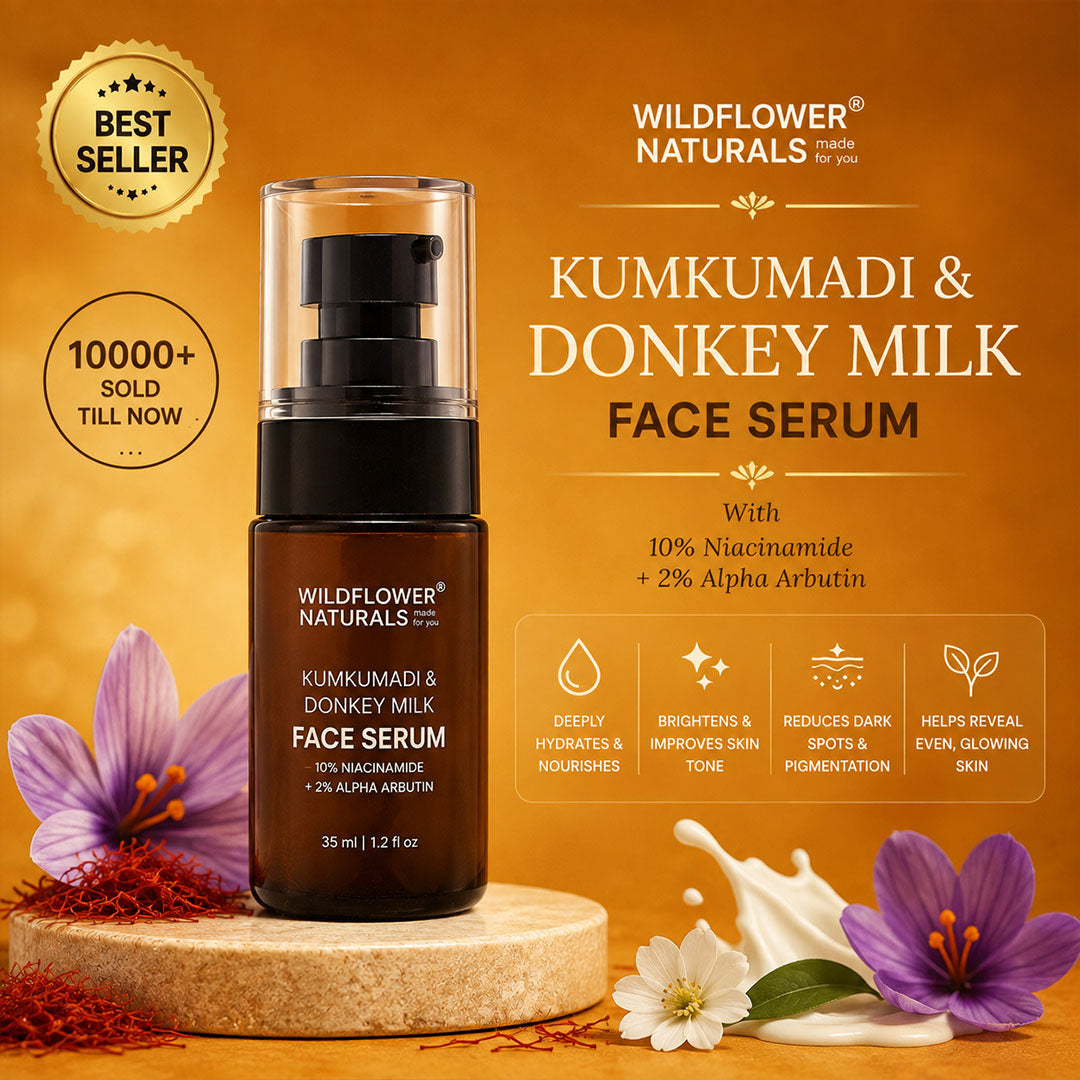
Wildflower Naturals' Kumkumadi & Donkey Milk Face Serum with 10% Niacinamide & 2% Alpha Arbutin is formulated around niacinamide and alpha arbutin, with hydrating ingredients including sodium hyaluronate.
Ceramides + Retinol
Retinol can sometimes cause dryness when first introduced. A moisturiser focused on barrier support can be used alongside it to improve comfort. Start retinol gradually and follow product directions.
Ceramides + Vitamin C
Vitamin C and ceramides have different roles and can be part of the same routine. For radiance-focused care, Wildflower Naturals' Skin Renewal Cream with Vitamin C is formulated for normal to dry skin with vitamin C, aloe vera, shea butter, green tea, saffron, turmeric and licorice root extract. If you'd like a full framework built around your skin's needs, this guide on a face care routine for women can help.
Ceramides vs Hyaluronic Acid: What's the Difference?
Ceramides and hyaluronic acid are often mentioned together, but they are not interchangeable.
|
Ingredient |
Main role |
Best known for |
|
Ceramides |
Barrier lipid support |
Helping maintain moisture and barrier function |
|
Hyaluronic acid |
Humectant |
Attracting and retaining water |
You do not necessarily have to choose between them. Many routines can use both.
Can You Use Ceramides Every Day?
For most people, a ceramide moisturiser can be used daily when the product is formulated for regular use. Always follow the product's directions and pay attention to how your skin responds.
If you are adding several new products, introduce them one at a time. This makes it easier to identify what suits your skin.
How to Choose a Ceramide Skincare Product
Choose according to your skin's needs rather than following a trend.
Look for:
- Ceramides clearly identified in the ingredient list
- A texture suited to your skin type
- Complementary moisturising ingredients
- A formula you can use consistently
- Clear directions for use
Creams may feel more comfortable on dry skin, while gels and lightweight lotions can be preferable for oily or combination skin. For a curated starting point, our men's face care kit brings these essentials together in one routine.
Common Mistakes to Avoid
Using Too Many Actives
A crowded routine can make skin feel overwhelmed. Keep barrier care simple.
Skipping Moisturiser Because Your Skin Is Oily
Oiliness and hydration are different concerns. Oily skin can still feel dehydrated.
Expecting Instant Transformation
A moisturised feel may be noticeable quickly, but long-term skin comfort depends on consistent care.
Forgetting Sunscreen
Barrier care does not replace sun protection. Daily sunscreen remains an important daytime step.
How Long Do Ceramides Take to Work?
The answer depends on what you mean by “work.” A moisturiser may make skin feel softer soon after application, while improvements in dryness and overall skin comfort depend on regular use and the rest of your routine.
Build a Thoughtful Skincare Routine with Wildflower Naturals
Healthy-looking skin does not always require a complicated routine. Start by understanding your skin, supporting its barrier, moisturising consistently and choosing products thoughtfully.
Wildflower Naturals brings together botanical ingredients and modern skincare actives across different textures and skin concerns. Explore Kumkumadi & Donkey Milk Brightening Face Cream with Hyaluronic acid + Rosehip oil, Kumkumadi & Donkey Milk Illuminating Face Gel with Hyaluronic acid + Aloe vera, Kumkumadi & Donkey Milk Face Serum with 10% Niacinamide & 2% Alpha Arbutin, and Skin Renewal Cream with Vitamin C to build a routine around hydration, nourishment and healthy-looking skin.
Your skin does not need more noise. It needs thoughtful care, suitable formulas and consistency. Discover the Wildflower Naturals approach and choose the products that make your everyday skincare ritual feel simple, considered and genuinely yours.
Frequently Asked Questions
Q1. How do ceramides help the skin?
They support the skin barrier and moisture retention, helping dry-feeling skin feel more comfortable and supple.
Q2. Can ceramides be used with retinol?
Yes. They can be paired with retinol, particularly through a moisturiser that supports skin comfort.
Q3. Is it safe to use ceramides every day?
Yes, when the product is designed for regular use and applied according to its directions.
Q4. Will ceramides help dry skin?
They can support moisture retention and are commonly used in moisturisers designed for dry or dry-feeling skin.
Q5. What are the main benefits of ceramides?
They help support the skin barrier, reduce moisture loss and improve the feel of dry or rough skin.
Q6. Why are ceramides important for the skin barrier?
They are naturally occurring lipids in the barrier and help maintain the structure involved in moisture retention.
Q7. Can ceramides be used with hyaluronic acid?
Yes. Hyaluronic acid attracts water, while ceramides support the barrier, so they can complement each other.
Q8. How should beginners add ceramides to a routine?
Start with a moisturiser containing ceramides and use it consistently after cleansing, while introducing other new actives gradually.





Leave a comment
This site is protected by hCaptcha and the hCaptcha Privacy Policy and Terms of Service apply.