

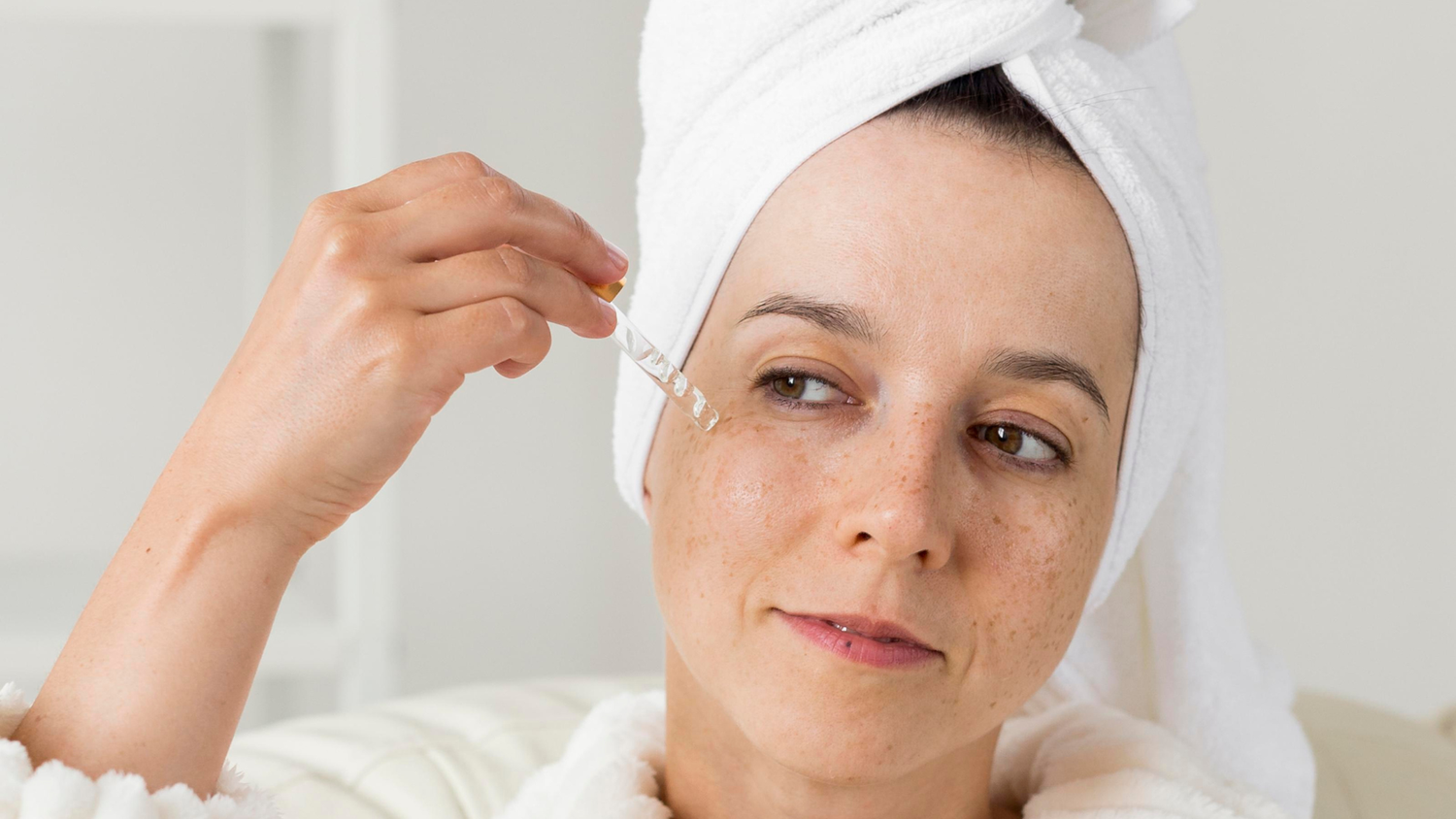
Does niacinamide help with acne? Yes. Niacinamide, a form of Vitamin B3, helps support clearer-looking skin by regulating excess oil, calming visible redness, strengthening the skin barrier, and reducing the appearance of post-acne marks. While it isn't an overnight solution, consistent use within a gentle skincare routine can visibly improve acne-prone skin over time.
If you've been wondering, does niacinamide help with acne, the answer is yes. This multitasking skincare ingredient has become a favourite among dermatologists and skincare enthusiasts for its ability to balance oily skin, soothe inflammation, and support a healthier skin barrier. When paired with a consistent routine and thoughtfully formulated products, niacinamide can make a noticeable difference in the appearance of acne-prone skin. At Wildflower Naturals, we believe effective skincare starts with gentle, skin-loving ingredients that nourish your skin while helping you achieve a naturally healthy glow. Building a natural skincare routine around niacinamide can help you see these benefits more consistently. Let's explore why niacinamide deserves a place in your routine.
What Is Niacinamide?
Niacinamide is a water-soluble form of Vitamin B3 that plays an important role in maintaining healthy skin. Unlike harsh acne treatments that can leave skin feeling dry or irritated, niacinamide supports your skin's natural functions while addressing multiple concerns at once.
It works by improving the skin's protective barrier, helping it retain moisture, reducing excess oil production, and calming visible irritation. Because of these benefits, it is suitable for almost every skin type, including oily, combination, sensitive, and acne-prone skin.
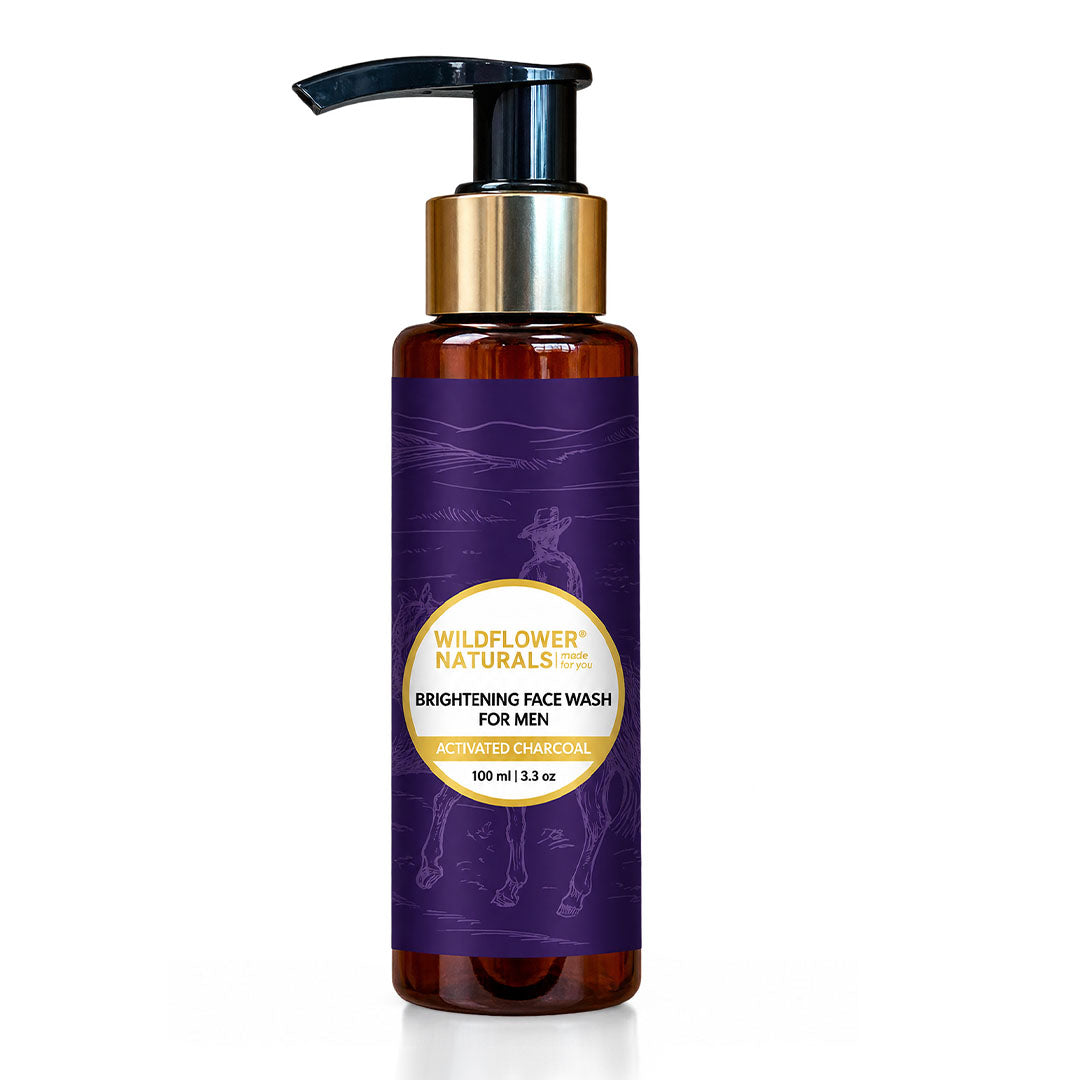
One of the reasons niacinamide has gained widespread popularity is its versatility. Whether you're dealing with occasional breakouts, excess shine, enlarged pores, or post-acne marks, this ingredient can become an effective part of your daily skincare routine. This versatility also makes niacinamide a valuable addition to men's face care products designed for everyday use.
Does Niacinamide Help with Acne?
For anyone asking, does niacinamide help with acne, research and real-world skincare experience suggest that it can be a valuable addition to an acne-care routine. Rather than targeting just one aspect of acne, niacinamide works on several factors that contribute to breakouts.
Helps Regulate Excess Oil
Excess sebum is one of the leading causes of clogged pores and acne. Niacinamide helps regulate oil production without stripping the skin of its natural moisture. Balanced oil production means your skin is less likely to develop congestion that can lead to blemishes.
Calms Visible Inflammation
Inflammatory acne often appears red, swollen, and uncomfortable. Niacinamide has soothing properties that help reduce the appearance of redness and support calmer-looking skin, making active breakouts appear less noticeable.
Strengthens the Skin Barrier
A healthy skin barrier is essential for resilient skin. When the barrier is compromised, skin becomes more vulnerable to irritation, dryness, and environmental stressors. Niacinamide reinforces the skin's natural barrier, allowing it to better defend itself while maintaining optimal hydration.
Minimises the Appearance of Pores
Although pores cannot physically shrink, excess oil and debris can make them appear larger. By balancing oil production and improving overall skin texture, niacinamide helps pores appear more refined over time.
Benefits of Niacinamide for Acne-Prone Skin
If you're still wondering does niacinamide help with acne, understanding its individual benefits makes the answer even clearer.
Controls Excess Sebum
Oily skin often creates an environment where acne-causing impurities can accumulate. Niacinamide helps maintain a balanced complexion by supporting normal oil production, leaving skin feeling fresher without becoming overly dry.
Helps Reduce the Appearance of Post-Acne Marks
Once blemishes heal, many people are left with dark spots known as post-inflammatory hyperpigmentation (PIH). Niacinamide supports a more even-looking complexion by helping reduce the appearance of these lingering marks over time.
Improves Skin Texture
Frequent breakouts can leave skin feeling rough or uneven. Consistent use of niacinamide helps promote smoother, healthier-looking skin by supporting the skin's natural renewal process.
Supports Long-Term Skin Health
Unlike ingredients that only address active blemishes, niacinamide contributes to overall skin health. Its barrier-strengthening and soothing properties make it beneficial even after acne improves, helping maintain a balanced complexion in the long run.
Gentle Enough for Daily Use
One of niacinamide's greatest strengths is its gentle nature. Most skin types tolerate it well, making it an excellent ingredient for both beginners and experienced skincare users. This makes it easy to include niacinamide as part of your daily face care routine, regardless of your skin type.
Can Niacinamide Cause Breakouts?
A common concern is whether introducing niacinamide can worsen acne. In most cases, niacinamide itself does not cause purging because it doesn't increase skin cell turnover in the same way exfoliating acids or retinoids do. This makes niacinamide a safe addition to a men's face care kit, without the risk of excessive breakouts.
However, some people may experience temporary irritation if they introduce multiple active ingredients at once or use products that aren't suitable for their skin type. Starting slowly and following a simple skincare routine usually helps minimise this risk.
How Long Does Niacinamide Take to Work?
Consistency is key when using niacinamide.
Many people notice improvements in skin hydration and oil balance within two to four weeks. More visible improvements in skin texture, post-acne marks, and overall clarity often become noticeable after eight to twelve weeks of regular use.
Patience and a consistent routine are essential for achieving lasting results.
How to Use Niacinamide for Acne
A simple routine helps your skin gain the maximum benefit from niacinamide.
Morning Routine
-
Cleanse with a gentle face cleanser.
-
Apply a niacinamide serum.
-
Follow with a moisturiser.
-
Finish with broad-spectrum sunscreen.
Evening Routine
-
Remove dirt and makeup with a gentle cleanser.
-
Apply your niacinamide serum.
-
Lock in hydration with a nourishing moisturiser.
Avoid layering too many strong active ingredients during the initial weeks until your skin adapts.
Ingredients That Work Well with Niacinamide
Niacinamide pairs beautifully with several skincare ingredients, making it easy to include in most routines.
-
Hyaluronic Acid for hydration
-
Alpha Arbutin for brighter-looking skin
-
Ceramides for barrier support
-
Vitamin C for improved radiance
-
Salicylic Acid for oily, acne-prone skin
-
Retinol when introduced gradually
Who Should Use Niacinamide?
Niacinamide is a popular ingredient found in many skin care products for women, and is suitable for:
-
Oily skin
-
Combination skin
-
Sensitive skin
-
Acne-prone skin
-
Teenage skin
-
Adults experiencing occasional breakouts
-
Skin with post-acne marks
-
People looking to improve overall skin texture
Common Mistakes to Avoid
Understanding which skin care products are the best fit for your skin can help you avoid these common mistakes:
-
Using too many active ingredients together
-
Expecting overnight improvements
-
Skipping sunscreen during the day
-
Applying excessive amounts of product
-
Frequently changing skincare products before giving them time to work
Build an Acne-Friendly Routine with Wildflower Naturals
Creating an effective skincare routine doesn't have to be complicated. At Wildflower Naturals, our formulations combine botanical ingredients with proven actives to help support healthy, balanced skin. Exploring a well-rounded range of face care products can make it simpler to find what works best for your skin.
For a complete routine, consider these organic face care products as your skincare essentials:
-
Kumkumadi + Donkey Milk Face Cleanser with Niacinamide & Saffron to gently cleanse impurities while maintaining your skin's moisture balance.
-
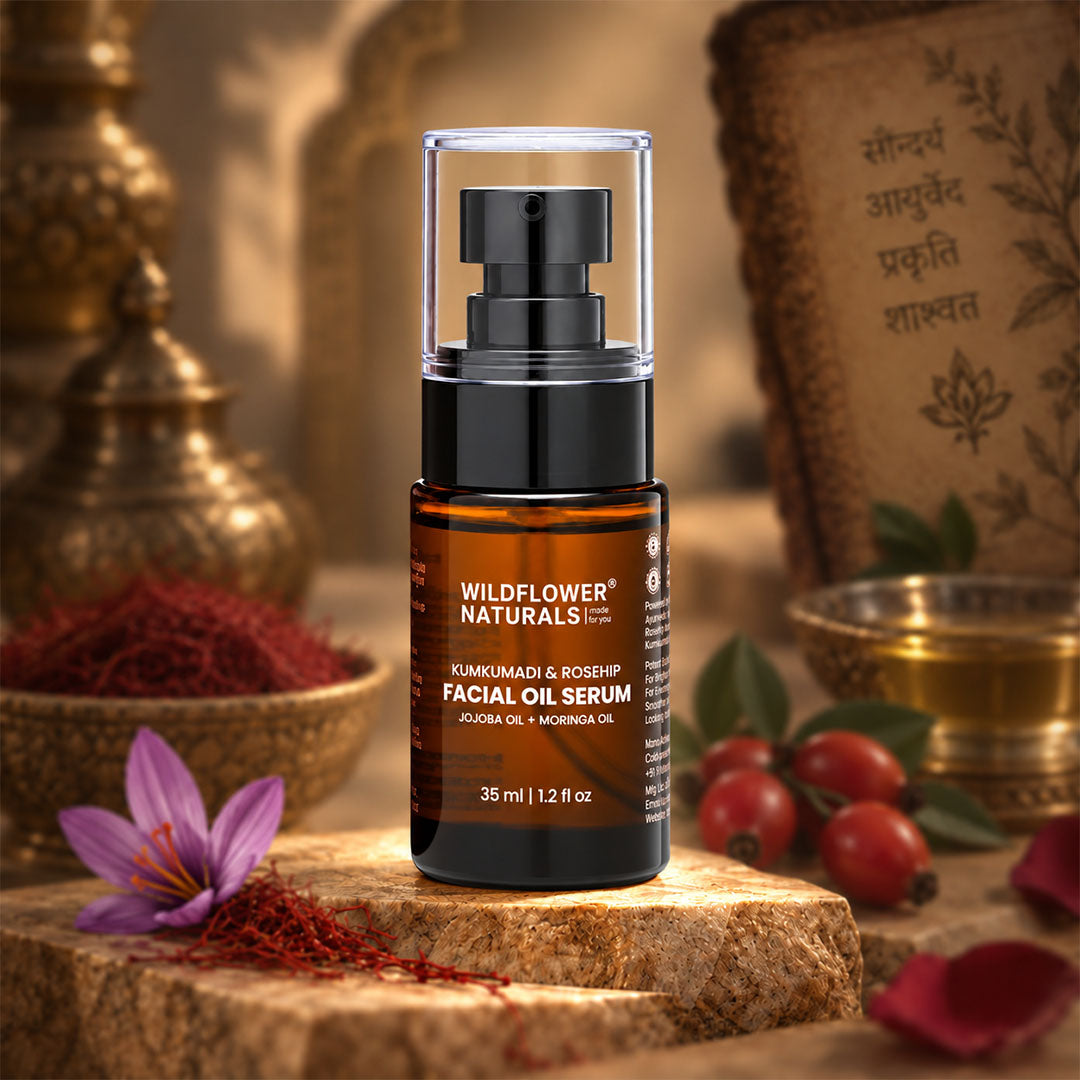
Kumkumadi & Donkey Milk Face Serum with 10% Niacinamide & 2% Alpha Arbutin, designed to help improve uneven-looking skin, excess oil, and post-acne marks.
-
Kumkumadi & Donkey Illuminating Clay Mask with Niacinamide + Vitamin C for a refreshing weekly treatment that leaves skin feeling deeply cleansed and revitalised.
-
Kumkumadi & Donkey Milk SPF 50 Dew Drops Invisible Sunscreen to protect your skin from daily UV exposure and help maintain an even-looking complexion.
Together, these products support a simple, gentle routine that works with your skin—not against it.
Conclusion
So, does niacinamide help with acne? The evidence and skincare experience suggest that it certainly can. From balancing excess oil and calming visible redness to strengthening the skin barrier and improving the appearance of post-acne marks, niacinamide is one of the most versatile ingredients available today.
The key to success lies in consistency, patience, and choosing products formulated with high-quality ingredients. A simple routine, combined with daily sun protection and gentle skincare habits, can help your skin look healthier, smoother, and more balanced over time.
Discover Naturally Healthy Skin with Wildflower Naturals
Looking for a skincare routine that supports acne-prone skin without compromising your skin's natural balance? Explore the thoughtfully crafted collection from Wildflower Naturals. From the Kumkumadi + Donkey Milk Face Cleanser with Niacinamide & Saffron to the 10% Niacinamide & 2% Alpha Arbutin Face Serum, every formulation is designed to nourish, protect, and support radiant-looking skin. Build your complete routine today and experience skincare inspired by nature and backed by carefully selected ingredients.
Frequently Asked Questions
Q1. How does niacinamide help with acne?
Niacinamide helps regulate excess oil, supports the skin barrier, reduces the appearance of redness, and improves the look of post-acne marks, making it beneficial for acne-prone skin.
Q2. Can niacinamide be used every day?
Yes. Most people can safely use niacinamide once or twice daily as part of their regular skincare routine.
Q3. Is niacinamide suitable for sensitive skin?
Yes. Niacinamide is generally well tolerated by sensitive skin and is known for its calming and barrier-supporting properties.
Q4. What percentage of niacinamide is best for acne?
Many skincare experts recommend formulations containing around 5% to 10% niacinamide, depending on your skin's needs and tolerance.
Q5. Why is niacinamide popular for acne-prone skin?
It addresses multiple concerns at the same time, including oiliness, visible redness, uneven skin tone, enlarged-looking pores, and skin barrier health.
Q6. Will niacinamide remove acne scars?
Niacinamide can help improve the appearance of post-acne marks and uneven skin tone, but deeper acne scars may require professional treatments.
Q7. Can niacinamide be used with salicylic acid?
Yes. These ingredients complement each other well, especially in routines designed for oily and acne-prone skin, provided they are introduced gradually.
Q8. How long does niacinamide take to show results for acne?
Many people notice improvements in oil balance within a few weeks, while visible improvements in skin clarity and post-acne marks often become more noticeable after eight to twelve weeks of consistent use.





Leave a comment
This site is protected by hCaptcha and the hCaptcha Privacy Policy and Terms of Service apply.