

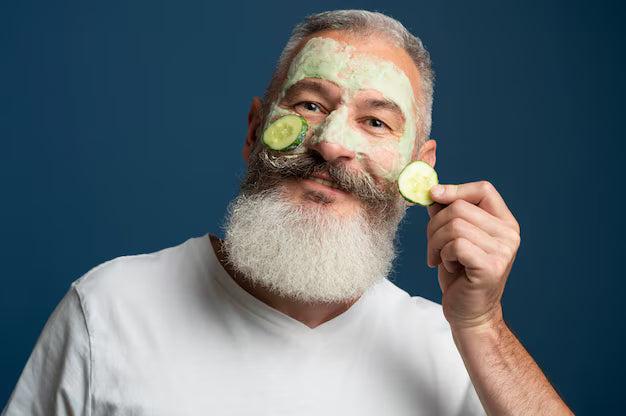
A homemade face pack can help your skin feel softer, refreshed, and hydrated when you choose ingredients suited to your skin type. Simple combinations such as cucumber and aloe vera or yogurt and honey are easy to prepare at home.
For the best results, keep recipes simple, patch test new ingredients, and remember that DIY face packs complement rather than replace your regular skincare routine.
Looking for a face pack for glowing skin at home? The right combination depends on whether your skin feels oily, dry, dull, or dehydrated. A few carefully selected ingredients can make your skincare routine more convenient without requiring complicated preparations. You can browse our face care products to see ready-made options.
At Wildflower Naturals, we believe skincare should feel like a mindful act of self-care. Homemade masks can be a simple addition to that ritual, provided you understand your skin's needs and use ingredients carefully.
Quick Answer: What Is the Best Homemade Face Pack for Glowing Skin?
A turmeric, plain yogurt, and honey face pack is one option for a glow-focused skincare ritual, while cucumber and aloe vera may suit those seeking a refreshing, hydrating feel. The best homemade face pack depends on your skin type, ingredient tolerance, and skincare goals. Always patch test before applying a new mixture to your face.
Why Choose a Homemade Face Pack Over Store-Bought Products
A homemade face pack allows you to choose a small number of familiar ingredients and prepare a fresh mixture at home. Depending on the ingredients, it may help your skin feel softer, more comfortable, or refreshed.
Some people prefer a home made face pack because it is affordable and easy to customise. For example, cucumber and aloe vera offer a refreshing application experience, while avocado and honey create a richer-feeling mask.
However, homemade does not automatically mean safer or more effective. Kitchen ingredients can still cause allergic reactions, irritation, or breakouts, and DIY mixtures do not have the preservation systems used in many formulated skincare products.
If you prefer a ready-to-use botanical alternative, explore Wildflower Naturals’ Neem & Turmeric Face Pack. It combines neem, turmeric, honey, aloe gel, and botanical extracts for a convenient skincare ritual. For more plant-based picks, see these organic face care products.
The Science Behind Homemade Face Packs
The potential benefits of a natural face pack depend on the ingredients, their concentration, and how your skin responds. Many commonly used ingredients have properties that make them appealing for topical skincare, but that does not mean every homemade combination has been clinically tested.
- Turmeric: Contains curcumin and other compounds studied for their biological properties. Its traditional skincare use does not guarantee visible brightening or treatment of pigmentation.
- Honey: Acts as a humectant, helping attract moisture. Its effect in a homemade mask may differ from that of a formulated skincare product.
- Aloe vera: Commonly used in topical products for its soothing and moisturising properties, although some people may experience irritation.
- Cucumber: Provides a refreshing, cooling sensation and contributes water to a fresh mask.
- Yogurt: Contains lactic acid, but the concentration and pH of ordinary yogurt are not controlled for facial exfoliation.
- Avocado: Contains fats that give a mask a rich, conditioning feel.
These ingredients may complement a gentle skincare routine, but they cannot guarantee acne clearance, permanent skin brightening, or removal of a suntan. To build a steady routine around them, read daily face care routine.
How to Make a Face Pack at Home: 5 Easy Recipes
These five face pack homemade recipes address different skincare preferences, from a refreshing mask to a richer option for dry-feeling skin. Choose one that suits your needs instead of mixing several recipes or introducing multiple unfamiliar ingredients at once.
1. Homemade Face Pack for Glowing Skin: Turmeric, Yogurt, and Honey
Best for: A simple glow-focused skincare ritual, provided your skin tolerates all three ingredients.
Ingredients
- 1 teaspoon plain turmeric
- 1 tablespoon plain, unsweetened yogurt
- 1 teaspoon honey
How to make and use it
- Add the turmeric, yogurt, and honey to a clean bowl.
- Mix until the ingredients form a smooth paste.
- After cleansing, apply a thin layer to your face, avoiding your eyes, lips, and irritated skin.
- Leave it on for 5–10 minutes initially, provided there is no discomfort.
- Rinse thoroughly with lukewarm water, pat your skin dry, and apply a moisturiser.
Ingredient benefits
Turmeric: Traditionally used in skincare preparations; may temporarily improve the appearance of dull skin.
Yogurt: Adds moisture to the mixture. Its natural acids may irritate some skin types.
Honey: Helps attract moisture and can leave skin feeling softer.
Important: Turmeric can stain skin and clothing. Avoid this recipe if you have relevant food allergies or sensitivity to any ingredient.
2. Homemade Face Pack for Hydration: Cucumber and Aloe Vera
Best for: Skin that feels warm or temporarily dehydrated and needs a refreshing application.
Ingredients
- 2 tablespoons freshly prepared cucumber pulp
- 1 tablespoon pure aloe vera gel
How to make and use it
- Wash the cucumber thoroughly and grate or blend a small amount into pulp.
- Mix two tablespoons of cucumber pulp with the aloe vera gel.
- Apply a thin layer to clean skin, avoiding the eye area.
- Leave it on for 10–15 minutes if your skin tolerates the mixture.
- Rinse with cool or lukewarm water, pat dry, and moisturise.
Ingredient benefits
- Cucumber: Provides water and a cooling sensation.
- Aloe vera: Commonly used to soothe and moisturise the skin, although reactions are possible.
Tip: Prepare this face pack fresh and use it immediately. Discard any leftovers rather than storing the mixture.
3. Homemade Face Pack for Oily Skin: Multani Mitti and Rose Water
Best for: Oily skin that feels comfortable with occasional clay-based masks.
Ingredients
- 2 tablespoons Multani mitti (Fuller's earth)
- Plain rose water, as required
How to make and use it
- Place the Multani mitti in a clean bowl.
- Add rose water gradually until a smooth paste forms.
- Apply a thin layer to clean skin, avoiding the eyes and lips.
- Leave it on for approximately 5–10 minutes, checking that your skin does not become uncomfortably tight.
- Rinse before the mask dries completely, then apply a moisturiser.
Ingredient benefits
Multani mitti: Absorbs some surface oil, which can make skin feel less greasy temporarily.
Rose water: Adds moisture to the mixture and may provide a refreshing feel. Fragrance-sensitive skin can still react to it.
Tip: Avoid this recipe if your skin is already dry, irritated, or prone to tightness after cleansing. Clay masks are not a substitute for acne treatment.
4. Homemade Face Pack for Dry Skin: Avocado and Honey
Best for: Skin that feels dry or needs a richer, conditioning mask.
Ingredients
- ½ ripe avocado
- 1 teaspoon honey
How to make and use it
- Mash the avocado in a clean bowl until smooth.
- Add the honey and mix thoroughly.
- Apply a thin layer to cleansed skin, avoiding the eyes and any irritated areas.
- Leave it on for 5–10 minutes initially, provided it feels comfortable.
- Rinse gently with lukewarm water and follow with your usual moisturiser.
Ingredient benefits
- Avocado: Contains fats that contribute to the mask's rich, conditioning texture.
- Honey: Helps attract moisture and can leave skin feeling softer.
Tip: Avocado and honey can cause reactions in people with relevant allergies. This mask should not replace a moisturiser formulated for your skin.
5. Homemade Face Pack for Dull-Looking Skin: Sandalwood and Milk
Best for: Those who prefer a traditional, simple face pack and tolerate its ingredients.
Ingredients
- 1 teaspoon cosmetic-grade sandalwood powder from a reputable source
- Plain milk, as required
How to make and use it
- Place the sandalwood powder in a clean bowl.
- Add a small amount of milk and mix until a smooth paste forms.
- Apply a thin layer to clean skin, avoiding the eye area.
- Leave it on for 5–10 minutes initially, provided your skin remains comfortable.
- Rinse gently, pat dry, and apply moisturiser.
Ingredient benefits
- Sandalwood powder: Traditionally used in skincare preparations, but its effects vary and it may cause irritation.
- Milk: Adds moisture to the mixture but may be unsuitable for people with milk allergies.
Important: This homemade face pack may be part of a refreshing skincare ritual, but it cannot be relied upon to remove a tan, erase dark spots, or change your natural skin tone.
Prefer a ready-made alternative? Wildflower Naturals' Neem & Turmeric Face Pack combines neem and turmeric with ingredients including licorice extract, rose extract, hazelnut oil, honey, chamomile, and aloe gel. Review the product's ingredient list before use, especially if you have sensitive skin or known allergies.
Homemade Face Pack for Different Skin Types
Homemade Face Pack for Oily Skin
If your face becomes shiny during the day, an occasional Multani mitti mask may help absorb excess surface oil. Avoid leaving clay on until it becomes completely dry and tight, and follow with a lightweight moisturiser.
Homemade Face Pack for Dry Skin
Dry skin often benefits from a gentle routine that includes a suitable moisturiser. An avocado and honey mask may provide a conditioning feel, but it does not replace products designed to support the skin barrier. Avoid ingredients that leave your skin feeling tight or irritated.
Homemade Face Pack for Combination Skin
Combination skin can feel oily around the forehead, nose, and chin while remaining dry on the cheeks. If you choose a mask, consider applying a clay-based option only to oilier areas and avoiding it on dry patches. A simple, balanced routine is generally more useful than repeatedly switching masks. For a simple routine to follow, read men’s face care routine.
How to Choose a Simple Face Pack at Home
Choosing a face pack for glowing skin at home starts with understanding what your skin needs rather than searching for a universal remedy.
- For a refreshing feel: Consider cucumber and aloe vera if you tolerate both ingredients.
- For oily skin: A short application of Multani mitti may help reduce surface shine temporarily.
- For dry-feeling skin: Prioritise a moisturiser; an avocado and honey mask may offer a conditioning feel.
- For dull-looking skin: Focus on gentle cleansing, moisturising, and daily sun protection. A face pack may temporarily improve the appearance of dryness but cannot guarantee brighter skin.
- For sensitive skin: Avoid introducing several new ingredients together. A simple, fragrance-free, formulated skincare product may be a more predictable option.
The best home made face pack is not necessarily the one with the most ingredients. Choose a simple recipe, use it occasionally, and discontinue it if your skin reacts. If someone at home wants a simple routine too, see these men’s face care products.
Precautions and Patch Test Before Using a Homemade Face Pack
Natural ingredients can still irritate the skin or trigger allergic reactions. Before using a home face pack, follow these precautions to reduce avoidable risks.
- Patch test first: Apply a small amount of the prepared mixture to a discreet area, such as the inner forearm, following the intended contact time. Rinse and monitor for reactions over the next 24–48 hours. A home patch test cannot guarantee that a facial reaction will not occur.
- Check for allergies: Avoid any ingredient that has previously caused an allergic reaction. Remember that milk, honey, aloe vera, and plant-derived ingredients are not suitable for everyone.
- Avoid broken or irritated skin: Do not apply DIY masks to cuts, active rashes, sunburn, or inflamed areas.
- Keep the mixture away from your eyes and lips: Rinse thoroughly if the product enters your eyes.
- Do not leave masks on for too long: Start with a short application and rinse immediately if you experience burning, itching, swelling, or persistent redness.
- Avoid harsh additions: Do not add lemon juice, undiluted essential oils, baking soda, or abrasive ingredients to homemade masks. These can irritate the skin or disrupt its normal barrier.
- Prepare fresh batches: Homemade mixtures containing fresh food ingredients lack reliable preservation. Make only what you need and discard leftovers.
- Protect your skin from the sun: Use a broad-spectrum sunscreen with SPF 30 or higher during the day. A face pack is not a replacement for sun protection.
If you develop significant swelling, blistering, severe pain, or a persistent rash, stop using the mixture and seek appropriate medical advice. If your skin is highly reactive or you have a persistent skin concern, consult a dermatologist before experimenting with DIY treatments. For a ready-made starting point, a men’s face care kit keeps things simple.
Pro Tips for Using Homemade Face Packs Effectively
- Cleanse your face gently before applying a homemade face pack to remove surface oil, makeup, and impurities without over-cleansing the skin
- Perform a patch test before applying a new mask to avoid allergic reactions
- Use masks 2 to 3 times a week for visible results
- Use clean hands or a soft, natural brush for application
- Avoid over-exfoliating and balance hydration with oil control
- After rinsing, gently pat the skin dry and follow with a natural moisturizer
- Store any leftover mask in the refrigerator for 1 to 2 days only
- Choose your homemade face pack according to your skin type, season, and specific concern rather than using the same recipe for every skin type
Conclusion: Embrace Natural Radiance
A homemade face pack can be an enjoyable addition to your skincare routine when you choose ingredients carefully and keep your expectations realistic. Cucumber and aloe vera offer a refreshing option, Multani mitti may help reduce surface oil temporarily, and avocado with honey provides a richer mask texture.
For lasting skin health, prioritise gentle cleansing, moisturising, and daily sun protection instead of relying on DIY masks to treat pigmentation, acne, or persistent dryness. Patch test new mixtures and stop using anything that causes irritation.
If you prefer the convenience of a ready-made botanical formulation, explore Wildflower Naturals' Neem & Turmeric Face Pack and other face-care essentials to find options that suit your routine.
Frequently Asked Questions
Q1. How do you make a face pack at home?
Choose one or two ingredients that suit your skin, combine them in a clean bowl, and mix until smooth. Apply a thin layer to clean skin for a short period, rinse thoroughly, and moisturise. Always patch test the mixture first.
Q2. Which homemade face pack is suitable for glowing skin?
A turmeric, yogurt, and honey mask is one traditional option. However, results vary by skin type, and it may irritate some people. A gentle routine with moisturiser and sunscreen is more important for maintaining healthy-looking skin.
Q3. Can I use a homemade face pack every day?
Daily use is generally unnecessary and may cause dryness or irritation. Start with occasional application, such as once a week, and stop if your skin becomes uncomfortable.
Q4. How long should I leave a homemade face pack on my face?
Start with approximately 5–10 minutes for a new DIY mask, provided your skin tolerates it. Rinse immediately if you experience burning, itching, or discomfort. Do not allow clay masks to become completely dry and tight.
Q5. Is a homemade face pack safe for sensitive skin?
Not always. Natural ingredients can cause irritation and allergies. Patch test first, avoid known triggers, and consider fragrance-free skincare products if your skin is highly reactive.
Q6. Can a homemade face pack remove a suntan or dark spots?
No homemade face pack can reliably remove a suntan or eliminate dark spots. Gentle skincare and daily broad-spectrum sunscreen can help protect your skin, while persistent pigmentation may require advice from a dermatologist.
Q7. Can homemade face packs help acne-prone skin?
Homemade masks are not proven substitutes for acne treatments and may irritate blemish-prone skin. Use non-comedogenic skincare products and consult a dermatologist if acne is persistent, painful, or causing scarring.
Q8. How should I store a homemade face pack?
Prepare only the amount you need and use it immediately. Homemade mixtures containing fresh food ingredients lack reliable preservation, so discard leftovers rather than refrigerating them for later use.





Leave a comment
This site is protected by hCaptcha and the hCaptcha Privacy Policy and Terms of Service apply.