


Your skin often speaks before you do. When stress builds up or burnout starts creeping in, your body sends signals, and your skin is one of the first messengers. Breakouts, dullness, sudden dryness, or redness aren’t just skincare problems; they are your skin’s way of saying, “slow down.”
In today’s fast-paced world, your mind and body are constantly under pressure. But what many people don’t realize is that stress and burnout affect your skin just as deeply as your mood. Let’s understand what your skin is trying to tell you, and how you can bring back its calm, radiant balance naturally.
How Stress and Burnout Affect Your Skin
Your skin and mind are deeply connected through the brain-skin axis. When you’re stressed, your body releases hormones like cortisol, which increase oil production, slow down healing, and trigger inflammation. Over time, this leads to visible skin issues such as:
- Breakouts and acne: Elevated stress hormones increase sebum production, clogging pores.
- Dryness and dullness: Stress weakens the skin barrier, causing dehydration.
- Redness or flare-ups: Sensitive skin conditions like eczema or rosacea worsen under chronic stress.
- Premature aging: Long-term burnout accelerates the breakdown of collagen, leading to wrinkles and fine lines.
So, when your skin looks tired or irritated, it’s not just a beauty concern, it’s a call for emotional and physical rest.
Common Skin Signals of Stress
Your skin can’t talk, but it shows how you feel. Here are the most common ways your skin tells you it’s under stress:
Sudden Acne Breakouts
If you’re noticing breakouts even though your routine hasn’t changed, stress might be the culprit. High cortisol levels trigger excess oil production and inflammation.
Dull, Lifeless Complexion
Burnout can slow blood circulation, depriving your skin of oxygen and nutrients. The result? A lackluster, tired look, even after good sleep.
Sensitivity or Redness
When you’re emotionally drained, your skin barrier weakens, allowing irritants to cause redness or burning sensations.
Dry or Flaky Skin
Stress decreases lipid production, reducing your skin’s natural moisture retention.
Early Signs of Aging
Chronic stress speeds up collagen loss, leading to sagging and wrinkles earlier than expected.
Dark Circles and Puffy Eyes
Sleep deprivation and exhaustion reduce microcirculation, causing shadows and puffiness around the eyes.
The Science Behind the Skin-Stress Connection
Your skin is not just an external layer, it’s your largest organ, responding to emotional and physical triggers.
When you’re under stress, your body activates the “fight or flight” response, releasing cortisol and adrenaline. These hormones:
- Increase oil production (leading to breakouts)
- Reduce skin cell renewal (causing dullness)
- Break down collagen (causing wrinkles)
- Impair healing (leading to prolonged irritation)
In short, your emotional health shows on your face.
How to Rebalance Your Skin During Stress
The good news? Your skin is resilient and can bounce back when cared for gently. Here’s how to restore your skin’s calm and glow:
Create a Calming Skincare Ritual
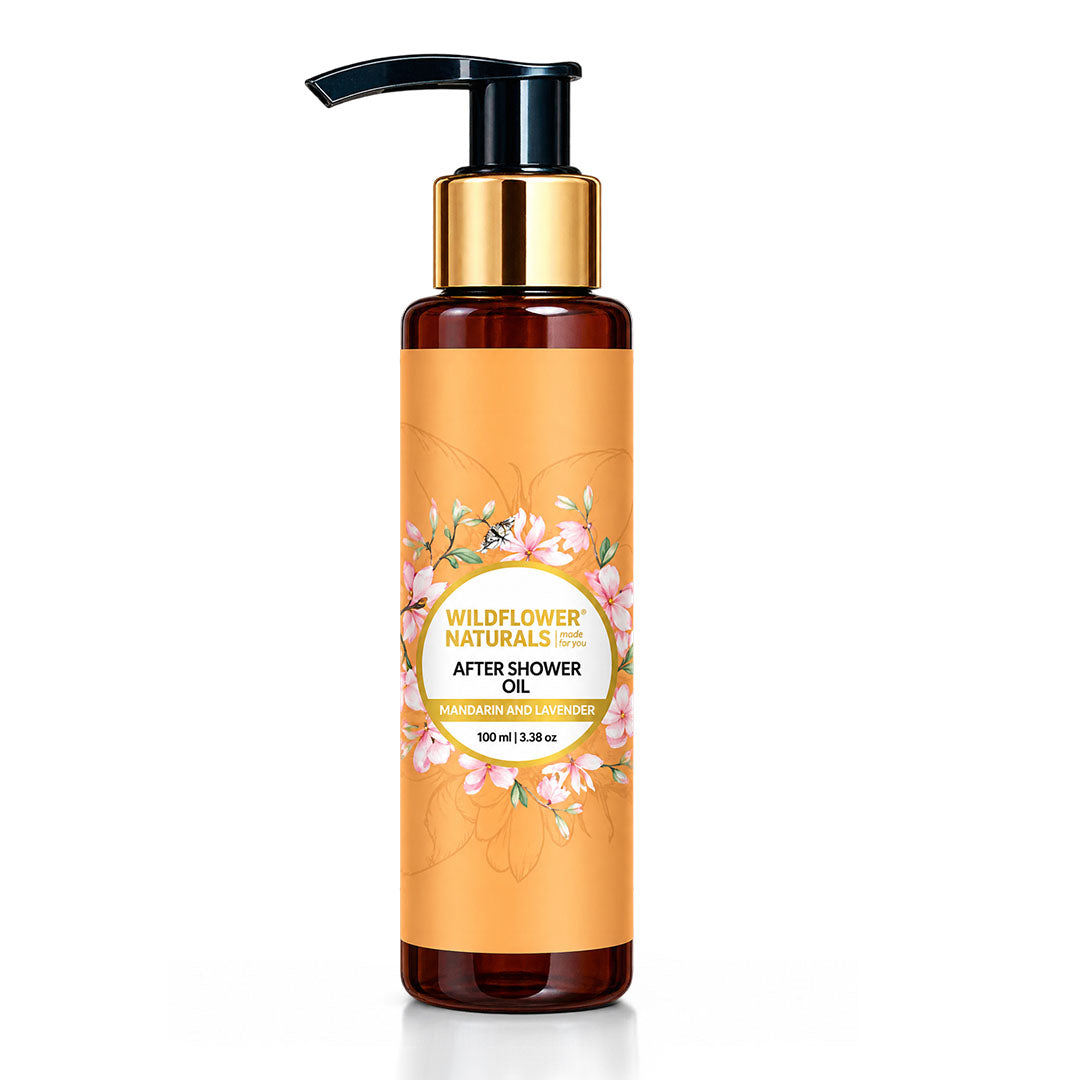
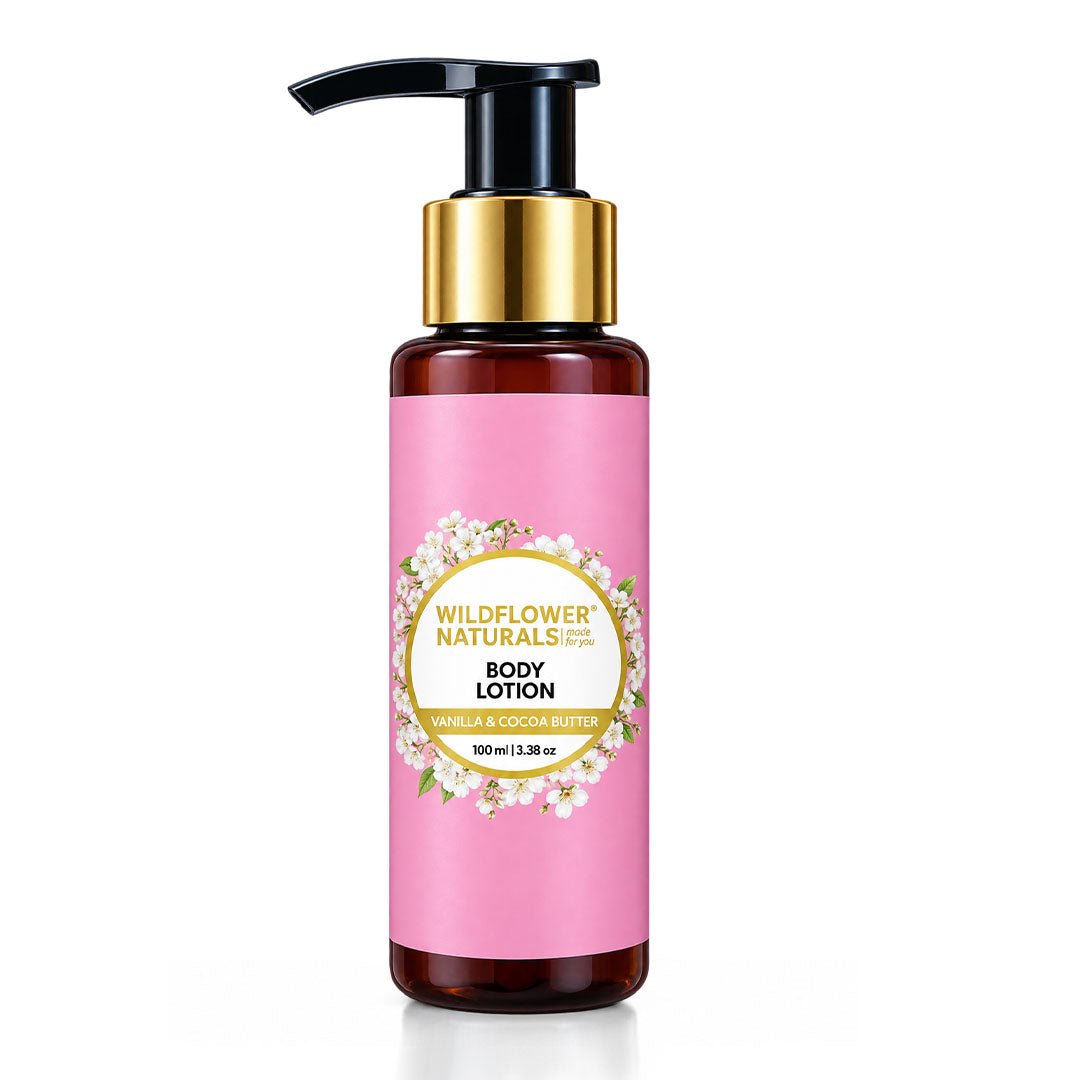
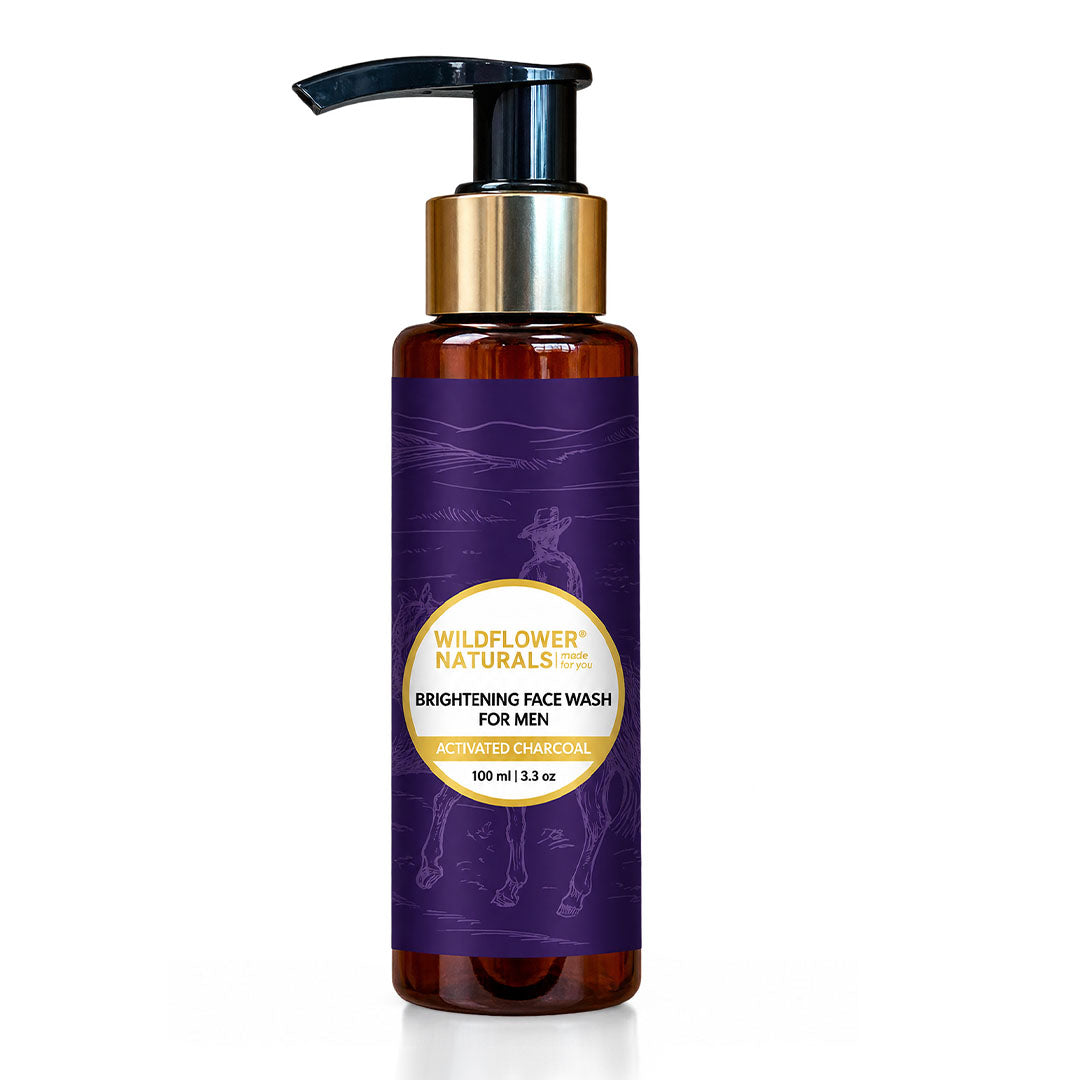
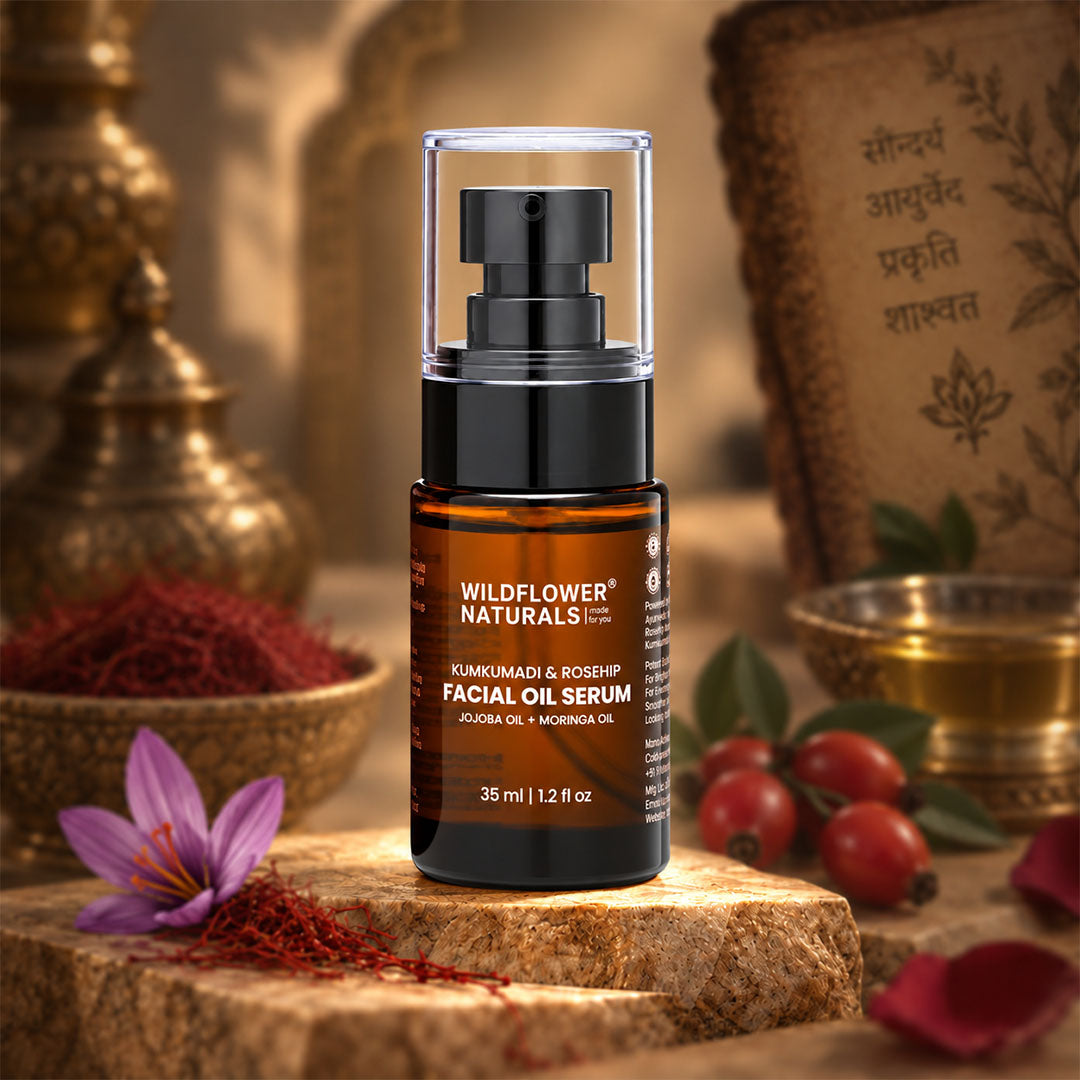
Turn your skincare routine into a self-care ritual. Use gentle, chemical-free, and natural formulations that soothe your skin and senses. At Wildflower Naturals, each product is crafted with botanical ingredients like Kumkumadi, Rosehip, Aloe Vera, and Hyaluronic Acid, designed to nourish your skin and restore its natural glow.
Hydrate Inside and Out
Drink enough water and use hydrating skincare like aloe-based gels or creams rich in Vitamin C and natural oils. Stress dehydrates both your body and skin, so hydration is your first line of defense.
Prioritize Sleep
Lack of sleep increases cortisol, which worsens inflammation and breakouts. Aim for 7–8 hours of restful sleep to allow your skin to regenerate naturally.
Eat for Radiance
Consume antioxidant-rich foods like berries, nuts, and leafy greens. These reduce oxidative stress and promote collagen production.
Practice Mindful Breaks
Take small breaks to breathe, stretch, or meditate. Mindfulness reduces cortisol levels and boosts overall skin health.
Protect with SPF
Even during burnout phases, never skip sun protection. UV rays can amplify the effects of stress on your skin, leading to premature aging.
Ingredients That Help Soothe Stressed Skin
Nature has a way of healing, especially through the right ingredients. Look for these in your skincare products:
- Kumkumadi: Brightens dull skin and evens tone.
- Rosehip Oil: Rich in vitamins A and C for repair and hydration.
- Aloe Vera: Calms redness and irritation.
- Hyaluronic Acid: Restores moisture and plumps the skin.
- Niacinamide: Strengthens the barrier and reduces inflammation.
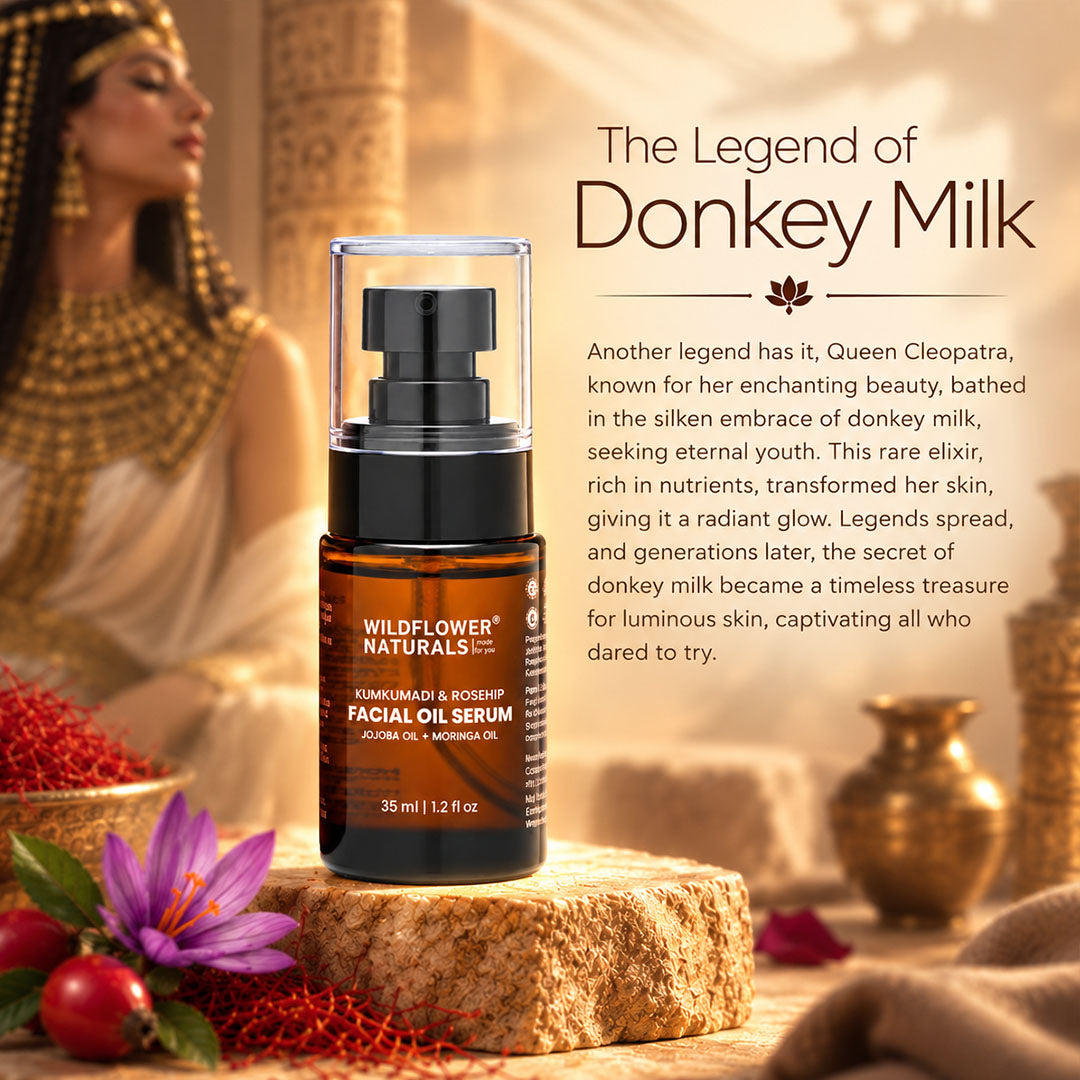
- Donkey Milk: Deeply nourishes and promotes elasticity.
These natural ingredients, present in many Wildflower Naturals products, support the skin’s ability to heal from the inside out.
Building a Stress-Proof Skincare Routine
When life feels heavy, simplicity is key. A few minutes of mindful skincare can shift your mood and your skin’s health.
Morning Routine:
- Cleanse with a gentle face wash to remove impurities.
- Hydrate using a light moisturizer or facial gel.
- Protect with a broad-spectrum SPF.
Night Routine:
- Cleanse away the day’s stress.
- Nourish with a rich cream or facial oil serum.
- Massage gently to improve circulation and release tension.
Emotional Self-Care for Healthy Skin
True skin wellness begins from within. Along with your skincare, nurture your emotional balance:
- Declutter your schedule. Learn to say no.
- Journal your thoughts to release mental tension.
- Take digital detox breaks to reduce overstimulation.
- Stay connected with people who make you feel calm and supported.
- Practice gratitude, it reduces anxiety and enhances your inner glow.
Your skin will reflect your inner peace.
Listen to Your Skin
Your skin is more intuitive than you think. It mirrors your lifestyle, emotions, and habits. When stress or burnout begins to show, it’s not a flaw, it’s a gentle reminder to pause and nurture yourself.
At Wildflower Naturals, we believe that skincare should be more than a routine, it’s a ritual of self-love. Each of our chemical-free, cruelty-free products is designed to reconnect you with nature’s calm while restoring your skin’s natural vitality.
Start your journey to stress-free, glowing skin today, explore the natural range from Wildflower Naturals. Because when you listen to your skin, you’re really listening to yourself.
Read Our Latest Blogs
Homemade Face Pack | Inflammation Isn’t Just Physical: How Calm Skin Begins In The Mind | Why Sensitive Skin Needs Emotional Gentleness Too | Turning Your Night Skincare Into A 5-Minute Grounding Ritual | The Neuroscience Of Touch: Why Applying Oils Calms The Mind | Morning Vs Night Rituals: What Your Skin & Mind Need At Different Times
Frequently Asked Questions
Q1. Can stress really cause acne?
Yes. Stress increases cortisol, which boosts oil production and inflammation, leading to acne breakouts.
Q2. Why does my skin look dull when I’m tired?
Burnout slows circulation and oxygen supply, causing your skin to appear pale and lifeless.
Q3. How can I calm my skin during stressful times?
Use gentle, natural skincare products with soothing ingredients like aloe vera and rosehip oil, and stay hydrated.
Q4. Does sleep affect my skin health?
Absolutely. During sleep, your skin repairs itself. Poor sleep increases dark circles, dryness, and fine lines.
Q5. What foods help reduce stress-related skin issues?
Antioxidant-rich foods such as berries, avocados, and leafy greens help fight oxidative stress.
Q6. Are natural skincare products better for stressed skin?
Yes, because they’re gentle, chemical-free, and support your skin’s natural healing process.
Q7. Can meditation improve skin health?
Yes. Meditation lowers cortisol and promotes better blood flow, giving your skin a healthy glow.
Q8. How long does it take to see improvement once stress is reduced?
You may notice changes within 2–3 weeks as hormone levels stabilize and skin healing improves.




Leave a comment
This site is protected by hCaptcha and the hCaptcha Privacy Policy and Terms of Service apply.