


Quick Answer: For combination skin, the best sunscreen is lightweight, non-greasy, hydrating, and broad-spectrum with SPF 50 and PA+++ protection. Gel-based or invisible moisturiser formulas with hyaluronic acid and gentle botanicals help balance oily T-zones and dry cheeks. Avoid thick creams, alcohol-heavy formulas, and sunscreens that leave a white cast.
Finding out which sunscreen is best for combination skin can feel overwhelming because your face has multiple needs. Combination skin typically features an oily T-zone and dry or normal cheeks, making it difficult to find a sunscreen that protects without causing breakouts or dryness. The right sunscreen for combination skin should offer lightweight hydration, strong sun protection, and a non-comedogenic formula. In this guide, we will explore the best ingredients, textures, SPF levels, and application methods to help you confidently choose the sunscreen that suits your combination skin perfectly.
What Is Combination Skin?
Signs You Have Combination Skin
Combination skin shows a mix of both oily and dry areas on your face. Signs that you may have combination skin include:
- Oily forehead, nose, and chin forming the T-zone
- Dry or normal cheeks that feel tight at times
- Enlarged pores in the T-zone region
- Occasional breakouts or acne in oily areas
- Skin that reacts differently depending on climate or products used
Why Sunscreen Selection Is Tricky for Combination Skin
Combination skin makes sunscreen selection particularly challenging because you need a formula that can:
- Hydrate dry areas without making the T-zone greasy
- Control excess oil in the forehead, nose, and chin
- Avoid clogging pores or causing acne
- Protect from UVA and UVB rays without leaving a heavy layer on the skin
- Finding a sunscreen that meets all these requirements is essential to maintain a healthy, balanced complexion, especially when paired with suitable combination skin care products that regulate shine and prevent breakouts.
Which Sunscreen Is Best for Combination Skin? Key Features to Look For
When deciding which sunscreen is best for combination skin, focus on the following features:
- Lightweight, non-greasy texture that absorbs quickly without leaving residue
- Non-comedogenic and oil-balancing formulas that prevent clogged pores
- Broad-spectrum protection with SPF 50 and PA+++ to shield against UVA and UVB rays
- Hydrating yet breathable ingredients such as hyaluronic acid that provide moisture without heaviness
- Water-resistant formulas suitable for humid climates or sweaty conditions
By prioritizing these features, you ensure that your sunscreen will effectively protect your skin while keeping both oily and dry areas comfortable, especially when choosing mindful skincare from wildflower.
1. Lightweight, Non-Greasy Texture
The best sunscreen for combination skin must feel light on your skin. Gel-based or invisible moisturiser sunscreens are ideal because they absorb quickly, leaving no sticky or heavy residue. Heavy cream formulas tend to sit on the skin and may aggravate oiliness in the T-zone, making your face look shiny or feel greasy. A lightweight sunscreen keeps your skin comfortable and smooth throughout the day.
2. Non-Comedogenic and Oil-Balancing
For combination skin, clogged pores can lead to breakouts, especially in the oily T-zone. Choosing a non-comedogenic sunscreen ensures that the formula does not block pores. Oil-balancing ingredients regulate sebum production, helping control shine without overdrying the cheeks. This balance is key when trying to figure out which sunscreen is best for combination skin.
3. SPF 50 with PA+++ Protection
Many people make the mistake of choosing SPF 30 or lower, which does not provide adequate protection in strong sunlight. The best sunscreen for combination skin should offer SPF 50 and PA+++ broad-spectrum coverage to shield your skin from both UVA rays, which cause premature aging, and UVB rays, which cause sunburn.
Consistent daily use of SPF 50 helps prevent pigmentation, dark spots, and long-term sun damage, especially when combined with high-quality skin care products for women designed for balanced hydration. Many of the advanced broad-spectrum formulations suited for combination skin are developed by trusted cosmetic manufacturers in Maharashtra known for producing lightweight, skin-safe sunscreens designed for Indian climate conditions.
4. Hydrating Yet Breathable Ingredients
Hydration is essential, even for combination skin. Look for sunscreens that contain hyaluronic acid, glycerin, or other light humectants. These ingredients provide moisture to dry areas without making oily zones greasy. Botanicals and skin-conditioning ingredients add nourishment and radiance while maintaining a breathable feel. Avoid sunscreens with heavy butters, waxes, or mineral-rich bases, as these can weigh down the skin and contribute to breakouts. If your cheeks lean dry, pairing sunscreen with gentle dry skin care products can improve overall comfort.
Those whose cheeks are significantly dry may also find it helpful to explore sunscreen for dry skin types to better understand formulas that offer deeper nourishment in drier areas.
5. Water-Resistant Formulas
Water-resistant sunscreen is particularly important in humid or hot climates. Sweat and moisture can reduce sunscreen effectiveness, leaving your skin vulnerable to sun damage. A water-resistant sunscreen ensures long-lasting protection and reduces the need for frequent reapplication, making it ideal for daily use and outdoor activities.
Ingredients That Work Best for Combination Skin
When selecting which sunscreen is best for combination skin, pay attention to the following ingredients:
- Hyaluronic Acid for lightweight hydration that balances dry cheeks without making oily areas greasy
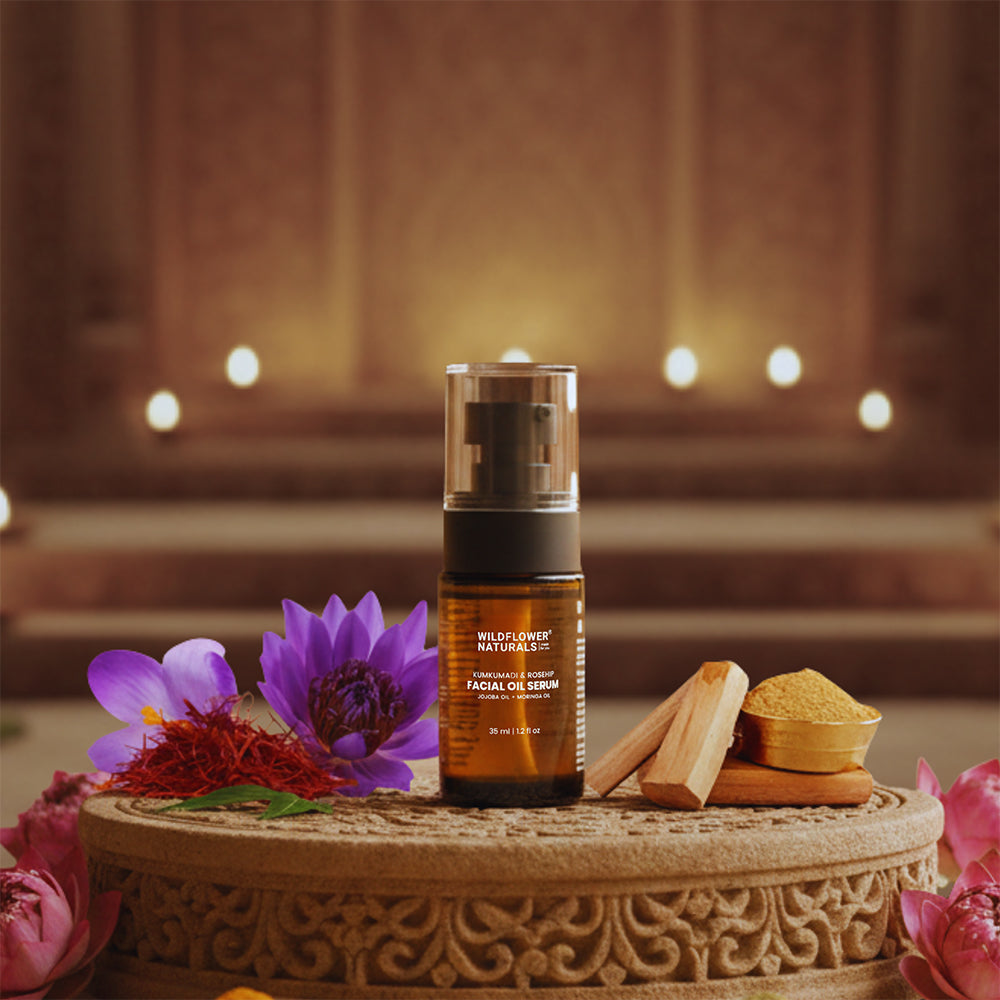
- Kumkumadi or similar botanical extracts that enhance skin radiance and even tone
- Gentle, nourishing bases that support the skin barrier without clogging pores
- Skin-friendly antioxidants to protect against environmental damage
These ingredients make the sunscreen suitable for daily use while keeping combination skin healthy and balanced. A complete grooming routine may also include targeted skin care products for men for those looking for gender-specific formulations.

What to Avoid in Sunscreen for Combination Skin
Avoiding the wrong ingredients is just as important as choosing the right ones. Do not use:
- Thick cream-based sunscreens that are too heavy for oily zones
- Formulas containing heavy oils that sit on the skin surface
- Sunscreens that leave a white or chalky cast
- Alcohol-heavy formulas that overdry dry areas and irritate sensitive skin
Being selective helps prevent breakouts, dryness, and uneven skin texture.
Texture Matters - Cream vs Gel vs Invisible Moisturiser
Understanding the texture is critical when deciding which sunscreen is best for combination skin.
Cream Sunscreens
- Provide hydration for dry areas
- Can be too rich for oily T-zone, leading to shine and breakouts
Gel Sunscreens
- Lightweight and fast-absorbing
- Ideal for oily areas but may lack hydration for dry cheeks
Invisible Moisturiser Sunscreens
- Perfect hybrid solution
- Hydrates dry areas while remaining light on oily zones
- Provides a smooth, non-greasy finish
Invisible moisturiser sunscreens are often the most versatile choice for combination skin, hydrating dry areas while remaining light on oily zones and providing a smooth, non-greasy finish. Many of these hybrid formulations are crafted by experienced cosmetic manufacturers in Kolkata who specialize in lightweight, skin-friendly products suited for varied skin types and humid climates.
The Ideal Solution for Combination Skin
Wildflower Naturals Kumkumadi Donkey Milk SPF 50 Dew Drops Invisible Moisturiser
Key Highlights:
- SPF 50 PA+++ broad-spectrum protection
- UVA + UVB shielding
- Water-resistant, ideal for Indian climate
- Invisible moisturiser texture, lightweight, non-greasy
- Hyaluronic acid for balanced hydration
- Kumkumadi for radiance
- Solves both oily T-zone and dry cheek concerns
- No heavy white cast
This formula balances hydration and oil control, making it a top answer to which sunscreen is best for combination skin.
How to Apply Sunscreen on Combination Skin
Step-by-Step Application
- Cleanse your face thoroughly to remove dirt, oil, and impurities
- Apply a lightweight moisturiser to dry areas if needed
- Use the two-finger rule to measure sunscreen for face coverage
- Blend evenly across the face, including T-zone and cheeks
- Reapply every 2–3 hours, or immediately after sweating or swimming
Pro Tips for T-Zone
- Apply slightly less sunscreen in oily areas if prone to shine
- Blot excess oil before reapplication to maintain a matte look
- Layering a thin, breathable sunscreen over makeup is possible with invisible moisturisers
For a complete self-care routine, maintaining healthy strands with quality hair care products for women can complement your skincare regimen.
Final Verdict
The best sunscreen for combination skin is lightweight, hydrating yet breathable, broad-spectrum SPF 50 PA+++, and non-comedogenic. Invisible moisturiser formulas meet all these requirements, offering balanced protection for both oily and dry areas. For those who prefer some skin-evening coverage alongside protection, tinted sunscreen as an option is also worth exploring — it delivers both sun defense and a light, skin-balancing finish well suited to combination skin. Look for water-resistant options enriched with hyaluronic acid and botanical extracts to maintain healthy, radiant skin. Consistent use will prevent breakouts, dryness, and sun-induced damage, making it the ultimate solution for combination skin.
Read Our Latest Blog
night face care routine | daily face care routine | men's face care routine | face care routine for women | morning face care routine | skin care for oily face | face care routine for oily skin | step by step face care | face care in summer | skin care routine for men | skin care for men | hair care routine for men | best skin care routine for men | lip care for men
Frequently Asked Questions
Q1. Can combination skin use gel sunscreen?
Ans: Yes, gel sunscreens are excellent for oily areas but may need a lightweight moisturizer underneath for dry cheeks. Gel formulas absorb quickly and prevent shine while still offering sun protection.
Q2. Is SPF 50 necessary for daily use on combination skin?
Ans: SPF 50 is recommended because it provides sufficient protection against UVA and UVB rays, especially in tropical climates. SPF 30 may not fully prevent pigmentation and sun damage over long exposure.
Q3. Should I use different sunscreens for oily and dry areas?
Ans: It is better to use a single hybrid sunscreen such as an invisible moisturiser that balances hydration and oil control. Using multiple products can create uneven coverage and reduce effectiveness.
Q4. Can sunscreen replace moisturizer for combination skin?
Ans: Only if the sunscreen contains hydrating ingredients like hyaluronic acid or glycerin. Otherwise, layering a lightweight moisturizer before sunscreen is advisable to maintain comfort in dry areas.
Q5. How often should I reapply sunscreen?
Ans: Reapply every 2–3 hours, especially if you are outdoors, sweating, or swimming. Water-resistant formulas help maintain protection, but frequent reapplication ensures maximum effectiveness.
Q6. Will invisible moisturiser sunscreens leave a white cast?
Ans: High-quality invisible moisturisers do not leave a white cast. They are designed to blend seamlessly into all skin tones while providing broad-spectrum protection.
Q7. Can I wear sunscreen under makeup?
Ans: Yes, invisible moisturisers and gel sunscreens layer well under foundation. Apply sunscreen first, allow it to absorb, then apply makeup for smooth coverage.
Q8. Are natural ingredients like Kumkumadi safe for combination skin?
Ans: Yes, natural ingredients like Kumkumadi brighten skin and support radiance without making oily zones greasy. They are gentle, nourishing, and suitable for long-term use on combination skin.


Leave a comment
This site is protected by hCaptcha and the hCaptcha Privacy Policy and Terms of Service apply.