

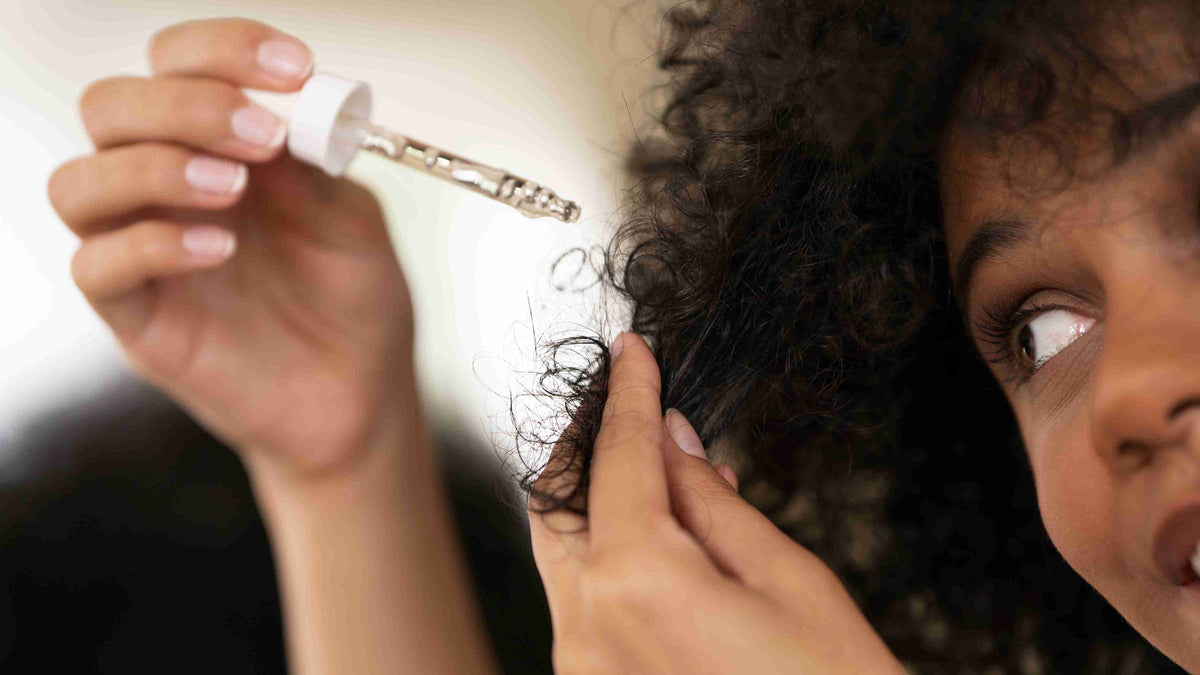
The best hair serum for frizzy hair is one that suits your hair texture, dryness level, and styling needs. Look for a lightweight formula that smooths the appearance of flyaways, improves manageability, and adds softness without making strands greasy or heavy. Application technique matters just as much as the formula.
The best hair serum for frizzy hair depends on what is causing your frizz, from humidity and dryness to heat styling and hair damage. A good serum can make strands look smoother, softer, and easier to manage. At Wildflower Naturals, thoughtful haircare begins with understanding what your hair actually needs. The right choice could change how your everyday hair routine feels.
What Is the Best Hair Serum for Frizzy Hair?
There is no single serum that works identically for every head of hair. Fine strands, thick hair, curls, chemically treated lengths and dry ends can all respond differently to the same formula.
A useful serum should help smooth the hair's surface, reduce the appearance of flyaways, add shine and make styling easier. For dry or rough-feeling hair, a formula with conditioning or nourishing ingredients may feel more comfortable. Fine hair, on the other hand, usually benefits from a lighter texture that does not leave the lengths weighed down.
The most important thing is to choose according to your hair type, texture and concern, rather than buying a product simply because it carries an “anti-frizz” label.
Why Does Hair Become Frizzy?
Frizz is rarely caused by one thing. Your environment, hair condition and everyday habits can all influence how smooth or unruly your hair looks.
Humidity and Moisture in the Air
Humidity is one of the most common reasons hair becomes difficult to manage. Hair that is dry or porous can interact with moisture in the surrounding air, causing strands to swell and change shape.
This is particularly noticeable during humid weather, when a hairstyle that looked polished earlier in the day may become puffier or develop flyaways.
Dryness and Moisture Loss
When hair feels dry, the outer surface can look rough rather than smooth. Frequent washing, heat styling, sun exposure and certain chemical treatments can contribute to dryness.
A consistent conditioning routine is therefore important. A serum can complement that routine by improving the way the hair looks and feels, particularly through the lengths and ends.
Heat Styling and Hair Damage
Regular use of straighteners, curling irons and high-heat blow-drying can leave hair feeling dry and less manageable. Over time, damaged lengths may also become more prone to breakage and visible frizz.
A serum should not be treated as a cure for structural damage. It can, however, provide cosmetic smoothing and conditioning that makes hair easier to style.
Friction and Everyday Hair Habits
Small habits can also make a difference. Rough towel drying, vigorous brushing and repeatedly touching the hair can contribute to a less polished appearance.
Gentler handling, appropriate conditioning and careful product application can help create a smoother-looking finish.
How Does Hair Serum Help Control Frizz?
A hair serum generally works as a finishing or styling step rather than replacing shampoo, conditioner or a nourishing hair treatment.
Depending on its formulation, it can:
- Smooth the appearance of individual strands
- Reduce visible flyaways
- Improve softness and manageability
- Add a healthy-looking shine
- Make combing and styling easier
- Give dry-looking lengths a more polished finish
Think of serum as the final touch that helps your hair look more controlled. It is especially useful when your main concern is the appearance and manageability of frizz, rather than treating an underlying scalp or hair condition.
What Should You Look for in a Hair Serum?
When comparing products, look beyond the front label. The texture, ingredients and intended use can tell you much more about whether a serum is suitable for your routine.
Lightweight Smoothing Ingredients
A serum should spread easily through the lengths without requiring a large quantity. This is particularly important if your hair is fine or tends to become oily quickly.
Hydrating and Conditioning Ingredients
Dry hair generally benefits from ingredients that help improve softness and reduce the rough feel associated with dryness. Depending on the formulation, these may include conditioning agents, humectants or nourishing oils.
Botanical Oils and Extracts
Plant-derived oils and extracts can be useful additions to a haircare routine when formulated appropriately. They may contribute to softness, shine and conditioning.
However, “natural” does not automatically mean “better” for every hair type. What matters is the overall formulation and whether the texture suits your strands.
A Texture That Matches Your Hair
The right consistency matters. A rich serum may work beautifully on thick, coarse or very dry lengths but feel excessive on fine hair. A lightweight formula may be easier for fine or straight hair to handle.
Start with a small amount and build only if necessary.
Best Serum for Different Hair Concerns
Choosing according to your specific concern makes the decision much easier.
For Dry and Frizzy Hair
Look for a conditioning formula that leaves the lengths feeling softer and more comfortable. Apply a small amount to the mid-lengths and ends, particularly where dryness is most visible.
For Damaged Hair
If your hair has been exposed to frequent heat or chemical processing, focus on conditioning and smoothing rather than expecting a serum to reverse damage.
A good routine should include gentle cleansing, regular conditioning and appropriate styling practices alongside your serum.
For Curly and Wavy Hair
Curly and wavy hair can naturally have more visible texture, so the goal should not necessarily be perfectly straight-looking hair. Choose a product that helps control unwanted flyaways while allowing your natural pattern to remain visible. For a more complete approach, this guide on a curly hair care routine covers styling and maintenance beyond serum alone.
Apply sparingly to avoid making curls feel coated or heavy.
For Fine Hair
Fine hair usually needs less product. Choose a lightweight texture and concentrate it on the ends rather than applying a generous amount throughout the hair.
If your strands lose volume easily, using too much serum can make them appear flat.
For Thick or Coarse Hair
Thicker hair may tolerate a richer smoothing product. Work in small sections if necessary and distribute the product evenly rather than concentrating it in one area.
For Frizz in Humid Weather
In humid conditions, focus on smoothing and controlled styling. A serum can help create a more polished appearance, but your results will also depend on your hair's condition and the rest of your routine.
Hair Serum vs Hair Oil: Which One Should You Use?
Hair serum and hair oil can have different roles, so choosing between them depends on what you want from your routine.
Hair serum is generally used as a lightweight smoothing or finishing step. It can help with manageability, shine and the appearance of flyaways.
Hair oil is typically used as a more nourishing or conditioning step and may feel richer on the hair.
They do not necessarily need to compete. If your routine includes both, use each according to its intended purpose rather than layering large amounts of product.
For example, Hair Revival Oil with Essential Herbs to Curb Hairfall can complement a broader haircare routine when nourishment is part of your focus. Our full range of men's hair care products includes both nourishing and finishing options for this reason. A finishing product can then be used separately when you want smoother-looking lengths.
How to Apply Hair Serum Correctly
Even an excellent product can feel ineffective if too much is used or it is applied in the wrong place.
Step 1: Start with Clean, Damp or Dry Hair
Follow the instructions for your particular product. Many smoothing products can be used on damp hair before styling or on dry hair as a finishing step.
Step 2: Start with a Small Amount
Less is usually a better starting point. Place a small quantity in your palm and add more only if your hair genuinely needs it.
Step 3: Warm and Distribute the Product
Rub the serum lightly between your palms before application. This helps spread it more evenly instead of depositing too much product in one spot.
Step 4: Apply from Mid-Lengths to Ends
Unless the product specifically says otherwise, keep your application focused on the lengths and ends. These areas often need the most smoothing.
Step 5: Smooth Through the Hair
Use your fingers or a suitable comb to distribute the serum. Pay attention to visibly frizzy areas, but avoid repeatedly coating the same section.
Step 6: Style as Desired
Once distributed, style your hair as usual. If you need additional product, add it gradually rather than applying a large amount at once.
Common Mistakes to Avoid When Using Hair Serum
Knowing what not to do can make your routine much more effective.
- Using too much: Excess serum can make hair appear greasy or limp.
- Applying heavily to the scalp: Most smoothing serums are designed for the lengths and ends rather than the scalp.
- Choosing only by marketing claims: “Anti-frizz” does not tell you whether the texture is suitable for your hair.
- Expecting permanent repair: A serum can improve the appearance and feel of hair, but severely damaged strands still need appropriate care and, sometimes, trimming.
- Ignoring your overall routine: A serum cannot compensate for consistently harsh heat, rough handling or inadequate conditioning.
- Using the same quantity every day: Your hair may need more or less product depending on the weather, wash day and styling routine.
How to Choose the Right Serum for Your Hair Type
A simple decision framework can help:
- Fine, straight hair: Choose a lightweight serum and use a very small amount.
- Dry hair: Look for conditioning and moisture-supportive ingredients.
- Curly or wavy hair: Prioritise softness and frizz control without flattening your natural texture.
- Thick or coarse hair: Consider a richer smoothing texture if lighter products do not provide enough control.
- Heat-styled hair: Focus on conditioning and follow the product's directions regarding heat protection.
- Humid-weather frizz: Look for a formula designed to smooth and improve manageability.
The right product should make your routine simpler, not turn it into another complicated step. If you're shopping for someone else, our hair care products for women collection makes it easy to find a fitting option.
Can You Use Hair Serum Every Day?
Yes, many people can use a hair serum regularly, provided the formula suits their hair and they use an appropriate amount.
Daily application does not mean repeatedly coating the hair with large quantities. Start small, concentrate on the lengths, and adjust according to how your hair feels and looks.
If your hair becomes heavy, greasy, or coated, reduce the amount or frequency.
Is Hair Serum Good for Dry and Frizzy Hair?
A suitable serum can be helpful for dry, frizzy hair because it can improve softness, smoothness and manageability. However, it should complement, not replace, a good cleansing and conditioning routine.
If dryness is persistent, consider the bigger picture: how often you wash your hair, the temperature of your styling tools, how you handle wet hair and whether your conditioner provides enough conditioning for your texture. This roundup of best hair care brands can also help you compare formulations if you're unsure where to start.
What Is the Best Hair Serum for Frizzy Hair?
The answer depends on your hair. A fine-haired person may prefer a light serum, while thick or very dry hair may benefit from a richer texture.
Instead of searching for one universal winner, assess the product's texture, ingredients, intended use and compatibility with your hair type. That approach is more useful than choosing based on popularity alone.
Build a Thoughtful Haircare Routine with Wildflower Naturals
Frizz is easier to manage when you stop treating it as a single problem. Your hair texture, moisture level, environment, styling habits and product choices all play a part. If you're building a routine from scratch, these hair care tips for men are a good place to begin.
Wildflower Naturals approaches personal care through natural, artisanal and cruelty-free products, with its broader philosophy centred on helping people feel confident in their own individual beauty. Its haircare range includes products designed around nourishment and styling rather than a one-size-fits-all approach.
For nourishment-focused care, Hair Revival Oil with Essential Herbs to Curb Hairfall can be part of a considered hair routine. For styling and everyday control, Hair Styling Wax for Men with Oudh and Sage is designed to provide flexible hold, texture, and frizz control without a stiff finish. Wildflower Naturals' own guidance recommends starting with a small quantity and building gradually when using styling wax. If you're looking for a gifting option, our skin care gift hampers also pair well with haircare essentials.
Choose Haircare That Works With Your Hair, Not Against It
The best hair serum for frizzy hair is ultimately the one that fits your individual hair type, routine and styling goals. Start with the right texture, use a small amount, apply it thoughtfully and give your overall haircare routine equal attention.
Ready to make frizz easier to manage? Explore Wildflower Naturals and discover thoughtfully crafted haircare products that bring natural care and everyday styling together, because good hair days should feel effortless, not complicated.
Frequently Asked Questions
Q1. How should I apply hair serum for the best results?
Start with a small amount, warm it between your palms and distribute it through the mid-lengths and ends. Add more only if needed.
Q2. Can I use hair serum on curly hair?
Yes. Choose a lightweight or conditioning formula and apply sparingly to control unwanted flyaways while preserving your natural curl or wave pattern.
Q3. Is hair serum suitable for dry hair?
Yes. A conditioning serum can make dry-looking lengths feel softer and appear smoother, especially when used alongside regular conditioning.
Q4. Will hair serum permanently remove frizz?
No. Serum can temporarily improve the appearance and manageability of frizz, but humidity, dryness, texture and hair damage can continue to influence how your hair behaves.
Q5. What ingredients should I look for in a frizz-control serum?
Look for ingredients that provide conditioning, smoothing, or moisture support. The complete formulation and texture matter more than choosing one ingredient in isolation.
Q6. Why does my hair still look frizzy after using serum?
You may be using too little, too much, or a formula that does not suit your hair. Humidity, dryness, damage, and application technique can also affect the result.
Q7. What is the best hair serum for frizzy hair in humid weather?
Choose a serum designed for smoothing and manageability, then apply it sparingly to the lengths and ends. Your overall conditioning and styling routine also matters.
Q8. Can I use hair oil and serum together?
Yes. They can serve different purposes. Use your oil according to its intended routine and apply a small amount of serum separately when you need additional smoothing or finishing.




Leave a comment
This site is protected by hCaptcha and the hCaptcha Privacy Policy and Terms of Service apply.