


Quick Answer: Yes, you can apply sunscreen without moisturizer, but whether it is advisable depends on your skin type, the climate, and the specific sunscreen formula you use. Oily or acne-prone skin can often skip a separate moisturizer if the sunscreen is hydrating. Dry, sensitive, or barrier-compromised skin usually benefits from layering a moisturizer first. Sunscreen provides protection, moisturizer provides hydration, and together they support long-term skin health.
Many people ask, “can I apply sunscreen without moisturizer?” especially when mornings are rushed or the weather is humid. The short answer is yes, it is possible to skip moisturizer under certain circumstances. However, whether you should do so depends on your skin type, the ingredients in your sunscreen, and the condition of your skin barrier. In this guide, we will explore the nuances of layering, how modern sunscreens may provide hydration, and practical advice for every skin type, so you can make an informed choice without compromising protection.
Understanding the Roles of Moisturizer and Sunscreen
What Does a Moisturizer Do?
Moisturizer plays a crucial role in maintaining healthy, resilient skin. Its main functions include:
- Strengthening the skin barrier to protect against environmental damage, pollutants, and irritants
- Preventing transepidermal water loss, which keeps your skin hydrated throughout the day
- Maintaining overall hydration levels to prevent tightness, flaking, or rough patches
- Supporting skin repair and healing, especially if the skin is exposed to harsh treatments or UV damage
Moisturizer works to ensure your skin remains supple, smooth, and resilient. Even if your sunscreen has some hydrating properties, relying solely on it may not be enough for optimal barrier function. For a complete routine, consider choosing targeted skin care products for women that help maintain hydration and strengthen the skin barrier.
What Does Sunscreen Do?
Sunscreen is primarily designed to protect the skin from ultraviolet rays, and it does this very effectively:
- Shields the skin from UVA rays that contribute to premature aging and wrinkles
- Protects against UVB rays that cause sunburn and direct DNA damage
- Prevents hyperpigmentation, dark spots, and uneven skin tone
- Reduces long-term risk of skin cancer and other UV-related skin conditions
Sunscreen, therefore, is an essential tool for protection, but it does not replace the hydration function of a moisturizer in most cases. Men can also maintain healthy, protected skin by incorporating suitable skin care products for men into their daily regimen.
Where Modern Formulas Blur the Line
Today, many sunscreens contain added hydrating ingredients, which can sometimes allow you to skip a separate moisturizer, depending on your skin type:
- Gel-based sunscreens are lightweight, non-greasy, and suitable for oily skin
- Cream-based sunscreens offer more nourishment for dry skin
- Hybrid formulas combine SPF with emollients and humectants to provide some hydration while protecting the skin
Even with these advancements, it is important to assess your skin’s needs and determine if a moisturizer is still necessary.
Can I Apply Sunscreen Without Moisturizer?
When You Can Skip Moisturizer
In certain situations, it is safe to skip moisturizer and go straight to sunscreen. You might consider this if:
- You have oily or acne-prone skin that does not tolerate additional layers well
- You live in a humid climate where your skin retains moisture naturally
- Your sunscreen contains hydrating ingredients such as glycerin, hyaluronic acid, or squalane
- You prefer a minimalistic skincare routine and want to reduce the number of products applied
If you have excess oil production, pairing SPF with suitable oily skin care products can help balance the skin without heaviness. Even when skipping moisturizer, it is essential to ensure your sunscreen is broad-spectrum and adequately protects from both UVA and UVB rays.
When You Should Not Skip Moisturizer
For many skin types, especially dry or sensitive skin, skipping moisturizer is not recommended. Moisturizer should be applied first if:
- Your skin is dry, rough, or flaky
- Your skin barrier is compromised due to aging, irritation, or medical conditions
- You are using retinol, acids, or other exfoliating treatments that can increase sensitivity
- You live in cold or dry climates where the skin tends to lose moisture rapidly
For persistent dryness, incorporating nourishing dry skin care products can significantly improve comfort and barrier strength. Moisturizer ensures the skin stays hydrated, soft, and able to absorb sunscreen effectively without causing flaking or uneven coverage.
Dermatologist Recommendations
Dermatologists generally advise:
- Layering a lightweight moisturizer first and following with sunscreen for most skin types
- Using multi-functional SPF products with hydrating ingredients if you prefer fewer steps in your routine
- Prioritizing hydration and protection together, as both are critical for healthy skin
Skin-Type Specific Recommendations
Oily Skin
- Use gel or fluid sunscreen that is non-comedogenic
- You may skip moisturizer if your sunscreen contains hydrating ingredients
- Avoid heavy creams that may increase breakouts
Dry Skin
- Always apply a nourishing moisturizer before sunscreen
- Choose SPF with ceramides, hyaluronic acid, or oils for added hydration
- Reapply sunscreen throughout the day to maintain skin comfort
Combination Skin
- Moisturize dry areas while applying a hydrating SPF to oily zones
- Lightweight creams or hybrid SPF formulas work best
- Adjust layering based on your T-zone and cheeks
Sensitive Skin
- Use fragrance-free, gentle moisturizers under sunscreen
- Mineral sunscreens with zinc oxide or titanium dioxide are less irritating
- Test new products before full-face application
Acne-Prone Skin
- Select non-comedogenic, oil-free sunscreen
- Gel or water-based SPF can sometimes replace moisturizer
- Layer moisturizer only if your skin feels tight or irritated
The Science Behind Hydration and SPF Layering
Does Sunscreen Replace Moisturizer?
Sunscreen’s main function is protection. While some sunscreens include humectants and emollients, they cannot fully replace a dedicated moisturizer, especially for dry, sensitive, or aging skin. Using both moisturizer and sunscreen ensures optimal hydration, barrier protection, and a smoother, more comfortable application. Skipping moisturizer may lead to dryness, tightness, or uneven SPF coverage.
Ingredients to Look For
When choosing a sunscreen that can also hydrate, check for:
- Hyaluronic Acid to attract and retain moisture
- Glycerin for humectant benefits
- Ceramides to support the skin barrier
- Niacinamide to soothe and improve texture
- Occlusives like shea butter or plant oils to lock in hydration
Simplify Your Skincare Routine with Wildflower Naturals
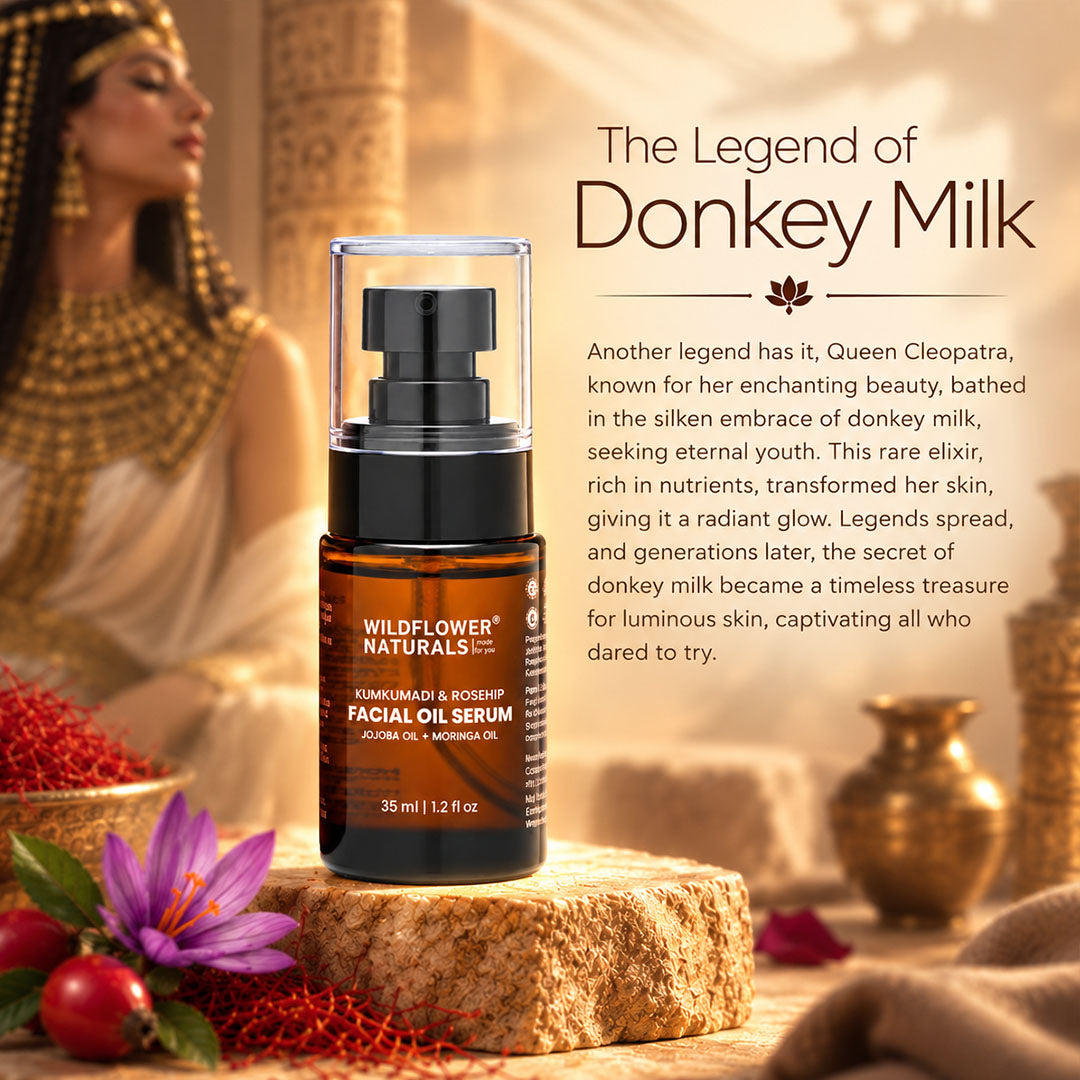
If you’ve ever wondered can I apply sunscreen without moisturizer, Wildflower Naturals makes it simple. Their Kumkumadi Donkey Milk SPF 50 Dew Drops combine hydration and high SPF protection in one lightweight formula. Perfect for those who want fewer layers without compromising skin health.
Why choose Wildflower Naturals Dew Drops?
- Broad-spectrum SPF 50 protection against UVA and UVB rays
- Infused with Kumkumadi oil for brightening and Ayurvedic care
- Donkey milk for gentle, nourishing hydration
- Dew-finish texture that leaves skin soft, glowy, and protected
You can complement your skincare routine with a full range of hair care products for women for complete beauty and self-care. Take the first step to simpler, healthier skin today, explore Wildflower Naturals Kumkumadi Donkey Milk SPF 50 Dew Drops and enjoy effortless hydration with full sun protection.

Common Mistakes to Avoid
- Applying too little sunscreen
- Skipping reapplication throughout the day
- Assuming all SPF formulas are hydrating
- Using sunscreen that does not match your skin type
Final Verdict
So, can I apply sunscreen without moisturizer? Yes, it is possible for oily or acne-prone skin using hydrating SPF. However, most skin types benefit from applying moisturizer first to maintain hydration, barrier strength, and comfort. The most important rule is never to skip sunscreen, regardless of your routine. Hydration and protection together keep your skin healthy, comfortable, and shielded from long-term damage.
Read Our Latest Blog
Which Sunscreen Is Best For Dry Skin | How To Apply Sunscreen | Which SPF Sunscreen Is Best | Can We Apply Sunscreen At Night | Does Sunscreen Prevent Tanning | Which Sunscreen Is Best For Combination Skin | skin care for oily face | face care routine for oily skin | step by step face care | face care in summer | skin care routine for men | skin care for men | hair care routine for men | best skin care routine for men | lip care for men
Frequently Asked Questions
Q1. How do I know if my sunscreen is moisturizing enough?
Ans: Look for ingredients such as hyaluronic acid, glycerin, or squalane. If your skin feels tight after application, a separate moisturizer may be necessary.
Q2. How long should I wait between moisturizer and sunscreen?
Ans: Wait 1 to 2 minutes to allow your moisturizer to absorb fully. This prevents pilling and ensures both layers work effectively.
Q3. Can sunscreen alone hydrate dry skin?
Ans: Hydrating sunscreens can provide some moisture, but they usually do not fully replace a dedicated moisturizer for dry skin. Layering is recommended.
Q4. Can I skip moisturizer if my sunscreen has hyaluronic acid?
Ans: For slightly dry or oily skin, yes. For very dry or sensitive skin, moisturizer is still advised.
Q5. Is it bad to apply sunscreen directly on dry skin?
Ans: It will not harm the skin, but sunscreen may feel uncomfortable or appear flaky. Moisturizer ensures smooth coverage.
Q6. Is moisturizer necessary under SPF 50?
Ans: Yes. SPF protects against UV rays but does not provide sufficient hydration. Moisturizer supports barrier function and prevents tightness.
Q7. Will skipping moisturizer cause breakouts?
Ans: Not directly. However, dry skin may overproduce oil to compensate, which could contribute to breakouts.
Q8. Will sunscreen work properly without moisturizer?
Ans: Yes, sunscreen efficacy is not reduced by skipping moisturizer. Moisturizer only affects hydration and comfort, not UV protection.





Leave a comment
This site is protected by hCaptcha and the hCaptcha Privacy Policy and Terms of Service apply.