

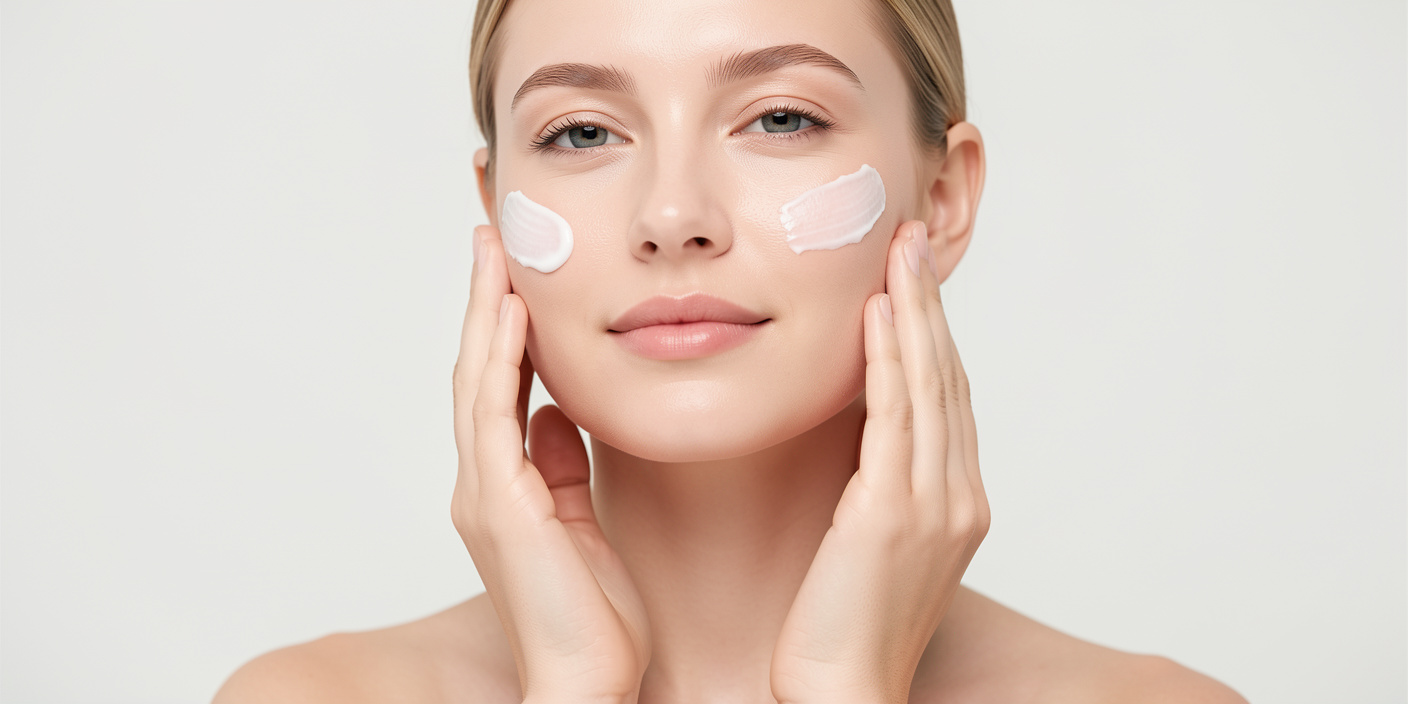
Quick Answer: No, we cannot apply sunscreen at night. Sunscreen is formulated to protect the skin from UVA and UVB rays during daylight hours. At night, there is no sun exposure, so applying sunscreen offers no benefits. Using sunscreen at night may even interfere with your skin’s natural repair and hydration processes. Nighttime skincare should focus on nourishment, repair, and hydration.
Many skincare enthusiasts often ask, can we apply sunscreen at night. With the rise of beauty blogs and social media skincare advice, confusion about sunscreen use has increased. While the idea of round-the-clock protection sounds appealing, sunscreen is designed to prevent damage from sunlight, not to be used as a nighttime product. In this article, we will explain the science behind sunscreen, clarify common misconceptions, and suggest the best skincare practices for nighttime use. By the end, you will understand why sunscreen is unnecessary at night and what ingredients truly benefit your skin while you sleep.
What Sunscreen Is and How It Works
Sunscreen is a skincare product specifically formulated to protect the skin from harmful ultraviolet rays. It functions by either reflecting, scattering, or absorbing UV radiation. Understanding how sunscreen works can help answer the question, can we apply sunscreen at night.
Key points about sunscreen include:
- SPF or Sun Protection Factor: SPF indicates how well a product protects against UVB rays, which are primarily responsible for sunburn. Higher SPF numbers mean greater protection.
- UVA Protection: UVA rays penetrate deeper into the skin and contribute to premature aging, wrinkles, and long-term skin damage. Broad-spectrum sunscreens cover both UVA and UVB rays.
- Active Ingredients: Sunscreens may use physical blockers such as zinc oxide or titanium dioxide, which sit on the skin’s surface to reflect UV rays, or chemical absorbers like avobenzone and octocrylene, which absorb UV radiation.
- Additional Benefits: Some sunscreens include antioxidants to help neutralize free radicals, but these are primarily effective when combined with UV protection.
It is important to note that sunscreen is formulated for protection against sunlight exposure. Applying it at night does not provide meaningful benefits because there is no UV radiation after sunset. This directly answers why we cannot apply sunscreen at night.
Choosing the right routine also depends on your skin type, whether you use oily skin care products or other targeted formulations.
Can We Apply Sunscreen at Night?
The clear answer is no. We cannot apply sunscreen at night because the skin does not face UV exposure after sunset. Sunscreen is meant to prevent damage from ultraviolet rays, which are absent at night.
Using sunscreen at night:
- Offers no protective benefits
- Can create a heavy or greasy layer on the skin
- May interfere with the absorption of night-specific skincare products
Some people mistakenly believe that leaving sunscreen on overnight provides extra protection, but in reality, it may lead to clogged pores, irritation, or reduced effectiveness of nighttime skincare products. Therefore, asking can we apply sunscreen at night should be answered simply with no, and focus should shift to night repair routines.

Why Sunscreen at Night Doesn’t Work
Even though some may consider using sunscreen at night, it is scientifically ineffective for several reasons:
- Sunscreen protects against UV, not nighttime factors: Sunscreen is formulated to absorb or block UV rays from sunlight. At night, when no UV rays are present, sunscreen cannot offer protection, making its use unnecessary.
- Some ingredients in sunscreen can disrupt skin repair: Certain chemical sunscreens contain stabilizers, alcohols, or fragrance that may irritate the skin if left on overnight. These ingredients may interfere with the skin’s natural repair mechanisms, which are most active during sleep.
- May lead to clogged pores or irritation during sleep: Applying sunscreen at night can trap oils, dirt, and debris on the skin surface. This can cause breakouts, clogged pores, and irritation, especially if heavier formulas are used.
In conclusion, the science behind sunscreen demonstrates why we cannot apply sunscreen at night without risking skin irritation or reduced benefits from proper night care. This applies equally to routines built with skin care products for women or any other skincare category.
When People Might Think Sunscreen Is Helpful at Night
There are several misconceptions that lead people to consider applying sunscreen at night:
- Protection from blue light: Many believe that screens emit harmful rays that require sunscreen. Research shows that everyday screen exposure does not necessitate sunscreen application.
- Pollution protection: Some think sunscreen shields skin from environmental pollutants. While antioxidants help combat free radical damage, sunscreen itself is not formulated for pollution defense.
- Anti-aging benefits: Sunscreen is effective against photoaging from UV rays during the day. Nighttime skin repair requires serums and moisturizers with active ingredients like peptides or retinoids rather than SPF.
These myths often lead to the question, can we apply sunscreen at night, which has a straightforward answer: sunscreen is unnecessary and ineffective after dark.
What to Use at Night Instead
Nighttime skincare should focus on repairing and nourishing the skin. Ideal ingredients include:
- Retinoids: Encourage collagen production and accelerate skin cell turnover, reducing fine lines and improving texture.
- Peptides: Support the structural integrity of the skin and promote firmness.
- Ceramides: Help restore the skin barrier and retain moisture.
- Hyaluronic Acid: Provides deep hydration and maintains skin elasticity.
Instead of sunscreen, a proper night routine should include a gentle cleanser, hydrating serum, treatment products for specific concerns, and a nourishing moisturizer. This approach ensures the skin can repair itself efficiently overnight while maintaining hydration and preventing damage. If your skin feels tight or flaky, incorporating dry skin care products can further enhance nighttime hydration.
Day vs Night Skincare
Daytime skincare focuses on:
- Protection from UV damage using sunscreen
- Antioxidant serums to neutralize free radicals
- Lightweight moisturizers that do not feel heavy under makeup
- Occasionally, makeup or primers to protect skin and improve appearance
Nighttime skincare focuses on:
- Repair and regeneration through retinoids, peptides, or ceramides
- Rich moisturizers that nourish and hydrate skin deeply
- Exfoliation using AHA or BHA (2 to 3 times per week)
- Avoiding products designed solely for UV protection, like sunscreen
This comparison highlights why we cannot apply sunscreen at night and why night-specific products are more beneficial. Tailoring routines with suitable skin care products for men or gender-specific formulations can also improve overall skin health.
Expert Dermatologist Tips
- Apply sunscreen consistently every morning, even on cloudy days, to protect against UVA and UVB rays.
- Patch test new products to prevent irritation or breakouts.
- Choose broad-spectrum SPF to cover both UVA and UVB rays.
- Pair sunscreen with lightweight hydrating serums to ensure skin stays nourished during the day.
- Focus on night skincare for repair, hydration, and maintaining skin health.
A complete beauty routine may also include hair care products for women to maintain overall personal care alongside healthy skin.
Ready to Protect Your Skin the Right Way?
For effective daytime protection, try Wildflower Naturals Kumkumadi & Donkey Milk SPF 50 Dew Drops Invisible Moisturiser with Hyaluronic Acid. This lightweight, broad-spectrum sunscreen shields your skin from UVA and UVB rays while hydrating and nourishing it, making it the perfect final step in your morning skincare routine. Applying sunscreen every morning is essential for long-term skin health and preventing sun-related damage.
Final Verdict
To answer the central question, can we apply sunscreen at night, the answer is no. Sunscreen is designed to protect the skin from UV exposure during the day, not for use at night. Nighttime skincare should prioritize repair, hydration, and nourishment. Using night cream alternatives to sunscreen such as products with retinoids, peptides, ceramides, and hyaluronic acid supports healthy skin regeneration while sleeping, leaving your skin ready for the next day's sun exposure.
Read Our Latest Blog
night face care routine | daily face care routine | men's face care routine | face care routine for women | morning face care routine | skin care for oily face | face care routine for oily skin | step by step face care | face care in summer | skin care routine for men | skin care for men | hair care routine for men | best skin care routine for men | lip care for men
Frequently Asked Questions
Q1. Can I use sunscreen under my makeup at night?
Ans: No. Sunscreen under makeup at night is unnecessary and may contribute to clogged pores and irritation. Nighttime routines should focus on repairing and hydrating the skin.
Q2. Do you need sunscreen at night if you work under indoor lighting?
Ans: No. Standard indoor lighting emits negligible UV radiation, so sunscreen is not required. Nighttime repair products are more effective.
Q3. Can sunscreen help with anti-aging at night?
Ans: Sunscreen prevents UV-induced photoaging during the day. At night, anti-aging benefits are best achieved through ingredients like retinoids, peptides, and antioxidants.
Q4. What replaces sunscreen in a night skincare routine?
Ans: Night routines should focus on hydration, barrier repair, and cell regeneration using products containing hyaluronic acid, ceramides, retinoids, or peptides.
Q5. Can sunscreen at night prevent blue light damage?
Ans: No. Standard sunscreens are not formulated to block blue light from screens. Proper night skincare products are more effective for repair and maintenance.
Q6. Is it harmful to leave sunscreen on overnight?
Ans: Leaving sunscreen on overnight may irritate skin, clog pores, and reduce the effectiveness of night creams and serums.
Q7. How often should I reapply sunscreen during the day?
Ans: Sunscreen should be reapplied every 2 hours when outdoors, or after sweating, swimming, or towel-drying to maintain protection.
Q8. Can I use a lightweight SPF moisturizer at night?
Ans: It is unnecessary. Nighttime skincare should focus on nourishing and repair-focused products rather than UV protection.

Leave a comment
This site is protected by hCaptcha and the hCaptcha Privacy Policy and Terms of Service apply.