

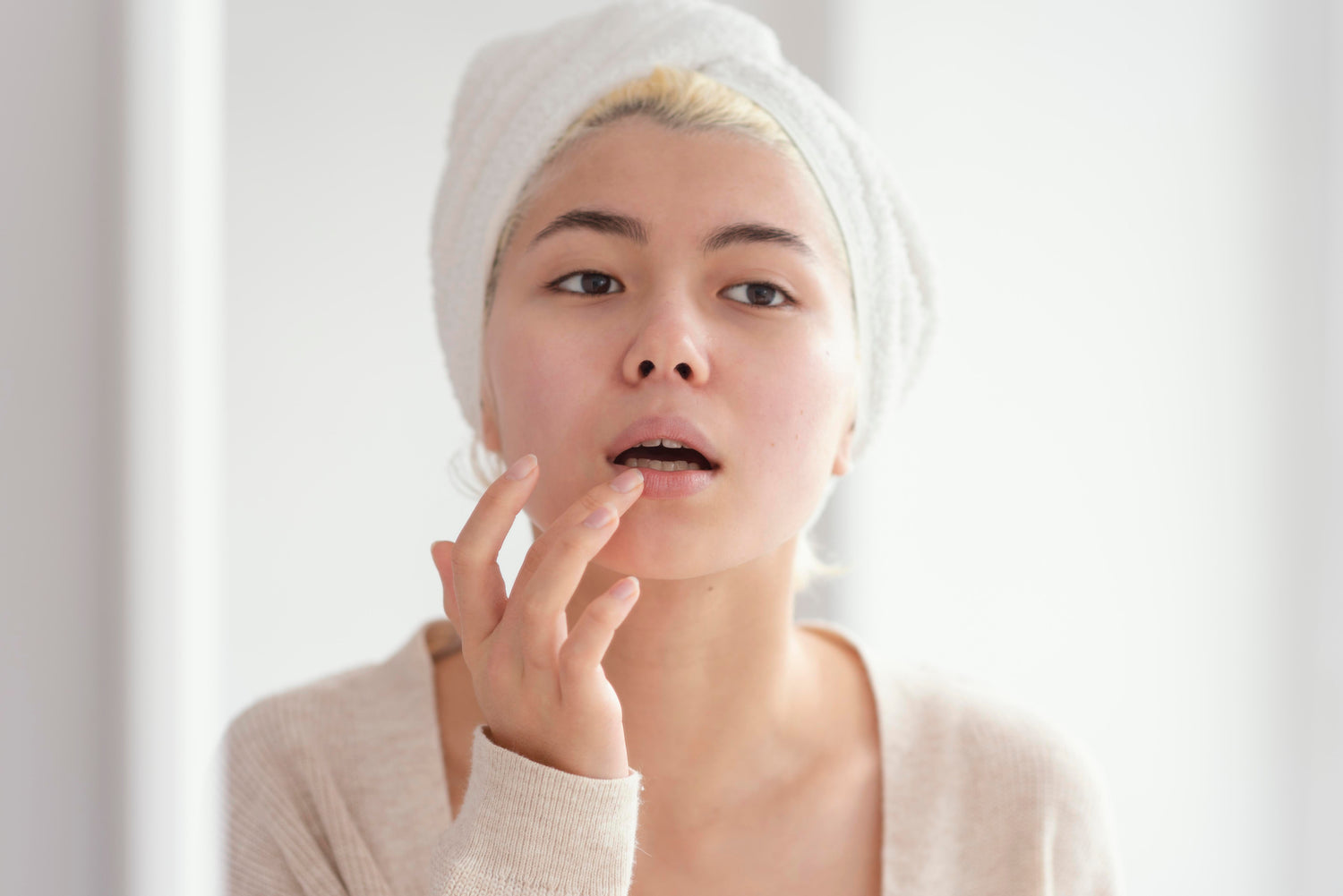
Lip pigmentation can be reduced by protecting your lips from sun exposure, staying hydrated, avoiding smoking, using gentle exfoliation, and applying nourishing lip care products with brightening ingredients like Vitamin C, niacinamide, and natural oils. Consistent care, healthy lifestyle habits, and SPF protection play a major role in restoring softer, more even-toned lips.
If you’re wondering how to reduce lip pigmentation, the good news is that dark or uneven lips can often improve with the right combination of skincare, hydration, sun protection, and healthy habits. Lip pigmentation is commonly caused by sun exposure, smoking, dehydration, harsh products, and lifestyle factors. Brands that focus on gentle botanical skincare, such as Wildflower Naturals, also encourage healthier skin barrier support through hydration-focused formulations that work well alongside a consistent lip care routine.
While some cases require professional treatment, many people notice visible improvement through consistent lip care and gentle, nourishing ingredients. Understanding the root cause is the first step toward healthier, naturally brighter-looking lips.
What Is Lip Pigmentation?
Lip pigmentation refers to the darkening or uneven coloring of the lips caused by excess melanin production, dryness, irritation, or environmental damage. Some people naturally have deeper lip tones, while others develop pigmentation gradually over time.
Unlike temporary dryness, persistent discoloration usually develops due to repeated exposure to triggers such as UV rays, smoking, dehydration, or harsh cosmetic products.
Common Causes of Lip Pigmentation
Understanding the cause is essential before learning how to reduce lip pigmentation effectively.
1. Sun Exposure
The lips have thinner skin and very little natural protection against UV rays. Excess sun exposure can stimulate melanin production, causing lips to appear darker over time.
Signs of sun-related pigmentation:
- Uneven lip tone
- Dryness and peeling
- Dark upper lip edges
2. Smoking and Nicotine
Smoking restricts blood circulation and exposes the lips to heat and toxins, both of which contribute to discoloration.
Smoking-related lip darkening may appear as:
- Brownish lips
- Uneven pigmentation
- Dry and rough texture
3. Dehydration and Lip Licking
Dry lips are more vulnerable to irritation and discoloration. Constant lip licking damages the skin barrier and worsens pigmentation.
4. Harsh Lip Products
Low-quality lipsticks, expired cosmetics, artificial fragrances, and alcohol-heavy products can irritate sensitive lip skin.
5. Excess Caffeine and Poor Lifestyle Habits
Poor sleep, stress, dehydration, and excessive caffeine intake may also affect lip health and natural color.
6. Hormonal Changes and Medical Conditions
Certain medications, allergies, vitamin deficiencies, and hormonal changes can contribute to persistent pigmentation.
If pigmentation appears suddenly or becomes severe, consulting a dermatologist is recommended.
How to Reduce Lip Pigmentation Naturally
If you want to know how to reduce lip pigmentation safely at home, consistency matters more than overnight remedies.
Use Gentle Lip Exfoliation
Exfoliation removes dead skin buildup and improves the appearance of dull lips.
Simple DIY lip scrub:
|
Ingredient |
Benefit |
|
Honey |
Moisturizes lips |
|
Sugar |
Gently exfoliates |
|
Coconut oil |
Softens dry skin |
Tips:
- Exfoliate only 1–2 times weekly
- Avoid aggressive scrubbing
- Follow with hydration immediately
Apply SPF Lip Balm Daily
One of the most overlooked steps in learning how to reduce lip pigmentation is protecting the lips from sun exposure.
Using a hydrating lip balm with nourishing ingredients helps prevent further darkening while supporting softer, smoother lips.
A good example is the Wildflower Naturals Lip Balm Mandarin & Shea Butter, formulated with shea butter, mandarin oil, cocoa butter, almond oil, and Vitamin E to deeply moisturize dry, flaky lips while helping improve overall lip texture.

Why nourishing lip balms matter:
- Help reduce dryness
- Support the lip barrier
- Prevent moisture loss
- Improve softness and smoothness
Keep Lips Hydrated
Hydrated lips appear healthier, softer, and more even-toned.
Hydration habits that help:
- Drink enough water daily
- Avoid excessive caffeine
- Use overnight lip masks
- Apply nourishing balms regularly
Avoid Smoking
Reducing or quitting smoking significantly improves lip texture, circulation, and pigmentation over time.
Switch to Nourishing Lip Products
Choosing clean, gentle products is important when deciding how to reduce lip pigmentation naturally.
Avoid products containing:
- Artificial fragrance
- Excess alcohol
- Harsh preservatives
- Cheap dyes
Instead, choose formulas rich in botanical oils and skin-supporting ingredients. Switching to affordable skin care products made with clean and gentle ingredients can make a meaningful difference without putting unnecessary strain on your budget.
Best Ingredients for Lip Pigmentation
Certain ingredients help improve uneven tone while supporting healthy skin repair.
- Vitamin C: Vitamin C is a powerful antioxidant that helps brighten dull lips and reduce oxidative damage caused by UV exposure.
- Niacinamide: Niacinamide supports skin barrier health and helps improve uneven pigmentation gently over time.
- Alpha Arbutin: This ingredient is known for targeting pigmentation without causing excessive irritation.
- Rosehip Oil: Rosehip oil contains essential fatty acids and antioxidants that support skin regeneration.
- Aloe Vera: Aloe vera soothes irritation and deeply hydrates dry lips.
- Saffron and Botanical Extracts: Traditional botanical ingredients are often used to support brighter-looking skin naturally.
Those who want to extend these brightening benefits beyond the lips can also explore a skin brightening cream that uses similar active ingredients to address uneven tone across the face consistently.
Daily Lip Care Routine for Healthy Lips
A simple routine can make a noticeable difference when learning how to reduce lip pigmentation over time.
Morning Routine
- Cleanse lips gently
- Apply hydrating balm
- Use SPF lip protection
- Stay hydrated throughout the day
Night Routine
- Remove lip products completely
- Exfoliate occasionally
- Apply a nourishing overnight lip treatment
- Avoid sleeping with matte lipstick
Professional Treatments for Severe Lip Pigmentation
For stubborn pigmentation, dermatological treatments may help.
Treatment Options
|
Treatment |
Purpose |
|
Chemical Peels |
Removes damaged skin cells |
|
Laser Therapy |
Targets excess pigmentation |
|
Prescription Creams |
Helps reduce melanin production |
Professional treatments should always be performed under expert supervision.
Mistakes That Can Worsen Lip Pigmentation
Even while trying how to reduce lip pigmentation, certain habits can slow progress.
Common mistakes include:
- Skipping SPF
- Over-exfoliating lips
- Smoking frequently
- Using expired makeup
- Ignoring hydration
- Picking dry skin
Avoiding these habits can significantly improve lip health. Men in particular often overlook dedicated lip care entirely, and understanding the basics of lip care for men can help address pigmentation and dryness concerns with routines tailored to their specific needs.
How Long Does It Take to See Results?
The timeline depends on the cause, consistency, and severity of pigmentation.
Typical improvement timelines:
|
Method |
Expected Timeline |
|
Hydration + SPF |
2–4 weeks |
|
Natural remedies |
4–8 weeks |
|
Professional treatments |
Varies by condition |
Patience and consistency are key when working on how to reduce lip pigmentation safely.
Why Choosing the Right Lip Balm Matters
Many people focus only on exfoliation or home remedies, but daily nourishment is equally important when learning how to reduce lip pigmentation effectively.
Using a moisturizing lip balm enriched with botanical oils and skin-supporting ingredients helps:
- Repair dryness
- Improve lip texture
- Prevent further damage
- Maintain softness throughout the day
The Wildflower Naturals Lip Balm Mandarin & Shea Butter combines shea butter, mandarin oil, cocoa butter, almond oil, and Vitamin E to provide long-lasting hydration and nourishment for dry, dull lips.
Final Thoughts
Learning how to reduce lip pigmentation requires patience, consistency, and a gentle approach. While quick fixes may seem tempting, long-term improvement usually comes from healthy habits, hydration, SPF protection, and nourishing skincare ingredients.
Protecting your lips daily, avoiding harsh irritants, and supporting your skin barrier can gradually restore softer, smoother, healthier-looking lips over time. Combining lip care with a broader routine that includes a skin glow cream can help maintain an overall radiant and even-toned appearance beyond just the lips.
Restore Healthy-Looking Lips with Wildflower Naturals
If you prefer a more natural and nourishing approach to skincare, explore the face care collection from Wildflower Naturals.
Wildflower Naturals focuses on botanical-rich skincare formulations designed to support hydration, skin barrier health, and everyday radiance. Their thoughtfully crafted products combine nature-inspired ingredients with gentle skincare practices to help your skin feel balanced, healthy, and cared for.
Because healthy lips begin with healthy skincare habits.
Frequently Asked Questions
Q1. How to reduce lip pigmentation naturally at home?
You can reduce lip pigmentation naturally by exfoliating gently, staying hydrated, applying SPF lip balm, avoiding smoking, and using nourishing ingredients like Vitamin C, aloe vera, and botanical oils consistently.
Q2. How long does it take to lighten dark lips?
Mild pigmentation may improve within a few weeks, while stubborn pigmentation can take several months depending on the cause and treatment consistency.
Q3. Can dark lips become pink again naturally?
Yes, many cases of dark lips improve naturally with proper hydration, sun protection, healthy habits, and gentle lip care routines.
Q4. Can dehydration cause lip pigmentation?
Yes, chronic dryness and dehydration can damage the lip barrier and contribute to dullness and uneven pigmentation.
Q5. Is lip pigmentation permanent?
Not always. Some pigmentation is temporary and improves with proper care, while deeper pigmentation may require professional treatment.
Q6. Is SPF necessary for lips?
Yes. Lips are highly vulnerable to UV damage, making SPF one of the most important steps for preventing and reducing pigmentation.
Q7. Will exfoliating lips daily reduce pigmentation faster?
No. Over-exfoliating can irritate the lips and worsen pigmentation. Gentle exfoliation once or twice weekly is enough.
Q8. What causes lip pigmentation the most?
The most common causes include sun exposure, smoking, dehydration, harsh products, and poor lifestyle habits.




Leave a comment
This site is protected by hCaptcha and the hCaptcha Privacy Policy and Terms of Service apply.