

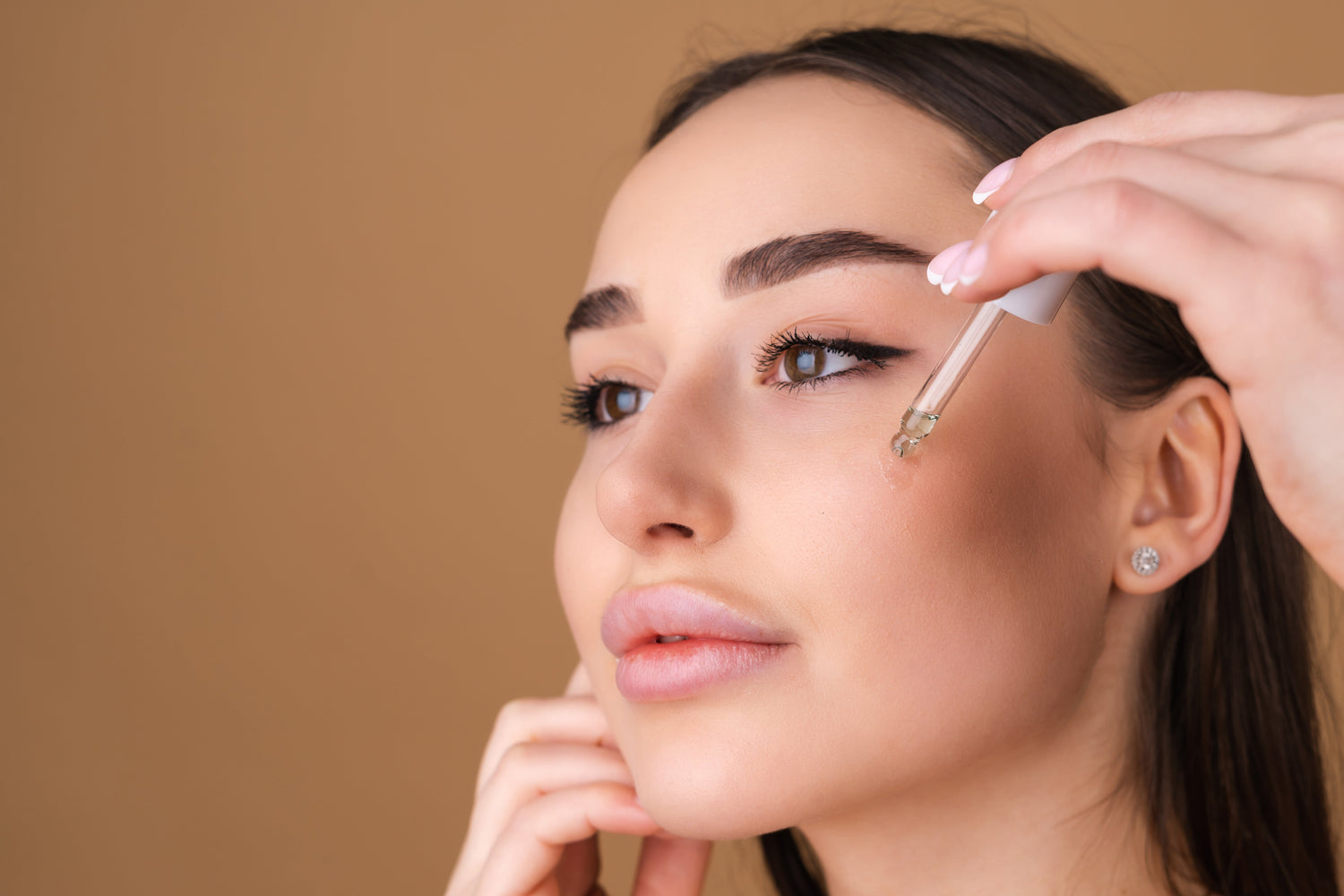
The best serum for pigmentation and dark spots depends on your skin type and the cause of discoloration. Ingredients like Vitamin C, Niacinamide, Alpha Arbutin, Tranexamic Acid, and Retinol are commonly recommended for fading uneven skin tone, acne marks, and sun spots while supporting brighter, healthier-looking skin over time.
People searching for healthy and radiant skin often wonder which serum is best for pigmentation and dark spots, especially when dealing with acne marks, uneven skin tone, or stubborn discoloration. At Wildflower Naturals, skincare is approached with a gentle and nourishing philosophy that supports healthy-looking skin through carefully selected botanical ingredients and balanced skincare routines.
If you are trying to understand which serum is best for pigmentation and dark spots, it is important to know that pigmentation does not disappear overnight. Consistency, proper skincare habits, hydration, and sun protection all play a major role in improving skin clarity. Choosing the right serum can help brighten dull skin, reduce dark spots, and support smoother and healthier-looking skin over time. Pairing your serum with the right face care products can also strengthen your overall routine and deliver more consistent results.
What Causes Pigmentation and Dark Spots?
Before deciding which serum is best for pigmentation and dark spots, it helps to understand what triggers discoloration in the first place.
Sun Exposure and UV Damage
Excessive sun exposure stimulates melanin production, which can lead to tanning, sun spots, and uneven skin tone. UV rays are one of the most common causes of hyperpigmentation.
Signs of Sun-Induced Pigmentation
- Brown patches
- Uneven skin tone
- Freckles becoming darker
- Persistent tanning
Acne Marks and Post-Inflammatory Hyperpigmentation
After acne heals, it often leaves behind dark marks known as post-inflammatory hyperpigmentation (PIH). These spots can linger for weeks or even months.
Hormonal Changes and Melasma
Hormonal fluctuations during pregnancy, stress, or conditions like PCOS may trigger melasma — a deeper form of pigmentation that appears as patches on the cheeks, forehead, or upper lip.
Skin Barrier Damage and Inflammation
Over-exfoliating or using harsh products can irritate the skin barrier, making pigmentation worse instead of better.
Aging and Uneven Skin Tone
As skin ages, cell turnover slows down, causing dark spots and dullness to become more noticeable over time.
Which Serum Is Best for Pigmentation and Dark Spots?
If you are searching for which serum is best for pigmentation and dark spots, ingredients matter more than marketing claims.
Best Ingredients for Pigmentation
|
Ingredient |
Main Benefit |
Suitable For |
|
Niacinamide |
Improves uneven tone |
Oily & combination skin |
|
Alpha Arbutin |
Helps reduce dark spots |
Sensitive skin |
|
Vitamin C |
Brightens dullness |
All skin types |
|
Tranexamic Acid |
Targets stubborn pigmentation |
Melasma |
|
Retinol |
Improves skin renewal |
Aging skin |
|
Hyaluronic Acid |
Maintains hydration |
Dry skin |
Niacinamide + Alpha Arbutin: A Powerful Combination
Among the most recommended combinations for pigmentation care are Niacinamide and Alpha Arbutin because they work together to visibly improve uneven skin tone while supporting the skin barrier.
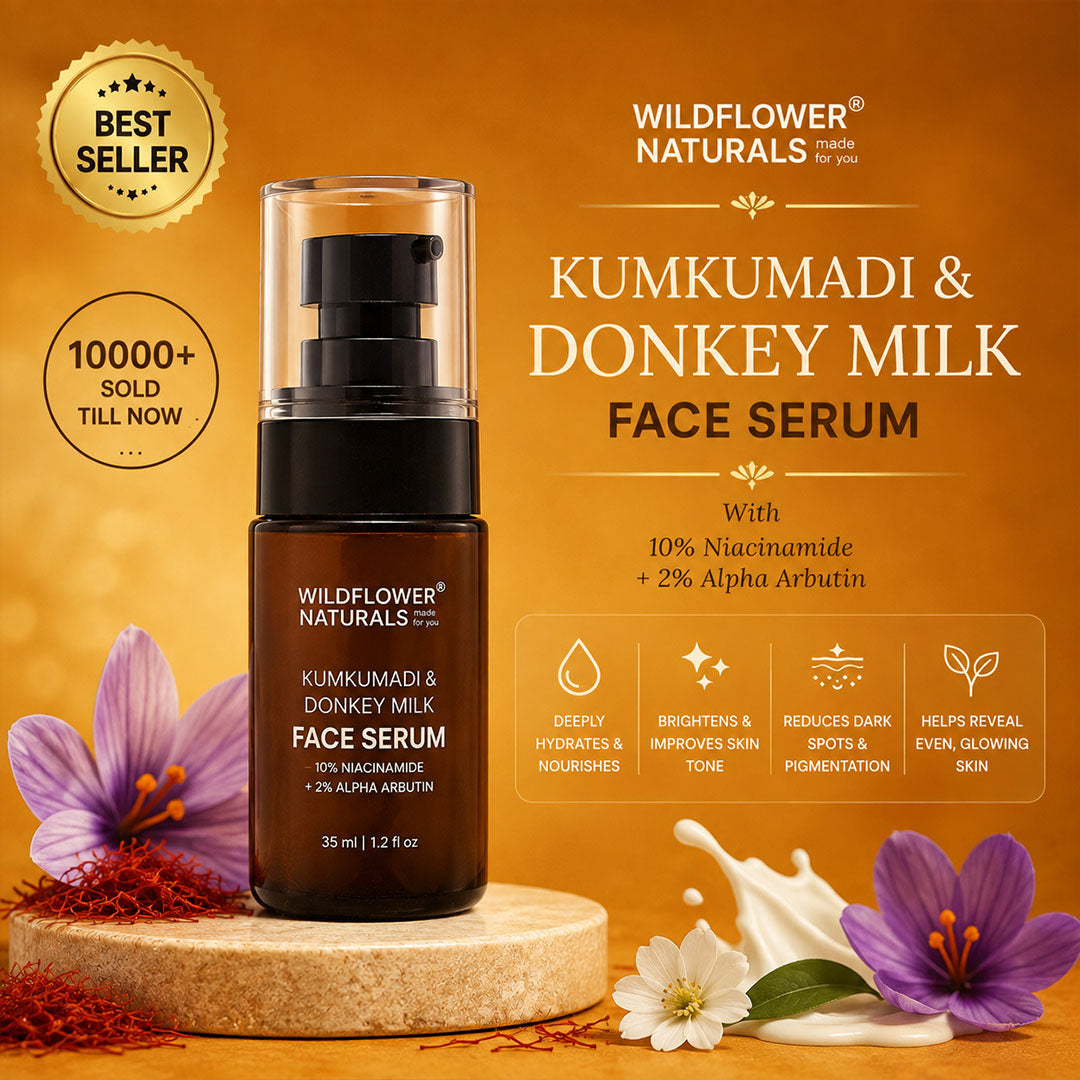
The wildflower Naturals Kumkumadi & Donkey Milk Face Serum with 10% Niacinamide + 2% Alpha Arbutin is formulated specifically to target concerns such as pigmentation, dullness, and post-acne marks while remaining lightweight on the skin.

Why This Combination Works
- 10% Niacinamide helps improve uneven skin texture and supports barrier repair
- 2% Alpha Arbutin helps reduce the appearance of dark spots and pigmentation
- Kumkumadi and botanical oils help nourish and brighten the skin naturally
- Lightweight texture absorbs easily without feeling greasy
Many people researching which serum is best for pigmentation and dark spots prefer formulations that combine modern active ingredients with nourishing botanical care for long-term skin balance. Those who want to explore additional targeted options can also look into a dedicated skin brightening cream to complement their serum routine for more visible results.
Benefits of Botanical Ingredients in Pigmentation Care
Natural skincare ingredients can help support the skin gently while active ingredients target discoloration.
Kumkumadi Oil
Traditionally used in Ayurvedic skincare, Kumkumadi oil is often associated with improving radiance and supporting brighter-looking skin.
Rosehip Oil
Rosehip oil contains essential fatty acids and antioxidants that help support skin repair and hydration.
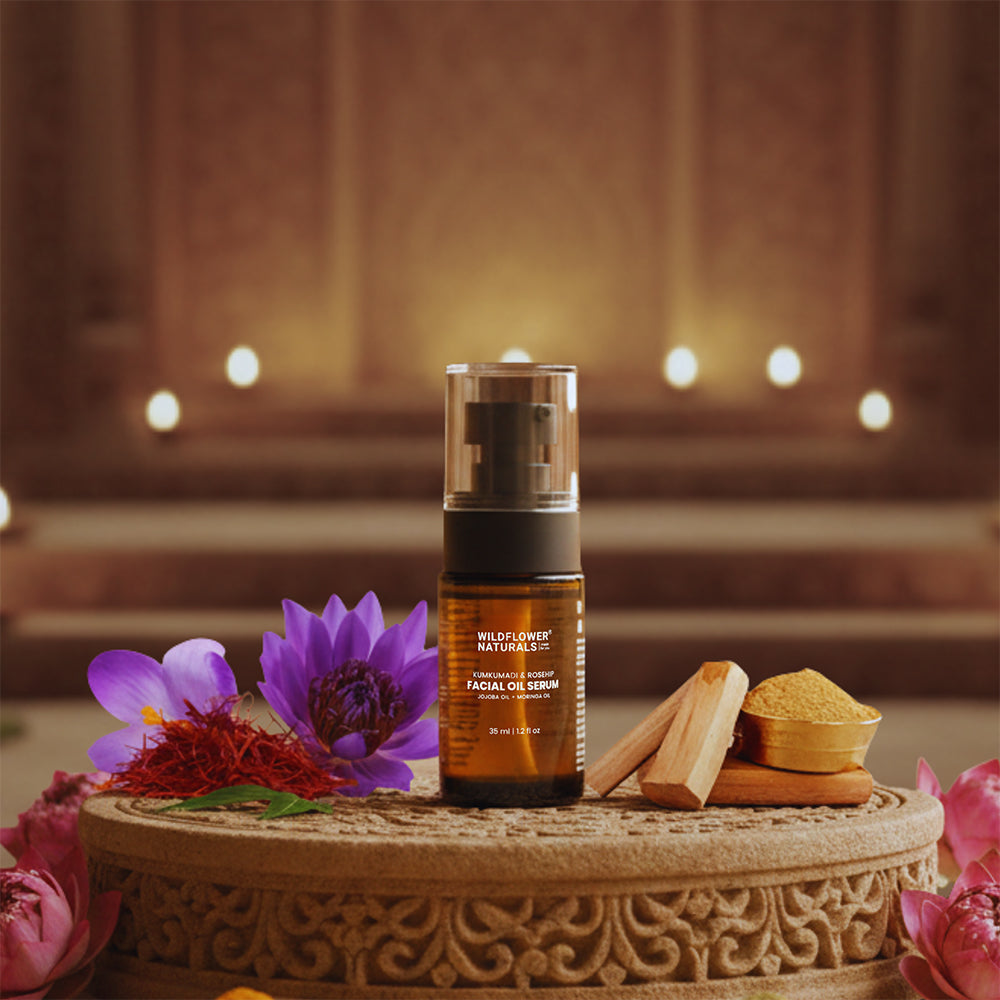
The Wildflower Naturals Kumkumadi & Rosehip Facial Oil Serum combines Kumkumadi, Rosehip, Jojoba, and Moringa oils to nourish dry, dull, and uneven-looking skin. Those drawn to plant-based formulations can explore organic face care products that incorporate similar botanical ingredients in a gentle and skin-friendly format.

Key Benefits
- Supports hydration
- Helps improve skin texture
- Enhances natural glow
- Helps nourish stressed skin
How to Choose the Right Serum for Your Skin Type
Understanding your skin type helps determine which serum is best for pigmentation and dark spots for your individual concerns.
For Oily Skin
Choose lightweight serums with:
- Niacinamide
- Alpha Arbutin
- Non-comedogenic ingredients
For Dry Skin
Look for:
- Hyaluronic Acid
- Facial oils
- Barrier-supportive ingredients
For Sensitive Skin
Prioritize:
- Gentle formulations
- Botanical ingredients
- Fragrance-free skincare
How to Use Pigmentation Serum Correctly
Even the best serum requires proper usage to deliver visible results.
Simple Daily Routine
- Cleanse your skin gently
- Apply 2–3 drops of serum
- Follow with moisturizer
- Use sunscreen during the day
Morning vs Night Routine
|
Morning |
Night |
|
Vitamin C |
Retinol |
|
Niacinamide |
Alpha Arbutin |
|
Sunscreen |
Moisturizer |
How Long Does It Take to See Results?
Visible improvement may take:
- 4–6 weeks for mild pigmentation
- 8–12 weeks for stubborn dark spots
Consistency matters more than overusing products.
Common Mistakes to Avoid
People searching which serum is best for pigmentation and dark spots often make these mistakes:
- Skipping sunscreen
- Using too many active ingredients together
- Over-exfoliating
- Expecting overnight results
- Ignoring hydration
Lifestyle Tips to Prevent Pigmentation
- Wear Sunscreen Daily: SPF helps prevent existing pigmentation from becoming darker.
- Avoid Picking Acne: Picking blemishes can leave long-lasting marks.
- Stay Hydrated: Hydrated skin heals more effectively.
- Follow a Consistent Routine: Consistency is key when treating pigmentation.
If you are looking for simple and effective ways to support your skin between treatments, reading about how to brighten face naturally can offer practical tips that complement your serum routine without over-complicating your regimen.
Why Gentle Skincare Matters
Harsh skincare routines can irritate the skin barrier and worsen discoloration. Many people exploring which serum is best for pigmentation and dark spots are now moving toward balanced routines that combine active ingredients with nourishing botanical care.
Wildflower Naturals focuses on combining modern skincare actives with botanical ingredients such as Kumkumadi, Rosehip, Aloe Vera, and plant oils to support healthier-looking skin naturally. For those also looking to address overall radiance alongside targeted pigmentation care, exploring a skin glow cream as part of a complete routine can help maintain brightness and an even complexion consistently.
If you want to understand which topical treatments work best for long-term results, reading about how to remove pigmentation from face permanently cream can provide helpful guidance on choosing the right formulations for your skin goals.
Final Thoughts
Finding which serum is best for pigmentation and dark spots depends on your skin type, the cause of pigmentation, and choosing ingredients that support gradual skin renewal without irritating the skin barrier.
Ingredients such as Niacinamide, Alpha Arbutin, Vitamin C, and botanical oils can help visibly improve uneven skin tone when used consistently alongside sunscreen and hydration.
If you are looking for skincare that combines targeted actives with nourishing botanical ingredients, explore the face care collection from Wildflower Naturals, including the Kumkumadi & Donkey Milk Face Serum with 10% Niacinamide + 2% Alpha Arbutin designed to support brighter, healthier-looking skin naturally.
Frequently Asked Questions
Q1. How long does pigmentation take to fade with serum?
Most pigmentation serums require consistent use for at least 4–12 weeks to show visible improvements.
Q2. Can Niacinamide help reduce dark spots?
Yes, Niacinamide is commonly used to improve uneven skin tone and reduce post-acne marks.
Q3. Is Alpha Arbutin good for pigmentation?
Alpha Arbutin is widely used to help reduce the appearance of dark spots and stubborn pigmentation gently.
Q4. Will sunscreen help prevent pigmentation?
Yes, sunscreen helps protect the skin from UV damage that can worsen discoloration and dark spots.
Q5. What ingredients are best for pigmentation-prone skin?
Niacinamide, Alpha Arbutin, Vitamin C, Tranexamic Acid, and Retinol are among the most commonly recommended ingredients.
Q6. Why does pigmentation return after treatment?
Pigmentation may return due to sun exposure, inflammation, hormonal changes, or inconsistent skincare habits.
Q7. Can sensitive skin use pigmentation serums?
Yes, sensitive skin can benefit from gentle formulations that combine soothing botanical ingredients with mild active ingredients.
Q8. What should you avoid while treating pigmentation?
Avoid harsh scrubs, excessive exfoliation, skipping sunscreen, and layering too many strong actives together.


Leave a comment
This site is protected by hCaptcha and the hCaptcha Privacy Policy and Terms of Service apply.