


Pigmentation on the face can be reduced with a combination of daily sunscreen, targeted skincare ingredients like niacinamide and alpha arbutin, gentle exfoliation, and consistent skincare habits. Treatments such as chemical peels and laser therapy may help stubborn pigmentation, while barrier-friendly skincare supports long-term results and prevents recurrence.
If you’re wondering how to get rid of pigmentation on face, the key is combining scientifically proven ingredients, sun protection, and a consistent skincare routine. From acne marks to sunspots and melasma, pigmentation can affect anyone, but the right skincare approach can visibly improve uneven skin tone over time.
At Wildflower Naturals, we believe effective skincare should nourish the skin while targeting concerns gently and consistently. In this guide, you'll learn what causes pigmentation, which ingredients actually work, and how to build a routine that supports brighter, healthier-looking skin. Starting with the right face care products that are formulated for pigmentation-prone skin can make a significant difference in how quickly and effectively your routine delivers results.
What Is Pigmentation on the Face?
Pigmentation refers to patches, spots, or uneven areas of skin that appear darker than your natural skin tone. This happens when the skin produces excess melanin, the pigment responsible for skin colour.
Common types of facial pigmentation include:
- Post-inflammatory hyperpigmentation (PIH): Dark marks left after acne or irritation
- Melasma: Hormonal pigmentation, often appearing on cheeks and forehead
- Sunspots: Caused by prolonged UV exposure
- Freckles: Small pigment clusters that become darker with sun exposure
Understanding the root cause is the first step in learning how to get rid of pigmentation on face effectively.
What Causes Pigmentation on Face?
Several internal and external factors can trigger pigmentation.
- Excess Sun Exposure: UV rays stimulate melanin production, causing dark spots and uneven skin tone. Even minimal daily exposure can worsen existing pigmentation.
- Acne and Skin Inflammation: Picking pimples or using harsh products can trigger inflammation, leading to lingering dark marks.
- Hormonal Changes: Hormonal fluctuations during pregnancy, PCOS, or birth control usage can contribute to melasma.
- Skin Barrier Damage: Over-exfoliation and strong active ingredients can weaken the skin barrier, making pigmentation harder to treat.
- Lifestyle and Environmental Stressors: Pollution, stress, lack of sleep, and poor skincare habits can all contribute to dullness and uneven tone.

How to Get Rid of Pigmentation on Face Naturally and Effectively
If you’re searching for how to get rid of pigmentation on face, focus on consistency instead of quick fixes. Healthy skin renewal takes time, and gentle long-term care delivers more reliable results.
Follow a Consistent Routine
A routine that includes cleansing, treatment serums, moisturising, and sunscreen creates the foundation for pigmentation correction.
Use Targeted Brightening Ingredients
Certain ingredients are backed by dermatological research for improving uneven skin tone.
Most Effective Ingredients for Pigmentation
|
Ingredient |
Benefits |
|
Niacinamide |
Brightens skin and strengthens barrier |
|
Alpha Arbutin |
Helps reduce appearance of dark spots |
|
Vitamin C |
Antioxidant protection and radiance |
|
Hyaluronic Acid |
Hydration support |
|
Kumkumadi Oil |
Traditional Ayurvedic glow-enhancing ingredient |
|
Lactic Acid |
Gentle exfoliation support |
Best Skincare Ingredients for Pigmentation-Prone Skin
Niacinamide for Visible Brightening
Niacinamide is one of the most trusted skincare ingredients for pigmentation concerns. It helps:
- Improve uneven tone
- Support skin barrier health
- Reduce dullness
- Minimise post-acne marks
Alpha Arbutin for Dark Spots
Alpha arbutin helps regulate melanin production and is commonly used to target visible pigmentation without being overly harsh on the skin. Those looking for a targeted daily solution can explore a dedicated skin brightening cream with alpha arbutin and similar actives to address dark spots more consistently.
Kumkumadi Oil for Natural Radiance
Known in Ayurvedic skincare traditions, Kumkumadi oil is rich in botanical extracts that help improve skin luminosity and nourishment.
Donkey Milk and Lactic Acid Benefits
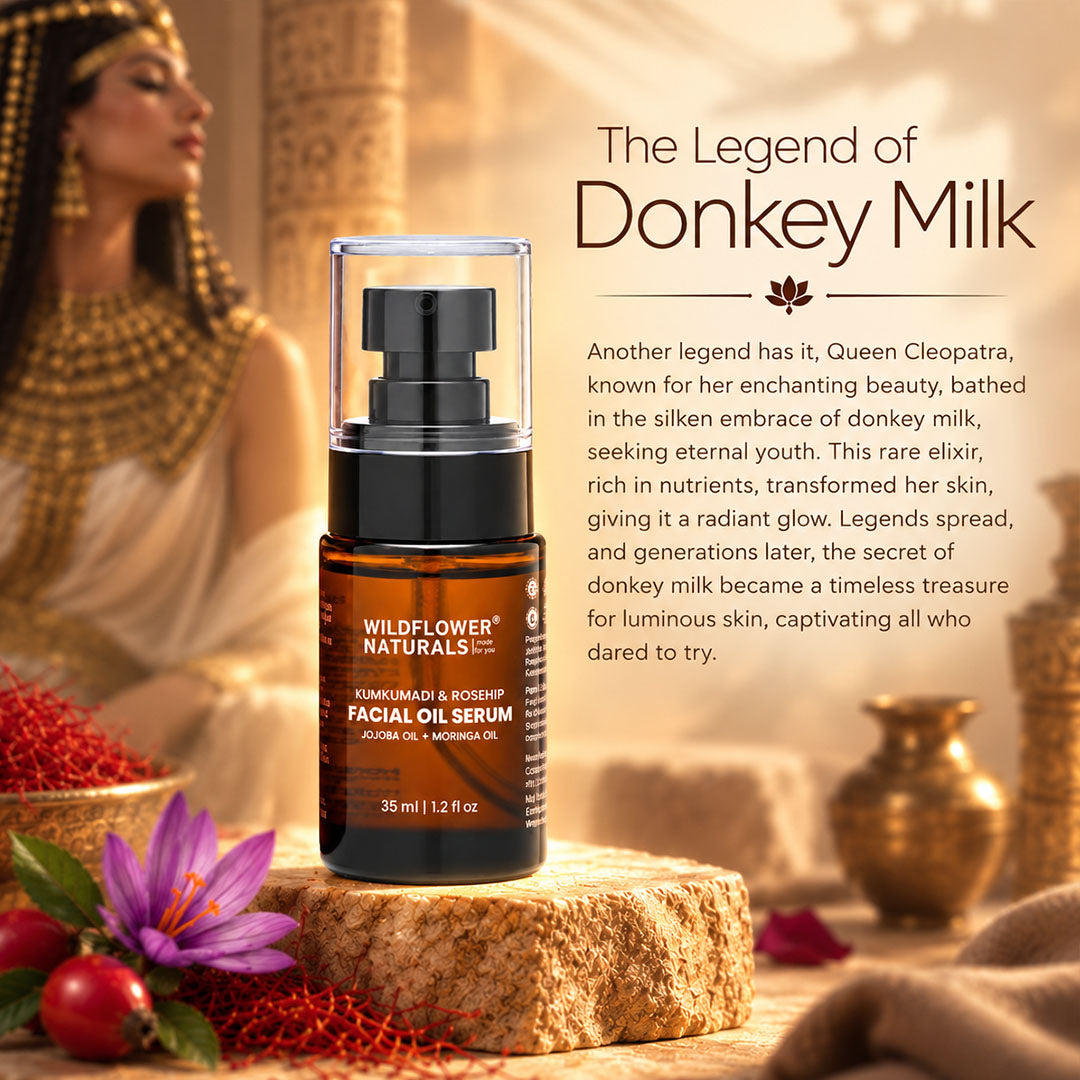
Donkey milk naturally contains lactic acid, which gently supports exfoliation while helping maintain skin softness and hydration.
For people researching how to get rid of pigmentation on face, combining active ingredients with nourishing skincare often provides better long-term results than aggressive treatments alone. Reading about how to brighten face naturally can also offer practical guidance on supporting radiance through gentle, everyday habits alongside your skincare routine.
Daily Skincare Routine to Reduce Pigmentation
A balanced routine can help improve uneven tone while protecting the skin barrier.
Morning Routine
- Gentle cleanser
- Brightening serum
- Lightweight moisturiser
- SPF 50 sunscreen
Night Routine
- Double cleansing
- Pigmentation serum
- Barrier-repair moisturiser
Why Sunscreen Is Essential for Pigmentation
No pigmentation treatment works effectively without sunscreen.
UV exposure:
- Worsens dark spots
- Triggers melanin production
- Reverses skincare progress
- Increases inflammation
Using SPF daily is one of the most important steps in learning how to get rid of pigmentation on face safely and effectively. For those who want to understand which topical treatments work alongside sunscreen for permanent-looking improvement, reading about how to remove pigmentation from face permanently cream can help narrow down the most effective formulations for your skin type.

Dermatologist-Approved Treatments for Stubborn Pigmentation
Some pigmentation concerns may require professional guidance.
- Chemical Peels: Help exfoliate damaged skin layers and improve overall tone.
- Laser Treatments: Target deeper pigmentation with concentrated light energy.
- Microneedling: Stimulates collagen production and supports skin renewal.
- Prescription Creams: Dermatologists may recommend prescription-strength ingredients for severe pigmentation.
Always consult a qualified dermatologist before beginning advanced procedures.
Mistakes That Make Pigmentation Worse
Avoiding these habits can prevent pigmentation from becoming more noticeable.
Common Mistakes
- Skipping sunscreen
- Over-exfoliating the skin
- Picking acne
- Mixing too many active ingredients
- Expecting overnight results
- Using harsh DIY remedies
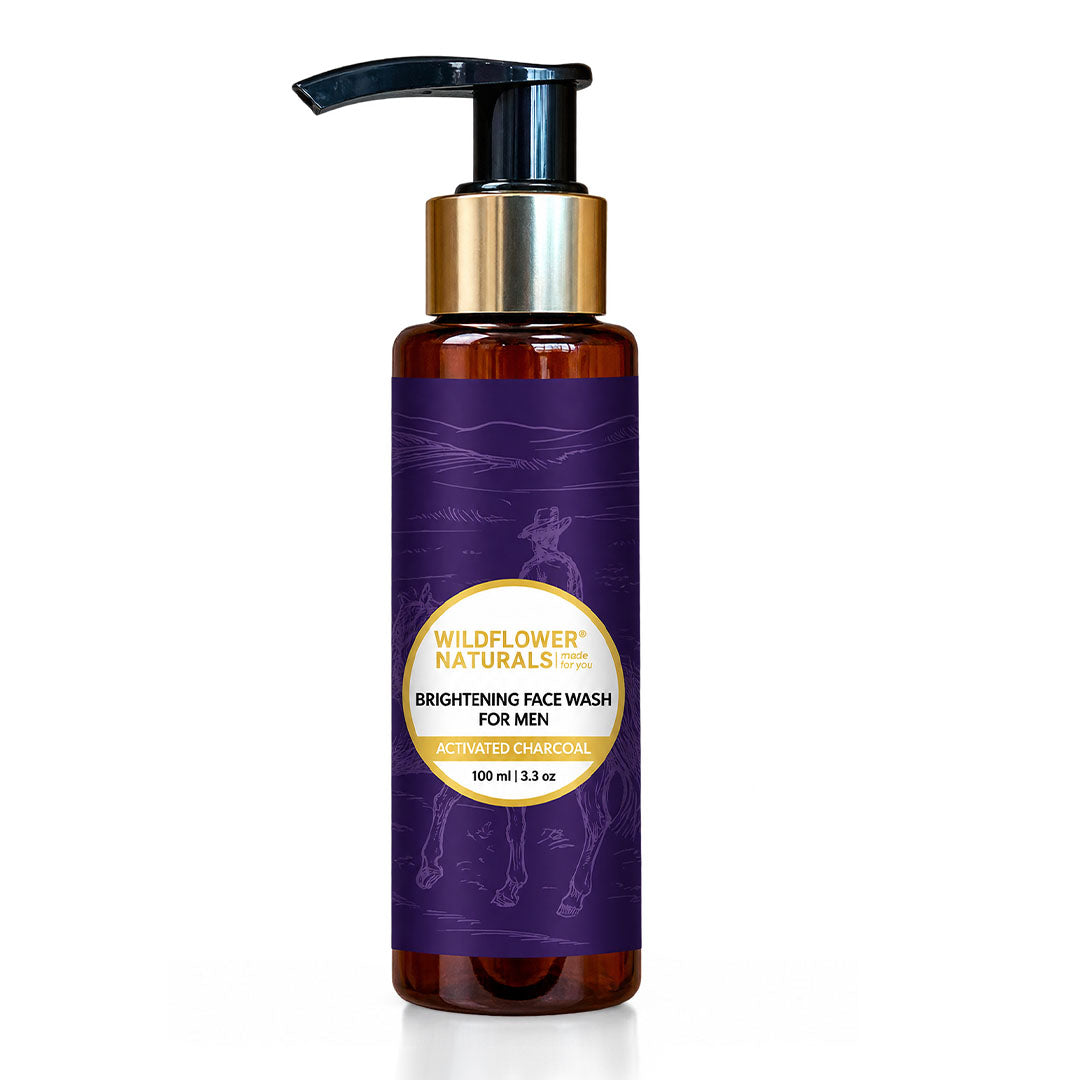
People often search for how to get rid of pigmentation on face, but over-treating the skin can actually slow progress. Men especially tend to skip protective steps altogether, and exploring dedicated men's face care products designed for pigmentation and barrier support can help build a sustainable routine that addresses discoloration effectively.
How Long Does It Take to See Results?
Pigmentation improvement depends on severity, consistency, and skin type.
|
Pigmentation Type |
Estimated Timeline |
|
Mild pigmentation |
4–6 weeks |
|
Moderate pigmentation |
8–12 weeks |
|
Deep melasma |
Several months |
Consistency matters more than intensity. Gentle, regular skincare usually delivers better long-term outcomes.
Expert Tips to Prevent Pigmentation from Returning
- Protect Your Skin Daily: Wear SPF every single day, even indoors or during cloudy weather.
- Prioritise Barrier Health: Healthy skin recovers more efficiently and tolerates active ingredients better.
- Avoid Harsh Treatments: Strong acids and abrasive scrubs may worsen inflammation.
- Keep Your Routine Simple: Using too many products together can irritate the skin and trigger further pigmentation.
If you truly want to understand how to get rid of pigmentation on face, prevention is just as important as treatment. Pairing your anti-pigmentation routine with a nourishing skin glow cream can help maintain overall radiance and an even complexion as your skin continues to improve.
For additional guidance on brightening techniques that complement your daily routine, how to brighten your face offers practical tips that support long-term skin clarity without disrupting your barrier.
Reveal Brighter, Even-Toned Skin with Wildflower Naturals
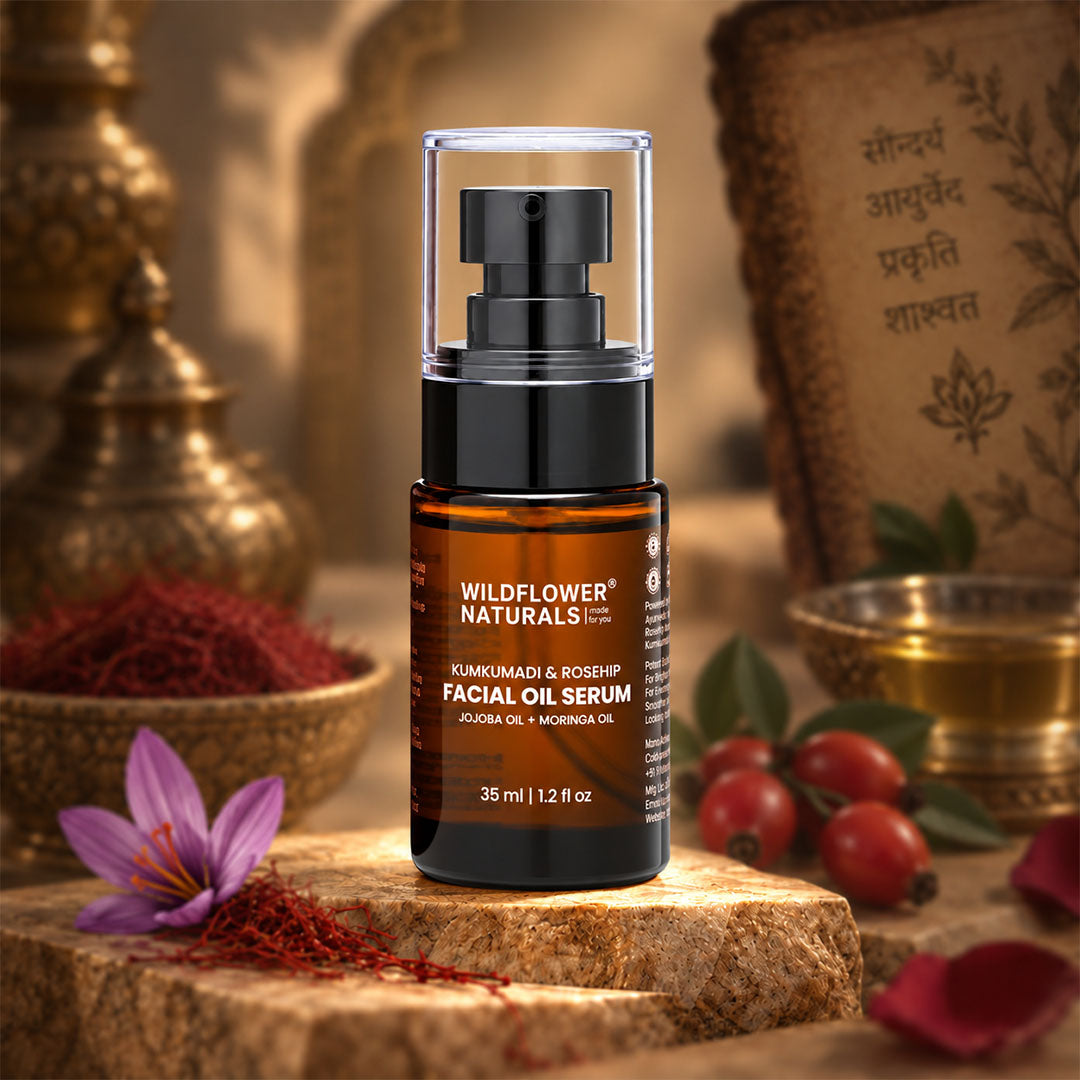
Finding the right skincare can make a visible difference when dealing with uneven skin tone and stubborn dark spots. The Wildflower Naturals Kumkumadi & Donkey Milk Face Serum combines modern active ingredients with nourishing Ayurvedic-inspired skincare to support brighter, healthier-looking skin.
Formulated with:
- 10% Niacinamide
- 2% Alpha Arbutin
- Kumkumadi Oil
- Donkey Milk
- Hyaluronic Acid
- Saffron Extracts
this lightweight serum helps improve dullness, support hydration, and visibly reduce the appearance of pigmentation with consistent use.
Pair it with the Wildflower Naturals SPF 50 Dew Drops Sunscreen to help protect your skin from UV-triggered pigmentation and maintain an even-toned glow every day.
When building a routine around how to get rid of pigmentation on face, choosing gentle, targeted skincare backed by effective ingredients can help you achieve healthier, more radiant skin over time.
Frequently Asked Questions
Q1. How can I reduce pigmentation on my face naturally?
You can reduce pigmentation naturally by wearing sunscreen daily, following a gentle skincare routine, staying hydrated, and using ingredients like niacinamide, alpha arbutin, and vitamin C consistently.
Q2. Can pigmentation on the face go away permanently?
Some pigmentation can fade significantly with proper skincare and sun protection. However, conditions like melasma may return if triggers such as UV exposure or hormonal changes continue.
Q3. Is niacinamide good for pigmentation?
Yes. Niacinamide helps brighten uneven skin tone, strengthen the skin barrier, and reduce the appearance of dark spots over time.
Q4. Will sunscreen help reduce pigmentation?
Sunscreen prevents pigmentation from becoming darker and protects treatment progress. Without SPF, pigmentation often becomes more difficult to manage.
Q5. What is the best serum for pigmentation-prone skin?
A good pigmentation serum should contain ingredients like niacinamide, alpha arbutin, hyaluronic acid, and antioxidant-rich botanical extracts.
Q6. Why does pigmentation get worse after sun exposure?
UV rays stimulate melanin production, which causes dark spots and uneven patches to become more visible.
Q7. How long does it take for pigmentation to fade?
Mild pigmentation may improve within a few weeks, while deeper pigmentation can take several months of consistent care.
Q8. Can over-exfoliation increase pigmentation?
Yes. Over-exfoliation can damage the skin barrier and trigger inflammation, making pigmentation more noticeable.



Leave a comment
This site is protected by hCaptcha and the hCaptcha Privacy Policy and Terms of Service apply.