


Quick Answer: The most effective way to remove pigmentation from the face permanently with a cream is by using products that contain proven ingredients such as Vitamin C, Niacinamide, Alpha Arbutin, and natural brightening agents like Kumkumadi oil. When applied consistently as part of a daily skincare routine along with sun protection, these creams gradually fade dark spots, even out skin tone, and support long-term reduction of pigmentation without causing harm to the skin. You can also support your routine with suitable skin care products for women for complete skin maintenance.
If you are struggling with dark spots, uneven skin tone, or stubborn pigmentation, you may be wondering how to remove pigmentation from face permanently cream. The truth is that while no cream can provide instant miracle results, the correct formulation applied consistently can visibly reduce pigmentation over time. By targeting melanin production, improving skin cell turnover, and protecting the skin from further damage, creams with the right active ingredients can fade discoloration and help maintain a clearer, brighter complexion. In this guide, we explain everything you need to know about selecting, using, and optimizing creams for permanent pigmentation reduction. For a complete routine, you may also explore curated skin care products for men designed for different skin needs.
What Is Skin Pigmentation and Why Does It Happen
Definition: Hyperpigmentation, Melasma, and Sun Spots
Pigmentation occurs when your skin produces more melanin than usual, creating darker patches or spots. This can happen in different forms:
- Hyperpigmentation, which appears as dark marks or spots on the skin due to acne, inflammation, or minor injuries
- Melasma, a type of hormonal pigmentation that commonly occurs on the cheeks, forehead, and upper lip
- Sun spots, which result from prolonged exposure to UV rays and are often seen on areas frequently exposed to the sun, such as the face, arms, and hands
Understanding the type of pigmentation you have is important because it helps determine the most effective cream and treatment approach.
Common Causes of Pigmentation
Skin pigmentation develops due to a combination of internal and external factors. Some of the most common causes include:
- Prolonged sun exposure without adequate sun protection, which stimulates excess melanin production
- Hormonal changes caused by pregnancy, polycystic ovary syndrome (PCOS), or use of birth control pills
- Post-inflammatory pigmentation caused by acne, cuts, burns, or other skin injuries
- Genetic predisposition that makes certain skin types more prone to dark spots
Why Pigmentation Persists Without Proper Treatment
Even mild pigmentation can remain on the skin for months or even years if left untreated. The reason is that melanin can accumulate in deeper layers of the skin, and without active ingredients to inhibit its production or promote exfoliation, dark spots continue to appear or worsen. This is why knowing how to remove pigmentation from face permanently cream is essential for achieving lasting results.
How Creams Can Help Remove Pigmentation Permanently
How Topical Actives Work
Creams designed to treat pigmentation work in multiple ways:
- They reduce melanin production by blocking the enzymes that create pigment in skin cells
- They accelerate skin cell turnover, helping to remove pigmented cells more quickly
- They provide protection from environmental damage, such as UV rays and free radicals, which can worsen pigmentation
When used consistently, creams can gradually lighten dark spots, even out skin tone, and prevent the formation of new pigmentation.
Key Treatment Pathways
The effectiveness of creams depends on three main pathways:
- Brightening the skin by inhibiting melanin synthesis
- Promoting cell turnover to shed old pigmented skin cells and reveal fresher skin underneath
- Providing protection through antioxidants or other soothing ingredients to prevent new pigmentation
By following these pathways, creams work systematically to reduce existing pigmentation while preventing new spots from forming.
Best Ingredients to Look For in Pigmentation Removal Creams
When looking for a cream to treat pigmentation, choose products with clinically proven ingredients that target melanin and support skin health:
- Vitamin C, which brightens the skin, reduces melanin production, and helps maintain an even complexion
- Niacinamide and Alpha Arbutin, both of which suppress melanin formation and lighten existing dark spots
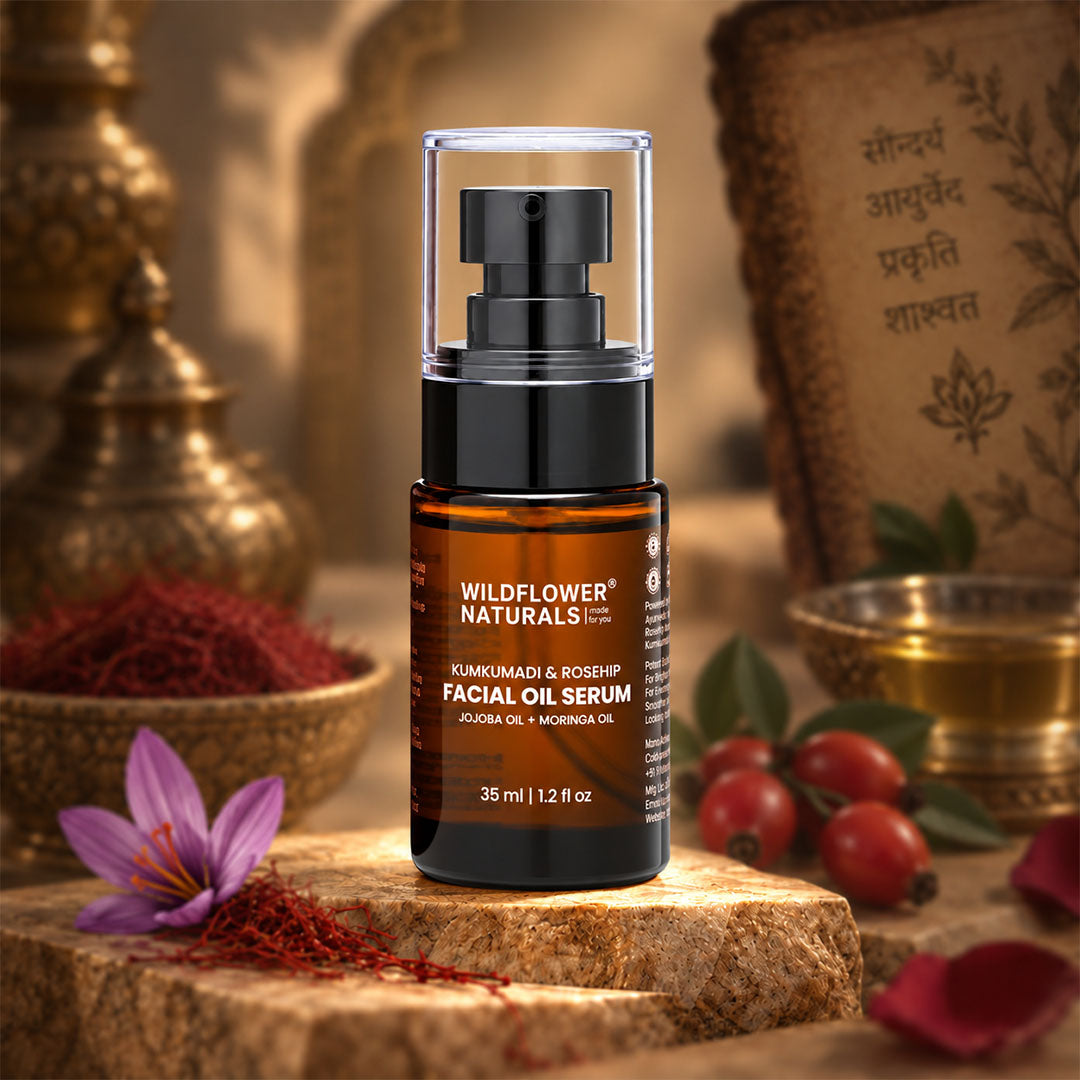
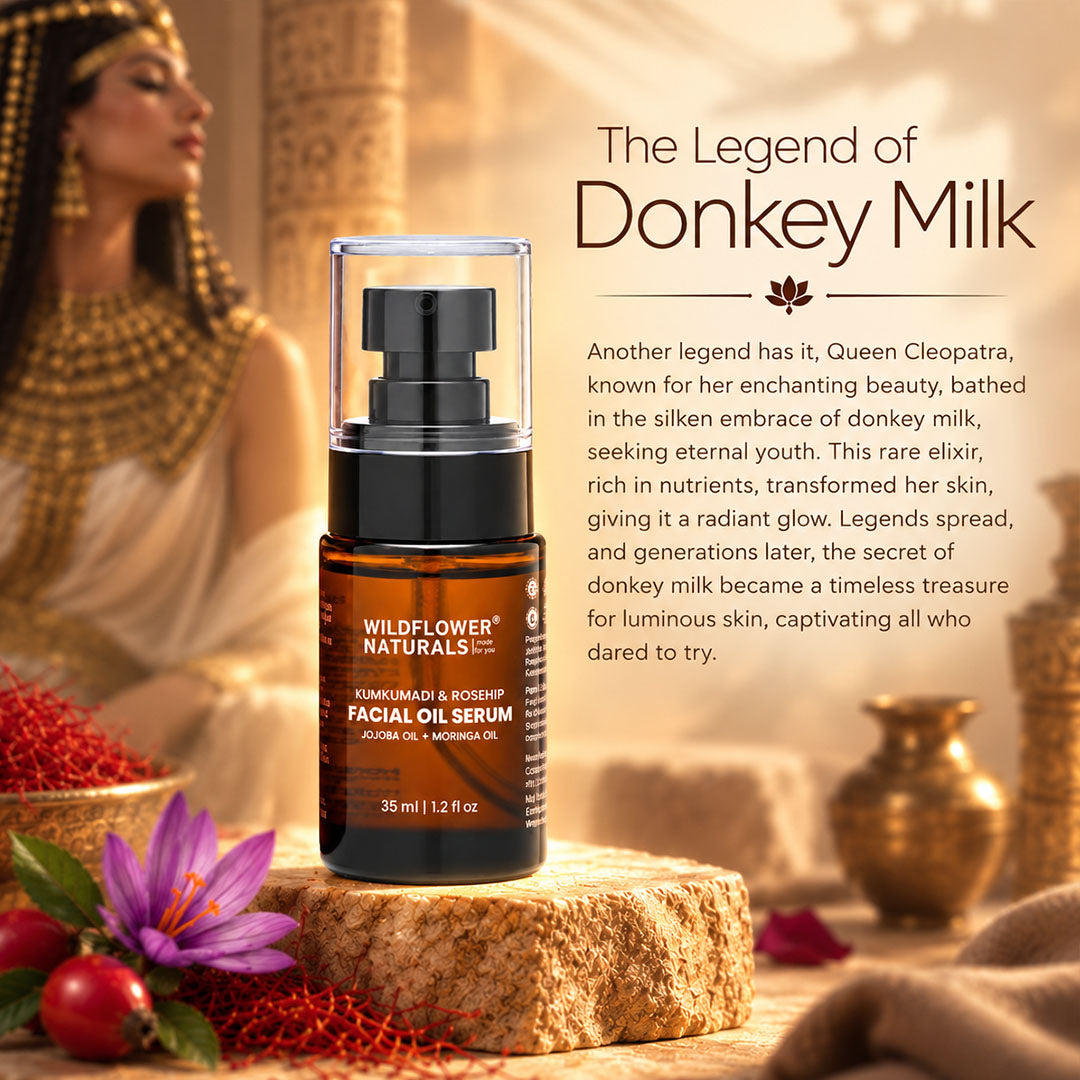
- Kumkumadi oil, an Ayurvedic ingredient known for its natural brightening properties and antioxidant benefits
- Botanical extracts and antioxidants, which support overall skin health, protect against environmental stressors, and enhance skin radiance
Selecting a cream with these ingredients increases the likelihood of visible pigmentation reduction and overall skin improvement.

Step-by-Step Routine: Using a Cream to Fade Pigmentation
Morning Routine
Using a pigmentation cream in the morning helps protect your skin throughout the day. A proper morning routine includes:
- Cleansing the face to remove dirt, oil, and impurities
- Applying a serum, if desired, to target pigmentation or boost hydration
- Gently applying the pigmentation cream to affected areas
- Finishing with sunscreen SPF 30 or higher to prevent further sun-induced pigmentation
If you have excess oil production, incorporating oily skin care products can help balance the skin while treating pigmentation.
Night Routine
Nighttime is when your skin repairs itself, making it an ideal time for pigmentation treatment. A recommended night routine includes:
- Cleansing to remove makeup, dirt, and excess oils
- Applying a treatment serum to address specific pigmentation concerns
- Using the pigmentation cream to nourish and treat the skin overnight
For dry or dehydrated skin, pairing treatment with nourishing dry skin care products can improve comfort and results.
Why Consistency Matters
Daily use of a pigmentation cream is crucial. Even the most effective products will not deliver permanent results without consistent application. Following a routine every morning and night ensures that active ingredients penetrate the skin properly and gradually fade dark spots.

How Long Does It Take for a Cream to Reduce Pigmentation
The timeline for pigmentation reduction depends on several factors:
- Skin type, as oily, dry, or combination skin may absorb actives differently
- The extent and type of pigmentation, with deeper spots taking longer to fade
- The strength of the cream, as higher concentrations of active ingredients often produce faster results
- Consistency of use, as skipping applications slows progress
Most users begin to see noticeable fading of dark spots within four to twelve weeks, while stubborn pigmentation may take longer. Combining creams with daily sunscreen and other protective measures accelerates results.
How to Remove Pigmentation from Face Permanently Cream: Step-by-Step Guidance
- Apply the cream after cleansing to clean, dry skin
- Use twice daily for optimal results
- Incorporate serums with complementary actives like Vitamin C or Niacinamide for enhanced effectiveness
- Always follow with sunscreen in the morning to prevent new pigmentation
- Avoid harsh scrubs or chemical peels that can irritate the skin while treating pigmentation
- Maintain the routine consistently for several weeks to achieve visible improvement
By adhering to these steps, you maximize the cream’s ability to reduce pigmentation and maintain even skin tone over time.
Homemade vs Clinical Creams: Which Works Best
While natural remedies are tempting, clinical creams have proven actives that deliver faster and safer results.
- Clinical creams offer consistent, measurable ingredients and often include multiple actives like Vitamin C and Alpha Arbutin
- Homemade remedies may help mild pigmentation but can take much longer to show results and may cause irritation
- Using evidence-based creams ensures better control over the fading process and reduces the risk of worsening pigmentation
Dermatologist Tips for Enhancing Cream Efficacy
- Combine creams with complementary serums or treatments for deeper pigmentation
- Always patch test new products to ensure your skin does not react
- Use sunscreen every day, even indoors, to prevent new pigmentation
- Consult a dermatologist if pigmentation does not improve after 12 weeks, as deeper pigmentation may require additional interventions
Top Ingredients and Cream Recommendations
When selecting creams, prioritize products with active ingredients that target pigmentation effectively:
- Skin Renewal Cream with Vitamin C, ideal for all skin types to brighten the skin and fade dark spots
- Kumkumadi and Donkey Milk Brightening Cream, suitable for sensitive skin, nourishes deeply while promoting an even skin tone
- Niacinamide and Alpha Arbutin Serum, effective for spot treatment and can be layered under cream to enhance pigmentation reduction
Restore Radiance with Wildflower Naturals
If you’re ready to fade pigmentation and reveal brighter, even-toned skin, Wildflower Naturals offers a range of creams and serums crafted with Vitamin C, Niacinamide, Alpha Arbutin, and Kumkumadi oil. These natural and scientifically backed ingredients work together to help reduce dark spots, even skin tone, and protect your skin from future pigmentation. You can also explore complementary hair care products for women to complete your beauty regimen.
Explore the Skin Renewal Cream, Kumkumadi & Donkey Milk Brightening Cream, and targeted booster serums to find the perfect solution for your skin. Start your journey to radiant, confident skin with Wildflower Naturals today.
Conclusion
If you are searching for how to remove pigmentation from face permanently cream, using a cream with clinically proven ingredients like Vitamin C, Niacinamide, Alpha Arbutin, and Kumkumadi oil is one of the most effective approaches. While results are gradual, consistent application, combined with sun protection and a proper skincare routine, can fade dark spots, prevent new pigmentation, and help maintain an even, radiant complexion. Patience, consistency, and proper care are key to achieving long-term results.
Read Our Latest Blog
Which Sunscreen Is Best For Dry Skin | How To Apply Sunscreen | Which SPF Sunscreen Is Best | Can We Apply Sunscreen At Night | Does Sunscreen Prevent Tanning | Which Sunscreen Is Best For Combination Skin | skin care for oily face | face care routine for oily skin | step by step face care | face care in summer | skin care routine for men | skin care for men | hair care routine for men | best skin care routine for men | lip care for men
Frequently Asked Questions
Q1. How often should I apply pigmentation cream?
Ans: Apply pigmentation cream twice daily, once in the morning and once at night, to achieve consistent results and gradual fading of dark spots
Q2. Can I use pigmentation cream on sensitive skin?
Ans: Yes, but always patch test first. Choose creams with gentle, natural ingredients and avoid strong chemical actives that may cause irritation
Q3. Does pigmentation cream work for dark skin?
Ans: Yes, pigmentation creams work for all skin tones. It is important to select creams formulated to suit darker skin to prevent uneven lightening
Q4. Is pigmentation cream safe during pregnancy?
Ans: During pregnancy, avoid creams with strong chemical ingredients such as hydroquinone. Opt for natural or mild formulations with Vitamin C or plant-based brighteners
Q5. Can diet or lifestyle changes improve pigmentation?
Ans: Yes, a healthy diet rich in antioxidants, adequate hydration, and avoiding excessive sun exposure can complement the effects of creams and improve overall skin health
Q6. Can pigmentation creams remove melasma completely?
Ans: Mild melasma can improve significantly with creams, but deeper hormonal pigmentation may require professional dermatological procedures
Q7. Are natural creams as effective as clinical creams?
Ans: Natural creams can help mild pigmentation over time, but clinical creams with proven actives such as Vitamin C, Niacinamide, and Alpha Arbutin are usually more effective
Q8. Can overuse of pigmentation cream damage skin?
Ans: Using pigmentation creams more frequently than recommended can lead to irritation, dryness, or sensitivity. Always follow the instructions provided with the product





Leave a comment
This site is protected by hCaptcha and the hCaptcha Privacy Policy and Terms of Service apply.