

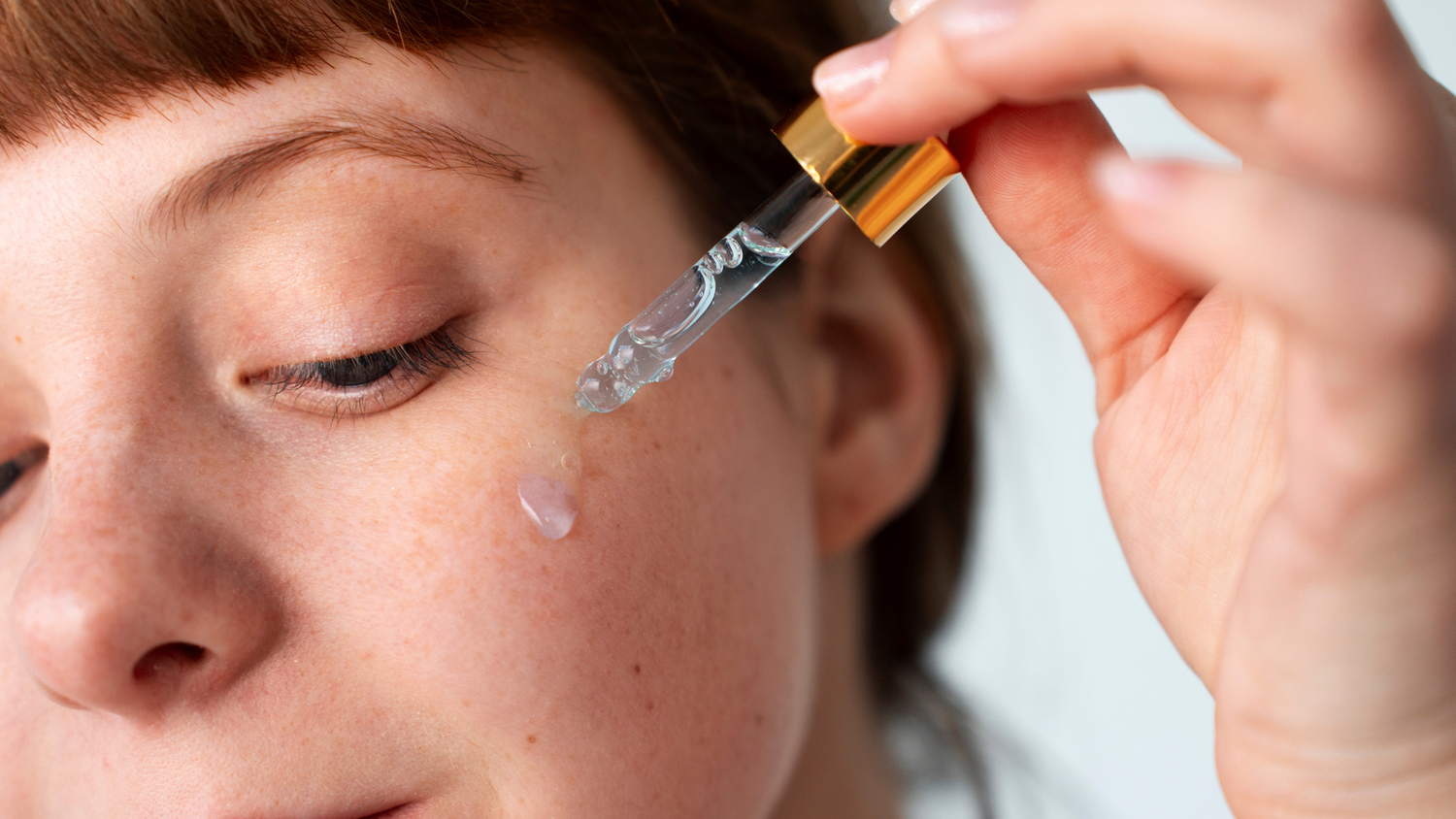
Hyaluronic acid benefits for skin include improved hydration, softer texture, a plumper appearance, and support for a healthy-looking skin barrier. As a humectant, hyaluronic acid helps attract and hold water at the skin’s surface. It can suit many skin types when paired with the right moisturiser and routine.
The hyaluronic acid benefits for skin come mainly from its ability to attract and retain moisture, helping skin feel softer, smoother and more supple. It can be useful for dry, dehydrated, oily and mature-looking skin when used correctly. Wildflower Naturals brings this hydration-focused ingredient into formulas alongside ingredients such as Aloe Vera, Rosehip Oil and Kumkumadi. So, what makes this ingredient so useful?
What Is Hyaluronic Acid?
Despite the word “acid” in its name, hyaluronic acid is not an exfoliating acid like glycolic or salicylic acid. It is a naturally occurring substance found in the body, including the skin, where it helps maintain moisture.
In skincare, it is primarily used as a humectant. Humectants attract water and help keep moisture available at the skin's surface. This is why hyaluronic acid is commonly found in serums, gels, creams and moisturisers designed for hydration, including across Wildflower Naturals' wider range of face care products.
One important point is that hydration and moisturisation are not exactly the same thing. A hydrating ingredient helps increase water content, while a moisturiser may also contain ingredients that soften the skin and reduce moisture loss. Using both steps can therefore make a hydration routine more effective.
What Are the Hyaluronic Acid Benefits for Skin?
1. Helps Keep Skin Hydrated
One of the best-known hyaluronic acid benefits for skin is its ability to attract moisture. Well-hydrated skin generally feels more comfortable and can look fresher and less dull.
If your skin often feels tight after cleansing or appears rough despite using moisturiser, dehydration could be contributing to the problem. A well-formulated product containing hyaluronic acid can be a useful addition to a consistent routine.
2. Gives Skin a Plumper Appearance
When skin is adequately hydrated, it can appear temporarily fuller and more supple. This can make fine lines caused or accentuated by dehydration look less noticeable.
That does not mean hyaluronic acid permanently removes wrinkles. Its primary role in topical skincare is hydration, so expectations should remain realistic.
3. Supports a Healthy-Looking Skin Barrier
The skin barrier helps protect the skin while reducing unnecessary moisture loss. Maintaining hydration is an important part of keeping the barrier comfortable and resilient.
Hyaluronic acid does not replace barrier-supporting ingredients such as lipids or ceramides, but it can complement a moisturising routine focused on maintaining comfortable, hydrated skin.
4. Helps Improve the Look of Dry, Dull Skin
Dryness and dehydration can leave the complexion looking tired or uneven. Adding a hydrating step can make skin look softer and more refreshed.
This is one reason hyaluronic acid works well in everyday skincare rather than being reserved for a specific age group or skin concern.
5. Makes Skin Feel Softer and Smoother
Dehydrated skin can feel rough or tight. By increasing surface hydration, a suitable hyaluronic acid formula can help skin feel smoother and more supple.
The final result also depends on the rest of the formula, so it is worth looking beyond a single ingredient when choosing skincare.
6. Complements Different Skin Types
Another useful aspect of this ingredient is its versatility. Lightweight hydrating formulas can work well for people who dislike rich creams, while richer products can combine hydration with emollient ingredients for dry-feeling skin.
Wildflower Naturals uses hyaluronic acid in products ranging from an illuminating face gel to a brightening face cream and an SPF 50 sunscreen-moisturiser, showing how the ingredient can fit into different parts of a skincare routine.
Hyaluronic Acid Benefits for Skin Types
Dry Skin
For dry-feeling skin, hydration is only one part of the routine. Pair a hydrating product with a moisturiser that helps keep the skin comfortable and reduces moisture loss.
Oily Skin
Oily skin can still be dehydrated. Excess oil does not necessarily mean the skin has enough water. A lightweight gel or serum can provide hydration without requiring a heavy texture, such as a suitable face serum for men formulated for this purpose.
Combination Skin
Combination skin may benefit from flexible layering. A lightweight hydrating product can be applied across the face, followed by a moisturiser adjusted to the areas that need more comfort. A well-formulated face serum for women can work well as this lightweight first layer.
Sensitive Skin
If your skin is sensitive, the complete formula matters. Look at the ingredient list rather than assuming every hyaluronic acid product will feel the same. Introduce new products gradually and patch-test when appropriate.
Mature-Looking Skin
Hydration can make skin appear plumper and smoother, which may soften the appearance of dehydration lines. However, hydration should not be confused with a permanent wrinkle treatment.
How to Use Hyaluronic Acid on Your Face
Knowing how to use a product is just as important as choosing the ingredient. Follow these simple steps:
Step 1: Start With Clean Skin
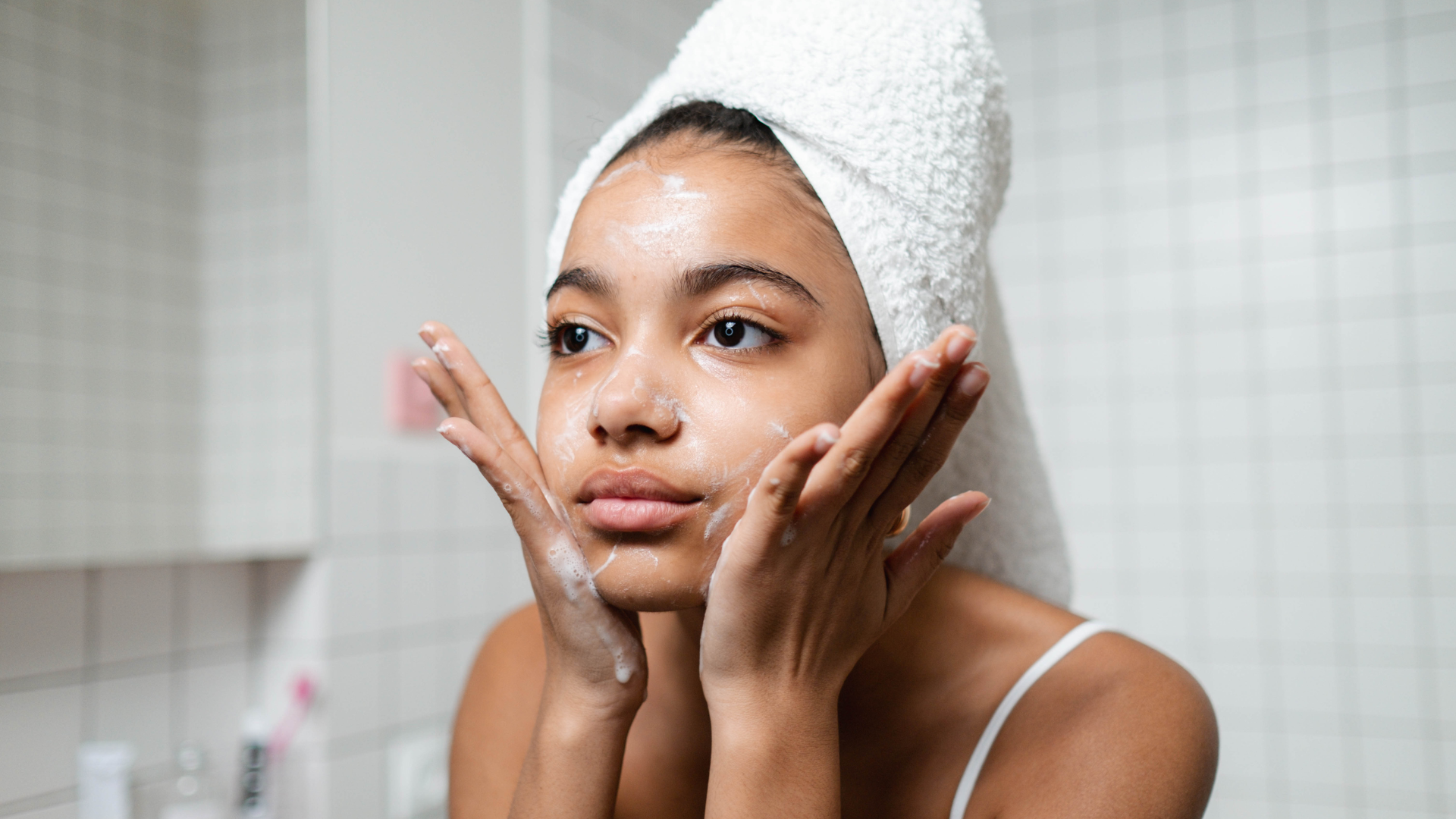
Use a gentle cleanser suited to your skin type. Avoid over-cleansing, especially if your face regularly feels tight afterward.
Step 2: Apply Your Hydrating Product
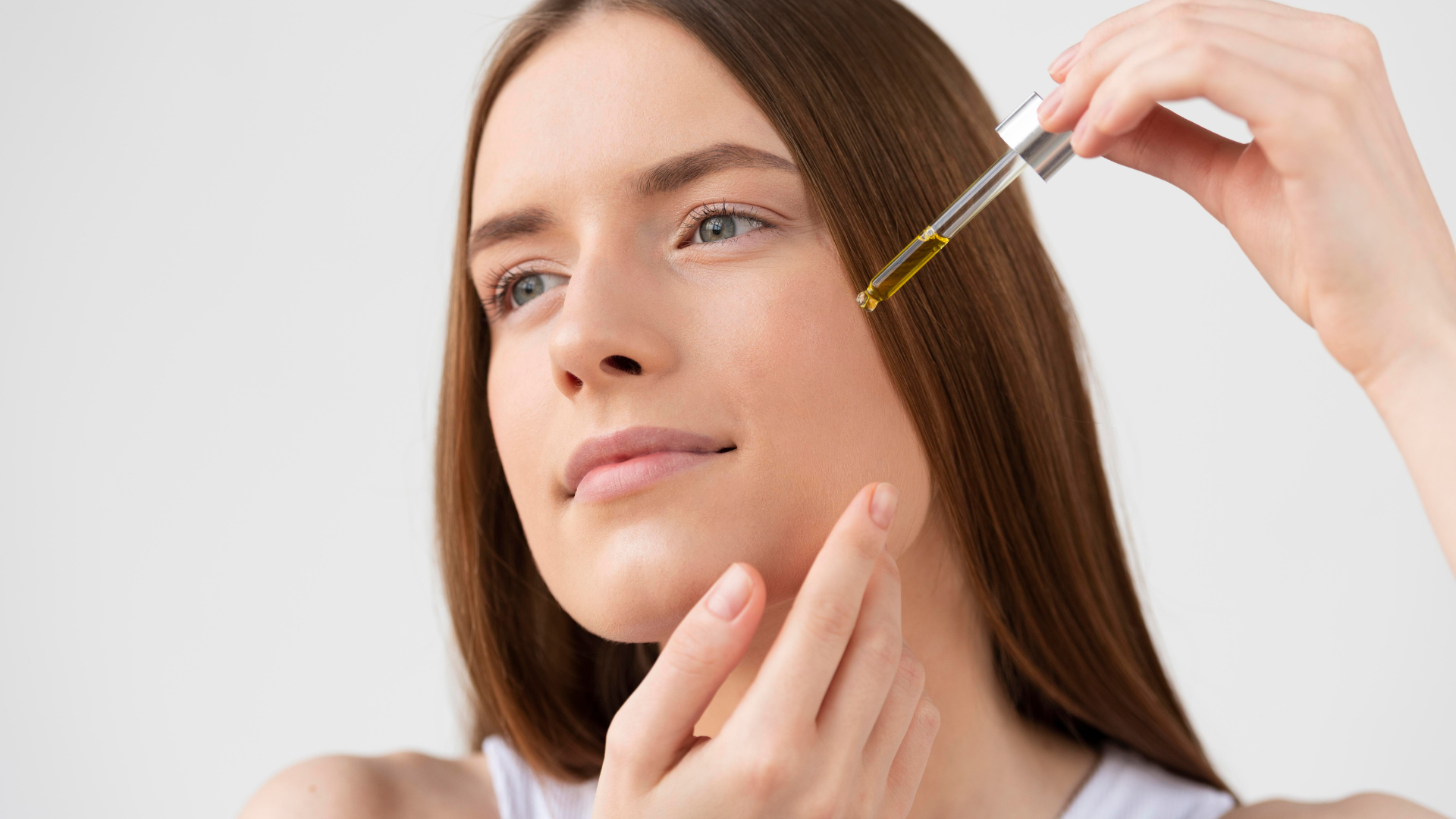
Apply a suitable hyaluronic acid serum or gel according to the product directions. Slightly damp skin can provide water for a humectant to work with.
Step 3: Follow With Moisturiser
Do not treat a humectant as a replacement for moisturiser. Applying a moisturising product afterward helps support longer-lasting comfort.
Step 4: Use Sunscreen in the Morning
During the day, finish your routine with broad-spectrum sunscreen. Hydration and sun protection serve different purposes, and both matter for maintaining healthy-looking skin.
When Should You Use Hyaluronic Acid—Morning or Night?
Hyaluronic acid can generally be incorporated into either a morning or evening routine, depending on the product and your skincare needs.
In the morning, it can sit underneath moisturiser and sunscreen. At night, it can form part of a simple hydration-focused routine after cleansing. If you're unsure about timing more broadly, this guide on when to apply face serum covers it in detail.
If your skin enjoys the ingredient and the product instructions allow it, using it twice daily may be practical. However, there is no need to overload your routine simply because an ingredient is considered beneficial.
Can You Use Hyaluronic Acid With Other Skincare Ingredients?
Yes. One of the practical hyaluronic acid benefits for skin is that it can fit comfortably into routines containing several commonly used ingredients.
Hyaluronic Acid and Vitamin C
These ingredients can complement one another. Vitamin C is commonly used in antioxidant-focused morning routines, while hyaluronic acid adds a hydration step.
Hyaluronic Acid and Niacinamide
Niacinamide and hyaluronic acid can work well together in a routine focused on hydration and maintaining a comfortable skin barrier.
Hyaluronic Acid and Retinol
Retinol routines can sometimes feel drying, particularly when someone is new to the ingredient. A hydrating product can therefore be useful alongside a moisturiser. Introduce retinol gradually and follow its product instructions.
Hyaluronic Acid and Aloe Vera
Aloe Vera is another familiar skincare ingredient associated with soothing hydration. Wildflower Naturals combines Aloe Vera with hyaluronic acid in its Kumkumadi & Donkey Milk Illuminating Face Gel.
Hyaluronic Acid and Rosehip Oil
These ingredients serve different roles. Hyaluronic acid attracts moisture, while oils can provide emollient properties. Wildflower Naturals pairs hyaluronic acid with Rosehip Oil in its Kumkumadi & Donkey Milk Brightening Face Cream. For a similarly lightweight emollient, it's worth reading about squalane for skin and how it compares.
Hyaluronic Acid Serum vs. Hyaluronic Acid Moisturiser
A serum is generally designed as a lightweight treatment layer, while a moisturiser is intended to provide hydration and help maintain skin comfort through a broader combination of ingredients.
You do not necessarily need both. If your moisturiser already provides enough hydration for your skin, adding another product may be unnecessary. If your skin needs an additional hydration layer, a serum or gel can be useful before moisturising.
The better choice is the product that suits your skin, fits comfortably into your routine and is easy to use consistently.
How to Choose a Hyaluronic Acid Product
When shopping for skincare, avoid choosing a product based only on a prominent ingredient name.
Consider:
- Your skin type: Dry, oily, combination and sensitive skin may prefer different textures.
- The complete formula: Supporting ingredients can affect how a product feels and performs.
- Texture: Gels may appeal to oily or combination skin, while creams can feel more comfortable on dry skin.
- Your routine: Choose something that works with the cleanser, treatments, moisturiser and sunscreen you already use.
- Your concerns: Hydration, dullness, dryness and skin comfort may require different supporting ingredients.
Wildflower Naturals' current face-care range includes a hyaluronic acid and Aloe Vera illuminating gel, a hyaluronic acid and Rosehip Oil face cream, and an SPF 50 sunscreen with hyaluronic acid.
Does Hyaluronic Acid Have Any Side Effects?
Topical hyaluronic acid is generally well tolerated, but your experience depends on the complete formulation rather than the ingredient alone. Fragrance, preservatives, botanical extracts or other active ingredients can also affect how a product feels on individual skin.
If you have sensitive skin, introduce new products gradually and patch-test when appropriate. If a product causes persistent burning, swelling, significant redness or discomfort, stop using it and seek professional advice.
Common Mistakes to Avoid
Applying Too Many Layers
More product does not automatically mean more hydration. Start with the amount recommended on the label.
Skipping Moisturiser
A hydrating serum or gel is not always enough on its own. Follow with a suitable moisturiser when your routine requires it.
Expecting It to Solve Every Skin Concern
Hyaluronic acid is primarily a hydration ingredient. It should not be presented as a cure for acne, pigmentation, wrinkles or every form of skin irritation. If breakouts are a specific concern, this guide on which serum is best for acne prone skin can help you choose a more targeted formula.
Ignoring the Complete Formula
Two products can contain the same headline ingredient but feel completely different because their supporting ingredients, concentrations, and textures differ.
How Long Does Hyaluronic Acid Take to Work?
Some people notice that skin feels softer or looks more hydrated soon after application. The longer-term experience depends on consistent use and the overall formulation.
The most realistic approach is to think of hyaluronic acid as part of a daily hydration strategy rather than a quick fix. Consistency, gentle cleansing, moisturisation, and sun protection all contribute to healthy-looking skin.
Why Include Hyaluronic Acid in a Daily Skincare Routine?
The appeal is simple: hydration is fundamental to comfortable, healthy-looking skin. The hyaluronic acid benefits for skin make it a versatile ingredient for people who want to improve the feel and appearance of dehydrated or dry-looking skin without making their routine unnecessarily complicated.
It is also easy to pair with other skincare ingredients, provided the complete routine remains balanced and suitable for your skin.
For Wildflower Naturals, this ingredient fits naturally into a broader approach to skincare that brings botanical ingredients and modern cosmetic formulation together. Wildflower Naturals' current range includes formulations built around ingredients such as Kumkumadi, Donkey Milk, Aloe Vera, Rosehip Oil, and hyaluronic acid.
Bring Hydration Into Your Wildflower Naturals Ritual
Good skincare is rarely about chasing the newest ingredient. It is about understanding what your skin needs and choosing formulas that make sense for your everyday routine.
If hydration is your priority, explore the Kumkumadi & Donkey Milk Illuminating Face Gel with Hyaluronic Acid + Aloe Vera for a lightweight hydration-focused step, or the Kumkumadi & Donkey Milk Brightening Face Cream with Hyaluronic Acid + Rosehip Oil when you want hydration in a moisturising formula. For daytime protection, the Kumkumadi & Donkey Milk SPF 50 Dew Drops Invisible Sunscreen with Hyaluronic Acid combines hydration with SPF 50 protection.
At Wildflower Naturals, the goal is not to make skincare complicated. It is to make choosing, layering and enjoying your daily ritual feel more intuitive. Explore the range, understand what your skin needs, and make hydration a thoughtful part of your routine.
Frequently Asked Questions
Q1. How can I use hyaluronic acid correctly?
Apply it after cleansing, preferably to slightly damp skin, then follow with a moisturiser. In the morning, finish with sunscreen.
Q2. Can I use hyaluronic acid every day?
Yes, it can generally be used daily when your skin tolerates the product and the label directions allow it.
Q3. Is hyaluronic acid good for oily skin?
Yes. Oily skin can still be dehydrated, and a lightweight hyaluronic acid gel or serum can provide hydration without a heavy feel.
Q4. Will hyaluronic acid remove wrinkles?
No. It does not permanently remove wrinkles, but hydration can temporarily make skin look plumper and fine lines less noticeable.
Q5. What should I apply after hyaluronic acid?
A moisturiser is usually a good next step because it helps support longer-lasting hydration. During the day, apply sunscreen afterward.
Q6. Why does hyaluronic acid sometimes make my skin feel dry?
This may relate to the overall routine, environment or formulation. If your skin feels tight, try applying it to slightly damp skin and following with a suitable moisturiser.
Q7. How long should I leave hyaluronic acid on my skin?
There is usually no need to rinse off a leave-on serum or gel. Let it absorb according to the product directions and continue with the next skincare step.
Q8. Can hyaluronic acid cause breakouts?
Hyaluronic acid itself is primarily a hydrating ingredient, but breakouts can depend on the complete formulation and your individual skin. Check the full ingredient list if you notice a reaction.



Leave a comment
This site is protected by hCaptcha and the hCaptcha Privacy Policy and Terms of Service apply.