


Squalane for skin is a lightweight emollient that helps soften the skin, reduce moisture loss, and support a comfortable, supple-looking skin barrier. It can suit dry, normal, combination, and oily skin when used in an appropriate formulation. Its main appeal is simple: moisturising support without a heavy, greasy feel.
Squalane for skin is a lightweight moisturising ingredient that helps soften, smooth and support the skin’s natural moisture barrier. It can be useful for dry, dehydrated or combination skin and may also work well for oily skin when the formula feels comfortable. But what exactly makes this ingredient so versatile? Let’s look closer.
What Is Squalane?
Squalane is a stable, oil-soluble emollient used in skincare to soften the skin and help reduce moisture loss. It is related to squalene, a lipid naturally found in human sebum, but the two are not the same.
Squalene is prone to oxidation, which can make it less stable in cosmetic formulations. Squalane is hydrogenated, making it considerably more stable and suitable for skincare products.
You may find squalane derived from plant sources such as olives or sugarcane, depending on the formulation. When choosing a product, the complete ingredient list and formulation matter more than simply seeing the word “squalane” on the label.
Squalane vs Squalene: What’s the Difference?
The easiest way to remember it is:
- Squalene: naturally occurring lipid found in skin sebum and some biological sources.
- Squalane: the hydrogenated, more stable form commonly used in cosmetics.
This distinction matters because stability is important when an ingredient needs to remain effective and consistent throughout a product’s shelf life.
What Does Squalane Do for Skin?
At its simplest, squalane acts as an emollient. Instead of primarily drawing water into the skin like a humectant, it helps soften the skin and improve its feel while supporting moisture retention.
That makes it especially interesting for people whose skin feels tight after cleansing, looks dull from dehydration, or becomes rough during changes in weather.
It also has a naturally silky texture, which explains why it appears in facial oils, serums, moisturisers and other leave-on skincare products. Wildflower Naturals' range of face care products reflects this same versatility in formulation.
7 Benefits of Squalane for Skin
1. Helps Hydrate and Soften the Skin
One of the biggest reasons people use squalane is the comfortable moisturised feeling it can provide. As an emollient, it helps smooth the spaces between skin cells and leaves the surface feeling softer.
For skin that feels dry, tight or rough, adding an emollient can make a noticeable difference to overall comfort.
2. Supports the Skin Barrier
A healthy skin barrier helps keep moisture in while providing protection from everyday environmental stressors. When the barrier is compromised, skin may feel tight, flaky or unusually sensitive.
Squalane can complement a barrier-conscious routine by providing emollient support. It should not be considered a treatment for a damaged skin barrier, but it can be a useful part of a moisturising routine.
3. Helps Reduce the Feeling of Dryness
Dryness is not always about a lack of water alone. Skin also needs lipids and emollients to maintain a comfortable surface.
Squalane can help reduce the rough, uncomfortable feeling associated with dryness by leaving the skin softer and more conditioned.
4. Provides Lightweight Moisture
Not everyone enjoys rich creams or heavy facial oils. This is where squalane can be appealing.
Its smooth, lightweight feel allows it to provide emollient moisture without necessarily creating the dense finish associated with heavier oils or butters. The final feel, however, depends on the entire formulation rather than one ingredient.
5. Can Fit Into Sensitive-Skin Routines
Sensitive skin often benefits from a simpler routine with fewer unnecessary steps. A straightforward emollient can be useful when the goal is to maintain softness and reduce the uncomfortable feeling of dryness.
That does not mean every person with sensitive skin will tolerate every squalane-containing product. Fragrance, preservatives, essential oils and other ingredients in the formula can also influence how skin responds.
Patch testing is always sensible when introducing something new.
6. Leaves Skin Looking Smoother and More Supple
Well-moisturised skin tends to look smoother and more comfortable. By conditioning the surface, squalane can help improve the appearance of rough or dehydrated-looking skin. If uneven-looking tone is also a concern, it helps to know which serum is best for pigmentation alongside your regular moisturising routine.
The result is not an overnight transformation. Consistency, the rest of your routine and your individual skin condition all matter.
7. Works Well With Different Skincare Routines
Another advantage is versatility. Squalane can be incorporated into a minimalist routine or used alongside commonly used skincare ingredients.
It can complement hydrating products, moisturisers and many active-focused routines, provided the complete combination suits your skin.
Is Squalane Suitable for Every Skin Type?
There is no single skincare ingredient that works identically for everyone, but squalane is generally versatile enough to be considered across different skin types.
|
Skin Type |
How It May Fit |
|
Dry |
Helps soften and condition dry-feeling skin |
|
Normal |
Adds lightweight emollient moisture |
|
Combination |
Can be applied selectively to drier areas |
|
Oily |
May provide comfortable moisture without a heavy oil feel |
|
Sensitive |
Can fit a simple routine when the overall formula is well tolerated |
|
Acne-prone |
Individual tolerance and the complete formulation should be considered |
Squalane for Dry Skin
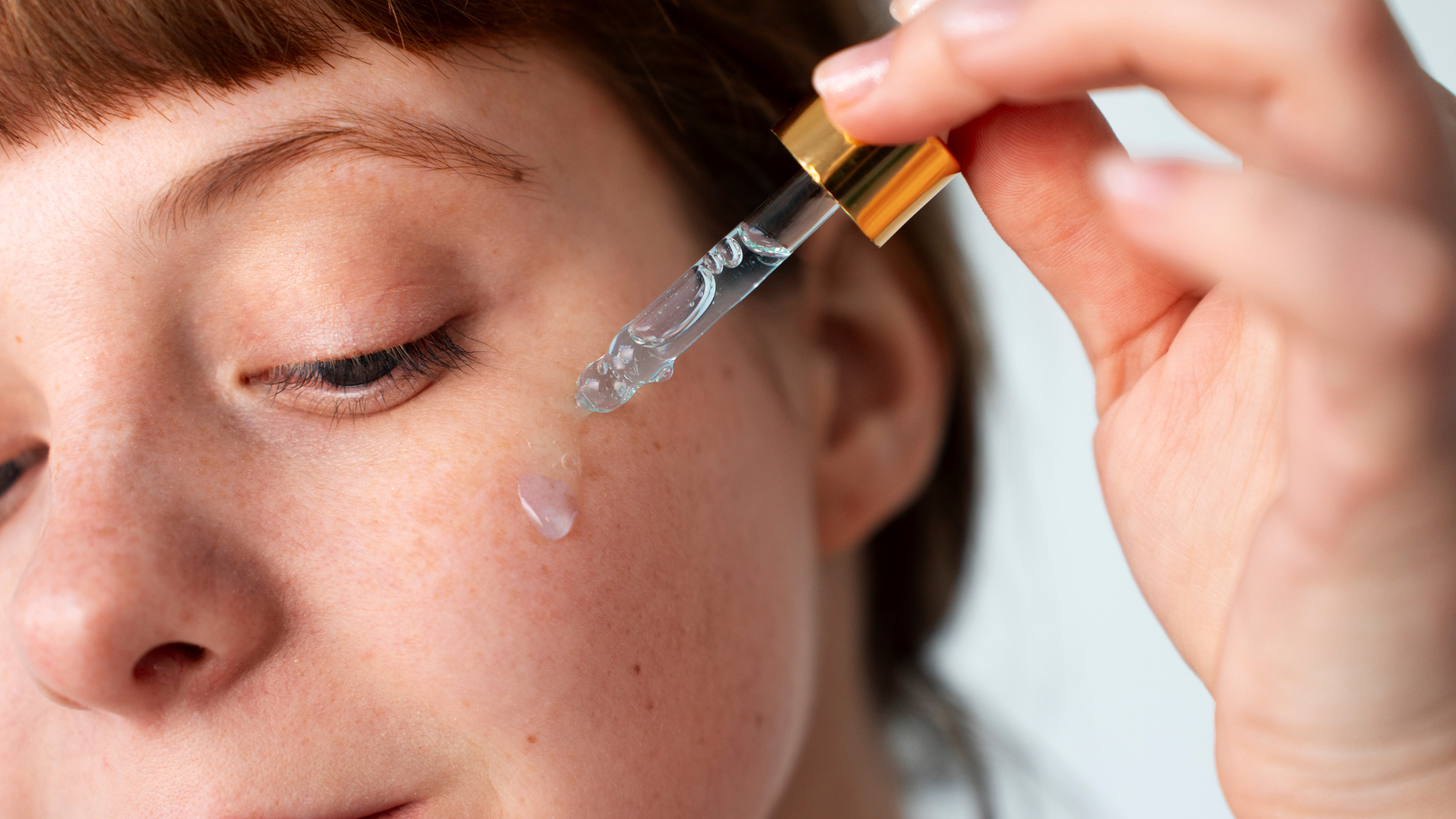
Dry skin can benefit from ingredients that help soften the surface and reduce the uncomfortable feeling of tightness. Apply a few drops after water-based products and before or instead of a moisturiser, depending on what your skin needs. Layering it with a suitable face serum for women can further support this step.
Squalane for Oily Skin
Oily skin still needs hydration. Avoiding every oil-based ingredient simply because your skin produces more sebum can leave your routine unnecessarily restrictive. A lightweight face serum for men can be a comfortable way to add this hydration without feeling heavy.
A lightweight squalane formulation may feel more comfortable than a richer facial oil, although individual results vary.
Squalane for Sensitive Skin
For sensitive skin, keep the entire routine simple. Look beyond the headline ingredient and check the full INCI list, especially if your skin reacts easily to fragrance or essential oils.
How to Use Squalane for Skin
Using it does not require a complicated routine.
Step 1: Cleanse
Start with a gentle cleanser suited to your skin.
Step 2: Apply Water-Based Products
Use your toner, essence, or serum first if these are part of your routine.
Step 3: Apply Squalane
Use a small amount and gently spread it over the face and neck. You do not need to drench the skin in oil.
Step 4: Moisturise if Needed
If your skin still feels dry, follow with a suitable moisturiser.
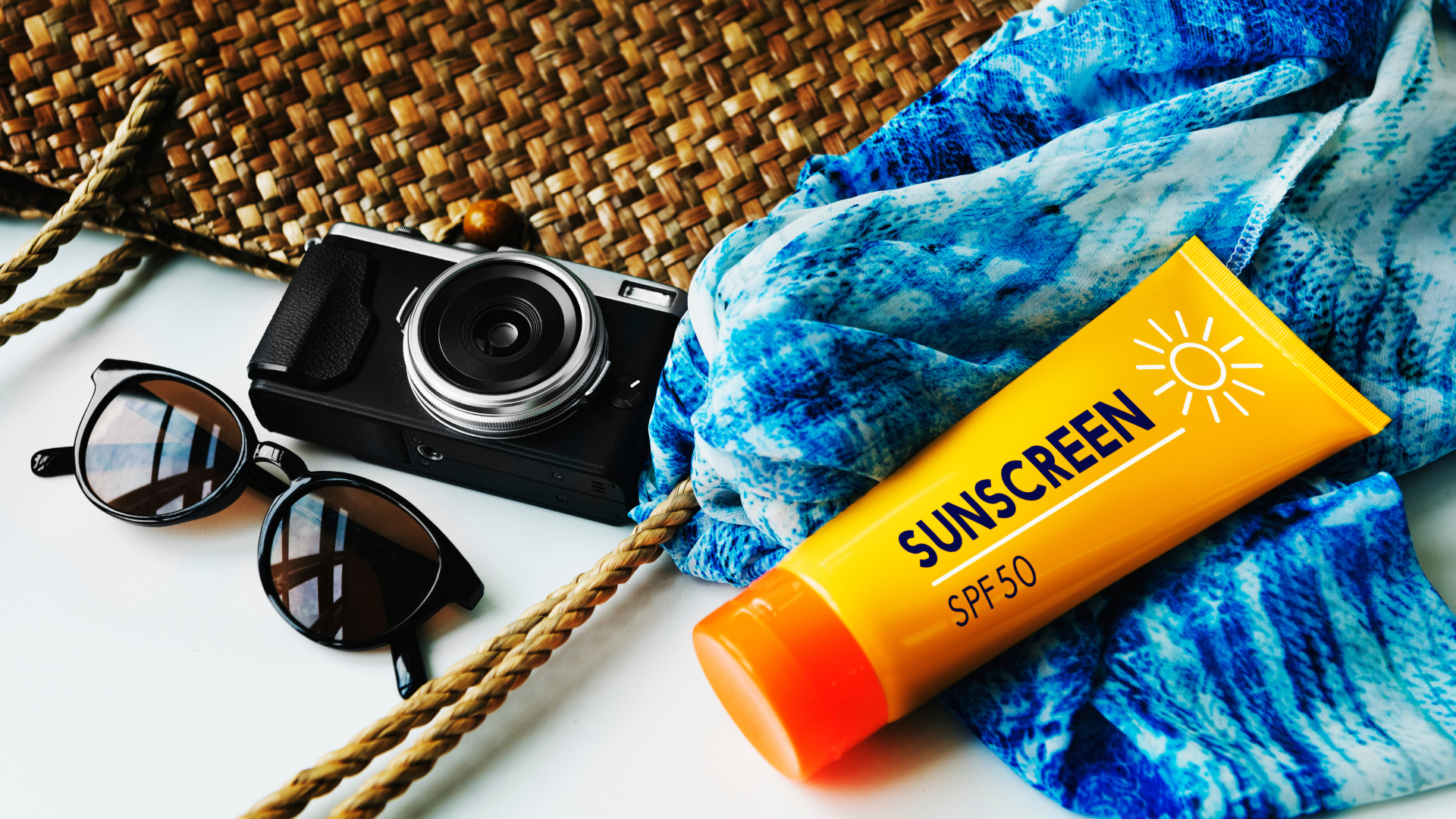
Step 5: Use Sunscreen in the Morning
Squalane does not replace sunscreen. During the day, finish with broad-spectrum sun protection.
Morning or Night: When Should You Use It?
Either can work. Many people prefer using facial oils at night because they can be incorporated into a slower, more nourishing routine. If you enjoy the texture during the day, it can also be used in the morning beneath sunscreen, provided the overall combination sits comfortably on your skin. For a broader look at timing, this guide on when to apply face serum covers the details further.
Can You Use Squalane With Other Skincare Ingredients?
Yes, squalane can generally be incorporated into routines containing several familiar skincare ingredients.
- With hyaluronic acid: Hyaluronic acid is a humectant, while squalane is an emollient. They perform different roles and can complement each other.
- With niacinamide: The two can work comfortably within a hydration- and barrier-focused routine.
- With vitamin C: They can be used in the same overall routine, depending on the individual products and their formulations.
- With retinol: Squalane can provide emollient support in a routine that includes retinol, particularly when dryness is a concern. It does not cancel out or neutralise retinol.
The important rule is simple: introduce active ingredients gradually and pay attention to how your skin responds.
Squalane vs Other Moisturising Ingredients
Understanding the difference between ingredient categories makes skincare choices easier.
|
Ingredient |
Main Role |
Common Use |
|
Squalane |
Emollient |
Softness and moisture retention |
|
Hyaluronic Acid |
Humectant |
Attracting and holding water |
|
Ceramides |
Skin lipids |
Barrier-supportive skincare |
|
Jojoba Oil |
Emollient |
Conditioning and softness |
|
Shea Butter |
Emollient/occlusive |
Rich moisturisation |
The best routine does not necessarily contain all of these. Choose according to your skin's needs, product formulation and comfort.
How to Choose a Squalane Product
Do not choose a skincare product based on one fashionable ingredient alone.
Look at:
- The complete ingredient list
- The texture you prefer
- Your skin type and current concerns
- Fragrance and essential oils if your skin is reactive
- Packaging and storage instructions
- Brand transparency
- Testing and manufacturing information
This ingredient-first approach fits naturally with the way Wildflower Naturals approaches formulation. The brand's founder, Radhika Dang Gambhir, is identified as a certified Natural Skincare Formulator, and the brand highlights laboratory testing of raw materials and finished products for physical, chemical and microbial safety.
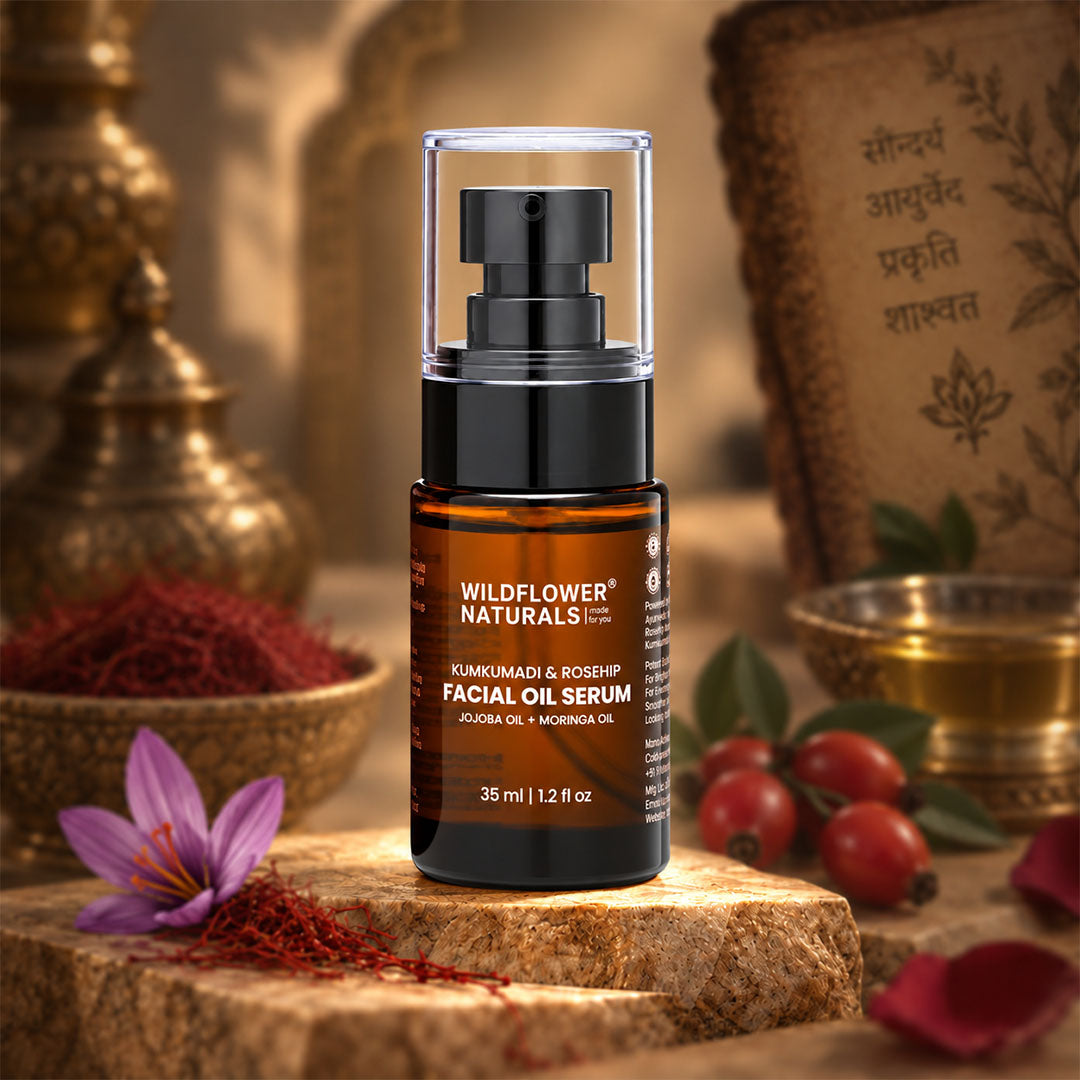
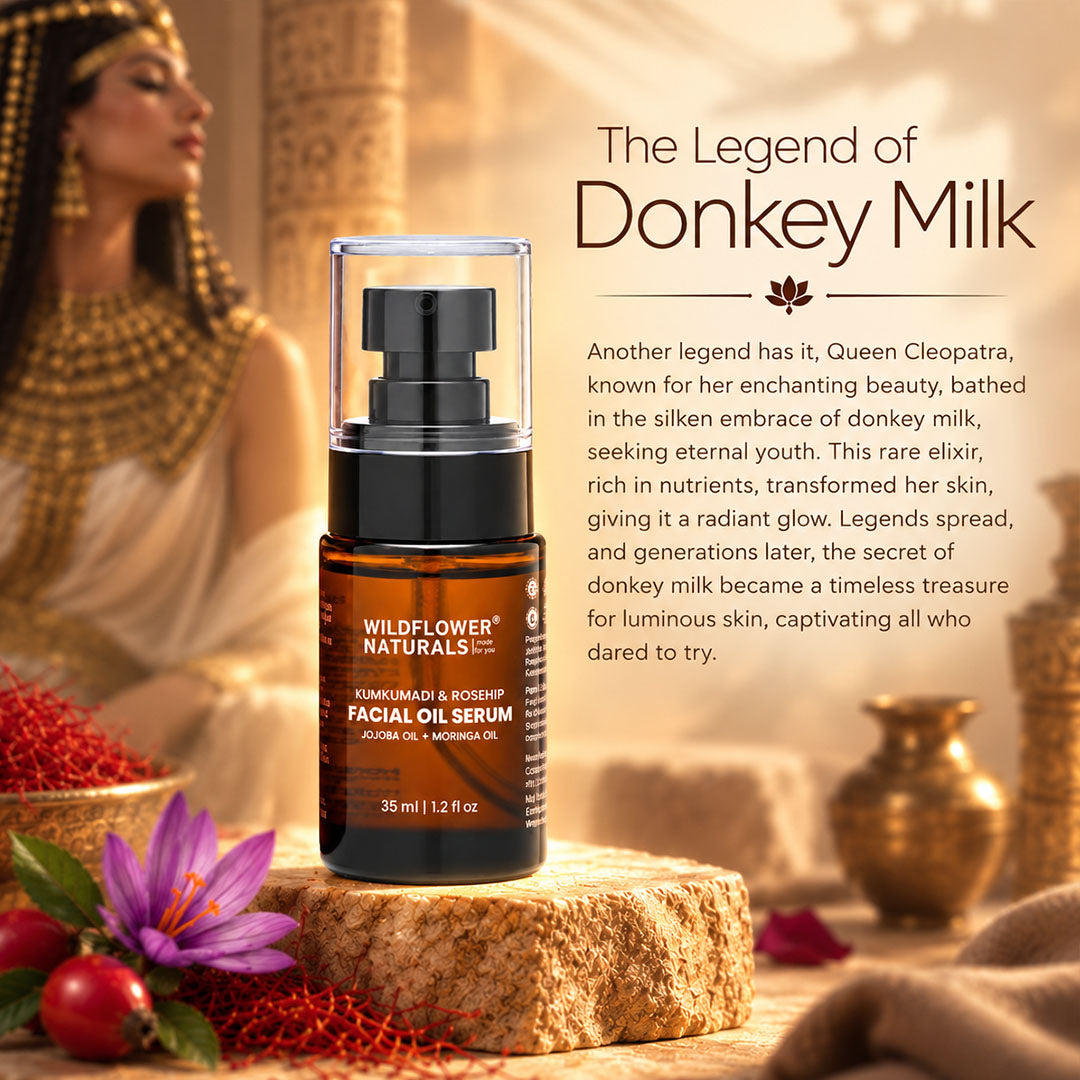
If you are exploring botanical facial oils rather than a standalone squalane product, the Kumkumadi & Rosehip Facial Oil Serum with Jojoba Oil + Moringa Oil combines botanical oils including jojoba, rosehip, sea buckthorn and moringa in a lightweight, fast-absorbing facial oil.
Are There Any Side Effects?
Squalane is generally used as a moisturising cosmetic ingredient, but “natural” or “gentle” does not automatically mean universally suitable.
Your skin may respond differently depending on the complete formulation and your individual sensitivities. If you are prone to reactions, patch test a new product before applying it widely.
If you have persistent redness, itching, painful acne, dermatitis or another ongoing skin concern, it is better to seek advice from a qualified dermatologist rather than relying on a cosmetic ingredient alone. In the meantime, this guide on which serum is best for acne prone skin can help you choose a gentler formulation.
Make Your Skincare Routine More Intentional
Good skincare is rarely about collecting every trending ingredient. It is about understanding what your skin needs, choosing well-formulated products, and giving your routine enough consistency to work.
If you are drawn to botanical oils and thoughtfully layered skincare, explore Wildflower Naturals' face-care collection. Its current range includes the Kumkumadi & Rosehip Facial Oil Serum with Jojoba Oil + Moringa Oil, Kumkumadi & Donkey Milk Face Serum with 10% Niacinamide & 2% Alpha Arbutin, and Kumkumadi & Donkey Milk Brightening Face Cream with Hyaluronic Acid + Rosehip Oil.
For a nourishing facial-oil option, the Kumkumadi & Rosehip serum is designed for daily use and combines Ayurvedic-inspired ingredients with botanical oils in a lightweight, non-greasy formula.
Explore Wildflower Naturals' face-care collection and find a thoughtful addition to your everyday skincare ritual.
Frequently Asked Questions
Q1. How should I apply squalane?
Apply a small amount to clean skin after water-based serums. Follow with moisturiser if needed, and always use sunscreen during the day.
Q2. Can I use squalane every day?
Yes, it can be used daily if your skin tolerates it. Start with a small amount and adjust according to how your skin feels.
Q3. Is squalane good for oily skin?
It can be. Its lightweight emollient texture may suit oily skin better than heavier oils, but individual tolerance and the overall formula matter.
Q4. Will squalane clog pores?
Squalane is commonly chosen for its lightweight feel, but no ingredient can guarantee a zero-breakout experience for every person. Your complete formulation and individual skin response matter.
Q5. What is the difference between squalane and squalene?
Squalene is a naturally occurring lipid, while squalane is its hydrogenated, more stable form commonly used in cosmetic formulations.
Q6. Why is squalane used in skincare?
It is primarily used as an emollient to soften the skin, improve its feel, and support moisture retention.
Q7. How does squalane fit into a skincare routine?
It usually works after water-based serums and before or instead of a moisturiser, depending on your skin and the rest of your routine.
Q8. Can I use squalane with retinol and vitamin C?
Generally, yes. These ingredients can be incorporated into the same routine, but introduce active products gradually and follow the directions for each formulation.



Leave a comment
This site is protected by hCaptcha and the hCaptcha Privacy Policy and Terms of Service apply.