

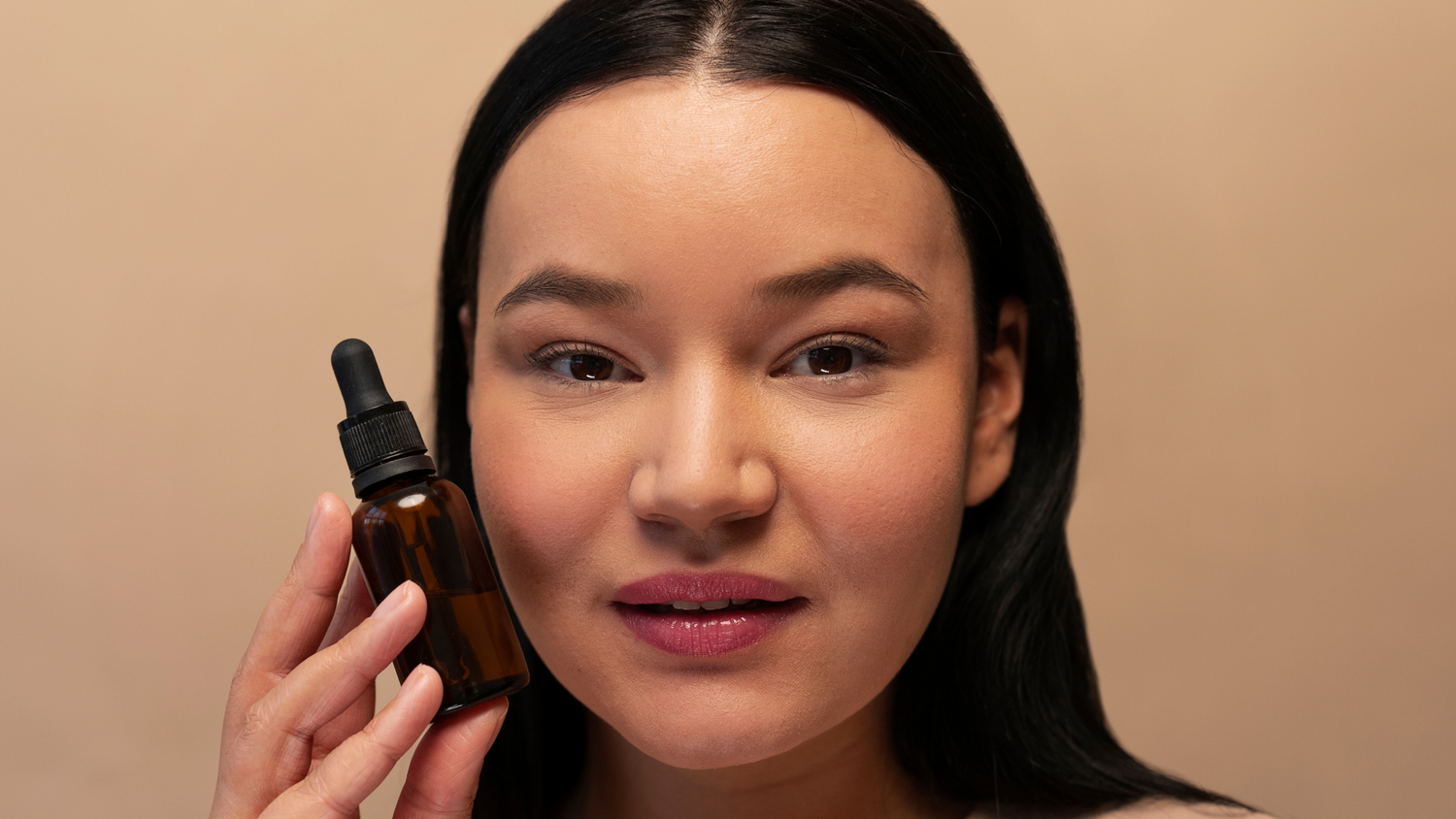
Which serum is best for acne prone skin? The best serum is one that helps balance excess oil, supports the skin barrier, hydrates without clogging pores, and improves the appearance of post-acne marks. Ingredients like niacinamide, alpha arbutin, hyaluronic acid, and botanical extracts are excellent choices when matched to your skin's unique needs.
If you're wondering which serum is best for acne prone skin, the answer depends on your skin type, concerns, and the ingredients in your skincare routine. A well-formulated serum can help improve the appearance of blemishes, excess oil, and post-acne marks while keeping your skin balanced and comfortable. At Wildflower Naturals, we believe skincare should combine effective ingredients with gentle formulations that support healthier-looking skin. Let's explore how to choose the right serum for clearer, happier skin.
What Makes a Face Serum Good for Acne-Prone Skin?
Acne-prone skin benefits from products that work efficiently without overwhelming the skin barrier. Unlike heavier creams, serums contain concentrated ingredients in lightweight formulations that absorb quickly and target specific skin concerns. This is especially important to understand once you know what is acne prone skin and how it responds to different textures.
A good serum for acne-prone skin should:
-
Feel lightweight and non-greasy
-
Absorb quickly
-
Be non-comedogenic
-
Help maintain the skin's moisture barrier
-
Balance excess oil
-
Support smoother, healthier-looking skin
-
Layer easily with moisturiser and sunscreen
Choosing a serum with these qualities can make your daily skincare routine more effective and comfortable.
Which Ingredients Should You Look for in the Best Serum for Acne-Prone Skin?
Knowing the ingredients is just as important as choosing the product itself.
Niacinamide
Niacinamide is one of the most trusted skincare ingredients for oily and acne-prone skin.
It helps:
-
Balance excess oil
-
Improve the appearance of enlarged pores
-
Strengthen the skin barrier
-
Reduce the appearance of post-acne marks
-
Promote a more even-looking complexion
Alpha Arbutin
Alpha Arbutin is widely used to improve uneven skin tone.
Benefits include:
-
Helps fade the appearance of acne marks
-
Supports brighter-looking skin
-
Encourages a more even complexion
-
Gentle enough for regular use
Hyaluronic Acid
Hydration is essential, even for oily skin.
Hyaluronic Acid:
-
Attracts moisture
-
Keeps skin hydrated without heaviness
-
Helps maintain a healthy skin barrier
-
Reduces the feeling of dryness often caused by acne treatment
Tea Tree Extract
Tea Tree is known for its naturally purifying properties.
It helps:
-
Refresh oily skin
-
Support cleaner-looking skin
-
Leave the skin feeling balanced
Rosehip Oil & Moringa Oil
Botanical oils aren't always unsuitable for acne-prone skin. Lightweight, carefully formulated oils can help nourish and support the skin barrier.
Rosehip and Moringa Oils may help:
-
Nourish the skin
-
Improve skin texture
-
Support recovery after breakouts
-
Maintain softness without feeling excessively heavy
Ingredients to Avoid if You Have Acne-Prone Skin
Some ingredients may not suit acne-prone skin, especially if your skin is sensitive.
Be cautious with:
-
Heavy pore-clogging oils
-
Harsh drying alcohols
-
Excessively fragranced formulations
-
Layering too many active ingredients together
-
Abrasive physical exfoliants used frequently
A simple, balanced routine is often more effective than using many products at once, and this holds true whether you're choosing a face serum for men or one formulated for other skin needs.
Which Serum Is Best for Acne Prone Skin Based on Your Skin Concern?
There isn't one universal answer because everyone's skin behaves differently. Understanding your concern helps you make a better choice.
For Oily Acne-Prone Skin
A face serum for oily skin should be lightweight, containing:
-
Niacinamide
-
Hyaluronic Acid
-
Botanical extracts
These ingredients help balance oil while keeping skin hydrated.
For Acne Marks
Look for:
-
Alpha Arbutin
-
Niacinamide
-
Brightening botanical ingredients
They help improve the appearance of post-acne pigmentation over time, which ties closely into how long does it take for acne scars to fade when using these ingredients consistently.
For Dehydrated Acne-Prone Skin
Even oily skin can become dehydrated. A suitable face serum for dry skin can address this need directly.
Hydrating ingredients such as Hyaluronic Acid help maintain moisture without clogging pores.
For Sensitive Acne-Prone Skin
Choose products with:
-
Gentle botanical ingredients
-
Barrier-supporting formulations
-
Minimal unnecessary additives
Keeping the skin barrier healthy often leads to better overall skin balance.
Wildflower Naturals Serums for Acne-Prone Skin
If you're still wondering which serum is best for acne prone skin, Wildflower Naturals offers thoughtfully formulated options that combine botanical ingredients with effective skincare actives.
Kumkumadi & Donkey Milk Face Serum with 10% Niacinamide & 2% Alpha Arbutin
This lightweight serum is an excellent choice for oily and acne-prone skin.
Key highlights:
-
10% Niacinamide
-
2% Alpha Arbutin
-
Lightweight daily formula
-
Helps improve the appearance of acne marks
-
Supports balanced-looking skin
-
Suitable for regular use
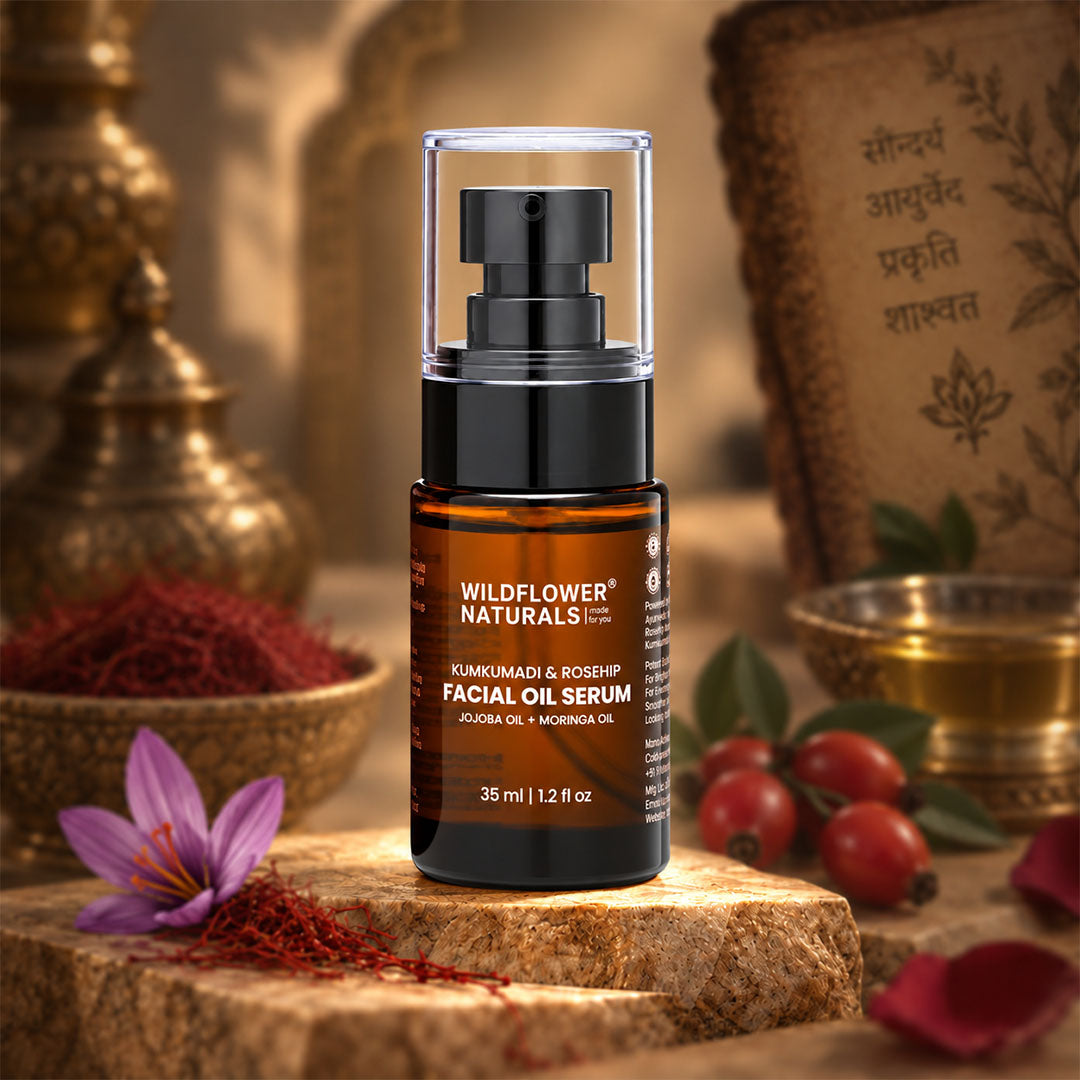
Kumkumadi & Rosehip Facial Oil Serum with Jojoba Oil + Moringa Oil
Ideal for skin that feels dry after breakouts or needs additional nourishment, this serum is a popular pick among face care products for those recovering from acne.
Benefits include:
-
Supports the skin barrier
-
Provides lightweight nourishment
-
Leaves skin feeling soft and comfortable
-
Suitable for combination and dry acne-prone skin
Build an Effective Acne-Prone Skincare Routine
Consistency matters more than using numerous products.
Morning Routine
-
Gentle Cleanser
-
Apple Cider Vinegar Face Toner
-
Serum suitable for your skin
-
Lightweight Moisturiser
-
Kumkumadi & Donkey Milk SPF 50 Dew Drops Invisible Sunscreen
Evening Routine
-
Gentle Cleanser
-
Tea Tree Face Mist
-
Serum
-
Kumkumadi & Donkey Milk Brightening Face Cream
Following a simple routine helps your skin remain balanced while allowing active ingredients to perform effectively.
Common Mistakes That Can Make Acne Worse
Many skincare routines become complicated unnecessarily.
Avoid these common mistakes:
-
Using multiple active serums together
-
Skipping moisturiser
-
Over-cleansing
-
Frequently changing products
-
Not wearing sunscreen every day
-
Picking or squeezing blemishes
-
Expecting overnight results
Healthy skin develops through consistent care.
How Long Does It Take to See Results from an Acne Serum?
Most people notice gradual improvements rather than instant changes.
Generally:
-
Initial hydration can be noticed within days.
-
Oil balance may improve within a few weeks.
-
The appearance of acne marks often takes several weeks of consistent use.
-
Long-term improvements depend on regular skincare and daily sun protection.
Patience and consistency are essential for achieving healthier-looking skin.
Why Choosing the Right Serum Matters
Understanding which serum is best for acne prone skin isn't about following trends—it's about selecting ingredients that suit your skin's needs, much like learning how to reduce acne redness involves matching remedies to your specific concern. A thoughtfully chosen serum can support hydration, improve the appearance of post-acne marks, balance excess oil, and complement a simple, consistent skincare routine.
Final Thoughts
Finding which serum is best for acne prone skin starts with understanding your skin's unique needs rather than chasing every new skincare trend. Ingredients like niacinamide, alpha arbutin, hyaluronic acid, and nourishing botanicals can help support clearer, more balanced skin when used consistently as part of a simple routine. Remember that healthy-looking skin is built through patience, gentle care, and products that work in harmony with your skin.
Discover Acne-Friendly Skincare with Wildflower Naturals
If you're ready to build a routine that supports clearer, healthier-looking skin, explore the thoughtfully crafted range from Wildflower Naturals. From the Kumkumadi & Donkey Milk Face Serum with 10% Niacinamide & 2% Alpha Arbutin for balancing oily, blemish-prone skin to the nourishing Kumkumadi & Rosehip Facial Oil Serum with Jojoba Oil + Moringa Oil, every formula is designed to complement your skincare journey. Complete your routine with the Apple Cider Vinegar Face Toner, Tea Tree Face Mist, Kumkumadi & Donkey Milk Brightening Face Cream, and Kumkumadi & Donkey Milk SPF 50 Dew Drops Invisible Sunscreen to enjoy a simple yet effective regimen that helps your skin look its healthy best.
Frequently Asked Questions
Q1. How do I choose which serum is best for acne prone skin?
Choose a lightweight, non-comedogenic serum with ingredients like niacinamide, alpha arbutin, or hyaluronic acid based on your skin concerns and sensitivity.
Q2. How often should I use an acne serum?
Most serums can be used once or twice daily, depending on the product directions and your skin's tolerance.
Q3. Can niacinamide serum help acne-prone skin?
Yes. Niacinamide helps balance excess oil, supports the skin barrier, and improves the appearance of post-acne marks.
Q4. Can I use a serum every day if I have acne?
Yes. Daily use of a suitable serum is generally beneficial when paired with a gentle cleanser, moisturiser, and sunscreen.
Q5. Is hyaluronic acid suitable for acne-prone skin?
Yes. Hyaluronic acid provides lightweight hydration without making skin feel greasy, helping maintain a healthy moisture balance.
Q6. Will serum remove acne marks?
A serum won't remove acne marks overnight, but ingredients like alpha arbutin and niacinamide can gradually improve their appearance with consistent use.
Q7. What ingredients should I avoid if I have acne-prone skin?
Avoid products that feel excessively heavy, contain harsh drying alcohols, or combine too many active ingredients that may overwhelm your skin.
Q8. Why is choosing the right serum important for acne-prone skin?
Choosing the right serum ensures your skin receives targeted care without clogging pores or disrupting the skin barrier, supporting healthier-looking skin over time.





Leave a comment
This site is protected by hCaptcha and the hCaptcha Privacy Policy and Terms of Service apply.