

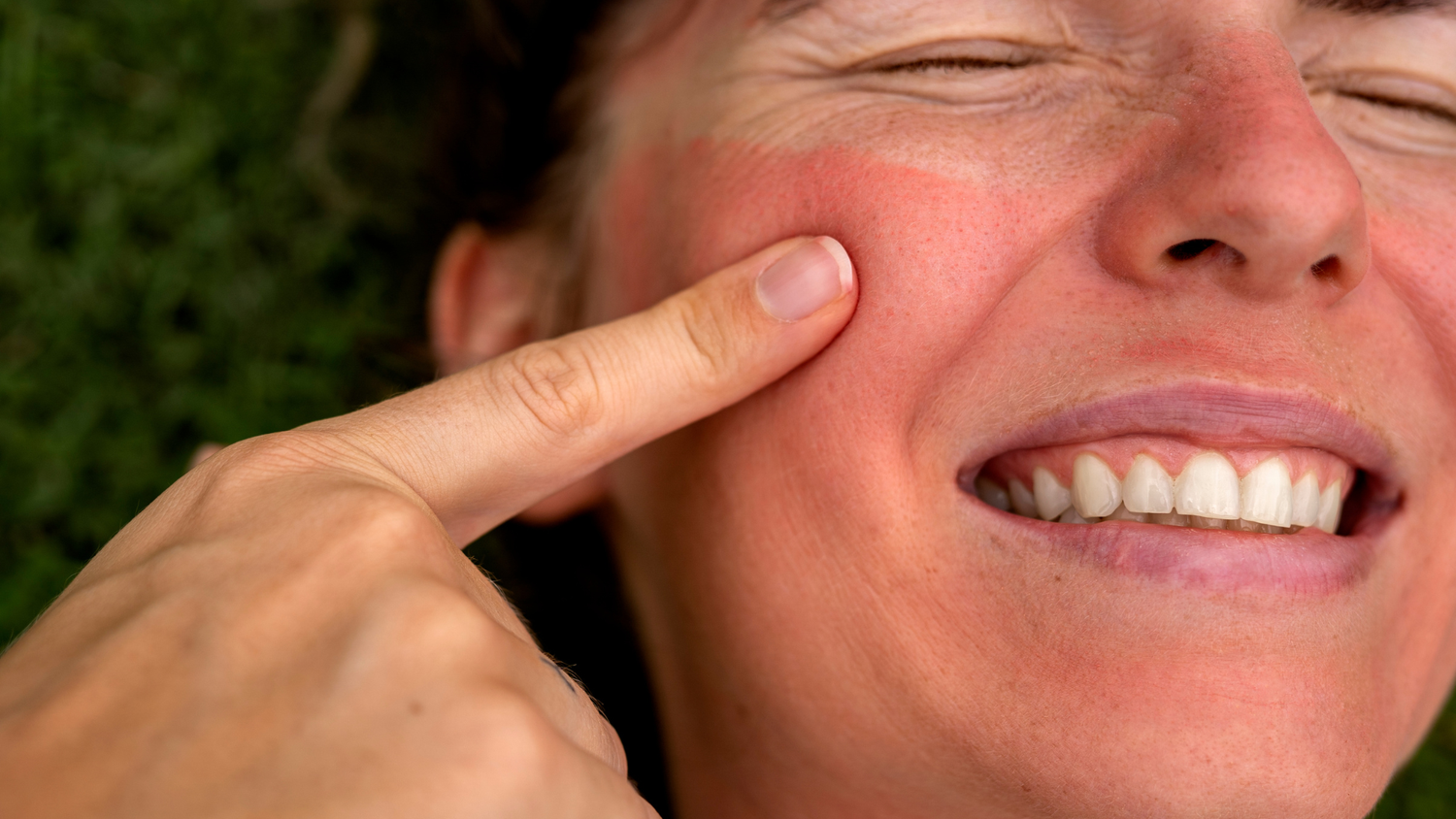
Sunburn treatment for face starts with getting out of the sun, cooling the skin gently, keeping it moisturised and avoiding irritating skincare. Do not pick peeling skin or apply ice directly. Protect the area from further UV exposure, and seek medical care if the burn is severe, blistered or accompanied by systemic symptoms.
The best sunburn treatment for face begins with cooling, hydration, gentle moisturisation and strict sun protection. Avoid exfoliants, harsh actives and picking at peeling skin while the barrier recovers. With the right routine, discomfort can gradually settle. If you're wondering what to apply, what to avoid and when to seek help, here's where to start.
What Causes Sunburn on the Face?
Sunburn occurs when ultraviolet (UV) radiation damages skin cells. Your face is particularly exposed because it is rarely covered completely, even during everyday activities such as commuting, walking or sitting outdoors.
UVB radiation is a major cause of sunburn, while UVA contributes to longer-term skin damage and premature skin ageing. After excessive exposure, the body's inflammatory response can cause redness, warmth, tenderness, swelling and, in more significant burns, blisters.
The severity depends on factors such as exposure time, UV intensity, skin type, altitude, location and whether sunscreen or other protection was used.
Sunburn Treatment for Face: What to Do First
When your face feels hot, tight or sore after sun exposure, resist the temptation to attack the problem with multiple skincare products. Simplicity is usually more comfortable while irritated skin settles.
1. Get Out of the Sun
Move indoors or into shade as soon as possible. Continuing to expose sunburned skin to UV radiation can increase irritation and prolong discomfort.
If you need to go outside, cover your face with a wide-brimmed hat and seek shade wherever possible.
2. Cool the Skin Gently
A cool, damp cloth can help make overheated skin feel more comfortable. You can also take a cool or lukewarm shower.
Avoid putting ice directly against your face. Extremely cold temperatures can further irritate already damaged skin.
3. Keep Your Skin Moisturised
Sunburn can leave skin feeling dry and tight. Once the skin has been gently cooled, apply a simple moisturiser if it feels comfortable.
Look for a formula designed to support hydration without unnecessary irritation. If a product stings or burns when applied, wash it off and stop using it.
4. Stay Hydrated
Extensive sun exposure can contribute to fluid loss. Drink enough water throughout the day, particularly if you've been outdoors in hot weather.
Hydration won't instantly reverse sun damage, but maintaining adequate fluid intake supports your body's normal recovery processes.
5. Leave Blisters Alone
If blisters develop, don't pop them. The intact skin provides a natural protective covering. Breaking a blister can increase the risk of infection.
For extensive blistering or significant pain, speak with a healthcare professional rather than relying solely on home skincare.
Best Ingredients for Soothing Sunburned Facial Skin
Choosing what to put on a sunburned face requires some restraint. A product can be perfectly suitable for your normal routine but feel uncomfortable when your skin is irritated.
Aloe Vera
Aloe vera is widely used in soothing and hydrating skincare. A simple aloe-based formula may feel cooling and comfortable on irritated skin.
However, not every aloe product is identical. Added fragrance, alcohol or other ingredients can sometimes cause discomfort, so stop using a product if it stings.
Hyaluronic Acid
Hyaluronic acid is a humectant that helps attract and retain water in the skin. It can be useful in a gentle hydrating routine when your skin tolerates it.
The goal is hydration, not loading sunburned skin with multiple concentrated products.
Gentle Moisturisers
A straightforward moisturiser can help reduce the dry, tight feeling that often accompanies sunburn. Keep your routine simple and avoid introducing several unfamiliar products at once. If your skin normally leans oily, returning to a lightweight face cream for oily skin once recovered can help maintain comfort without feeling heavy.
What Should You Avoid During Sunburn Recovery?
Knowing what not to do is just as important as knowing what to apply.
Avoid:
- Direct ice application
- Scrubbing or facial brushes
- Picking or peeling loose skin
- Popping blisters
- Strong exfoliating acids
- Retinoids while the skin is highly irritated
- Products that sting or burn
- Prolonged sun exposure
- Aggressive facials or waxing on affected skin
Your usual skincare routine may need to be temporarily simplified. Once the skin has recovered and feels comfortable again, you can gradually return to your regular products.
Can Aloe Vera Be Used for Sunburn on the Face?
Yes, aloe vera is commonly used in soothing skincare and may provide a cooling, hydrating feel. However, aloe vera should not be considered a medical cure for sunburn.
If you're looking for sunburn treatment for face, choose a gentle aloe-based product and stop using it if it causes burning, itching or increased redness.
For normal skincare after the skin has settled, Kumkumadi & Donkey Milk Illuminating Face Gel with Hyaluronic acid + Aloe vera can fit into a hydration-focused routine. It should not, however, be presented as a treatment for a severe burn.
How Long Does Facial Sunburn Take to Heal?
A mild sunburn often becomes less uncomfortable over several days, although peeling may occur during recovery. More severe burns can take considerably longer.
There is no reliable overnight solution for sunburn. The skin needs time to recover from UV-related injury.
During this period, focus on:
- Gentle cleansing
- Comfortable moisturisation
- Adequate hydration
- Avoiding unnecessary actives
- Staying out of direct sun
- Protecting your skin when outdoors
Trying to speed things up through aggressive exfoliation can have the opposite effect by increasing irritation.
Sunburn Treatment for Face: Can You Exfoliate Peeling Skin?
No. Don't scrub, pick, or deliberately peel sunburned skin.
Peeling is part of the skin's natural recovery process. Removing flakes manually can cause additional irritation and, particularly if the skin underneath is still vulnerable, increase the risk of complications.
Temporarily put strong exfoliating acids, scrubs and other potentially irritating treatments aside. Once your skin has completely recovered, you can gradually reintroduce your normal routine.
What Skincare Can You Use After a Sunburn?
The right choice depends on how your skin feels and how severe the burn is. During active irritation, prioritise basic hydration and comfort rather than chasing brighter, smoother or more even-looking skin.
Once your skin has recovered, you can return to a more complete routine.
For everyday moisturisation, Kumkumadi & Donkey Milk Brightening Face Cream with Hyaluronic acid + Rosehip oil can be considered as part of a regular skincare routine. It fits well among Wildflower Naturals' wider range of skin brightening cream options for everyday use.
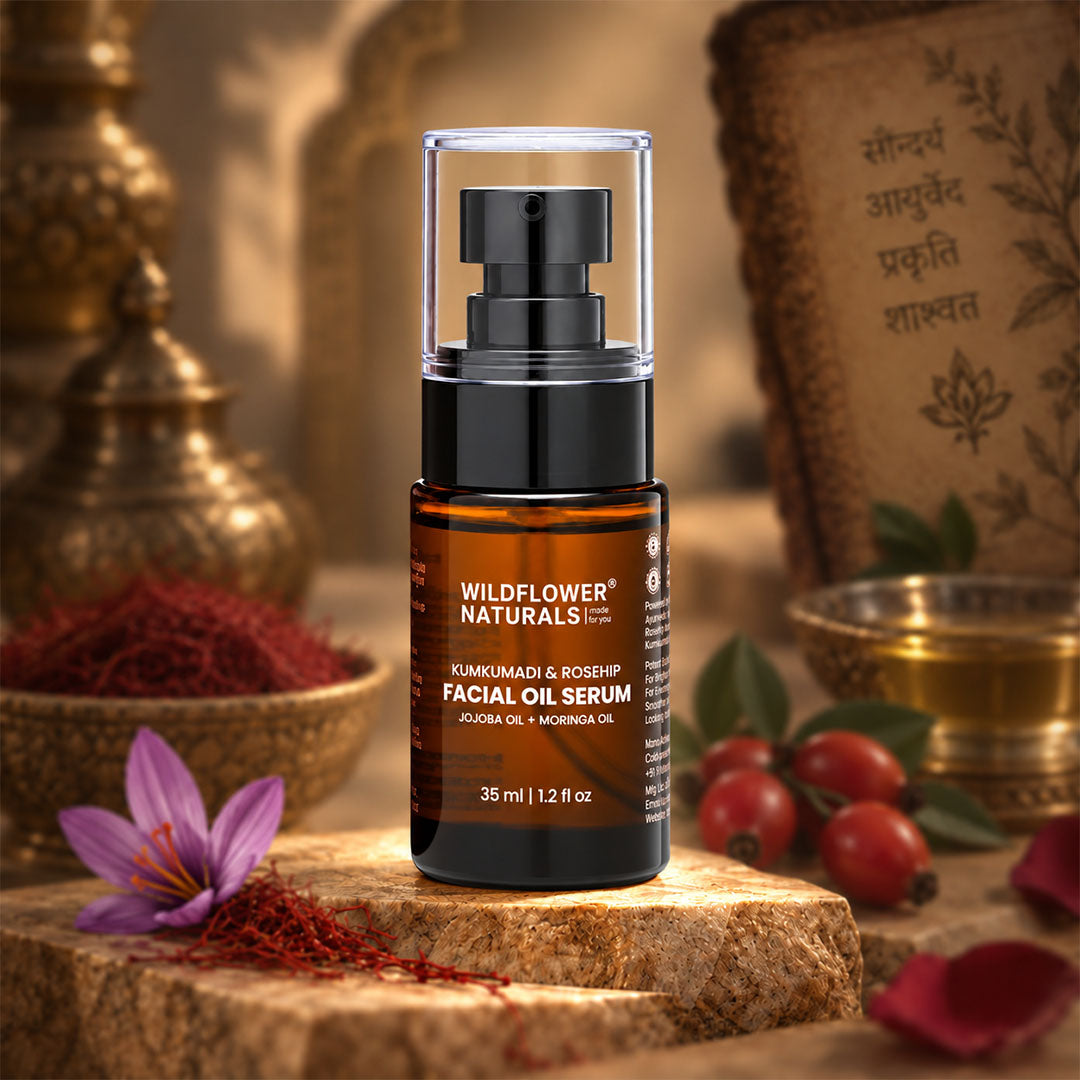
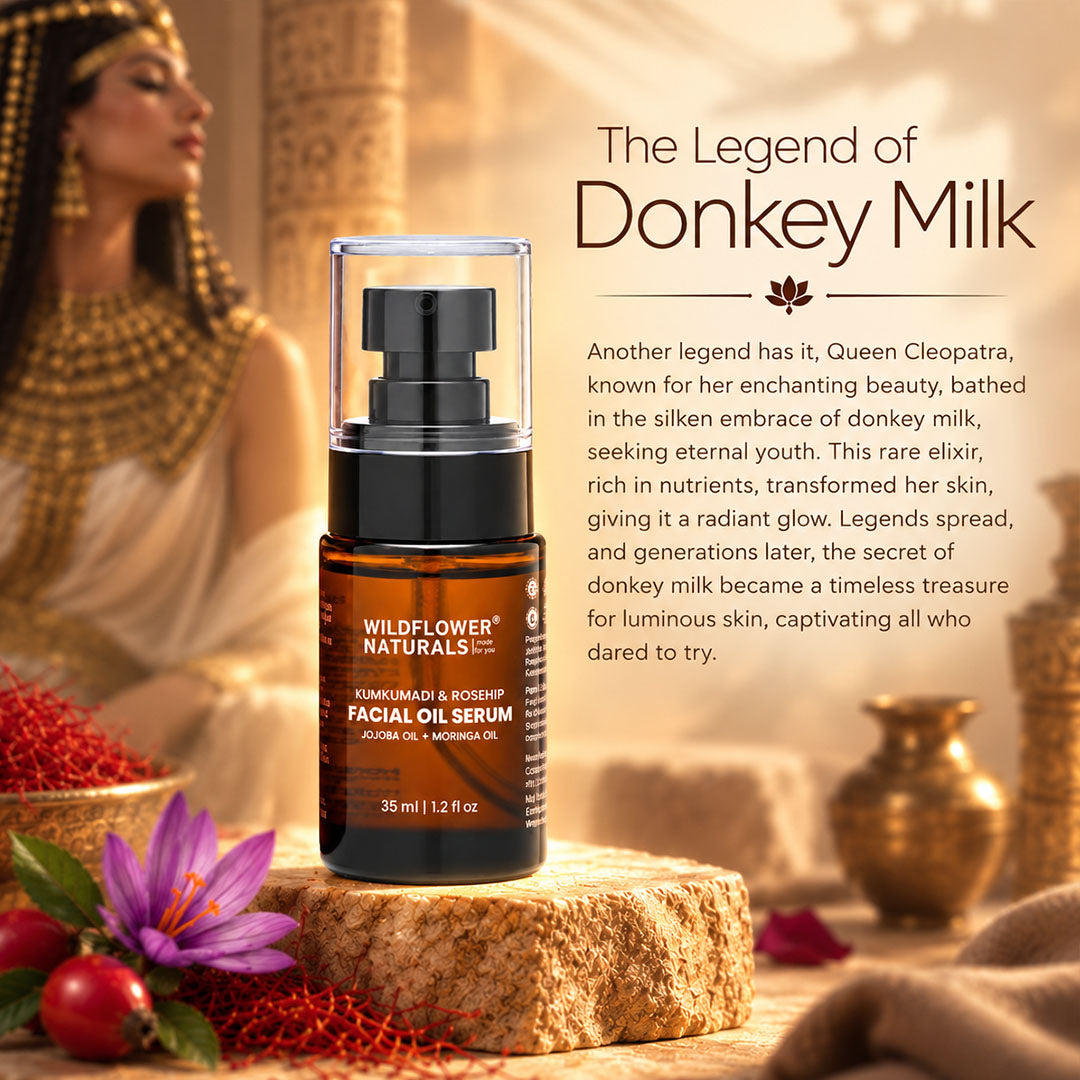
Similarly, Kumkumadi & Rosehip Facial Oil Serum with Jojoba oil + Moringa oil can be reserved for normal skincare rather than applied over severely irritated or actively blistered skin. Once your skin has fully recovered, pairing it with a nourishing skin glow cream can help restore a healthy-looking radiance.
The important distinction is simple: post-sun skincare is not the same as treating a significant burn.
When Should You See a Doctor for Facial Sunburn?
Not every sunburn needs medical attention, but certain symptoms shouldn't be ignored.
Seek professional advice if you experience:
- Severe or extensive blistering
- Severe swelling
- Significant or worsening pain
- Fever or chills
- Dizziness or faintness
- Nausea or vomiting
- Signs of dehydration
- Confusion or weakness
- Sunburn affecting the eyes or surrounding eye area
- A large area of severely burned skin
Children, older adults and people with certain medical conditions may also need earlier professional assessment.
When symptoms go beyond ordinary redness, tenderness and mild peeling, don't try to manage the problem with cosmetic products alone.
How to Prevent Another Facial Sunburn
The most effective approach to sunburn treatment for face is not needing treatment in the first place.
Make sun protection part of your everyday routine, not something reserved for holidays.
Use Broad-Spectrum Sunscreen
Choose a broad-spectrum sunscreen with an appropriate SPF and apply it generously to exposed skin. Reapply according to the product directions, particularly after sweating, swimming or prolonged outdoor activity. If you're unsure what strength suits you, this guide on which spf sunscreen is best can help you choose confidently.
For everyday sun protection, Kumkumadi & Donkey Milk SPF 50 Dew Drops Invisible Sunscreen with Hyaluronic acid + UVA + UVB + PA+++ Protection + Water Resistant can be incorporated into your regular skincare routine. If you're weighing up formula types, this comparison of mineral vs chemical sunscreen explains how UV filters differ.
Don't Forget Physical Protection
Sunscreen works best alongside other protective habits, and using it correctly matters just as much as wearing it. This guide on how to apply sunscreen covers the details step by step.
Wear:
- A wide-brimmed hat
- UV-protective sunglasses
- Protective clothing where practical
- Shade during intense sunlight
Also remember that you can receive UV exposure during ordinary daily activities, not just while spending a day at the beach.
Sunburn Treatment for Face: A Simple Recovery Routine
If your skin is mildly sunburned and doesn't require medical attention, keep your routine uncomplicated.
Morning
- Gently cleanse or rinse your face.
- Apply a comfortable moisturiser if tolerated.
- Use broad-spectrum sunscreen.
- Wear a hat and avoid direct sunlight where possible.
Evening
- Cleanse gently without scrubbing.
- Apply a simple hydrating product if comfortable.
- Moisturise.
- Avoid exfoliating acids and retinoids until irritation has settled.
If anything burns or stings, simplify the routine further.
Remember that sunburn treatment for face is primarily about protecting compromised skin while it recovers. More products don't necessarily mean faster recovery.
Give Your Skin Gentle, Thoughtful Care
Once your skin has recovered from sun exposure, returning to a simple, consistent skincare routine can help you care for it without unnecessary complexity. From hydration-focused formulas to everyday sun protection, choose products according to what your skin actually needs.
Explore Wildflower Naturals and discover Kumkumadi & Donkey Milk Illuminating Face Gel with Hyaluronic acid + Aloe vera, Kumkumadi & Donkey Milk Brightening Face Cream with Hyaluronic acid + Rosehip oil, and Kumkumadi & Donkey Milk SPF 50 Dew Drops Invisible Sunscreen with Hyaluronic acid + UVA + UVB + PA+++ Protection + Water Resistant for your everyday skincare routine.
Care for your skin gently today, protect it tomorrow, and let your routine work with your skin, not against it.
Frequently Asked Questions
Q1. How can I treat sunburn on my face quickly?
Cool the skin gently, moisturise if comfortable, drink enough water and avoid further sun exposure. Don't scrub, peel or use irritating active ingredients. Severe burns may require medical care.
Q2. Can I use aloe vera on a sunburned face?
Yes, a gentle aloe-based product may feel soothing and hydrating. Avoid formulas that irritate your skin, and stop using one if it causes stinging, burning or increased redness.
Q3. Is moisturiser good for facial sunburn?
Yes. A gentle moisturiser can help relieve dryness and tightness. Choose a simple formula and avoid products that sting. Don't apply heavy or irritating products over blistered or severely damaged skin without professional advice.
Q4. Will sunburn peeling go away on its own?
Usually, yes. Peeling commonly occurs as sunburned skin recovers. Don't pull or scrub the peeling skin. Allow it to shed naturally and keep the surrounding skin comfortably moisturised.
Q5. What should I avoid putting on a sunburned face?
Avoid direct ice, scrubs, strong exfoliating acids, retinoids, irritating fragrances and products that sting. Don't pop blisters or deliberately peel damaged skin.
Q6. Why does my face burn after applying skincare?
Sunburn can temporarily make the skin more sensitive. Ingredients that normally feel comfortable may sting when the skin barrier is irritated. Stop using any product that causes burning and simplify your routine until the skin settles.
Q7. How long will a facial sunburn last?
A mild burn often improves over several days, although peeling can continue during recovery. More severe burns may take longer. Persistent, worsening or severe symptoms should be assessed by a healthcare professional.
Q8. Can I wear sunscreen on sunburned skin?
Sun protection is important because further UV exposure can worsen damage. If sunscreen causes discomfort on actively irritated skin, prioritise shade, protective clothing and a hat, and seek professional advice for significant burns.



Leave a comment
This site is protected by hCaptcha and the hCaptcha Privacy Policy and Terms of Service apply.