

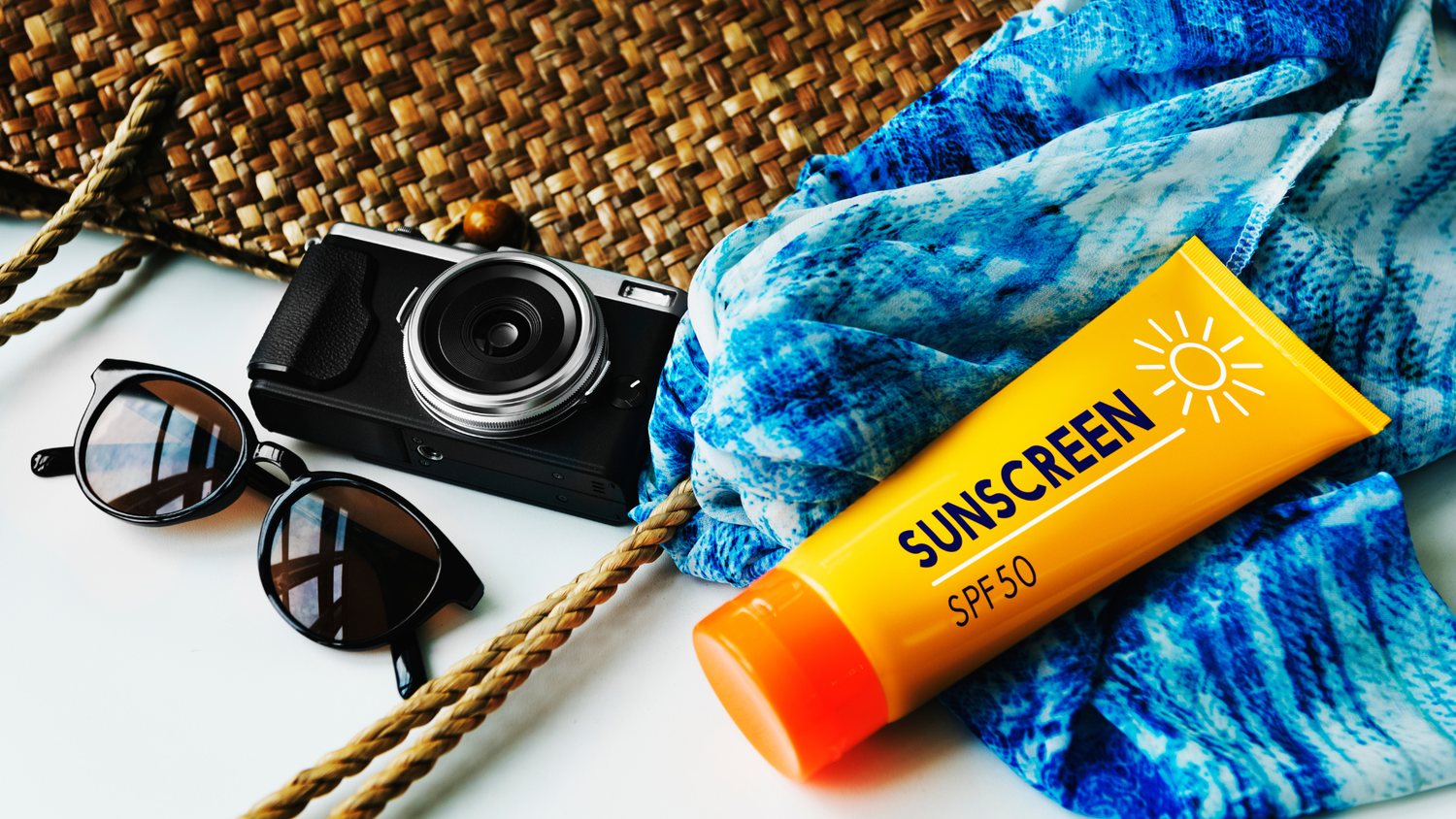
SPF 30 and SPF 50 both provide strong UVB protection, but SPF 50 offers a slightly higher level of protection under standardized testing. SPF 30 blocks about 97% of UVB rays, while SPF 50 blocks about 98%. Your choice should also consider broad-spectrum protection, application, reapplication and daily sun exposure.
Choosing between SPF 30 vs SPF 50 can feel confusing when the numbers suggest a much bigger difference than there really is. SPF 50 provides a higher protection margin, but SPF 30 can also be effective when applied correctly. At Wildflower Naturals, we believe the better choice is the one you can use generously and consistently. So, what actually matters?
SPF 30 vs SPF 50 at a Glance
|
Factor |
SPF 30 |
SPF 50 |
|
Approx. UVB protection |
97% |
98% |
|
Protection level |
High |
Very high |
|
Everyday use |
Suitable |
Suitable |
|
Intense outdoor exposure |
May be suitable with proper use |
Often a practical choice |
|
Reapplication |
Required |
Required |
|
UVA protection |
Depends on the formula |
Depends on the formula |
|
Prevents all tanning |
No |
No |
The first thing to understand is that SPF numbers do not represent the percentage of UV radiation blocked. SPF 50 does not provide 50% protection, nor does it offer twice the protection of SPF 30.
The difference is smaller than the numbers make it appear, but that does not mean it is meaningless. For people spending more time outdoors or facing stronger UV exposure, the additional protection provided by SPF 50 can be useful.
What Does SPF Actually Mean?
SPF stands for Sun Protection Factor. It primarily indicates how well a sunscreen protects the skin against UVB radiation, which is strongly associated with sunburn and contributes to skin damage.
A higher SPF generally means greater protection against UVB when the sunscreen is tested and applied according to the required standards.
However, SPF is only one part of effective sun protection. A sunscreen labelled SPF 30 or SPF 50 should not be judged by that number alone.
Look for a product that also offers broad-spectrum protection, because your skin is exposed to both UVA and UVB radiation.
UVA vs UVB: What Is the Difference?
UVA rays penetrate deeper into the skin and are associated with photoaging, including visible changes such as fine lines, wrinkles and pigmentation.
UVB rays are more closely associated with sunburn and play an important role in UV-related skin damage.
This is why a good sunscreen routine is about more than choosing the highest SPF on the shelf.
SPF 30 vs SPF 50: What Is the Actual Difference?
Under standardized testing, SPF 30 filters approximately 97% of UVB radiation, while SPF 50 filters approximately 98%.
That one-percentage-point difference can sound insignificant, but the amount of UVB reaching the skin is proportionally lower with SPF 50.
Still, there is an important catch: laboratory testing does not perfectly reproduce everyday sunscreen use.
Most people do not apply sunscreen as generously as they should. Some forget areas such as the ears, neck or hairline. Others fail to reapply after sweating, swimming or spending several hours outside.
That means the protection you actually receive depends heavily on how much sunscreen you use and how consistently you reapply it.
Is SPF 50 Really Better Than SPF 30?
In terms of UVB protection, SPF 50 provides a higher level of protection than SPF 30. But “higher” does not automatically mean “necessary for everyone.”
If you spend only a short time outdoors during your daily routine, SPF 30 may provide substantial protection when used correctly. If you spend extended periods outside, are exposed to intense sunlight or simply prefer a higher protection margin, SPF 50 can be a sensible choice.
There is also another factor people often overlook: comfort.
A sunscreen that feels heavy, sticky or uncomfortable may encourage you to apply less or skip it altogether. A comfortable sunscreen that you enjoy using every morning is far more useful in real life.
When Is SPF 30 Enough?
SPF 30 can be a reasonable option for everyday sun protection, particularly when your exposure is limited and you apply enough product.
For example, it may work well for:
- Short daily commutes
- Brief outdoor errands
- Everyday city exposure
- Mostly indoor routines with occasional outdoor exposure
- People who consistently apply and reapply sunscreen
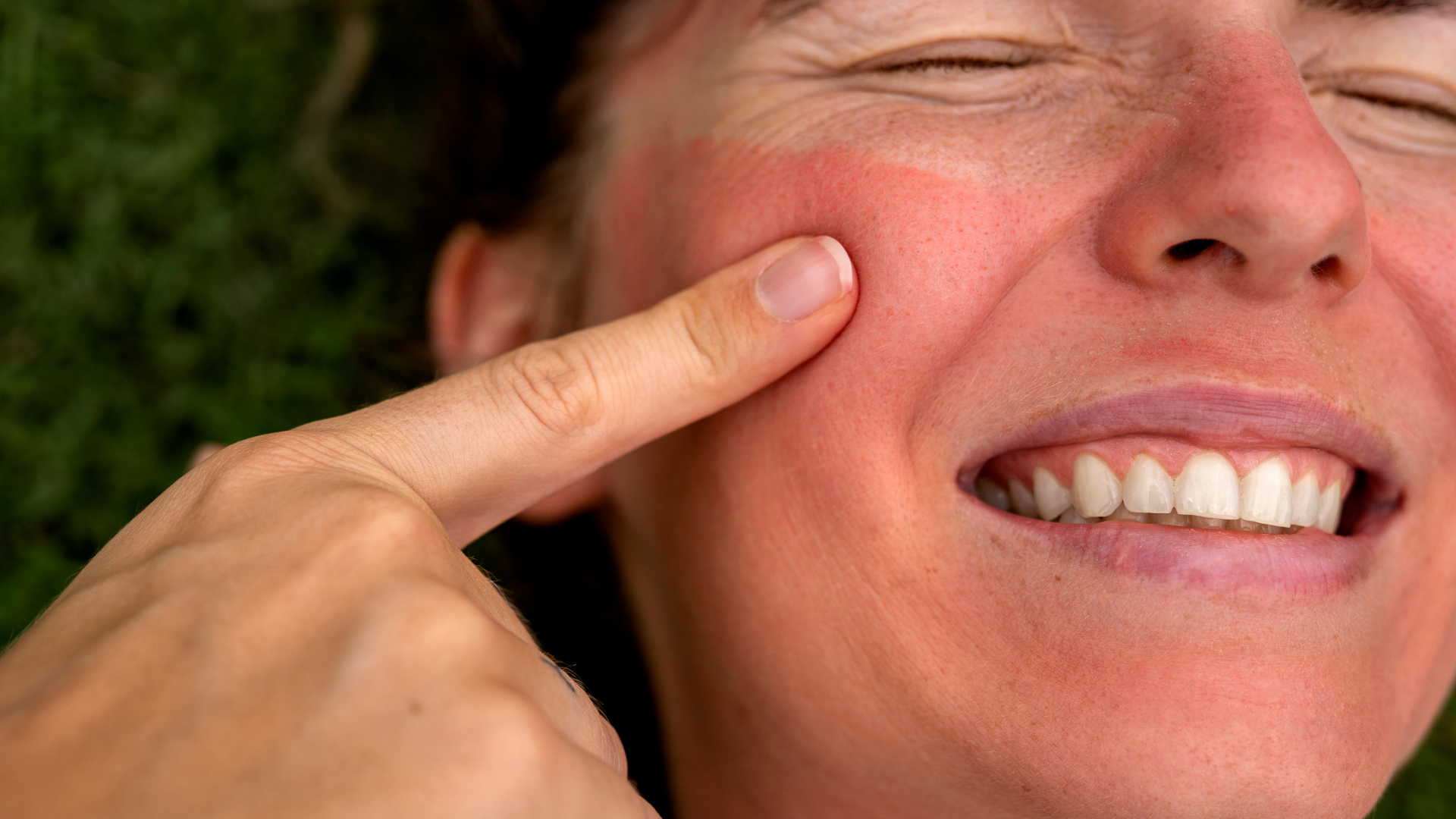
That does not mean SPF 30 is suitable for every situation. UV intensity, duration of exposure, location, season and individual circumstances all matter. And if sun exposure does leave your skin irritated, knowing the right sunburn treatment for face can help you recover comfortably.
The key is not to treat SPF 30 as a magic number. Think of it as one part of your overall sun-protection routine.
When Should You Choose SPF 50?
SPF 50 can be especially useful when your skin is likely to receive more prolonged or intense UV exposure.
Consider choosing SPF 50 for situations such as:
- Long periods outdoors
- Beach or pool days
- Hiking and outdoor sports
- Outdoor work
- Travel to sunny destinations
- Extended daytime commuting
- Strong sunlight
- Situations where you want a higher protection margin
For everyday use, SPF 50 can also be a straightforward choice if you prefer not to overthink which level of protection you need each morning.
But remember: SPF 50 does not mean you can stay outside indefinitely without reapplying.
SPF 30 vs SPF 50 for Different Skin Types
Your skin type does not necessarily determine whether you need SPF 30 or SPF 50. Instead, focus on finding a sunscreen that offers suitable protection and a texture you will actually use consistently.
Oily Skin
If your skin becomes shiny easily, look for lightweight, non-greasy textures that sit comfortably without making your face feel heavy. Pairing your sunscreen with a suitable face cream for oily skin can help keep your routine feeling light throughout the day.
A sunscreen that layers well under makeup can also make daily application easier.
Dry Skin
Dry skin may feel more comfortable with a sunscreen that provides some hydration alongside UV protection. Ingredients such as hyaluronic acid and nourishing emollients can make a sunscreen feel more moisturising. Layering it with a suitable face cream for dry skin can further support comfort underneath.
Sensitive Skin
If your skin is sensitive, pay attention to the overall formulation rather than simply choosing the highest SPF. A gentle, comfortable formula that you can use consistently is important.
If you have a known sensitivity to a particular ingredient, always check the ingredient list carefully.
Combination Skin
A lightweight formula can work well for combination skin, particularly when the T-zone tends to become oily while other areas feel drier.
Pigmentation-Prone Skin
Consistent broad-spectrum sun protection is especially important when you are trying to manage the appearance of uneven skin tone or pigmentation. Sunscreen should be a daily habit rather than something reserved for holidays or particularly sunny days.
Why Broad-Spectrum Protection Matters
One of the biggest mistakes when comparing SPF 30 vs SPF 50 is focusing entirely on the SPF number.
SPF primarily tells you about UVB protection. It does not, by itself, tell you the complete story about UVA protection.
That is why checking for broad-spectrum protection matters, and understanding the difference between mineral vs chemical sunscreen filters can help you choose a formula suited to your needs.
A well-rounded sunscreen routine should also include sensible sun-protection habits, such as seeking shade when UV levels are high, wearing protective clothing and using sunglasses or a hat when appropriate.
Sunscreen works best as part of a broader approach to sun protection—not as permission to spend unlimited time in direct sunlight.
How Much Sunscreen Should You Apply?
Even the best sunscreen cannot provide its labelled protection if you apply too little. For a full step-by-step routine, this guide on how to apply sunscreen covers the details.
For the face, neck and other exposed areas, use a generous amount rather than spreading an extremely thin layer.
A commonly used practical guideline for the face is the two-finger method: dispense sunscreen along the length of two fingers and apply it evenly to the face and neck, adjusting for the areas you need to cover.
Do not forget commonly missed areas, including:
- Ears
- Neck
- Hairline
- Jawline
- Tops of exposed hands
Applying sunscreen generously is one of the simplest ways to get closer to the protection indicated on the label.
How Often Should You Reapply Sunscreen?
Reapplication matters regardless of whether you use SPF 30 or SPF 50.
If you are spending extended time outdoors, reapply regularly and especially after:
- Swimming
- Heavy sweating
- Towelling your skin
- Prolonged outdoor activity
Water resistance can help a sunscreen remain effective for a period during water exposure, but it does not make the product permanent.
If you are outside for several hours, don't apply sunscreen once in the morning and assume the job is finished.
Common Myths About SPF 30 vs SPF 50
Myth: SPF 50 Gives Twice the Protection of SPF 30
Fact: No. SPF 50 provides a higher level of UVB protection, but not twice the protection.
Myth: SPF 50 Means You Can Stay in the Sun Twice as Long
Fact: SPF is not a timer. Reapplication and other sun-protection measures are still necessary.
Myth: SPF 30 Is Too Low for Everyday Use
Fact: SPF 30 can provide substantial UVB protection when applied correctly. SPF 50 simply offers a higher level of protection.
Myth: SPF 50 Completely Prevents Tanning
Fact: No sunscreen blocks all UV radiation. SPF 50 reduces UV exposure but does not guarantee that tanning will never occur.
SPF 30 vs SPF 50: Which One Should You Choose?
The answer depends on your routine.
If you have limited everyday exposure and use sunscreen correctly, SPF 30 can be a practical option. If you spend more time outdoors, experience stronger UV exposure or simply prefer a higher protection margin, SPF 50 may be the more convenient choice. If you're still deciding, this guide on which spf sunscreen is best breaks down the options further.
For many people, however, the most important question is not “30 or 50?”
It is:
Will I apply enough sunscreen every day and reapply it when necessary?
A comfortable broad-spectrum SPF 30 that you use correctly is more useful than an SPF 50 that you apply sparingly or avoid because you dislike its texture.
Why Choose Wildflower Naturals for Daily Sun Protection?
At Wildflower Naturals, sun care fits naturally into a skincare ritual rather than feeling like an extra step you have to force into your morning.
The Kumkumadi & Donkey Milk SPF 50 Dew Drops Invisible Sunscreen with Hyaluronic Acid combines SPF 50 protection with UVA and UVB protection, PA+++ protection, and a water-resistant formula. Its lightweight, invisible finish is designed to sit comfortably on the skin without a noticeable white cast.
The formula also includes Hyaluronic Acid, Kumkumadi, Donkey Milk and Aloe Vera Extract, bringing hydration and nourishment into the same daily step. Paired with a nourishing skin glow cream, it can round out a radiance-focused routine.
If you are looking for an SPF 50 that feels more like part of your skincare routine than a separate layer, it is worth exploring.
Make SPF a Daily Habit with Wildflower Naturals
Choosing between SPF 30 and SPF 50 does not have to be complicated. Start with broad-spectrum protection, choose a texture you genuinely enjoy wearing, apply enough, and make reapplication part of your routine.
If SPF 50 suits your lifestyle and you want sun protection combined with a skincare-focused, lightweight feel, explore Wildflower Naturals' Kumkumadi & Donkey Milk SPF 50 Dew Drops Invisible Sunscreen with Hyaluronic Acid. Make sun protection a daily ritual, not an afterthought, and give your skin the consistent care it deserves.
Frequently Asked Questions
Q1. How much more protection does SPF 50 provide than SPF 30?
SPF 30 filters about 97% of UVB radiation, while SPF 50 filters about 98% under standardized testing.
Q2. Can SPF 30 be used every day?
Yes. SPF 30 can be suitable for daily use when applied generously and reapplied appropriately.
Q3. Is SPF 50 better for sensitive skin?
Not necessarily. SPF level and skin sensitivity are separate considerations. Choose a suitable, comfortable formulation that your skin tolerates well.
Q4. Will SPF 50 prevent tanning?
No. SPF 50 significantly reduces UVB exposure but does not block all UV radiation, so it cannot guarantee that tanning will not occur.
Q5. What is more important: SPF 30 or SPF 50?
Both provide substantial UVB protection. Correct application, adequate quantity, reapplication and broad-spectrum protection are also essential.
Q6. Why does sunscreen need to be reapplied?
Sunscreen can wear away through sweating, swimming, towelling and everyday activity. Reapplication helps maintain protection during continued exposure.
Q7. How much sunscreen should I apply to my face?
Use a generous amount. The two-finger method is a practical guideline for covering the face and neck, although the amount needed varies with the areas being protected.
Q8. Can I use SPF 50 every day?
Yes. SPF 50 can be used as part of a daily skincare routine, provided the formula suits your skin and you apply it correctly.




Leave a comment
This site is protected by hCaptcha and the hCaptcha Privacy Policy and Terms of Service apply.