

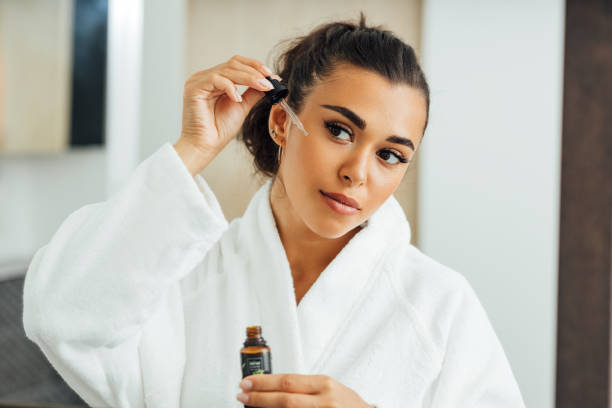
The best serum for pigmentation usually contains ingredients like Niacinamide, Alpha Arbutin, Vitamin C, and botanical oils that help reduce dark spots and uneven skin tone. Consistent use, daily sunscreen, and choosing a serum suited to your skin type are key to achieving brighter, healthier-looking skin over time.
If you’re wondering which serum is best for pigmentation, the answer depends on your skin type, the cause of your dark spots, and the ingredients inside the formula. Serums with Niacinamide, Alpha Arbutin, Vitamin C, and nourishing botanical extracts are often considered highly effective for improving uneven skin tone and post-acne marks.
At Wildflower Naturals, skincare is crafted with a balance of Ayurvedic botanicals and modern active ingredients to support naturally radiant, healthy-looking skin without overwhelming the skin barrier.
What Causes Pigmentation and Dark Spots?
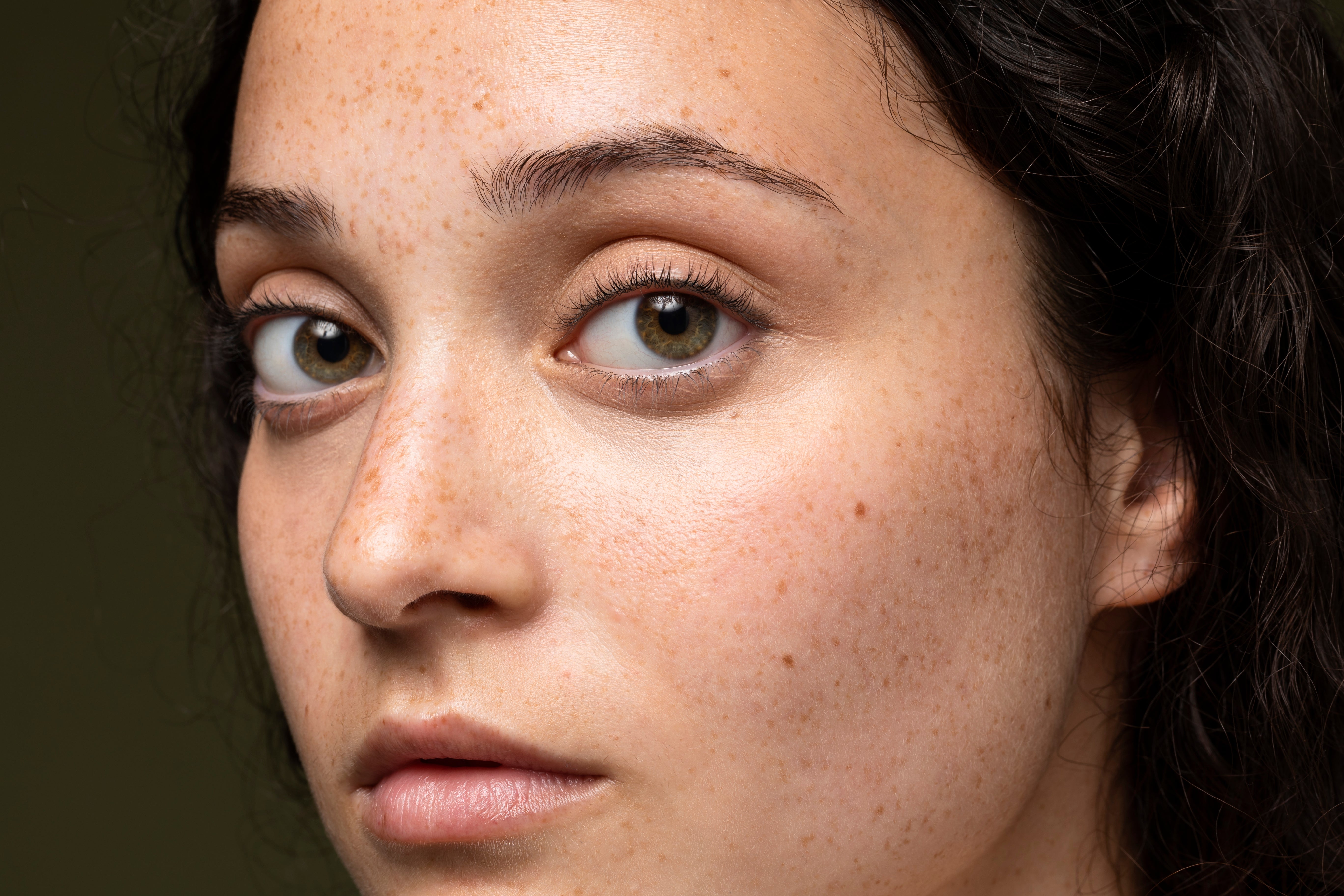
Pigmentation occurs when excess melanin develops in certain areas of the skin, leading to patches, marks, or uneven tone. While pigmentation is common, understanding its root cause helps in choosing the right skincare routine.
Sun Exposure and UV Damage
One of the biggest causes of pigmentation is prolonged exposure to UV rays. Sun damage stimulates melanin production, often resulting in tanning, freckles, or stubborn dark spots.
Without sunscreen, even the best serum may struggle to deliver long-lasting results.
Acne Marks and Post-Inflammatory Hyperpigmentation
After acne heals, it can leave behind lingering spots or discoloration. This is known as post-inflammatory hyperpigmentation and is especially common in acne-prone skin.
Hormonal Changes and Lifestyle Factors
Hormonal fluctuations, stress, pollution, poor sleep, and inconsistent skincare habits can all contribute to pigmentation and dullness. Learning how to brighten face naturally through everyday lifestyle habits can complement your serum routine and help address these underlying triggers more holistically.
Skin Barrier Damage
Over-exfoliating or using harsh products can weaken the skin barrier, causing irritation and uneven skin tone over time.
Why Serums Work Best for Pigmentation
When people search for which serum is best for pigmentation, they’re usually looking for something lightweight, effective, and fast-absorbing. That’s exactly why serums are preferred over heavier creams.
Lightweight Yet Highly Concentrated
Serums are formulated with concentrated active ingredients designed to penetrate deeper into the skin. This helps target pigmentation more effectively than surface-level moisturizers.
Targeted Ingredients for Dark Spots
Ingredients like:
- Niacinamide
- Alpha Arbutin
- Vitamin C
- Rosehip Oil
- Kumkumadi Oil
They are widely known for improving skin clarity and supporting a brighter complexion.
Faster Visible Results
With consistent use, many people notice visible improvement within 4–8 weeks. However, healthy skincare is about gradual, sustainable progress rather than overnight changes. Pairing your serum with a dedicated skin brightening cream as part of your moisturising step can help reinforce the brightening benefits throughout the day.
Which Ingredients Should You Look for in a Pigmentation Serum?
If you’re trying to decide which serum is best for pigmentation, understanding ingredients is essential.
Niacinamide for Brightening and Barrier Repair
Niacinamide is one of the most trusted ingredients for reducing uneven skin tone. It also helps calm redness, control excess oil, and strengthen the skin barrier.
Alpha Arbutin for Dark Spot Reduction
Alpha Arbutin works gently to reduce the appearance of dark spots and discoloration without making the skin feel irritated or dry.
Vitamin C for Radiance
Vitamin C is a powerful antioxidant that helps brighten dull skin while protecting against environmental stressors.
Kumkumadi Oil for Ayurvedic Glow
Traditionally used in Ayurvedic skincare, Kumkumadi oil is valued for enhancing skin radiance and supporting smoother-looking texture.
Rosehip Oil for Skin Renewal
Rosehip oil contains essential fatty acids and vitamins that help nourish the skin and support natural repair.
Wildflower Naturals combines several of these ingredients into thoughtfully formulated serums designed to support healthy, glowing skin naturally. Those looking for a comprehensive approach can also browse the full range of face care products to find complementary items that support their serum routine from cleansing through to protection.
Which Serum is Best for Pigmentation Based on Your Skin Type?
Different skin types respond differently to skincare ingredients. Choosing the right formulation matters just as much as choosing the right ingredient.
For Oily and Acne-Prone Skin
Look for lightweight formulations with:
- Niacinamide
- Alpha Arbutin
- Aloe Vera
These ingredients help reduce oiliness while targeting post-acne marks.
For Dry and Dull Skin
Nourishing facial oils and hydrating serums with Kumkumadi oil and Rosehip oil can help restore softness and glow.

For Sensitive Skin
Choose fragrance-free or gentle botanical formulas that focus on hydration and barrier support.
For Combination Skin
Balanced serums with hydration plus brightening actives work best for combination skin.
When asking which serum is best for pigmentation, skin compatibility is often more important than trends or viral products. Men with combination or oily skin types often benefit from exploring dedicated men's face care products that address pigmentation and excess oil without disrupting the skin barrier.
Recommended Wildflower Naturals Serums for Pigmentation
Kumkumadi & Donkey Milk Face Serum with 10% Niacinamide + 2% Alpha Arbutin
This serum is designed to help improve uneven skin tone while keeping the skin hydrated and balanced.

Key Benefits
- Helps reduce visible pigmentation
- Supports brighter-looking skin
- Lightweight and beginner-friendly
- Suitable for daily use
The combination of Niacinamide and Alpha Arbutin makes it especially helpful for post-acne marks and dullness.
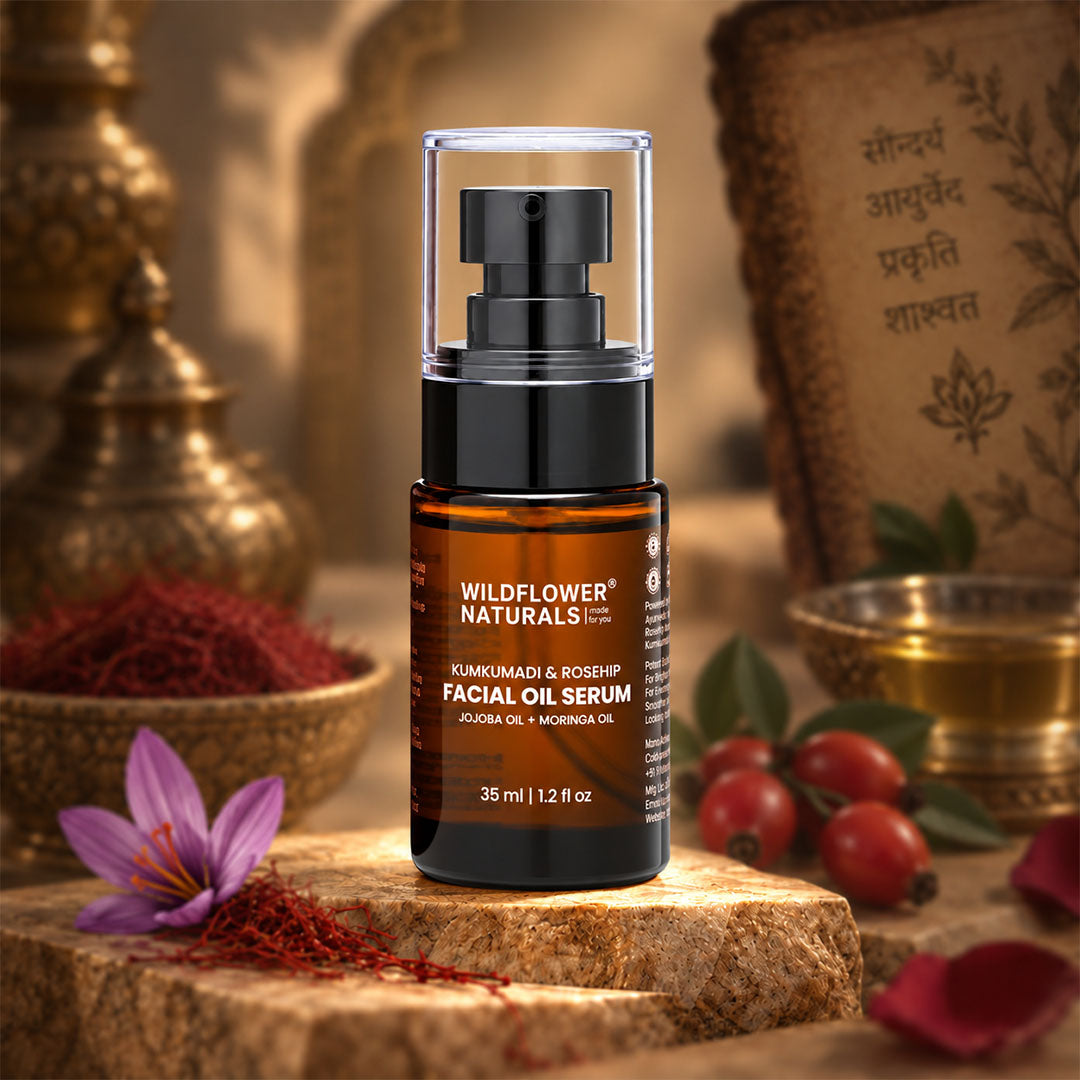
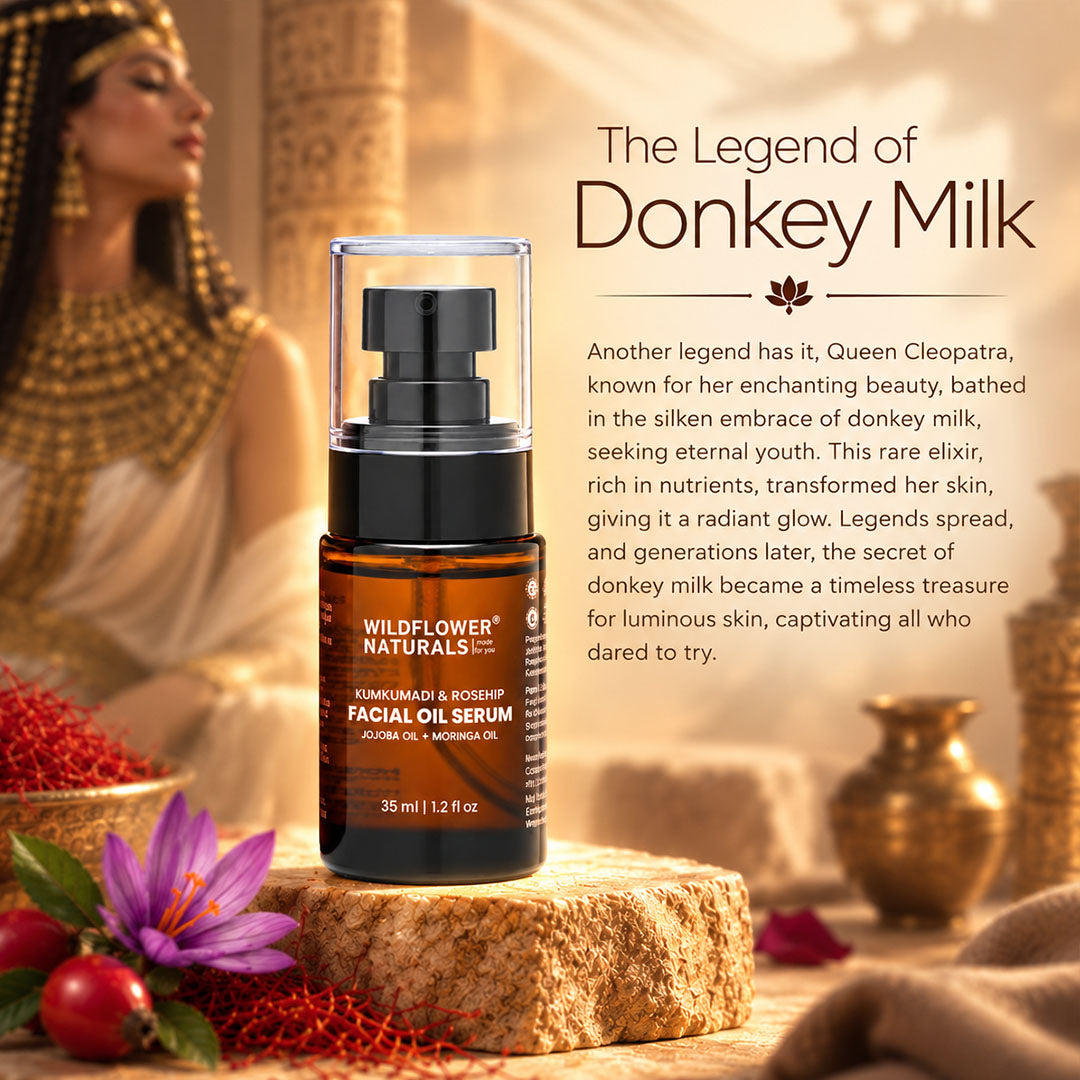
Kumkumadi & Rosehip Facial Oil Serum
For dry or tired-looking skin, this facial oil serum offers deep nourishment along with radiance-enhancing benefits.
Why It Stands Out
- Supports skin renewal
- Adds healthy glow
- Helps improve dull texture
- Rich in botanical nourishment
For people researching which serum is best for pigmentation, botanical formulas with active ingredients can offer a balanced approach to skincare. Adding a skin glow cream alongside your serum can further support overall radiance and help maintain a visibly even complexion between treatments.
How to Use a Pigmentation Serum Correctly
Even the most effective serum needs to be used properly to deliver visible results.
Step 1: Cleanse Gently
Start with a mild cleanser that doesn’t strip the skin barrier.
Step 2: Apply on Slightly Damp Skin
This helps improve absorption and hydration.
Step 3: Use Only 2–3 Drops
Using too much product won’t speed up results.
Step 4: Follow with Moisturizer
Seal in hydration and support the skin barrier.
Step 5: Wear Sunscreen Daily
Skipping SPF can worsen pigmentation and reverse progress.
Common Mistakes That Make Pigmentation Worse
- Skipping Sunscreen: This is one of the biggest reasons pigmentation returns or becomes darker.
- Over-Exfoliating: Too many acids or scrubs can irritate the skin and trigger inflammation.
- Picking Acne: Touching or squeezing pimples often leads to long-lasting marks.
- Mixing Too Many Active Ingredients: Layering multiple strong actives together may damage the skin barrier.
- Expecting Instant Results: Pigmentation takes time to fade. Consistency matters far more than speed.
If you want to understand which topical creams work best alongside serums for more stubborn marks, reading about how to remove pigmentation from face permanently cream can help you identify the most effective ingredient combinations to discuss with your dermatologist or incorporate into your routine.
How Long Does It Take for Pigmentation Serums to Work?
Most people begin noticing gradual improvement within 4–8 weeks of consistent use. Deeper pigmentation may take longer depending on skin type, lifestyle, and sun exposure.
When deciding which serum is best for pigmentation, patience is just as important as product selection. Healthy skin transformation happens steadily over time.
Final Thoughts: Which Serum is Best for Pigmentation?
If you’re still wondering which serum is best for pigmentation, the ideal choice combines effective brightening ingredients with gentle, skin-supportive care.
Ingredients like:
- Niacinamide
- Alpha Arbutin
- Vitamin C
- Kumkumadi Oil
- Rosehip Oil
It can help improve the appearance of dark spots, uneven tone, and dullness when used consistently.
Wildflower Naturals focuses on combining botanical nourishment with modern skincare science, making it easier to build a skincare routine that feels effective yet gentle on the skin. For additional guidance on building a complete brightening routine beyond just serums, how to brighten your face offers practical step-by-step tips that support visible improvement over time.
Ready to Brighten Your Skin Naturally?
If you’ve been searching for the best serum for pigmentation, it may be time to choose skincare that gently and consistently supports your skin.
Explore the botanical-powered skincare range from Wildflower Naturals and discover formulations crafted with Ayurvedic ingredients, modern actives, and skin-loving nourishment designed to help your skin look healthy, radiant, and naturally glowing.
Frequently Asked Questions
Q1. How do serums help reduce pigmentation?
Serums contain concentrated active ingredients that penetrate deeper into the skin to target dark spots, uneven tone, and discoloration more effectively than heavier creams.
Q2. How long should I use a pigmentation serum before seeing results?
Most people notice visible improvement within 4–8 weeks of consistent use along with sunscreen protection.
Q3. Can Niacinamide reduce pigmentation?
Yes, Niacinamide is known for helping reduce uneven skin tone, post-acne marks, and redness while supporting the skin barrier.
Q4. Can I use a pigmentation serum every day?
Most gentle pigmentation serums can be used daily, but it’s important to follow the product instructions and avoid overusing strong actives.
Q5. Is Vitamin C good for dark spots?
Vitamin C is widely used for brightening dull skin and improving the appearance of pigmentation caused by sun exposure and environmental damage.
Q6. Is sunscreen necessary while using pigmentation serums?
Yes. Sunscreen is essential because UV exposure can worsen pigmentation and slow down skin recovery.
Q7. Will pigmentation come back after treatment?
Pigmentation can return if the skin is repeatedly exposed to sunlight, irritation, or acne without proper skincare protection.
Q8. What is the best ingredient for pigmentation and why?
Ingredients like Alpha Arbutin, Niacinamide, and Vitamin C are considered highly effective because they help regulate melanin production and improve skin clarity over time.




Leave a comment
This site is protected by hCaptcha and the hCaptcha Privacy Policy and Terms of Service apply.