

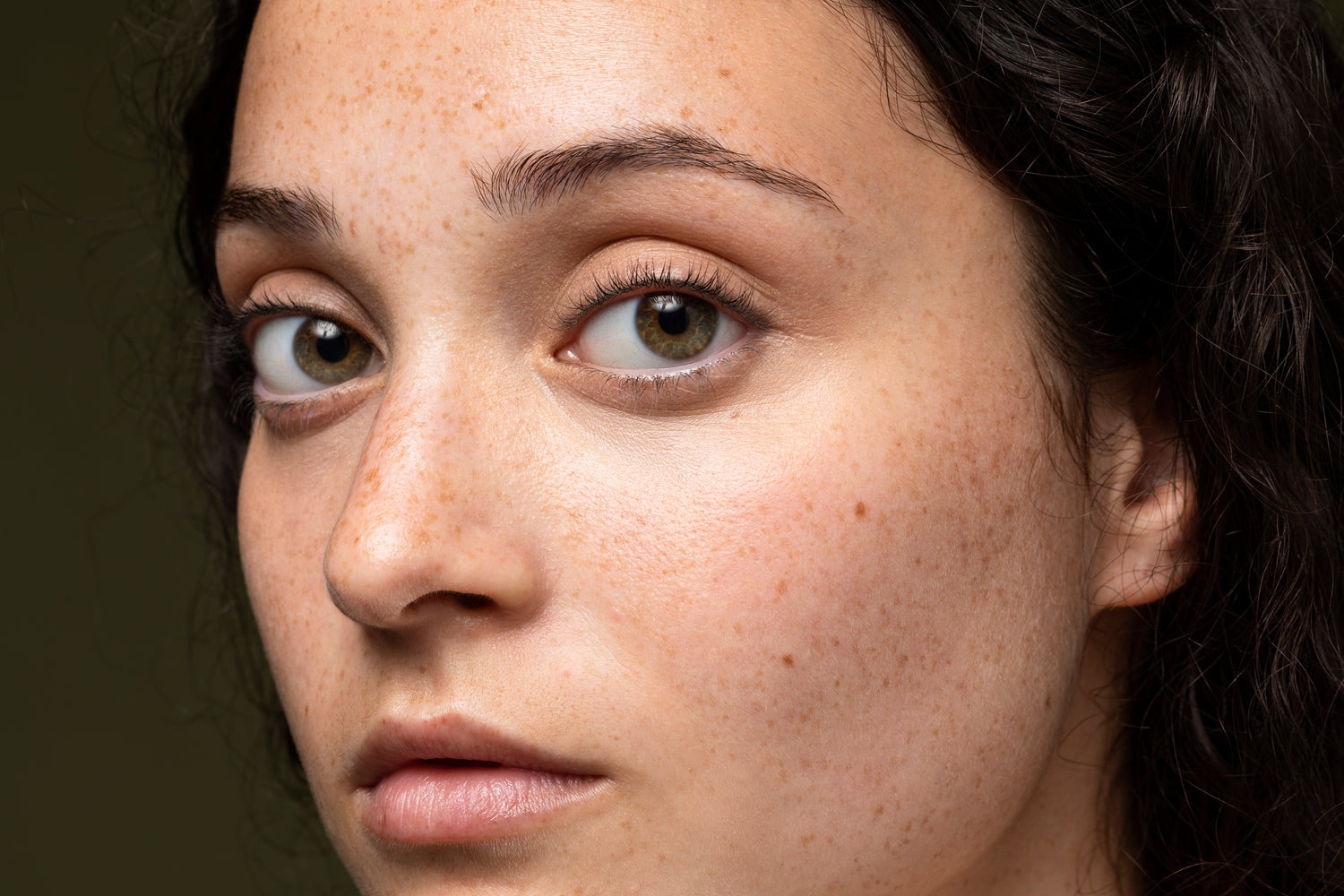
Pigmentation can be reduced with consistent sun protection, gentle exfoliation, hydration, and ingredients like Vitamin C, niacinamide, and alpha arbutin. Understanding the root cause—whether it’s sun exposure, acne, hormones, or inflammation—is essential for choosing the right treatment and preventing dark spots from returning.
If you’re wondering how to reduce pigmentation, the key lies in protecting your skin barrier, using targeted skincare ingredients, and staying consistent with your routine. Uneven skin tone, acne marks, and sunspots are common concerns, but with the right care, skin can gradually appear brighter and more balanced.
At Wildflower Naturals, we believe skincare should support healthy skin gently and naturally, without harsh treatments that compromise your skin barrier. This guide explains the causes of pigmentation, effective treatments, and practical skincare habits that can help improve visible discoloration over time.
What Is Skin Pigmentation?
Skin pigmentation refers to the natural coloring of your skin caused by melanin production. When melanin is produced unevenly or excessively, it can lead to dark patches, spots, or discoloration known as hyperpigmentation.
Common forms of pigmentation include:
- Post-inflammatory hyperpigmentation from acne or irritation
- Melasma caused by hormonal changes
- Sunspots from UV exposure
- Age-related pigmentation
- Acne marks and blemish scars
Pigmentation is not usually harmful, but it can affect skin texture and confidence if left untreated.
What Causes Pigmentation on the Skin?
Understanding the root cause is important when learning how to reduce pigmentation effectively.
1. Sun Exposure
UV rays stimulate excess melanin production, which can lead to tanning, dark patches, and sunspots.
Signs of sun-related pigmentation:
- Uneven skin tone
- Brown patches on cheeks and forehead
- Darkening of acne scars
Daily sunscreen use is one of the most effective preventive measures.
2. Acne and Skin Inflammation
After breakouts heal, inflammation can leave behind dark marks known as post-inflammatory hyperpigmentation.
This is more common when:
- Pimples are picked or squeezed
- Harsh scrubs damage the skin
- Active acne is left untreated
3. Hormonal Changes
Hormonal fluctuations during pregnancy, PCOS, or contraceptive use can trigger melasma, especially around the cheeks and upper lip.
4. Pollution and Lifestyle Habits
Stress, lack of sleep, smoking, and pollution exposure can weaken the skin barrier and increase oxidative stress, making pigmentation worse over time. Understanding how to brighten face naturally through simple lifestyle adjustments can help support your skin from within while your topical routine targets visible discoloration.
How to Reduce Pigmentation Naturally
If you’re searching for how to reduce pigmentation, consistency matters more than overnight fixes. Healthy skin recovery takes time, patience, and the right skincare habits.
Wear Sunscreen Every Day
Sunscreen is essential for preventing existing pigmentation from becoming darker.
Choose:
- SPF 30 or higher
- Broad-spectrum protection
- Lightweight, non-comedogenic formulas
Pro Tip:
Reapply sunscreen every 2–3 hours when outdoors.
Use Brightening Ingredients
Several skincare ingredients are known to support brighter-looking skin and improve uneven tone.
Effective ingredients include:
- Vitamin C – helps brighten dull skin
- Niacinamide – improves uneven tone
- Alpha Arbutin – targets dark spots
- Licorice Extract – soothes discoloration
- Kojic Acid – helps reduce melanin buildup
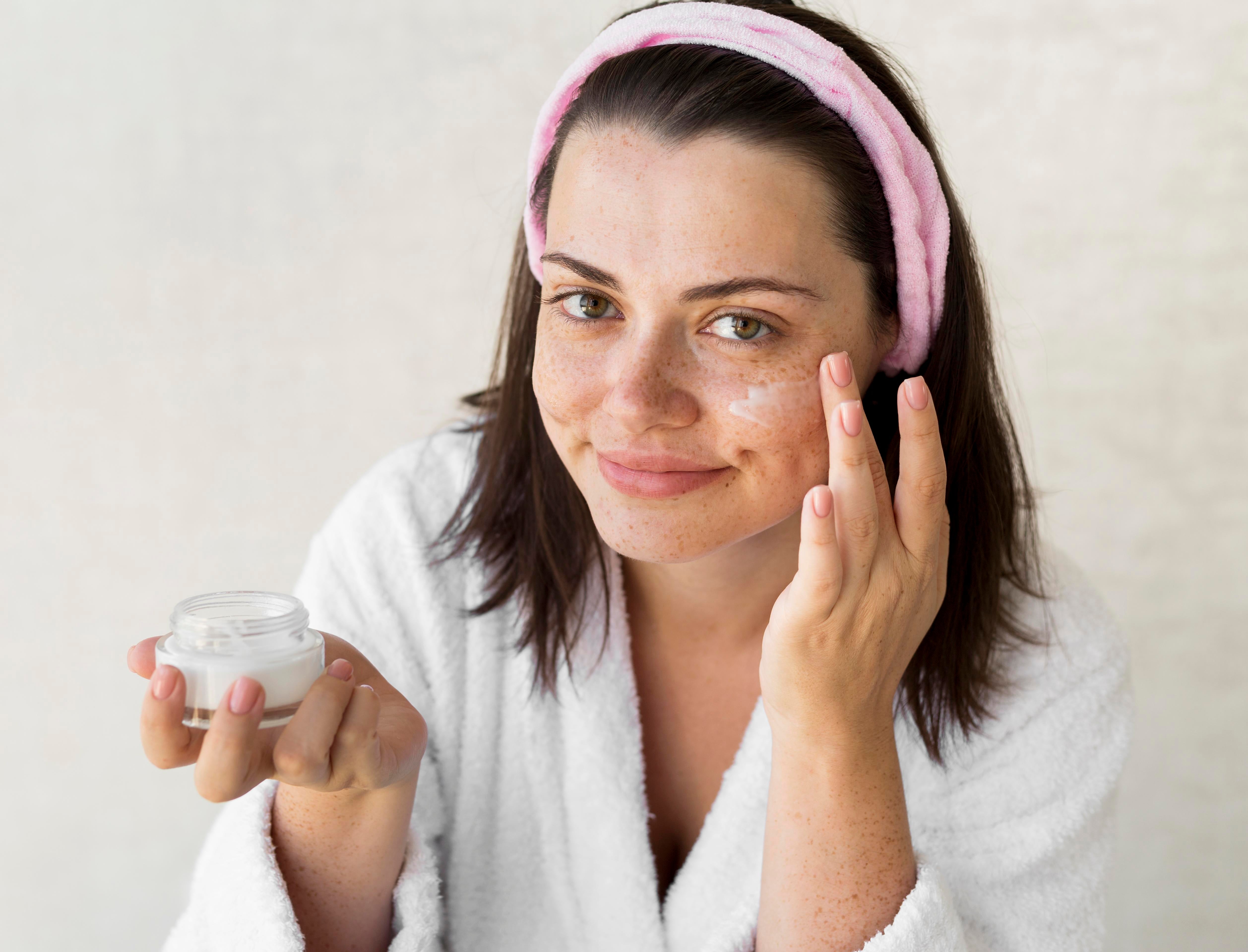
These ingredients work best when used consistently over several weeks. Pairing them with a dedicated skin brightening cream that combines multiple actives in one formula can help simplify your routine while delivering more consistent brightening results.
Exfoliate Gently
Dead skin buildup can make pigmentation appear more prominent.
Gentle exfoliation with:
- Lactic acid
- Mandelic acid
- Glycolic acid
can help support skin renewal without damaging the skin barrier.
Avoid:
- Over-scrubbing
- Harsh physical exfoliants
- Daily acid overuse
Keep Your Skin Hydrated
A damaged skin barrier can worsen sensitivity and inflammation.
Use moisturizers containing:
- Hyaluronic acid
- Ceramides
- Aloe vera
- Squalane
Hydrated skin recovers more efficiently and tolerates active ingredients better.
Try Natural Remedies Carefully
Natural remedies may support skin health, although scientific evidence varies.
Popular options include:
- Aloe vera gel
- Turmeric masks
- Green tea extract
- Rosehip oil
Patch testing is important before trying any DIY treatment.
Best Ingredients for Pigmentation-Prone Skin
Choosing the right ingredients plays a major role in how to reduce pigmentation safely and effectively.
Vitamin C
Vitamin C is an antioxidant that helps protect the skin from environmental stress while improving overall radiance.
Benefits:
- Brightens dull skin
- Reduces appearance of dark spots
- Supports collagen production
Niacinamide
Niacinamide is well known for improving uneven skin tone while calming irritation.
Benefits:
- Strengthens skin barrier
- Controls excess oil
- Reduces redness and discoloration
Alpha Arbutin
Alpha arbutin works by helping regulate melanin production, making it useful for stubborn pigmentation concerns.
Botanical Ingredients
Nature-derived ingredients can support skin recovery gently.
Examples include:
- Aloe vera
- Kumkumadi oil
- Rosehip oil
- Green tea extract
For people looking for gentle skincare options, products like the Wildflower Naturals Skin Renewal Cream with Vitamin C can complement a pigmentation-focused skincare routine. The formula combines Vitamin C, licorice extract, saffron, turmeric, and green tea extract — ingredients commonly used to support brighter, more even-looking skin while maintaining hydration. Exploring a complete range of quality face care products designed for pigmentation-prone skin can also help you build a well-rounded routine beyond serums and creams alone.

Skincare Habits That Can Worsen Pigmentation
Sometimes, common skincare mistakes can make dark spots harder to fade.
Avoid These Habits
1. Skipping Sunscreen: UV exposure can deepen existing pigmentation quickly.
2. Over-Exfoliating: Too many acids or scrubs may irritate the skin.
3. Picking Acne: Inflammation increases the likelihood of dark marks.
4. Using Too Many Actives Together: Combining strong acids, retinol, and exfoliants can damage the skin barrier.
5. Trying Harsh DIY Remedies: Lemon juice and baking soda can irritate sensitive skin severely.
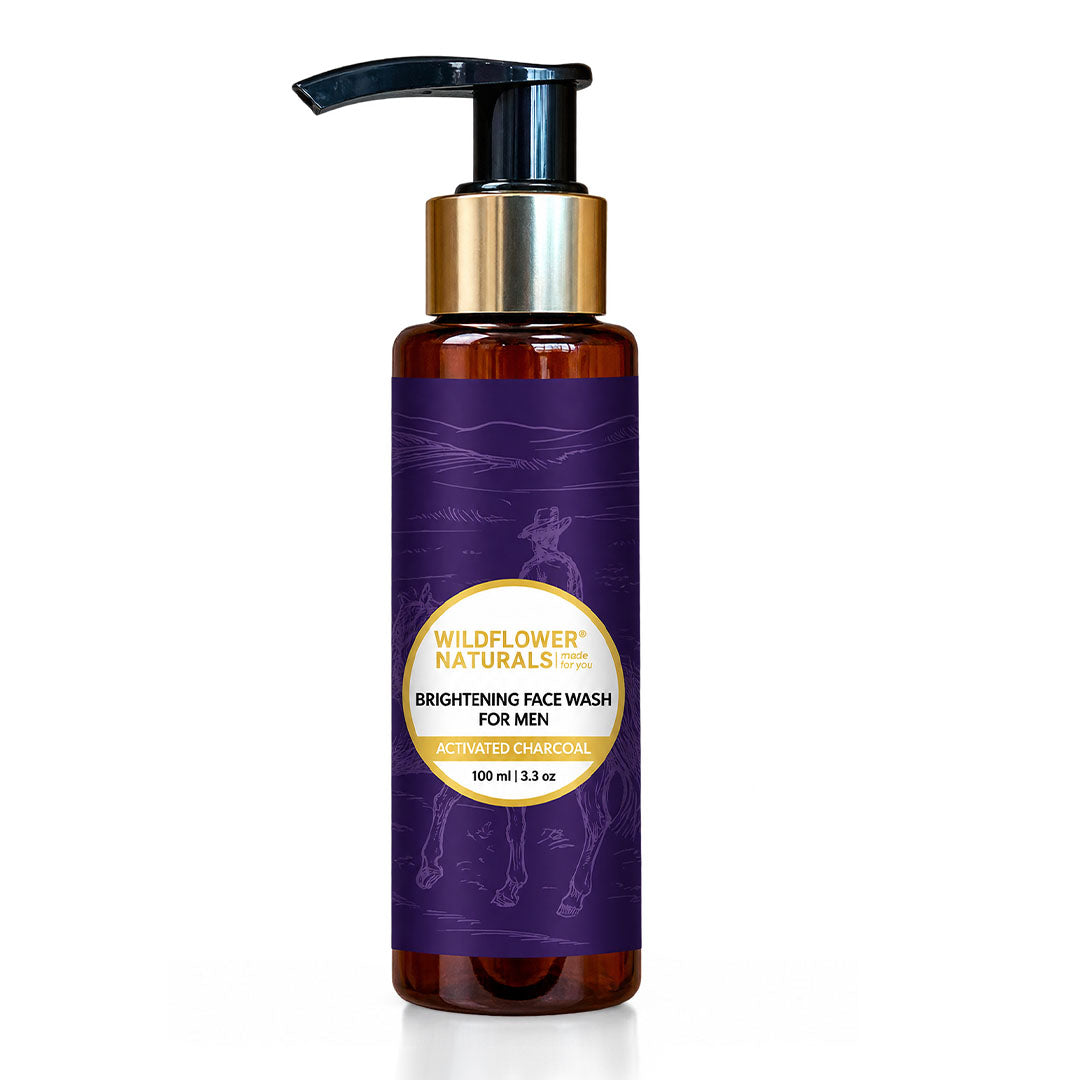
Men often unknowingly fall into several of these habits due to minimal skincare routines, and switching to dedicated men's face care products formulated for pigmentation and barrier health can make a noticeable difference in long-term results.
Simple Daily Skincare Routine for Pigmentation
A consistent routine is essential when learning how to reduce pigmentation long-term.
Morning Routine
- Gentle cleanser
- Vitamin C or niacinamide serum
- Lightweight moisturizer
- Broad-spectrum sunscreen
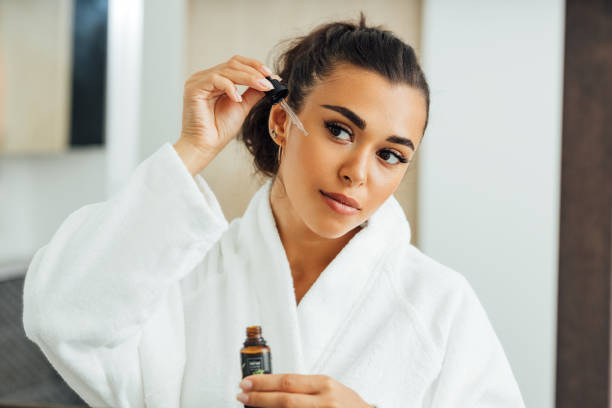
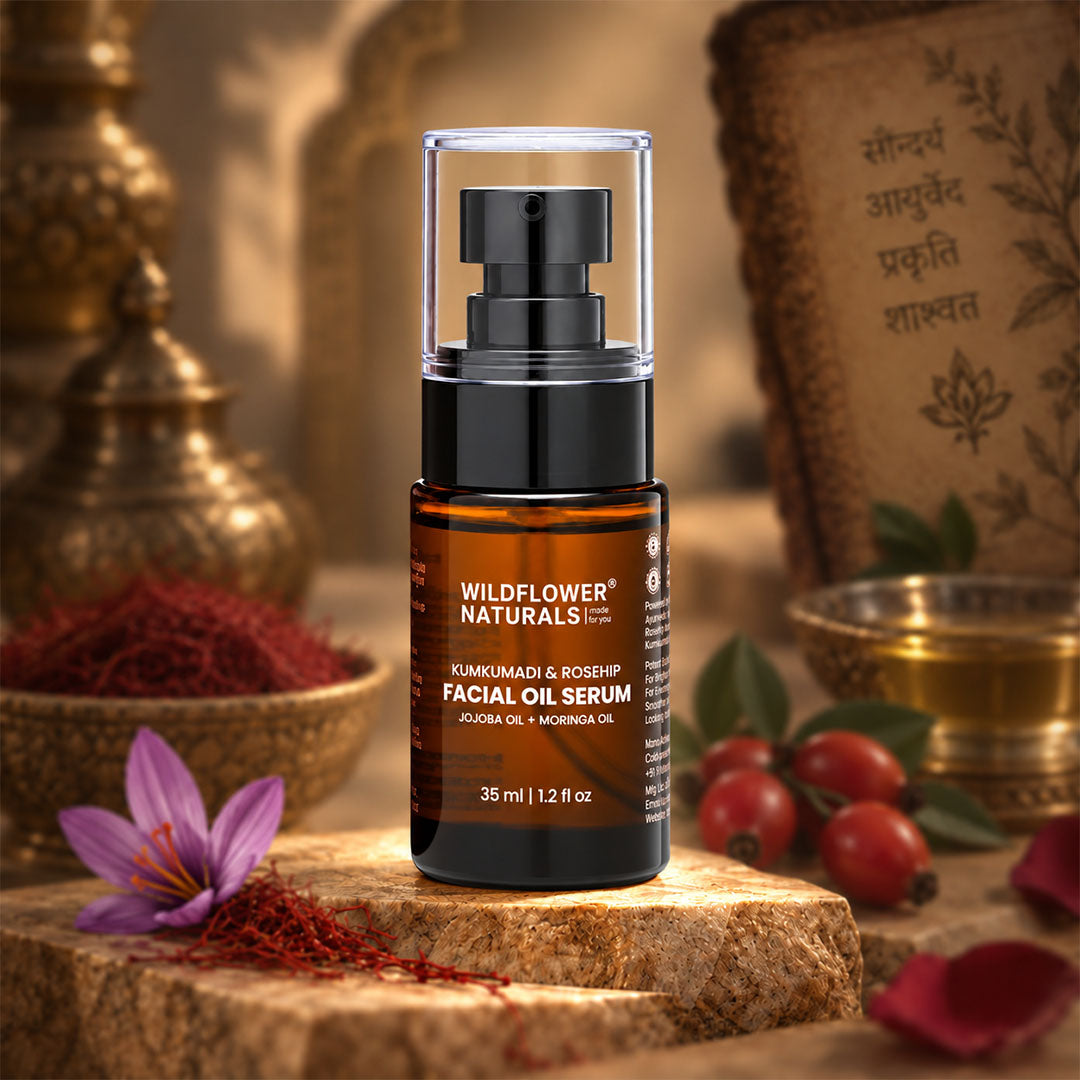
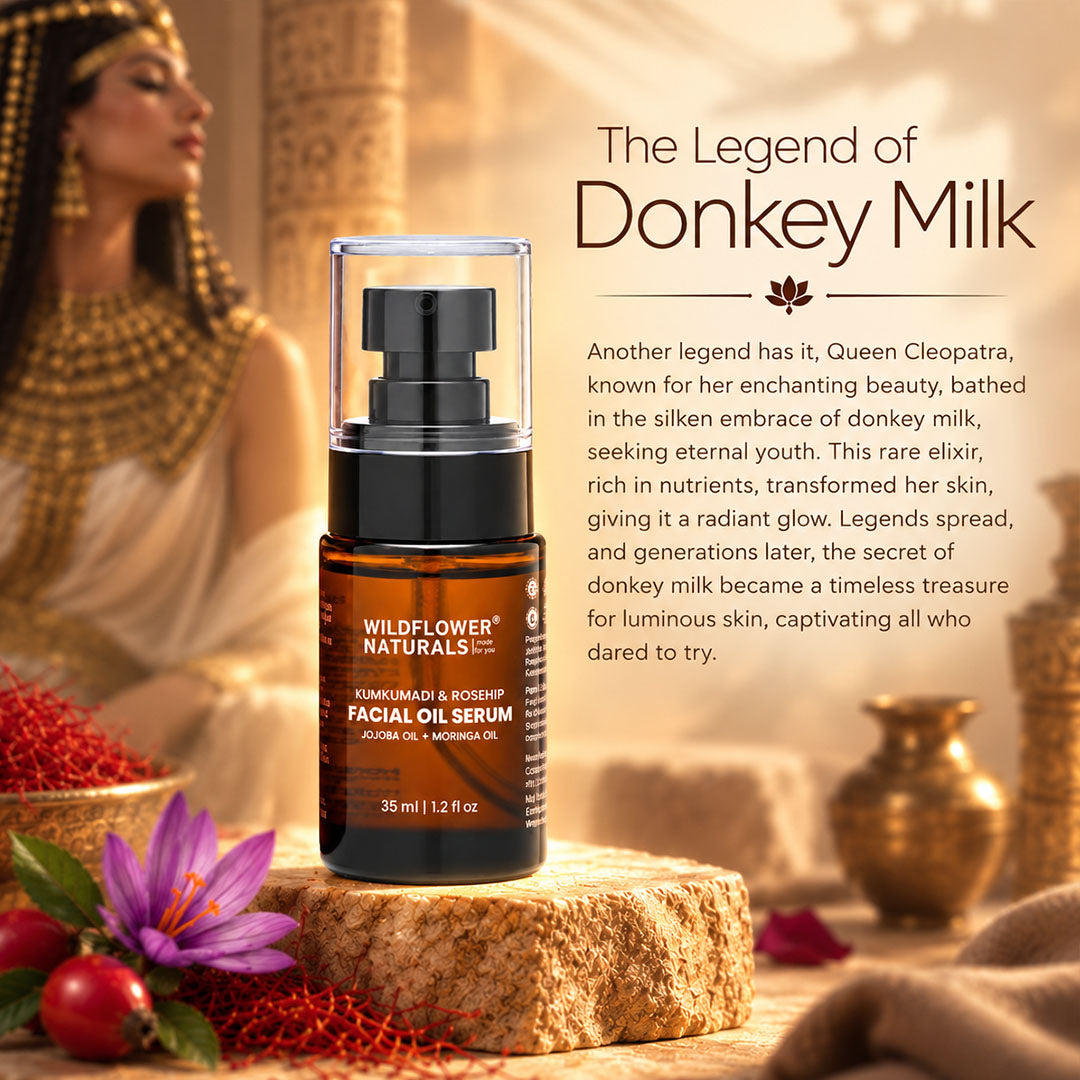
Serums containing niacinamide and alpha arbutin, such as the Kumkumadi & Donkey Milk Face Serum with 10% Niacinamide + 2% Alpha Arbutin from Wildflower Naturals, may help support uneven skin tone and visible dark spots when used consistently alongside sunscreen.

Night Routine
- Gentle cleanser
- Targeted treatment serum
- Hydrating moisturizer
Weekly Care
- Mild exfoliation once or twice weekly
- Hydrating face masks
- Adequate sleep and hydration
If you want guidance on building a more targeted evening routine, how to brighten your face offers practical tips on combining the right steps and ingredients for visible improvement over time.
When Should You See a Dermatologist?
While mild pigmentation can improve with skincare, professional help may be necessary if:
- Pigmentation spreads suddenly
- Dark patches become persistent
- OTC products show no improvement
- Hormonal melasma worsens
Professional treatments may include:
- Chemical peels
- Prescription creams
- Laser therapy
- Microneedling
A dermatologist can help identify the underlying cause and recommend suitable treatment options. Reading about how to remove pigmentation from face permanently cream beforehand can also help you walk into a consultation with a clearer understanding of which topical ingredients are worth discussing with your doctor.
How Long Does It Take to Reduce Pigmentation?
One of the most common questions about how to reduce pigmentation is how long results take.
Typical timelines:
- Mild pigmentation: 4–8 weeks
- Moderate pigmentation: 2–3 months
- Deep pigmentation: several months
Skin renewal is gradual, so patience and consistency are essential. Complementing your routine with a nourishing skin glow cream can help maintain overall radiance during this period and prevent skin from looking dull between visible improvements.
Final Thoughts
Learning how to reduce pigmentation is less about quick fixes and more about supporting your skin consistently with gentle, targeted care. Daily sunscreen, barrier-friendly skincare, hydration, and scientifically backed ingredients can gradually improve uneven skin tone while preventing future discoloration.
If you’re exploring how to reduce pigmentation naturally, remember that patience matters just as much as product choice. Healthy skin recovery takes time, especially when dealing with sun damage, acne marks, or hormonal pigmentation.
Support Your Skin Naturally with Wildflower Naturals
At Wildflower Naturals, skincare is rooted in gentle, botanical care designed to support healthy-looking skin without compromising your skin barrier. From nourishing creams to naturally inspired formulations, the brand focuses on ingredients that help maintain hydration, radiance, and overall skin wellness.
Whether you’re building a beginner-friendly skincare routine or searching for products that complement your pigmentation care journey, Wildflower Naturals offers thoughtfully crafted skincare designed for everyday use.
Frequently Asked Questions
Q1. How to reduce pigmentation naturally at home?
You can support brighter-looking skin with sunscreen, hydration, gentle exfoliation, and ingredients like Vitamin C and niacinamide.
Q2. How long does pigmentation take to fade?
Mild pigmentation may improve within weeks, while deeper discoloration can take several months.
Q3. Can sunscreen help reduce pigmentation?
Yes. Sunscreen prevents UV-triggered darkening and helps protect healing skin from further discoloration.
Q4. Can acne marks turn into permanent pigmentation?
Some acne marks can become stubborn if inflammation continues or skin picking damages the area repeatedly.
Q5. Is pigmentation reversible?
Many types of pigmentation improve significantly with proper skincare and professional treatment if needed.
Q6. Is Vitamin C good for pigmentation?
Yes. Vitamin C helps brighten uneven skin tone and supports antioxidant protection.
Q7. Will exfoliation remove pigmentation completely?
Exfoliation may improve surface discoloration, but deeper pigmentation often requires long-term care and sun protection.
Q8. What causes pigmentation to worsen over time?
Sun exposure, inflammation, hormonal imbalance, stress, and harsh skincare habits can all worsen pigmentation.



Leave a comment
This site is protected by hCaptcha and the hCaptcha Privacy Policy and Terms of Service apply.