

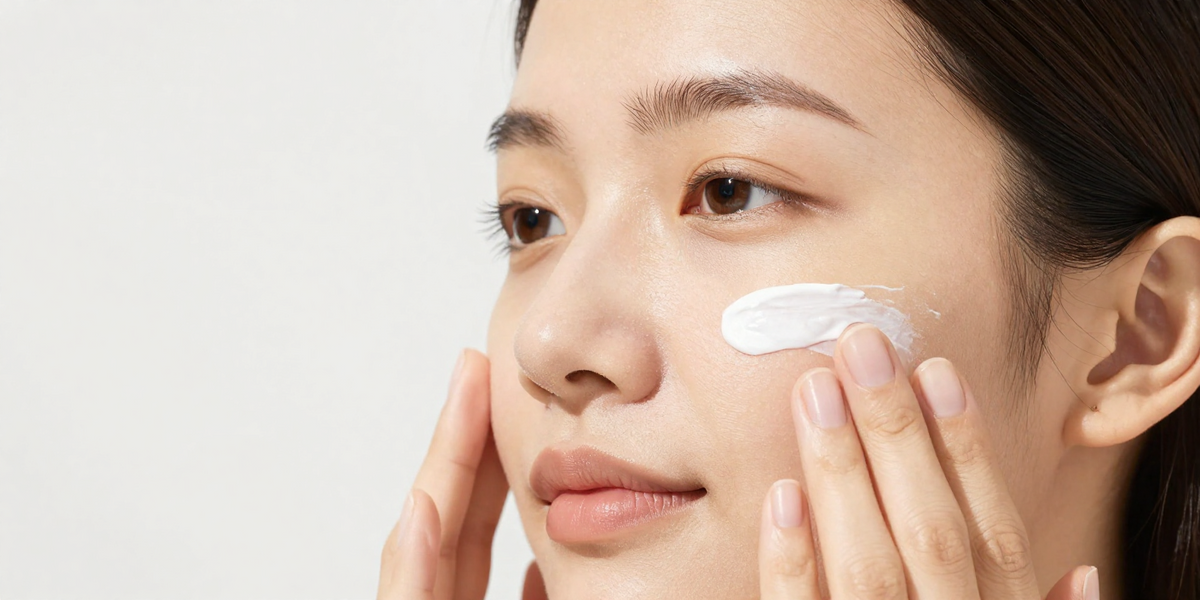
The best sunscreen for all skin types is a lightweight, broad-spectrum formula with SPF 30 or higher that protects against both UVA and UVB rays, feels comfortable on the skin, and is non-comedogenic. For combination skin, choose a sunscreen that hydrates dry areas without making the T-zone excessively oily. Lightweight gel, fluid, or dew-finish formulas can work particularly well. Look for formulas with hydration, soothing ingredients, and water resistance to ensure protection for sensitive, oily, dry, and combination skin.
As summer approaches, sunscreen becomes even more important because increased outdoor exposure can increase the amount of UV radiation reaching unprotected skin. For a pre-summer skincare routine, choosing one sunscreen that balances broad-spectrum protection, comfortable texture, and compatibility with your skin type is a practical place to start.
Quick Comparison: Which Sunscreen Is Best for Different Skin Types?
|
Skin Type |
What to Look For in Sunscreen |
Ideal Texture |
|
Oily skin |
Non-comedogenic, lightweight, oil-free or low-residue formula |
Gel or fluid |
|
Dry skin |
Hydrating ingredients and a comfortable, moisturizing base |
Cream or lotion |
|
Combination skin |
Lightweight hydration without excessive oiliness in the T-zone |
Gel-cream, fluid, or lightweight lotion |
|
Sensitive skin |
Fragrance-free, gentle formula with minimal potential irritants |
Cream, lotion, or gentle fluid |
|
Normal skin |
Broad-spectrum SPF 30+ with a comfortable everyday finish |
Fluid, lotion, or cream |
|
Pigmentation-prone skin |
Broad-spectrum UVA/UVB protection and a finish that does not leave unwanted white cast |
Invisible fluid or lightweight cream |
The key takeaway: there is no single texture that every person will prefer, but a broad-spectrum, SPF 30+ sunscreen with a comfortable, non-comedogenic formula can be a strong everyday choice across many skin types.
Why Sunscreen Matters for Every Skin Type
Sunscreen is not just for fair or sensitive skin. Every skin type needs protection from UV radiation, which can cause sunburn, premature aging, pigmentation, and even skin cancer. Understanding why sunscreen is essential can help answer the question of which sunscreen is best for all skin types.
The Science of Sun Protection
Sunscreens protect your skin from ultraviolet rays that can damage cells. SPF, or Sun Protection Factor, measures how well a sunscreen protects against UVB rays, which cause sunburn. PA ratings indicate protection from UVA rays, which penetrate deeper into the skin and cause aging and dark spots.
UVA vs UVB Rays
- UVA rays penetrate deep into the skin, leading to fine lines, wrinkles, and pigmentation
- UVB rays affect the surface layer of the skin and are the main cause of sunburn
- Both UVA and UVB rays contribute to skin cancer, making broad-spectrum protection essential
Daily Protection vs Outdoor Exposure
Even if you stay mostly indoors, UV rays can reach you through windows, making daily sunscreen application necessary. When you are outdoors, especially during midday hours, UV exposure increases significantly, and a high SPF sunscreen becomes critical. To build a complete routine that supports daily sun protection, explore quality skin care products for women designed for hydration and nourishment across different skin types.
During the summer months, sunscreen becomes especially important for people spending more time outdoors. However, sunscreen should remain part of your daily skincare routine throughout the year rather than being reserved only for hot or sunny days.
What Makes a Sunscreen Suitable for All Skin Types
When asking which sunscreen is best for all skin types, dermatologists recommend evaluating the following features:
Broad-Spectrum SPF: The Must-Have Standard
- SPF 30 or higher protects against UVB rays and sunburn
- PA+++ or PA++++ ensures strong UVA protection to prevent premature aging and pigmentation
- Broad-spectrum sunscreen guards against long-term damage for all skin types
Lightweight Texture and Non-Greasy Finish
- Heavy, thick sunscreens can feel sticky and uncomfortable
- Lightweight formulations absorb quickly and do not clog pores
- Gel, fluid, or dew-like textures are ideal for daily wear
- For combination skin, a lightweight formula can help provide hydration without making already-oily areas feel excessively greasy
Non-Comedogenic and Fragrance-Free Formulas
- Non-comedogenic sunscreens prevent breakouts for oily or acne-prone skin
- Fragrance-free options reduce the risk of irritation for sensitive skin
- Suitable for dry, oily, sensitive, or combination skin without causing discomfort
Water Resistance for Real-World Protection
- Water-resistant sunscreens remain effective during sweating or swimming
- Helps maintain protection during outdoor activities
- Essential for practical, everyday use across all skin types
- For summer outings, swimming, sports, and heavy sweating, choose a water-resistant sunscreen and reapply as directed

How to Choose Sunscreen Based on Specific Skin Concerns
Different skin types have unique needs. Here’s how to choose which sunscreen is best for all skin types while addressing your individual concerns:
Oily and Acne-Prone Skin
- Look for oil-free and non-comedogenic formulas
- Gel or fluid textures reduce shine without clogging pores
- Lightweight sunscreens that feel breathable are ideal
For additional support, consider pairing sunscreen with targeted oily skin care products that help manage excess sebum and maintain balanced skin.
Dry and Sensitive Skin
- Cream or lotion textures provide hydration without irritation
- Ingredients like hyaluronic acid, aloe vera, and natural botanicals soothe and nourish
- Avoid alcohol-based or overly chemical-heavy formulations
Those with dryness can complement sunscreen with gentle dry skin care products that restore moisture and strengthen the skin barrier.
Normal and Combination Skin
- Balanced formulations suit both dry and oily areas
- Can tolerate either chemical or mineral sunscreens
- Look for lightweight options that absorb quickly without leaving residue
Pigmentation-Prone or Darker Skin Tones
- Non-whitening, invisible formulas prevent chalky or ashy appearance
- Broad-spectrum SPF protects against dark spot formation
- Hydrating ingredients maintain healthy skin balance
Top Features to Look For in All-Skin-Type Sunscreens
When trying to determine which sunscreen is best for all skin types, pay attention to these essential features:
SPF Level and PA Ratings
- SPF 30–50 protects against most UVB exposure for daily and outdoor activities
- PA+++ or higher provides strong protection against UVA-induced aging and pigmentation
Mineral vs Chemical Sunscreens
- Mineral sunscreen contains zinc oxide or titanium dioxide, gentle for sensitive skin
- Chemical sunscreen absorbs UV rays and is lightweight, ideal for invisible finishes
- Consider your skin sensitivity and preference for texture
Acne-Safe and Sensitive-Friendly Ingredients
- Hydrating ingredients like hyaluronic acid or aloe vera
- Soothing botanicals like chamomile or donkey milk
- Avoid heavy oils, alcohol, parabens, or harsh chemicals
Can One Sunscreen Truly Be Best for All Skin Types?
A single sunscreen can be suitable for multiple skin types when its formulation balances effective broad-spectrum protection with a comfortable texture and good skin tolerance. However, “best” is not identical for everyone. Someone with very oily skin may prefer a different finish from someone with very dry skin.
For combination skin in particular, the ideal sunscreen should provide enough hydration for drier areas while remaining lightweight enough for oilier areas.
Recommended All-Skin-Type Sunscreen
The sunscreen that checks all the boxes for which sunscreen is best for all skin types is Kumkumadi & Donkey Milk SPF 50 Dew Drops Invisible Sunscreen.
- Broad-spectrum SPF 50+ for UVA and UVB protection
- Hyaluronic acid and aloe vera for hydration
- Donkey milk and Ayurvedic botanicals for nourishment
- Lightweight, non-greasy, and invisible finish
- Suitable for sensitive, oily, dry, and combination skin
- Water-resistant and makeup-friendly
- Non-comedogenic and comfortable for daily use
For a complete grooming routine, men can explore dedicated skin care products for men, while maintaining overall beauty care with complementary hair care products for women to support healthy hair alongside protected skin. This product offers comprehensive protection while remaining gentle and suitable for every skin type.
How to Apply Sunscreen for Maximum Protection
Cover All Exposed Areas
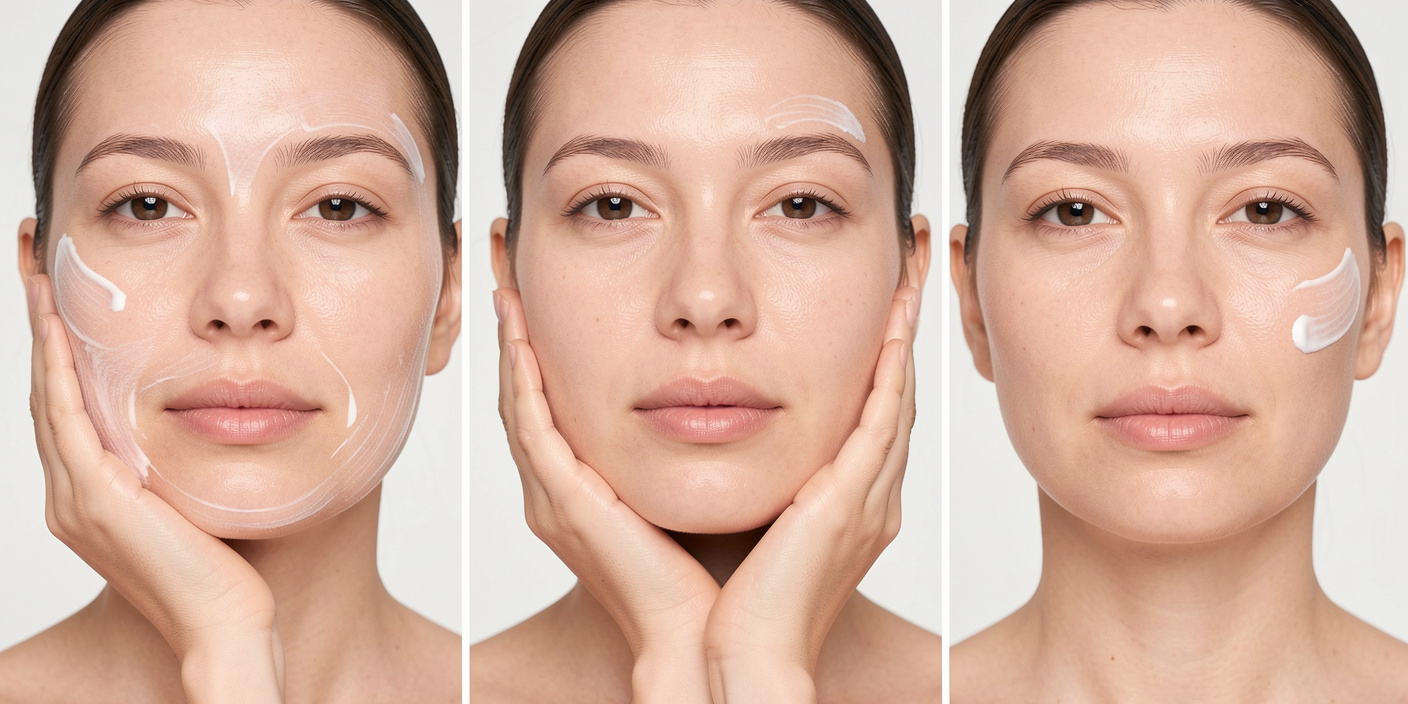
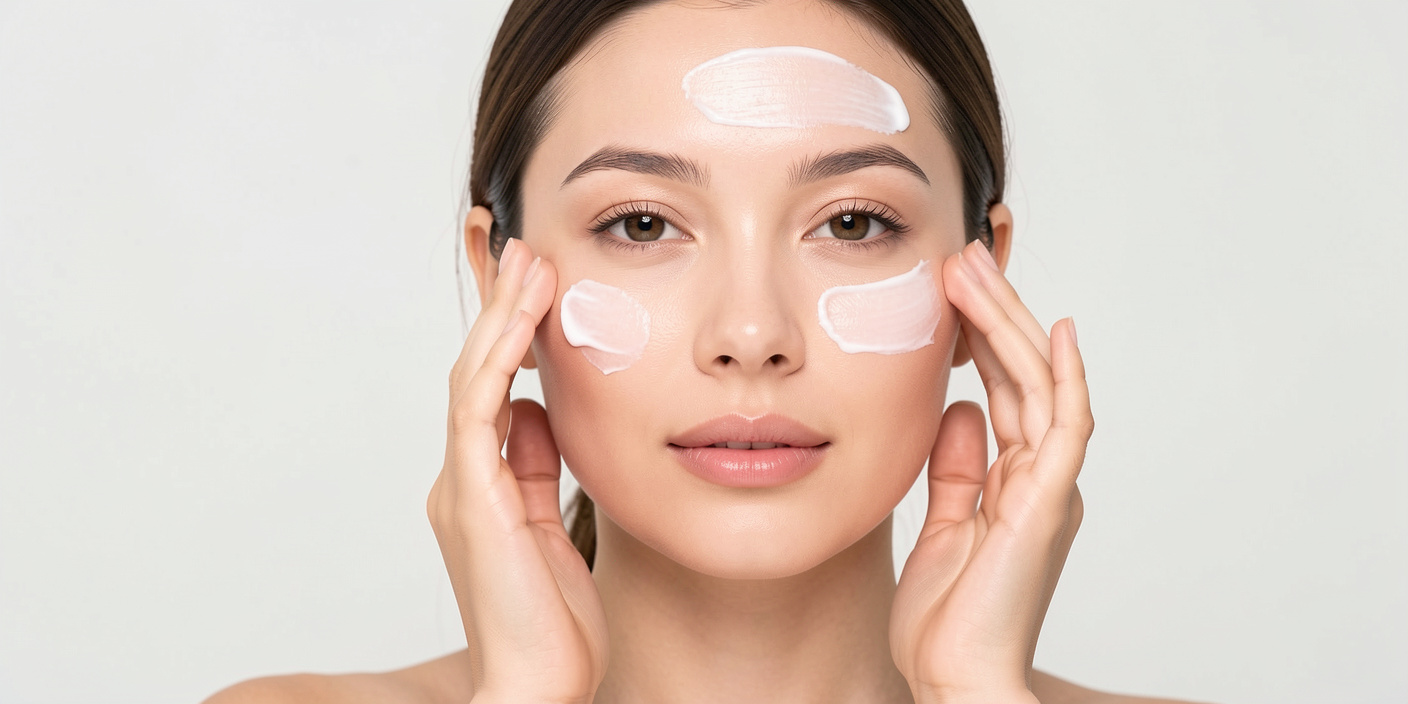
- Apply evenly to face, neck, and ears
- Include hands, arms, and any other exposed skin
Reapply Frequently
- Reapply every two hours during outdoor exposure
- After swimming, sweating, or towel-drying
- Even indoors, consider a midday touch-up
Sunscreen Under Makeup
- Apply sunscreen first, allow it to absorb for a few minutes
- Follow with primer and makeup if desired
- Choose lightweight formulas to avoid a greasy finish
What Happens If You Skip Sunscreen
Short-Term Effects
- Sunburn, redness, and irritation
- Temporary sensitivity and discomfort
Long-Term Effects
- Premature aging, fine lines, and wrinkles
- Hyperpigmentation and uneven skin tone
Increased Risk of Skin Cancer
- UV exposure increases the risk of melanoma and non-melanoma skin cancers
- Daily sunscreen use is a critical preventative measure
Conclusion
Finding which sunscreen is best for all skin types comes down to evaluating protection, texture, and skin compatibility. Look for broad-spectrum SPF, lightweight, non-comedogenic, and hydrating formulas. Reapply every two hours, cover all exposed areas, and select ingredients that suit your skin’s specific needs. The right sunscreen protects, nourishes, and keeps your skin healthy while preventing long-term damage.
The top recommendation is Kumkumadi & Donkey Milk SPF 50 Dew Drops Invisible Sunscreen, which combines effective sun protection with hydration, nourishment, and a comfortable, invisible finish suitable for every skin type. Daily use ensures healthy, glowing, and protected skin.
Read Our Latest Blog
Which Sunscreen Is Best For Dry Skin | How To Apply Sunscreen | Which SPF Sunscreen Is Best | Can We Apply Sunscreen At Night | Does Sunscreen Prevent Tanning | Which Sunscreen Is Best For Combination Skin | skin care for oily face | face care routine for oily skin | step by step face care | face care in summer | skin care routine for men | skin care for men | hair care routine for men | best skin care routine for men | lip care for men
Frequently Asked Questions
Q1. How do I choose the best sunscreen for my skin type?
Ans: Look for SPF 30+, broad-spectrum formulas that are non-comedogenic and lightweight. Consider hydrating and soothing ingredients like hyaluronic acid or aloe vera for added skin benefits.
Q2. How often should I reapply sunscreen during the day?
Ans: Sunscreen should be reapplied every two hours, especially if you are outdoors, sweating, swimming, or wiping your face. Consistent reapplication ensures continuous protection.
Q3. Can sunscreen help reduce pigmentation and dark spots?
Ans: Yes. Sunscreens with broad-spectrum SPF prevent new pigmentation and protect existing dark spots from worsening. Daily use helps maintain a more even skin tone.
Q4. Can I wear sunscreen under makeup without greasiness?
Ans: Absolutely. Use lightweight, invisible formulas designed for layering under makeup. Allow the sunscreen to absorb fully before applying foundation or other products.
Q5. Is SPF 30 enough for everyday use, or should I go higher?
Ans: SPF 30 is generally sufficient for indoor or short outdoor exposure. For prolonged outdoor activities or intense sunlight, SPF 50 or higher provides stronger protection.
Q6. Is mineral sunscreen better than chemical sunscreen for sensitive skin?
Ans: Mineral sunscreens are gentler and less likely to irritate sensitive skin. They provide immediate protection and are often better for acne-prone or reactive skin types.
Q7. Will sunscreen prevent aging and wrinkles on the face?
Ans: Yes. Broad-spectrum sunscreen protects against UVA and UVB rays that cause fine lines, wrinkles, and sunspots. Daily use significantly slows down photoaging.
Q8. Will sunscreen cause breakouts on oily or acne-prone skin?
Ans: Non-comedogenic, lightweight sunscreens are formulated to protect the skin without clogging pores. Choosing the right texture ensures that sunscreen does not trigger breakouts.



Leave a comment
This site is protected by hCaptcha and the hCaptcha Privacy Policy and Terms of Service apply.