

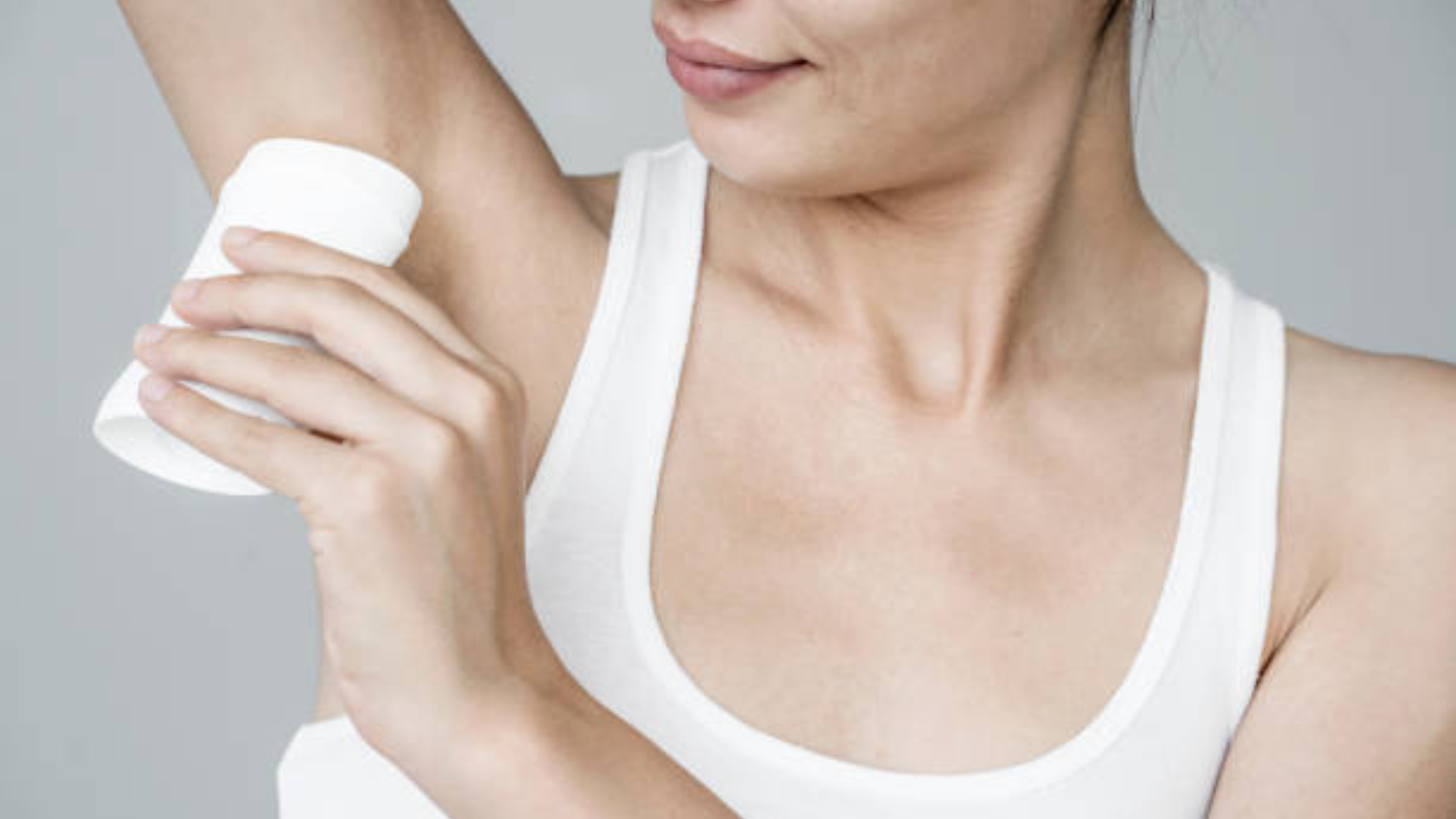
Deodorant vs antiperspirant comes down to odor versus sweat. Deodorant primarily helps manage body odor, while antiperspirant is designed to reduce perspiration. If odor is your main concern, deodorant may be enough; if underarm wetness is the bigger issue, an antiperspirant may be more suitable.
Choosing between the two is easier once you understand what your body actually needs. Deodorant vs antiperspirant is not about which product is universally better, but about choosing the right function for your routine. At Wildflower Naturals, we believe everyday care should feel thoughtful, personal, and enjoyable. But first, let’s clear up the confusion.
Deodorant vs Antiperspirant: What’s the Real Difference?
The simplest way to understand the difference is this: deodorant is primarily about odor, while antiperspirant is primarily about sweat.
Sweating is a normal body function that helps regulate temperature. Body odor, meanwhile, develops when sweat interacts with bacteria on the skin. That means you can sweat quite a lot without having strong body odor, or have noticeable odor without excessive sweating.
|
Feature |
Deodorant |
Antiperspirant |
|
Main purpose |
Helps manage body odor |
Helps reduce sweating |
|
Controls perspiration |
No |
Yes |
|
Helps with odor |
Yes |
Yes, indirectly and/or through added deodorising ingredients |
|
Common active approach |
Fragrance and odor-controlling ingredients |
Aluminum-based active ingredients |
|
Best for |
Odor-focused concerns |
Sweat and moisture concerns |
So, when considering deodorant vs antiperspirant, start with a simple question: Am I mainly trying to smell fresher, or am I trying to sweat less?
How Does Deodorant Work?
Deodorant does not generally stop your body from sweating. Instead, it is designed to help manage the smell associated with perspiration.
Sweat itself isn't necessarily responsible for the odor you notice. When sweat comes into contact with microorganisms on your skin, compounds responsible for body odor can develop. Deodorants may use fragrance, odor-neutralising ingredients or other ingredients intended to help reduce the perception of unpleasant odor.
That makes deodorant a practical option for someone who sweats normally but wants to feel fresher throughout the day, and it fits naturally alongside the rest of your body care products.
Does Deodorant Stop You From Sweating?
Usually, no. A deodorant is not designed primarily to reduce sweat production.
This distinction matters because buying a deodorant when your actual concern is heavy perspiration can leave you disappointed. You may smell fresher, but you can still experience dampness or sweat marks.
How Does Antiperspirant Work?
Antiperspirant takes a different approach. Its purpose is to temporarily reduce the amount of sweat reaching the skin's surface.
Many antiperspirants use aluminum-based active ingredients. These work locally to reduce sweat flow from the treated area. The American Academy of Dermatology also recommends antiperspirants as a common topical option for managing excessive sweating.
Because less sweat reaches the skin, there may also be less moisture available to contribute to odor. However, antiperspirant and deodorant are still not interchangeable terms.
If sweating is interfering with your clothes, work, exercise or everyday comfort, an antiperspirant may make more sense than a product designed only for odor.
Deodorant vs Antiperspirant: Which One Should You Choose?
There is no universal winner. The better choice depends on the problem you're trying to solve.
Choose Deodorant If Odor Is Your Main Concern
Deodorant may suit you if:
- You sweat normally but dislike body odor.
- You want everyday freshness.
- You prefer to manage odor without specifically reducing perspiration.
- Your lifestyle does not require strong sweat control.
For many people, that is all they need, and building a simple body care kit around this can make the daily routine easier.
Choose Antiperspirant If Sweat Is the Bigger Problem
An antiperspirant may be more appropriate if:
- Your underarms become noticeably wet during the day.
- Sweat marks are a recurring concern.
- You perspire heavily during work, commuting, or exercise.
- You want to reduce underarm moisture rather than simply mask odor.
For persistent or unusually heavy sweating, especially when it affects daily life, it is worth speaking with a dermatologist rather than continually switching products.
What If You Have Both Concerns?
You don't necessarily have to choose one function over the other. Some products are formulated to combine sweat reduction and odor control, while some people use separate products as part of their routine.
The important thing is to understand what each product is actually formulated to do, much like understanding the wider category of body care products list items available for everyday use.
Deodorant vs Antiperspirant for Sensitive Skin
Underarm skin can be surprisingly reactive. Shaving, friction, sweat and fragranced products can all contribute to irritation.
That is why reading the ingredient list matters more than simply choosing a product because it is labelled "natural", "strong" or "fresh".
Both deodorants and antiperspirants can irritate some people, particularly when the skin is already compromised. Cleveland Clinic recommends applying these products to clean, dry skin and checking ingredient lists if you have sensitive skin.
A few sensible habits can help:
- Avoid applying products immediately after shaving if your skin feels irritated.
- Patch test unfamiliar products when appropriate.
- Pay attention to fragrance and other ingredients that your skin may not tolerate.
- Stop using a product if it causes persistent irritation.
- Choose according to your own skin response rather than online trends.
And remember: natural does not automatically mean irritation-free. Essential oils and botanical ingredients can also cause reactions in some individuals.
What Ingredients Should You Look For?
Understanding the label can make shopping much less confusing.
Ingredients for Odor Control
Deodorants may contain fragrances, odor-neutralising ingredients and ingredients intended to reduce odor-causing microorganisms. The exact formulation varies considerably from one product to another.
Ingredients for Sweat Control
Antiperspirants commonly rely on aluminum-based active ingredients to reduce sweat reaching the skin's surface. If sweat reduction is your priority, check whether the product is actually labelled as an antiperspirant rather than assuming every underarm product offers the same function, which is a good habit to carry across your men's body care products too.
Don't Choose by Marketing Words Alone
Words such as "fresh", "natural", "clinical", "clean" or "long-lasting" don't tell you everything about how a product works.
Look at the intended purpose and active ingredients. That's a much more useful way to make a decision.
Is Antiperspirant Better Than Deodorant?
Not necessarily.
The deodorant vs antiperspirant decision depends on your individual goal. If you mainly want odor control, an antiperspirant may be more than you need. If you're dealing with noticeable perspiration, a deodorant alone may not address the issue.
Think of them as two different tools rather than two competing versions of the same product.
There's also no need to feel pressured into choosing the "strongest" option. A product that matches your needs and feels comfortable on your skin is usually a more sensible choice than one that promises more than you actually require.
Can You Use Deodorant and Antiperspirant Together?
Yes, some people do.
The American Academy of Dermatology notes that people who need both sweat and odor management can use a product that combines both functions or follow a routine involving separate products.
If you're using separate products, follow their individual directions rather than automatically applying large amounts of both.
More product isn't necessarily better. Good application, clean and dry skin, and choosing the right formulation matter more.
How to Use Deodorant or Antiperspirant Correctly
A simple routine can make a noticeable difference.
- Start with clean skin. Wash the underarm area regularly.
- Dry thoroughly. Moisture can affect application and may increase irritation.
- Apply according to the label. Don't assume every formula should be used in the same way.
- Avoid irritated or broken skin. Give recently shaved skin time to settle if it feels sensitive.
- Allow the product to dry where appropriate. This can make application more comfortable and reduce transfer onto clothing.
- Follow specific antiperspirant instructions. Some stronger formulations work best when applied at night to completely dry skin.
Common Mistakes to Avoid
One of the biggest mistakes is expecting one product to solve a completely different problem.
If you're using deodorant because you sweat heavily, you may be addressing odor while leaving perspiration unchanged. Conversely, if you barely sweat but are concerned about odor, using a stronger sweat-control product may not be necessary.
Another common mistake is applying products over irritated skin and then assuming the formulation itself is always the problem.
What Should You Choose for Your Daily Routine?
Your lifestyle can help guide the decision.
For a normal day at work or home, odor control may be all you need. For workouts, hot weather, or situations where sweat marks are a recurring concern, sweat management may become more important.
Your clothing can matter too. Breathable fabrics can make you more comfortable when you're prone to sweating, while keeping the underarm area clean and dry can support everyday odor management. This guide on mens body care covers how these habits fit into a broader routine.
For those who enjoy fragrance as part of getting ready, Wildflower Naturals offers options that can complement a broader body-care ritual. Golden Dawn Body Mist and Elixir No. 9 Body Mist are part of its current fragrance range. They should be thought of as fragrance products, not replacements for deodorant or antiperspirant.
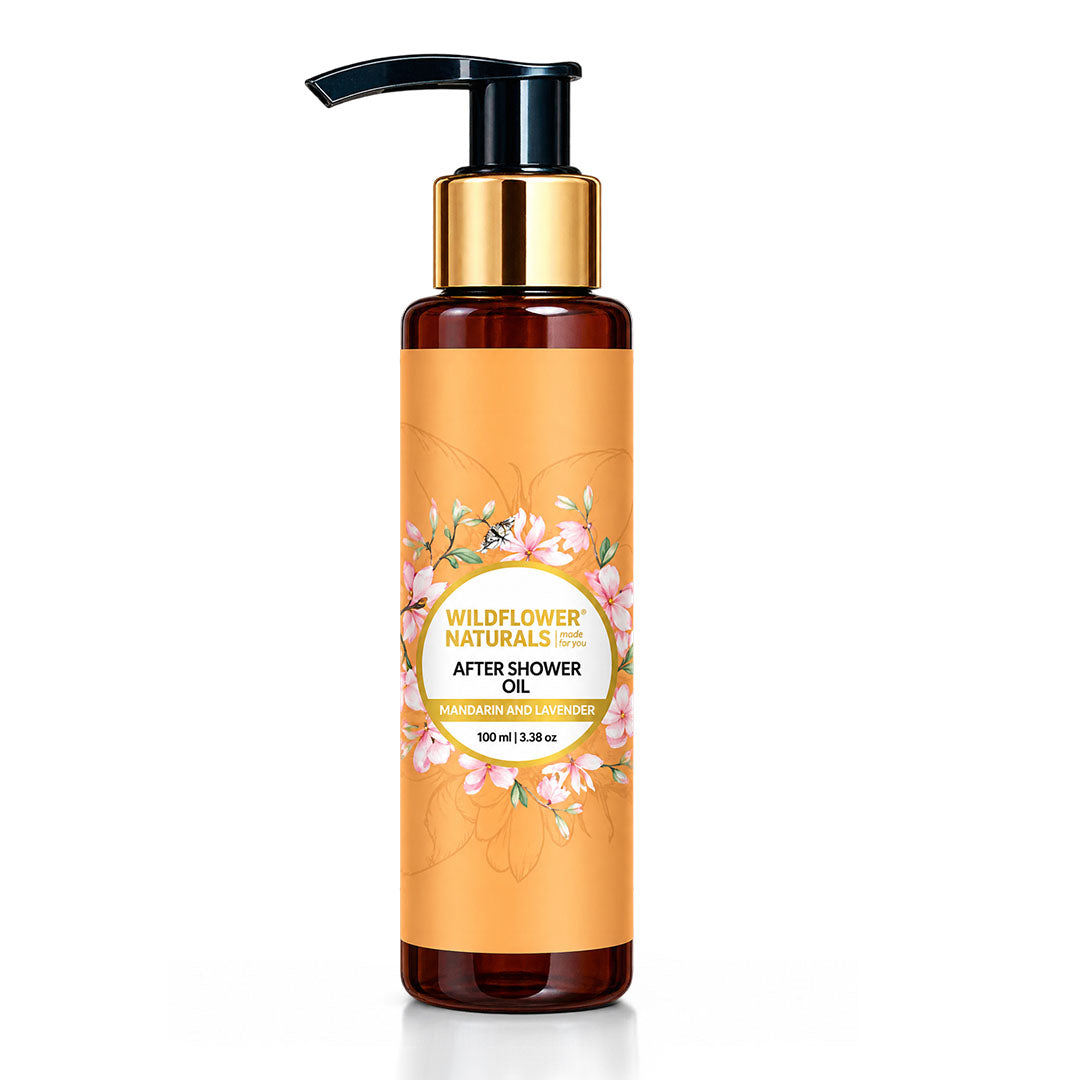
Likewise, After Shower Oil with Lavender and Mandarin can be used as a nourishing step after bathing, much like Wildflower Naturals' body care products for women designed around similar nourishing rituals. Its product information describes a lightweight, fragrant oil intended to moisturise the skin and recommends applying it to damp skin after showering.
Why Does the Difference Matter?
Understanding deodorant vs antiperspirant helps you stop buying based purely on packaging and start choosing according to your actual needs.
If odor is the problem, focus on odor management. If sweat is the problem, look for sweat-control properties. If your skin is sensitive, pay close attention to the formulation and how your skin responds, in the same way texture and richness matter when comparing body butter vs body lotion for your moisturising routine.
And if sweating suddenly becomes excessive, changes significantly, or interferes with everyday activities, don't treat it as merely a cosmetic issue. Excessive sweating can have medical causes and may need professional assessment.
The Bottom Line
When it comes to deodorant vs antiperspirant, the smartest choice is the one that addresses your actual concern. Deodorant is primarily for odor; antiperspirant is for reducing sweat. Neither is automatically better, and your skin, lifestyle, and level of perspiration should guide the decision.
At Wildflower Naturals, we approach body care as something that can be both purposeful and pleasurable. Once you've chosen the right underarm solution for your needs, you can build the rest of your ritual around products that make everyday care feel a little more considered.
Explore Golden Dawn Body Mist, Elixir No. 9 Body Mist, and After Shower Oil with Lavender and Mandarin to bring fragrance, softness and a more enjoyable finishing touch to your body-care routine. Explore the Wildflower Naturals collection and create a ritual that feels naturally yours.
Frequently Asked Questions
Q1. How do deodorant and antiperspirant differ?
Deodorant primarily manages body odor, while antiperspirant is designed to reduce sweating. Some products combine both functions.
Q2. Can you use deodorant and antiperspirant together?
Yes. You can use separate products or choose a formulation designed to provide both odor and sweat control, following the product directions.
Q3. Is antiperspirant safe to use every day?
For most people, antiperspirants are considered safe for everyday use when used as directed. Skin irritation can occur, so stop if a product causes persistent discomfort.
Q4. Will deodorant stop underarm sweating?
No. Deodorant generally helps manage odor rather than reducing the amount you sweat. An antiperspirant is specifically designed for sweat reduction.
Q5. What is better for excessive sweating?
An antiperspirant is generally more appropriate because it is designed to reduce perspiration. If sweating is severe or affects daily life, consult a dermatologist.
Q6. Why does deodorant stop working after a few hours?
Odor can be affected by sweating, skin bacteria, activity, heat and the product's formulation. Reapplication should follow the product's instructions rather than simply using more.
Q7. How should antiperspirant be applied?
Many antiperspirants work best when applied to completely dry skin, and some are recommended at bedtime. Always follow the directions for your specific formulation.
Q8. Is natural deodorant the same as antiperspirant?
No. A natural deodorant may help manage odor, but it is not automatically an antiperspirant. Check the product's stated function and ingredients before buying.





Leave a comment
This site is protected by hCaptcha and the hCaptcha Privacy Policy and Terms of Service apply.