


Pigmentation around mouth causes can include sun exposure, hormonal changes, post-inflammatory pigmentation, dryness, friction, irritation, and reactions to skincare or cosmetic products. The best approach is to identify the trigger, protect the area from UV exposure, maintain the skin barrier, and use gentle, targeted skincare consistently.
Darkness around the mouth can be frustrating, especially when the rest of your complexion looks even. The pigmentation around mouth causes are not always the same for everyone and may range from sun exposure and irritation to hormonal changes or post-acne marks. Understanding the trigger is the first step towards choosing the right care. And that is where a thoughtful routine can make a difference.
What Is Pigmentation Around the Mouth?
Pigmentation around the mouth refers to an area of skin that appears darker or more uneven in tone than the surrounding complexion. It happens when melanin, the pigment responsible for skin colour, becomes more concentrated in a particular area.
The change can be subtle, appearing as a slightly deeper tone around the corners of the mouth, upper lip, chin or the skin immediately surrounding the lips. In other cases, it can look like more noticeable brown, greyish or dark patches.
It is worth remembering that pigmentation is not one single condition. The reason behind it matters. Treating irritation-related pigmentation in the same way as hormonal pigmentation, for example, may not give the result you expect.
Pigmentation Around Mouth Causes You Should Know
There are several possible pigmentation around mouth causes, and more than one may be contributing at the same time.
Sun Exposure and UV Damage
One of the most common contributors to uneven pigmentation is repeated exposure to ultraviolet (UV) radiation. Sun exposure can stimulate melanin production and make existing dark patches appear more noticeable.
The area around the mouth is often overlooked when applying sunscreen. A person may carefully protect the cheeks and forehead but apply less product around the lips and chin.
Daily broad-spectrum sunscreen is therefore an important part of pigmentation care. It does not instantly erase existing marks, but it helps prevent UV exposure from continually encouraging further darkening.
Hormonal Changes
Hormonal fluctuations can influence pigmentation in some people. Conditions such as melasma are associated with hormonal changes and may become more visible during periods of hormonal fluctuation.
If pigmentation appears alongside other changes in your skin or develops during a significant hormonal period, it is better to look at the bigger picture rather than assuming that a skincare product alone will solve it.
Post-Inflammatory Hyperpigmentation
A pimple, rash, allergic reaction or irritated patch can leave behind pigmentation after the original inflammation settles.
This is known as post-inflammatory hyperpigmentation. It can be particularly noticeable around the mouth because the area is exposed to frequent movement, touching and product application.
If the dark patch appeared after acne or irritation, treating the underlying inflammation and avoiding further aggravation becomes just as important as using a brightening ingredient. If the area affects your lips specifically, this guide on how to reduce lip pigmentation covers a more targeted approach.
Dryness and a Weakened Skin Barrier
Dry skin does not automatically cause pigmentation, but persistent dryness can make the area more vulnerable to irritation.
Repeated flaking, tightness, rubbing and aggressive cleansing may disturb the skin barrier. Once the skin becomes irritated, inflammation can contribute to uneven-looking pigmentation.
This is why a complicated routine is not necessarily a better routine. Gentle cleansing, adequate moisturisation and sensible use of active ingredients can be more useful than repeatedly exfoliating the area, such as choosing from suitable dry skin care products for the rest of your face too.
Lip Licking, Friction and Repeated Irritation
Do you frequently lick your lips, rub the corners of your mouth or wipe the area throughout the day?
Repeated friction and irritation can affect the skin barrier. The same applies to frequent hair removal, mask friction or habitual touching.
If you keep treating pigmentation while continuing to irritate the same area, progress may be frustratingly slow. Sometimes the most useful change is simply removing the trigger.
Skincare or Cosmetic Reactions
A new product can occasionally cause irritation or sensitivity, particularly around delicate areas such as the mouth.
Potential triggers can include strongly fragranced products, harsh exfoliants, certain cosmetics or products that do not suit your skin.
If pigmentation developed after introducing something new, consider whether the product is causing dryness, burning, redness or itching. This is particularly worth checking if you've recently switched to new oily skin care products or introduced an unfamiliar active. Persistent reactions deserve professional assessment rather than repeated experimentation.
Nutritional or Medical Factors
In some cases, pigmentation may be associated with nutritional deficiencies, medications or underlying medical conditions. This is not the explanation for every dark patch, so self-diagnosing based solely on appearance is not advisable.
If the pigmentation is sudden, persistent, spreading or accompanied by other unexplained symptoms, consult a qualified dermatologist or healthcare professional.
How to Identify the Cause of Dark Skin Around Your Mouth
Understanding the pigmentation around mouth causes starts with paying attention to when and how the change appeared.
Ask yourself:
- Did it begin after increased sun exposure?
- Did you recently experience acne or irritation?
- Did you introduce a new skincare or cosmetic product?
- Does the area feel dry, itchy or irritated?
- Does the pigmentation change with hormonal fluctuations?
- Are you frequently rubbing or licking the area?
- Has the pigmentation continued to worsen despite changing your routine?
These questions cannot replace a professional diagnosis, but they can help you recognise patterns.
If the area is inflamed, painful, itchy or changing quickly, focus on identifying the underlying issue rather than immediately reaching for stronger brightening treatments.
How to Reduce Pigmentation Around the Mouth
Once you understand the likely pigmentation around mouth causes, the next step is to build a routine that addresses the problem without creating more irritation.
Start With Daily Sun Protection
Sunscreen should be a non-negotiable part of a pigmentation-focused routine.
Apply broad-spectrum sunscreen to the entire face, including the skin around the mouth. If you spend extended periods outdoors, reapply according to the product's directions and your level of sun exposure.
Sun protection is particularly important when using active ingredients because newly treated skin still needs protection from UV exposure.
Keep the Skin Hydrated
A comfortable skin barrier supports a more consistent skincare routine.
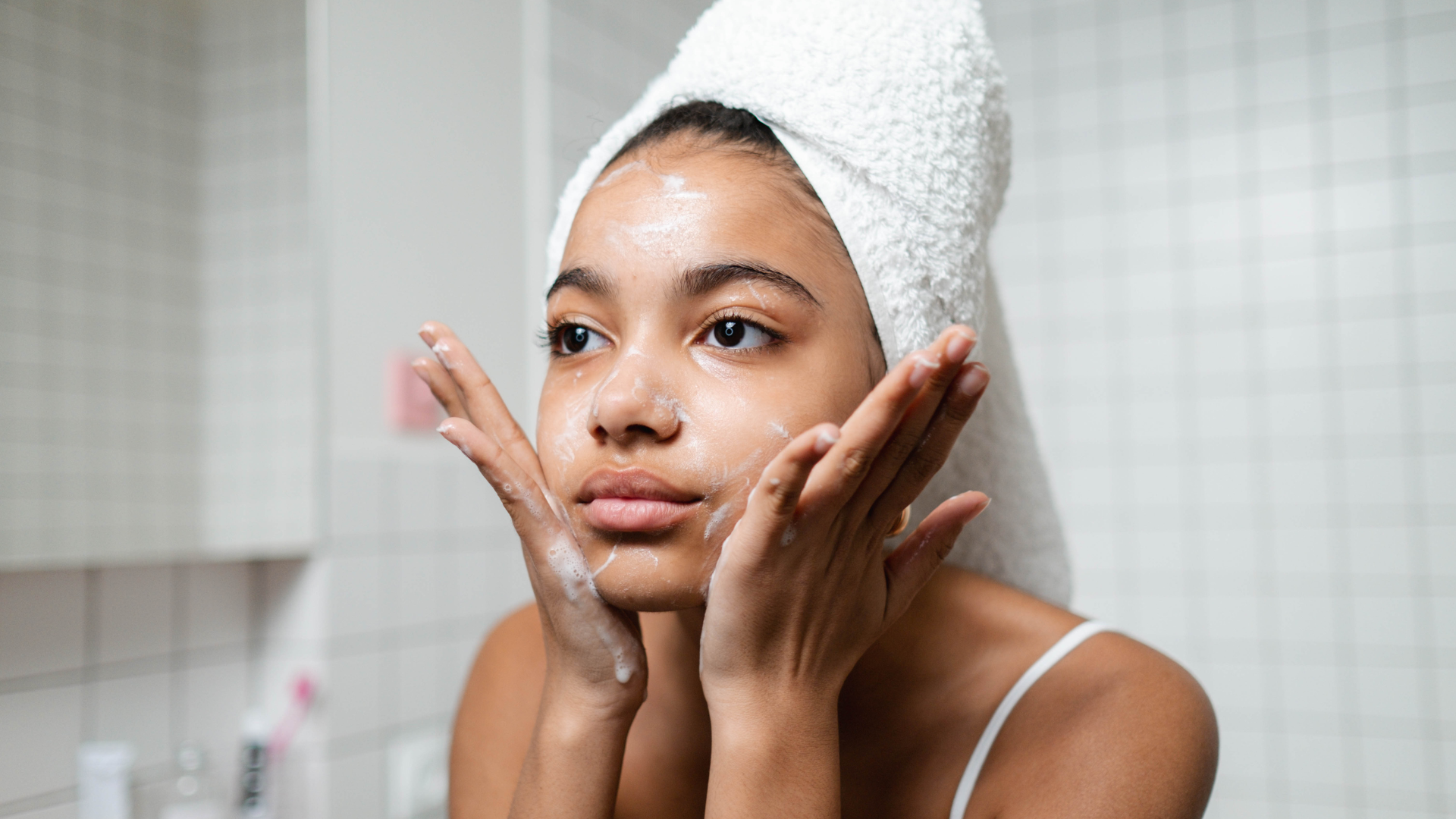
Use a gentle cleanser and a moisturiser that suits your skin type, such as a suitable daily use face cream formulated for everyday hydration. If the area around your mouth feels tight or flaky, avoid piling on multiple exfoliating products in an attempt to speed things up.
Hydration will not magically remove pigmentation, but it can help reduce dryness and support healthier-looking skin.
Choose Targeted Brightening Ingredients
Certain skincare ingredients are commonly used to improve the appearance of uneven skin tone.
- Niacinamide is valued for supporting the skin barrier and improving the appearance of uneven tone.
- Alpha arbutin is commonly included in brightening formulations designed to target the appearance of dark spots.
- Vitamin C provides antioxidant support and is widely used in routines focused on brighter-looking skin.
The important part is consistency. Introducing several strong ingredients at once can make it difficult to know what is helping and may increase irritation. For a broader overview, this guide on how to get rid of pigmentation on face explains how to approach this consistently.
Avoid Aggressive Exfoliation
Scrubbing harder does not make pigmentation disappear faster.
Physical scrubs, excessive acids or frequent peeling can irritate the skin, particularly around the mouth. Irritation can then make uneven pigmentation more noticeable.
A gentler approach is usually more sensible: introduce active ingredients gradually, monitor your skin and give the routine enough time to work.
A Simple Skincare Routine for Pigmentation Around the Mouth
You do not need a ten-step routine to care for uneven pigmentation, and choosing well-matched combination skin care products can make it easier to keep things simple.
Morning
- Use a gentle cleanser.
- Apply a suitable brightening or antioxidant serum.
- Moisturise if needed.
- Finish with broad-spectrum sunscreen.
Evening
- Cleanse gently.
- Apply your targeted treatment.
- Follow with a moisturiser.
- Avoid unnecessary exfoliation if the area feels irritated.
If your skin is sensitive, introduce one new active at a time and patch test when appropriate.
What Ingredients Can Support a More Even-Looking Complexion?
When choosing products, look beyond marketing claims and consider the ingredients and the overall formulation.
Niacinamide, alpha arbutin, and Vitamin C are useful ingredients to know when building a routine for uneven-looking skin. Wildflower Naturals currently offers a Kumkumadi & Donkey Milk Face Serum with 10% Niacinamide & 2% Alpha Arbutin, combining these targeted actives with Kumkumadi and Donkey Milk. Wildflower Naturals’ face-care range also includes products featuring Vitamin C, hyaluronic acid, rosehip oil, and other botanical ingredients.
The goal should not be to make the skin lighter than its natural tone. Good skincare is about supporting a healthier-looking, more even complexion while respecting your skin's natural character. If you're looking for a longer-term approach, this guide on how to remove pigmentation from face permanently cream covers what to consider.
Can Home Remedies Help?
Searches for pigmentation around mouth causes often lead people towards kitchen remedies such as lemon juice, baking soda, or abrasive scrubs.
It is better to be cautious.
Lemon juice and baking soda can be irritating, particularly on delicate facial skin. Scrubbing repeatedly can also worsen dryness and inflammation.
A safer “natural” approach is not necessarily about finding an ingredient from your kitchen. It is about keeping the routine gentle, protecting the skin from the sun, maintaining hydration, and choosing well-formulated products.
Natural ingredients can still irritate skin, so “natural” should never be treated as a guarantee that something is suitable for everyone.
How Long Does Pigmentation Around the Mouth Take to Fade?
The timeline depends on the pigmentation around mouth causes, how long the discoloration has been present, your skin's response, and whether the original trigger is still present.
Mild pigmentation may gradually look less noticeable over several weeks, while deeper or longstanding discoloration can take several months. Hormonal pigmentation may also return when the underlying trigger remains.
Consistency matters more than constantly changing products. If a routine is working comfortably, give it reasonable time rather than replacing it every few days.
When Should You See a Dermatologist?
Not every dark patch requires medical treatment, but some situations deserve professional attention.
Consider seeing a dermatologist if:
- Pigmentation appears suddenly.
- The area continues becoming darker.
- There is persistent itching, burning, redness, or scaling.
- The pigmentation does not improve despite a gentle routine.
- You suspect a medication, hormonal, or nutritional cause.
- You have other unexplained symptoms.
A dermatologist can assess the appearance and history of the pigmentation and determine whether further investigation or professional treatment is appropriate.
Give Your Skin a More Thoughtful Approach With Wildflower Naturals
Understanding pigmentation around mouth causes is only the beginning. The real difference comes from what you do consistently afterwards: protect your skin from the sun, avoid unnecessary irritation, support your skin barrier, and choose ingredients that fit your routine.
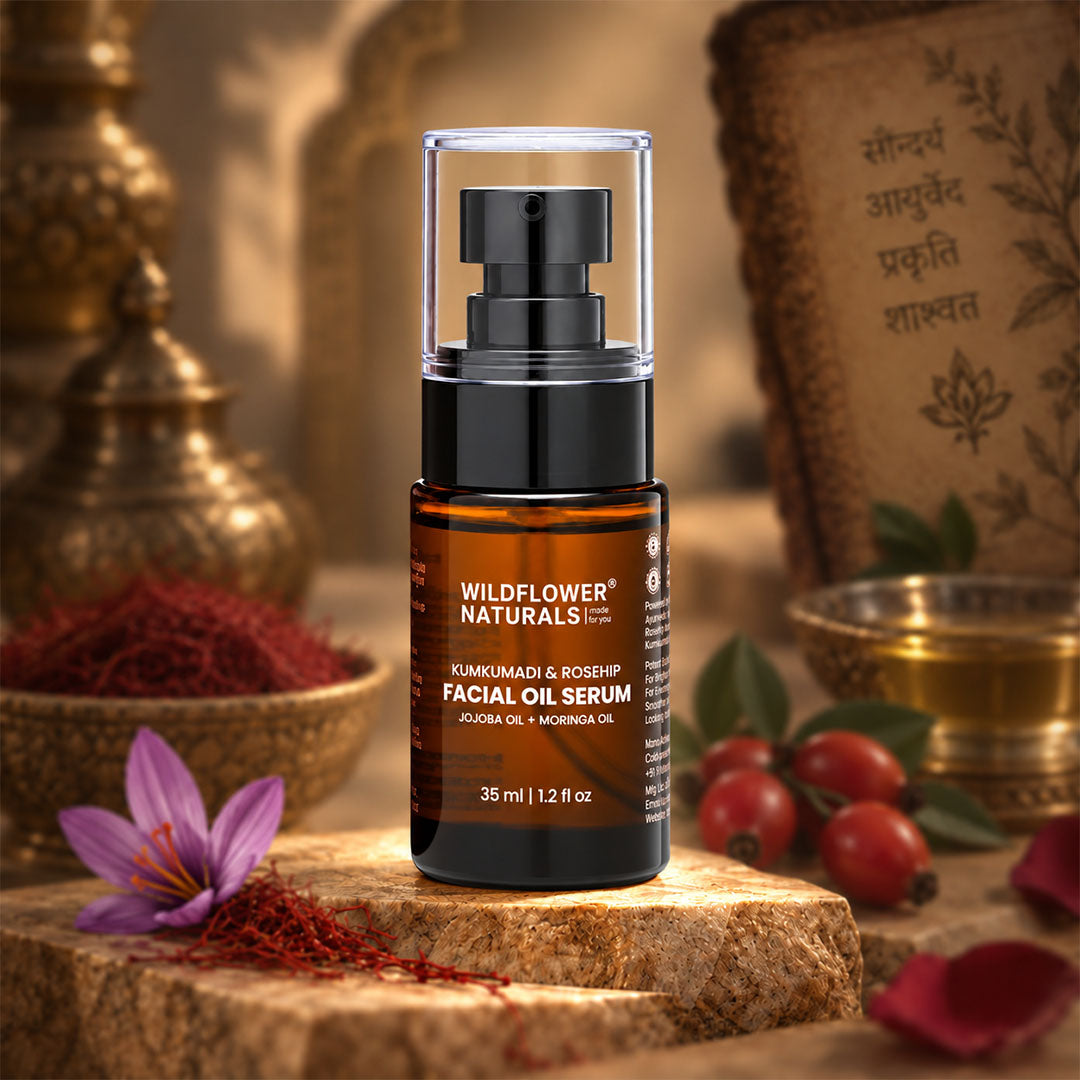
At Wildflower Naturals, the approach brings together botanical ingredients and modern skincare actives rather than treating “natural” and “effective” as opposites. The current face-care range includes the Kumkumadi & Donkey Milk Face Serum with 10% Niacinamide & 2% Alpha Arbutin, Kumkumadi & Donkey Milk Brightening Face Cream with Hyaluronic Acid + Rosehip Oil, and Kumkumadi & Donkey Milk SPF 50 Dew Drops Invisible Sunscreen.
If uneven tone is part of your skincare concern, explore the range and build a routine that feels simple enough to follow, and thoughtful enough to stick with.
Explore Wildflower Naturals Face Care and discover a more mindful way to care for your skin.
Frequently Asked Questions
Q1. How can I reduce pigmentation around my mouth naturally?
Use daily sunscreen, keep the skin moisturised, avoid irritation, and consider gentle ingredients such as niacinamide or alpha arbutin. Consistency is more useful than harsh DIY remedies.
Q2. Can sunscreen help with pigmentation around the mouth?
Yes. Sunscreen helps prevent UV exposure from worsening existing discoloration and supports the results of a pigmentation-focused skincare routine.
Q3. Is niacinamide good for pigmentation around the mouth?
Niacinamide is commonly used to support the skin barrier and improve the appearance of uneven skin tone. It can be a useful part of a consistent routine.
Q4. Will pigmentation around the mouth go away on its own?
It depends on the cause. Pigmentation linked to temporary irritation may fade after the trigger is removed, while hormonal or longstanding pigmentation may need ongoing skincare or professional treatment.
Q5. What are the main pigmentation around mouth causes?
Common contributors include sun exposure, hormonal changes, post-inflammatory pigmentation, dryness, friction, irritation, and reactions to skincare or cosmetic products.
Q6. Why does pigmentation around my mouth keep coming back?
Recurring sun exposure, hormonal changes, inflammation, irritation and inconsistent skincare can all contribute to pigmentation returning. Identifying the underlying trigger is important.
Q7. How long does it take to fade pigmentation around the mouth?
Some mild discoloration may improve within weeks, while deeper or longstanding pigmentation can take several months. Results vary depending on the cause and consistency of care.
Q8. Can I use brightening products around my mouth?
Yes, but choose products formulated for facial use and introduce active ingredients gradually. Stop if you experience persistent burning, redness or irritation and seek professional advice if needed.




Leave a comment
This site is protected by hCaptcha and the hCaptcha Privacy Policy and Terms of Service apply.