

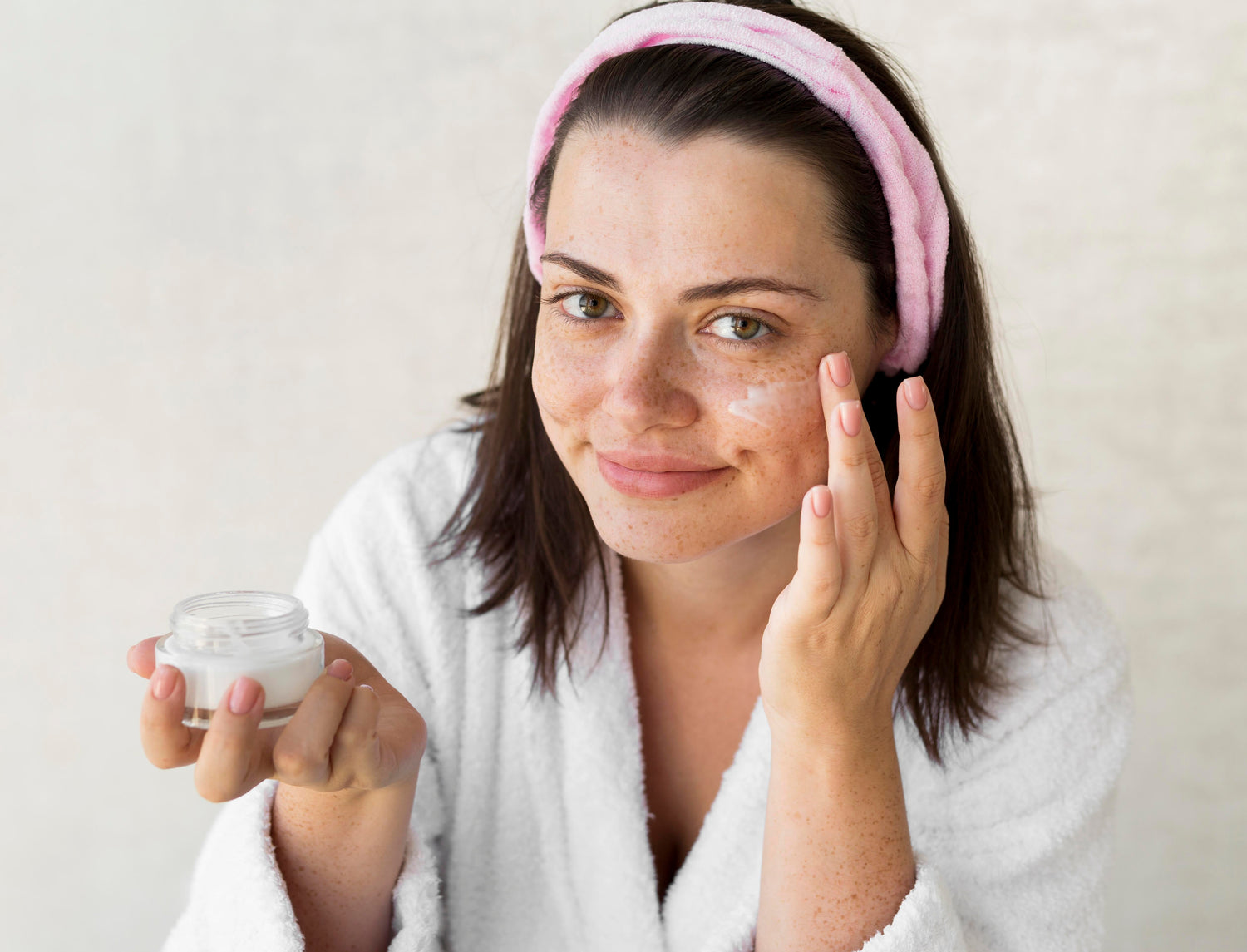
The best cream for pigmentation depends on your skin type, the cause of pigmentation, and the ingredients used in the formula. Dermatologists commonly recommend ingredients like niacinamide, alpha arbutin, vitamin C, kojic acid, and sunscreen because they help reduce dark spots, improve uneven skin tone, and support healthier skin over time.
If you’re wondering which cream is best for pigmentation, the answer lies in choosing ingredients that target dark spots gently while protecting your skin barrier. From sun damage and acne marks to hormonal pigmentation, different concerns need different solutions. At Wildflower Naturals, skincare is approached with a balance of botanical nourishment and science-backed ingredients that support naturally radiant, even-toned skin without harsh treatments.
What Is Pigmentation and Why Does It Happen?
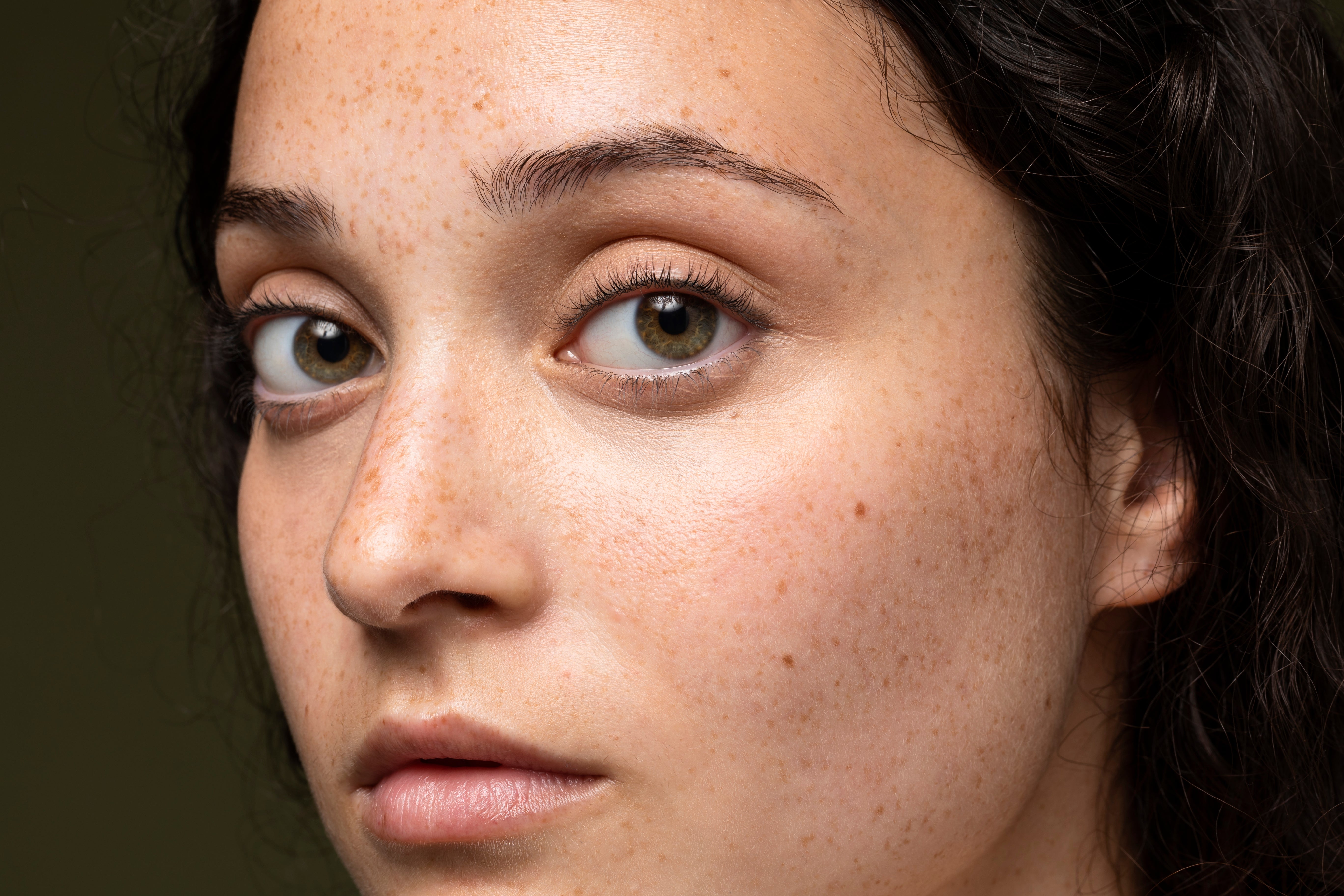
Pigmentation occurs when the skin produces excess melanin in certain areas, leading to patches, dark spots, or uneven skin tone. It can affect people of all skin types and often appears on the face, especially around the cheeks, forehead, chin, and upper lip.
Common Types of Pigmentation
|
Type |
Description |
|
Melasma |
Hormonal pigmentation commonly triggered by pregnancy or sun exposure |
|
Post-Inflammatory Hyperpigmentation (PIH) |
Dark marks left after acne, irritation, or injury |
|
Sun Spots |
Pigmentation caused by prolonged UV exposure |
|
Acne Marks |
Spots that remain after breakouts heal |
Main Causes of Pigmentation
- Excessive sun exposure
- Hormonal fluctuations
- Acne and skin inflammation
- Harsh skincare products
- Skin barrier damage
- Lack of sunscreen use
Many people searching for which cream is best for pigmentation often overlook the importance of identifying the root cause before choosing a product. Understanding how to remove pigmentation from face permanently cream can help you match the right active ingredients to your specific pigmentation type for more targeted results.
Which Cream Is Best for Pigmentation? Ingredients That Actually Work
When selecting a pigmentation cream, ingredients matter more than packaging claims. Dermatologists usually recommend formulations that brighten skin gradually without damaging the skin barrier.
1. Niacinamide
Niacinamide is one of the most trusted skincare ingredients for uneven skin tone.
Benefits:
- Helps fade dark spots
- Reduces redness and inflammation
- Supports the skin barrier
- Controls excess oil production
It works particularly well for acne-prone and sensitive skin.
2. Alpha Arbutin
Alpha arbutin helps reduce melanin production gently, making it ideal for stubborn pigmentation.
Benefits:
- Brightens dull skin
- Reduces acne marks
- Improves skin clarity
- Suitable for most skin types
People researching which cream is best for pigmentation often prefer alpha arbutin because it delivers visible results without excessive irritation.
The Wildflower Naturals Kumkumadi & Donkey Milk Face Serum with 10% Niacinamide + 2% Alpha Arbutin is designed to support pigmentation-prone skin while maintaining hydration and skin barrier balance.

3. Vitamin C
Vitamin C is a powerful antioxidant that protects skin from environmental stress.
Benefits:
- Reduces sun-induced pigmentation
- Boosts natural glow
- Supports collagen production
- Improves uneven texture
Those looking for a daily brightening solution can also explore a dedicated skin brightening cream with Vitamin C and complementary actives that work together to reduce discoloration and support a more even complexion.
4. Kojic Acid
Kojic acid is widely used in pigmentation treatments because it targets melanin formation directly.
Benefits:
- Helps reduce dark patches
- Works well for sun spots
- Improves overall brightness
5. Hydrating Ingredients
Hydration plays an important role in pigmentation recovery because dehydrated skin can become more sensitive and irritated.
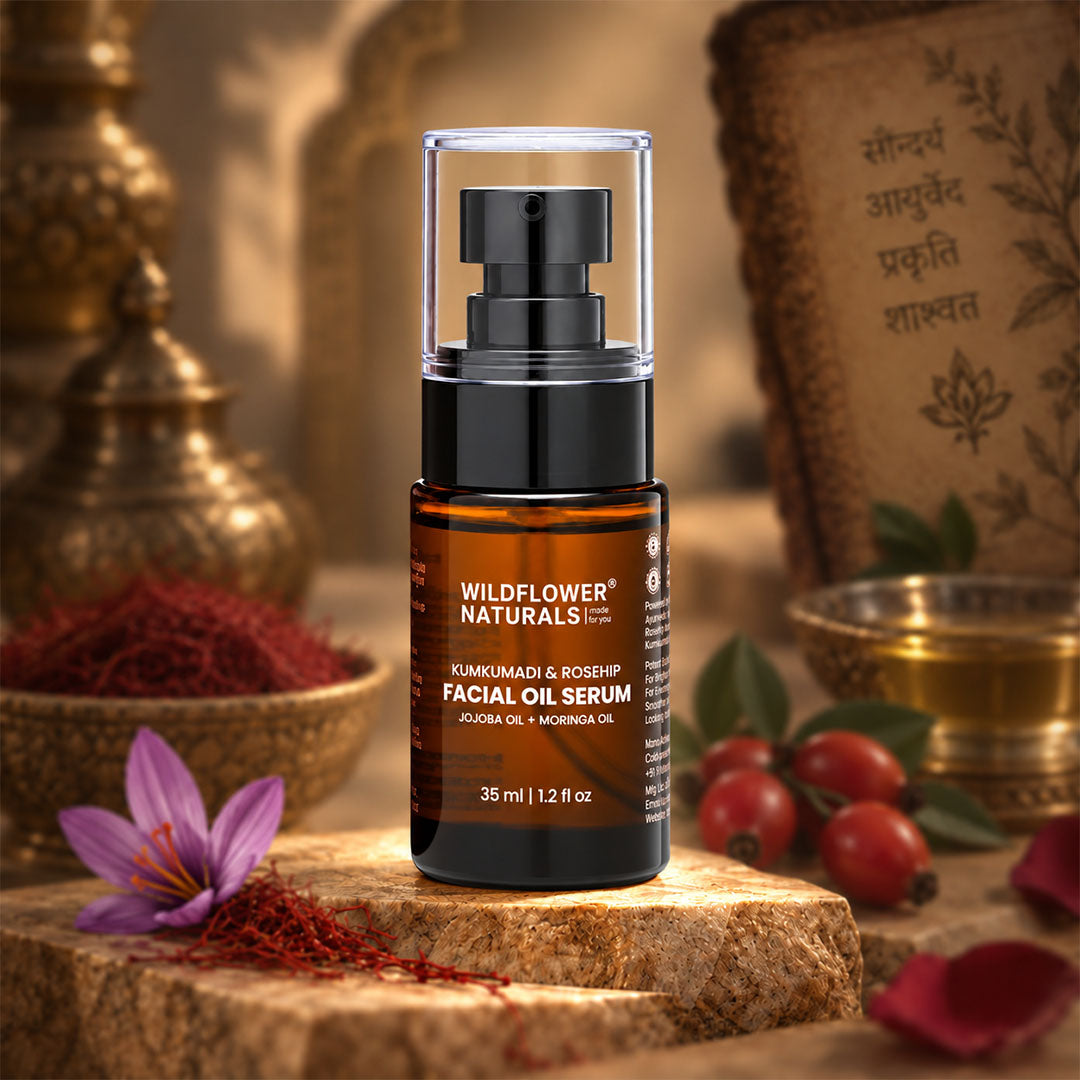
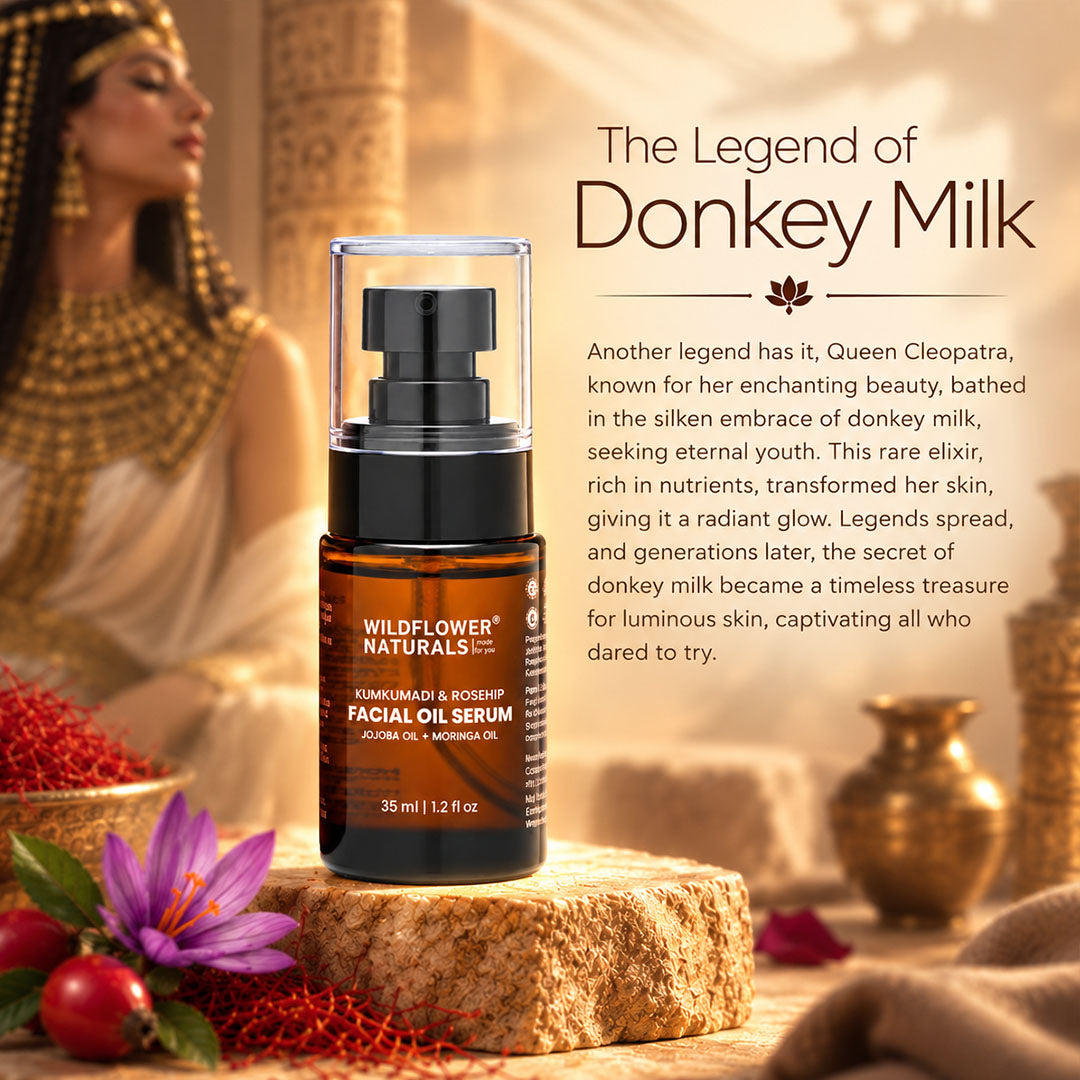
Products enriched with nourishing oils and moisture-supporting ingredients can help maintain skin comfort during brightening treatments. The Wildflower Naturals Kumkumadi & Rosehip Facial Oil Serum helps support skin nourishment while improving the appearance of dull, tired-looking skin.

Why Rosehip Oil Helps:
- Rich in antioxidants
- Supports skin repair
- Helps improve uneven texture
- Adds nourishment without heaviness
How to Choose the Right Pigmentation Cream for Your Skin Type
Not every cream suits every skin type. Choosing the wrong formula may worsen irritation and dark spots.
For Oily Skin
Choose:
- Lightweight gel creams
- Niacinamide-based formulas
- Non-comedogenic products
For Dry and Dull Skin
Cream-based formulations with brightening and nourishing ingredients are often ideal for dry skin experiencing pigmentation.
The Wildflower Naturals Kumkumadi & Donkey Milk Brightening Face Cream combines traditional Ayurvedic ingredients with skin-conditioning actives that help support a naturally radiant complexion.
Suitable For:
- Dry skin
- Dull and uneven skin tone
- Skin exposed to environmental stress
For Sensitive Skin
Choose:
- Fragrance-free formulas
- Gentle botanical ingredients
- Minimal active combinations
For Combination Skin
Balanced formulations with hydration and brightening ingredients usually work best.
Understanding your skin type is essential when deciding which cream is best for pigmentation for long-term results. Browsing thoughtfully curated face care products suited to your skin type can help you build a complete routine that supports pigmentation correction without disrupting your skin barrier.
Ingredients You Should Avoid in Pigmentation Creams
Some products may promise instant fairness or rapid spot removal, but harsh formulations can damage the skin over time.
Avoid:
- Steroid-based creams
- Mercury-containing products
- Strong bleaching agents
- Excessive exfoliating acids
Why?
These ingredients may temporarily lighten the skin but can lead to:
- Thinning skin
- Sensitivity
- Increased pigmentation
- Skin irritation
Dermatologist-Recommended Skincare Routine for Pigmentation
Consistency matters more than using too many products.
Morning Routine
- Gentle cleanser
- Vitamin C or niacinamide serum
- Pigmentation cream
- SPF 50 sunscreen
For daytime protection, the Wildflower Naturals SPF 50 Dew Drops Sunscreen helps protect the skin from UV exposure, which is one of the biggest triggers of pigmentation and dark spots.

Night Routine
- Mild cleanser
- Repair serum
- Hydrating moisturizer
Why Sunscreen Is Essential
Without sunscreen, pigmentation treatments become far less effective.
UV exposure:
- Triggers melanin production
- Darkens existing spots
- Slows skin recovery
Anyone searching for which cream is best for pigmentation should understand that sunscreen is equally important. Learning how to brighten your face with a combination of sun protection and targeted treatments can help you build a more complete and effective daily approach.
Natural vs Clinical Pigmentation Creams
Modern skincare increasingly combines natural ingredients with science-backed actives for safer, long-term results.
Natural Ingredients
Examples:
- Kumkumadi oil
- Rosehip oil
- Licorice extract
- Aloe vera
Benefits
- Gentle on sensitive skin
- Nourishing and soothing
- Suitable for long-term use
Clinical Ingredients
Examples:
- Niacinamide
- Alpha arbutin
- Vitamin C
- Kojic acid
Benefits
- Target pigmentation directly
- Deliver visible brightening results
The best formulations often combine both approaches effectively. For those who want to explore gentle and natural methods alongside topical treatments, how to brighten face naturally offers practical lifestyle and skincare tips that complement your cream-based routine without overwhelming the skin.
Common Mistakes People Make While Treating Pigmentation
- Expecting Overnight Results: Pigmentation takes time to fade.
- Using Too Many Active Ingredients: Overloading the skin can cause irritation.
- Skipping Sunscreen: This is one of the biggest reasons pigmentation returns.
- Frequently Switching Products: Consistency is key for visible improvement.
People wondering which cream is best for pigmentation often focus only on products while ignoring skincare habits. Men in particular often skip dedicated skincare routines entirely, and exploring men's face care products designed for pigmentation and barrier health can help build a consistent daily practice that actually delivers results.
How Long Does It Take for Pigmentation Creams to Work?
Results depend on the type and severity of pigmentation.
|
Pigmentation Type |
Expected Timeline |
|
Mild acne marks |
4–6 weeks |
|
Sun spots |
6–8 weeks |
|
Melasma |
8–12 weeks or longer |
Factors that affect results:
- Daily sunscreen use
- Product consistency
- Skin type
- Lifestyle habits
Best Ingredients to Pair With Pigmentation Creams
- SPF Protection: Prevents new pigmentation.
- Gentle Cleansers: Protect the skin barrier.
- Hydrating Serums: Reduce dryness and irritation.
- Barrier-Repair Moisturizers: Support healthy skin healing.
When deciding which cream is best for pigmentation, supporting products matter just as much as the cream itself.
Why Gentle Brightening Formulas Are Becoming More Popular
Consumers today are moving away from harsh bleaching treatments and choosing skincare that supports long-term skin health.
Modern skincare trends focus on:
- Skin barrier repair
- Botanical nourishment
- Safe brightening ingredients
- Consistent hydration
- Sustainable skincare habits
This shift has made ingredient transparency more important than ever. For those who want to maintain their brightening results day to day, adding a nourishing skin glow cream to the routine can help sustain radiance and prevent dullness from returning between targeted pigmentation treatments.
Final Thoughts
If you’re still wondering which cream is best for pigmentation, the answer depends on your skin type, lifestyle, and the ingredients used in the formulation. Effective pigmentation care is rarely about instant results. Instead, it’s about consistency, gentle skincare, and protecting the skin barrier over time.
The most effective creams usually contain ingredients like niacinamide, alpha arbutin, vitamin C, and hydrating botanical extracts that support gradual brightening without damaging the skin.
Support Your Glow Journey with Wildflower Naturals
Healthy, radiant skin begins with thoughtful skincare choices. Wildflower Naturals combines botanical ingredients with modern skincare science to create gentle formulations designed for pigmentation-prone and uneven skin.
From brightening serums and nourishing creams to SPF protection and hydrating oils, every formulation is crafted to support naturally glowing, balanced skin without harsh ingredients.
Explore skincare rituals that help your skin feel healthy, calm, and visibly brighter with consistent care.
Frequently Asked Questions
Q1. How do pigmentation creams work?
Pigmentation creams work by reducing excess melanin production, improving skin cell turnover, and supporting skin repair using ingredients like niacinamide, vitamin C, and alpha arbutin.
Q2. How long does it take to fade pigmentation?
Mild pigmentation may improve within 4–6 weeks, while deeper pigmentation like melasma may take several months with consistent skincare and sunscreen use.
Q3. Can pigmentation disappear completely?
Some pigmentation can fade significantly with proper treatment, but deeper or hormonal pigmentation may require long-term maintenance.
Q4. Can sunscreen prevent pigmentation?
Yes. Daily sunscreen helps prevent UV-triggered dark spots and stops existing pigmentation from becoming darker.
Q5. Is vitamin C good for pigmentation?
Yes. Vitamin C helps brighten uneven skin tone, reduce oxidative damage, and improve skin radiance over time.
Q6. Is it safe to use pigmentation creams daily?
Most gentle formulations are designed for daily use, but strong active ingredients should be introduced gradually to avoid irritation.
Q7. Will pigmentation return after treatment?
Pigmentation can return if skin is exposed to excessive sunlight or if the underlying cause is not addressed. Consistent sunscreen use is essential.
Q8. What causes pigmentation on the face and why does it worsen?
Pigmentation is caused by excess melanin production triggered by sun exposure, hormones, acne, or skin irritation. It often worsens due to UV damage, harsh products, and lack of sunscreen protection.




Leave a comment
This site is protected by hCaptcha and the hCaptcha Privacy Policy and Terms of Service apply.