

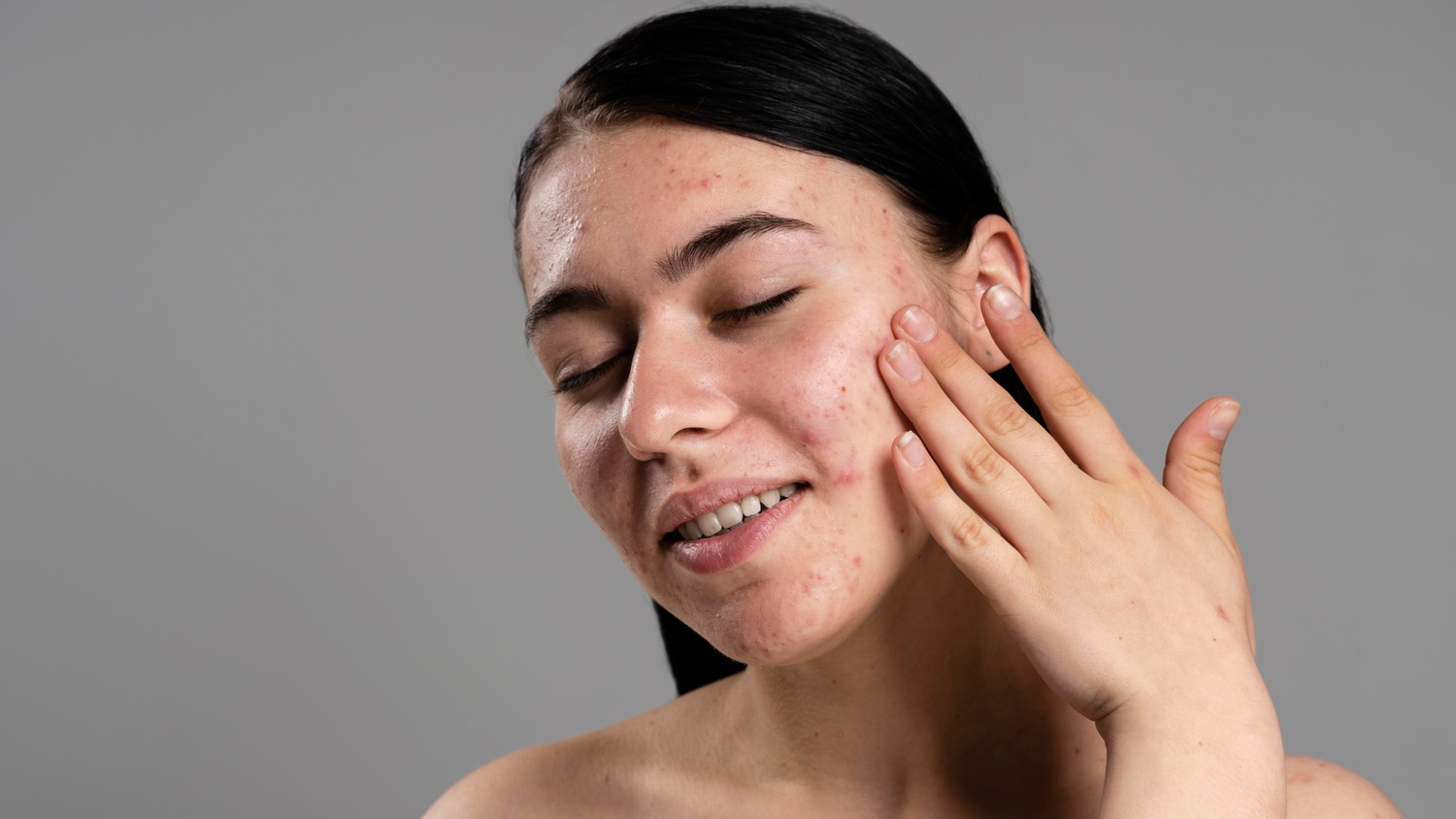
How to reduce acne redness starts with calming inflammation, protecting your skin barrier, and following a gentle skincare routine. Cleanse with a mild face wash, keep skin hydrated, avoid picking pimples, wear sunscreen daily, and use soothing ingredients like aloe vera, niacinamide, and vitamin C. Consistency is the key to helping redness fade naturally.
Acne redness is your skin's natural response to inflammation, but it doesn't have to linger. How to reduce acne redness effectively depends on using the right skincare habits, avoiding irritation, and supporting your skin's healing process. At Wildflower Naturals, we believe healthy skin starts with gentle, plant-powered care that nourishes without overwhelming your skin. Here's everything you need to know to calm redness and restore a healthier-looking complexion.
What Causes Acne Redness?
Before learning how to reduce acne redness, it's important to understand why your skin turns red in the first place.
Redness develops because your body increases blood flow to the affected area while fighting inflammation caused by clogged pores and acne-causing bacteria. Although this is a normal healing response, certain habits can make redness last much longer.
Inflammation During Acne Breakouts
Every pimple triggers an inflammatory response. As your immune system works to repair damaged skin, blood vessels expand around the blemish, creating visible redness and swelling. Understanding what is acne prone skin can help you recognize why this response happens so frequently.
Picking or Squeezing Pimples
One of the biggest reasons acne redness persists is touching or popping pimples. This damages the surrounding tissue, increases inflammation, and may leave long-lasting post-acne marks.
A Damaged Skin Barrier
Using harsh cleansers, over-exfoliating, or applying too many acne treatments at once weakens your skin's protective barrier. When this happens, skin becomes more sensitive, making redness appear worse and heal more slowly.
Post-Inflammatory Erythema (PIE)
Sometimes the pimple has healed, but the redness remains. This lingering redness is known as post-inflammatory erythema, which occurs when tiny blood vessels remain dilated after inflammation subsides. This is closely related to how long does it take for acne scars to fade, since both involve the skin's natural healing timeline.
How to Reduce Acne Redness Naturally
If you're wondering how to reduce acne redness, a consistent and gentle skincare routine can make a noticeable difference over time.
Cleanse Your Skin Gently
Choose a mild cleanser that removes excess oil, dirt, and impurities without stripping away your skin's natural moisture.
Avoid:
-
Harsh scrubs
-
Alcohol-based cleansers
-
Hot water
Gentle cleansing keeps inflammation under control while supporting your skin's natural repair process.
Keep Your Skin Hydrated
Well-hydrated skin recovers more efficiently from acne and irritation. Moisturizing also strengthens the skin barrier, helping reduce visible redness. Choosing from a range of face care products formulated for hydration can support this process.
The Wildflower Naturals Kumkumadi & Donkey Milk Brightening Face Cream is enriched with nourishing botanical ingredients that help replenish moisture while leaving skin feeling soft and comfortable.
Balance Your Skin with a Gentle Toner
A good toner helps remove residual impurities while maintaining your skin's natural pH balance.
The Wildflower Naturals Apple Cider Vinegar Face Toner (Normal to Oily Skin) is formulated to refresh the skin, balance excess oil, and prepare it for the rest of your skincare routine without leaving it feeling dry.
Never Skip Sunscreen
Sun exposure can make acne redness appear darker and more noticeable while slowing your skin's natural healing process.
Daily broad-spectrum sun protection helps minimize additional irritation and protects healing skin from UV damage.
The Wildflower Naturals SPF 50 Dew Drops Invisible Sunscreen offers lightweight daily protection without feeling heavy on the skin.
Soothe Skin with Cooling Ingredients
Certain ingredients naturally help calm irritated skin.
Look for products containing:
-
Aloe vera
-
Green tea extract
-
Hyaluronic acid
-
Chamomile
-
Calendula
These ingredients help maintain hydration while providing a soothing effect.
Avoid Touching Your Face
Even clean hands transfer bacteria, oil, and dirt to your skin.
Avoiding unnecessary touching helps prevent further inflammation and allows acne to heal more effectively.
Ingredients That Help Calm Acne Redness
When choosing skincare, look for ingredients that support healing rather than simply drying out blemishes.
Niacinamide
Niacinamide helps strengthen the skin barrier while improving the appearance of uneven skin tone and visible redness, which is one reason many people ask does niacinamide help with acne in the first place.
Aloe Vera
Known for its soothing properties, aloe vera helps cool irritated skin while providing lightweight hydration.
Vitamin C
Vitamin C supports brighter-looking skin and helps improve overall skin radiance as acne marks begin to fade, making a skin brightening cream a useful addition to your routine.
The Wildflower Naturals Skin Renewal Cream with Vitamin C combines nourishing ingredients that help support healthier-looking skin while maintaining hydration.
Hyaluronic Acid
Hydrated skin heals better. Hyaluronic acid attracts moisture to the skin, helping maintain softness and comfort.
Botanical Oils
Natural oils such as:
-
Rosehip Oil
-
Kumkumadi Oil
-
Jojoba Oil
help nourish the skin barrier without making skin feel heavy when used appropriately.
Skincare Habits That Can Make Acne Redness Worse
Even the best products cannot compensate for habits that repeatedly irritate your skin.
Avoid:
-
Over-exfoliating
-
Using multiple active ingredients together
-
Scrubbing pimples
-
Washing your face too often
-
Skipping moisturizer
-
Ignoring sunscreen
Gentle, consistent care almost always delivers better long-term results than aggressive treatments.
A Simple Morning Routine for Redness-Prone Skin
Step 1: Cleanse
Use a gentle cleanser suitable for your skin type.
Step 2: Tone
Apply the Wildflower Naturals Apple Cider Vinegar Face Toner to refresh and balance your skin.
Step 3: Moisturize
Choose either the Skin Renewal Cream with Vitamin C or the Kumkumadi & Donkey Milk Brightening Face Cream depending on your skin's hydration needs.
Step 4: Protect
Finish with the Wildflower Naturals SPF 50 Dew Drops Invisible Sunscreen every morning.
This simple routine supports your skin while helping reduce daily irritation, and pairing it with suitable organic face care products can further enhance results.
A Night Routine to Calm Acne Redness
Your skin naturally repairs itself while you sleep, making nighttime skincare especially important.
Follow these steps:
-
Cleanse gently.
-
Apply your toner.
-
Moisturize well.
-
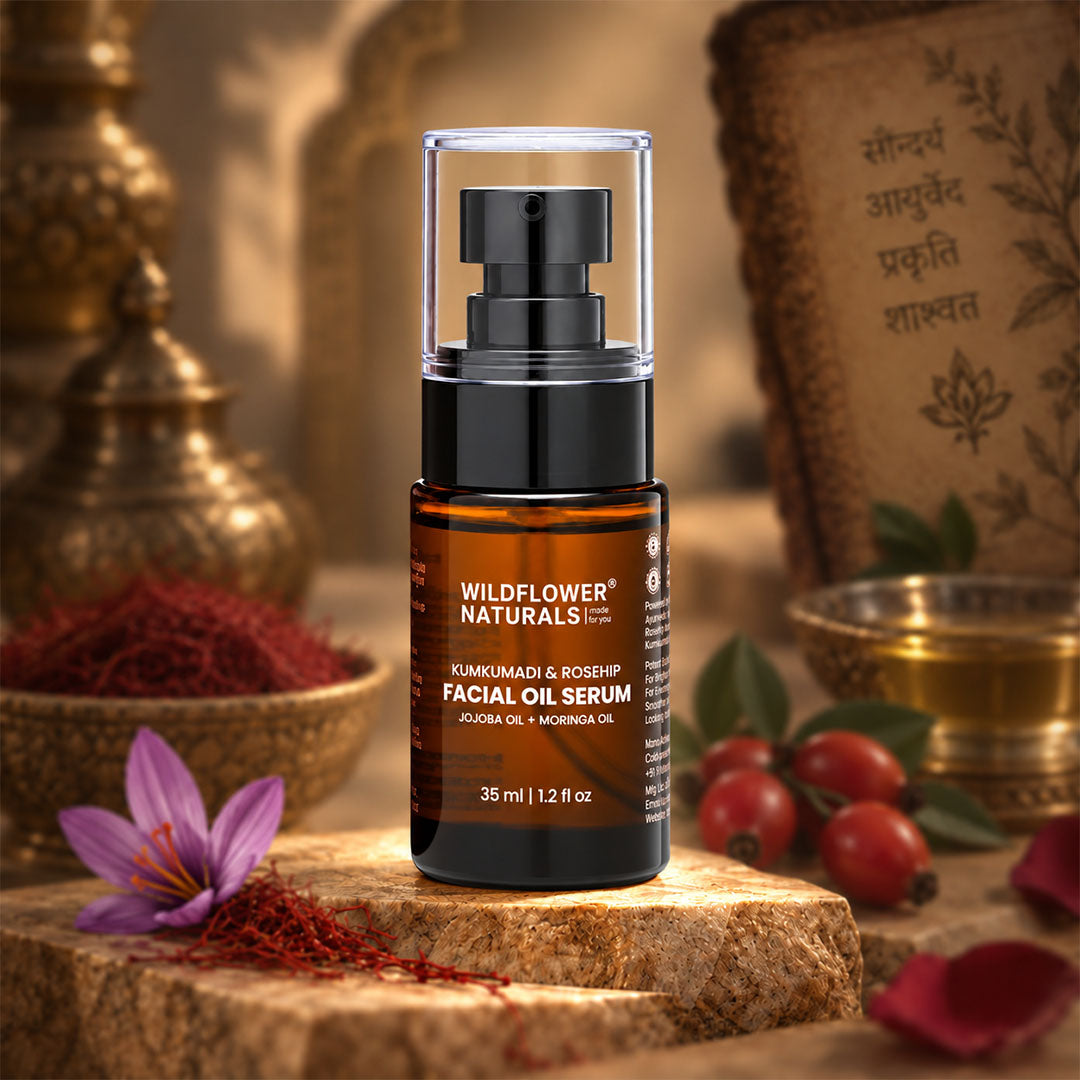
Finish with the Wildflower Naturals Kumkumadi & Rosehip Facial Oil Serum to help nourish the skin overnight and lock in moisture.
A consistent evening routine is one of the most effective ways to support skin recovery.
When Should You See a Dermatologist?
While most acne redness improves gradually, professional advice may be helpful if:
-
Redness persists for several months.
-
You have painful cystic acne.
-
Breakouts become frequent or severe.
-
Your skin develops signs of infection.
-
Over-the-counter skincare provides little improvement.
A dermatologist can determine whether additional treatments may be appropriate for your skin concerns, though a good men's face care kit can often support daily maintenance in the meantime.
Final Thoughts
Learning how to reduce acne redness is less about finding an instant fix and more about building healthy skincare habits that support your skin every day. A gentle routine, proper hydration, daily sun protection, and soothing ingredients can all help minimize visible redness while allowing your skin to heal naturally. With patience and consistency, you can improve your skin's appearance without causing additional irritation.
Restore Calm, Healthy-Looking Skin with Wildflower Naturals
Healthy skin thrives on gentle, consistent care. If you're looking for a skincare routine that helps comfort redness while supporting your skin barrier, explore the thoughtfully crafted range from Wildflower Naturals. From the Apple Cider Vinegar Face Toner and Skin Renewal Cream with Vitamin C to the Kumkumadi & Donkey Milk Brightening Face Cream, Kumkumadi & Rosehip Facial Oil Serum, and SPF 50 Dew Drops Invisible Sunscreen, each product is designed to nourish, hydrate, and protect your skin. Discover the Wildflower Naturals collection and build a routine that supports calmer, healthier-looking skin every day.
Frequently Asked Questions
Q1. How long does acne redness take to fade?
For mild breakouts, redness may improve within a few days to a few weeks. Post-inflammatory redness can sometimes take several weeks or months, depending on your skin type and how well you protect your skin.
Q2. How can I reduce acne redness overnight?
While redness rarely disappears overnight, applying a cold compress, avoiding touching the area, moisturizing well, and getting enough sleep may help calm visible inflammation by the next morning.
Q3. Can sunscreen help reduce acne redness?
Yes. Sunscreen doesn't remove redness instantly, but it prevents UV exposure from making post-acne redness appear darker and helps support the skin's healing process.
Q4. Can natural ingredients calm acne redness?
Yes. Ingredients like aloe vera, chamomile, green tea, hyaluronic acid, and niacinamide are widely used to soothe irritated skin and maintain a healthy skin barrier.
Q5. Is it okay to pop pimples to reduce redness?
No. Popping pimples usually increases inflammation, prolongs healing, and raises the risk of scarring or long-lasting post-acne marks.
Q6. Will acne redness go away on its own?
In many cases, yes. Mild redness often fades naturally with gentle skincare, sun protection, and patience. Persistent redness may require professional guidance.
Q7. What ingredients are best for reducing acne redness?
Some of the most commonly recommended ingredients include niacinamide, aloe vera, vitamin C, hyaluronic acid, ceramides, and calming botanical extracts that support the skin barrier.
Q8. Why does acne stay red after it heals?
After a pimple heals, tiny blood vessels beneath the skin may remain dilated, creating post-inflammatory erythema (PIE). This redness usually fades gradually as the skin continues to recover.





Leave a comment
This site is protected by hCaptcha and the hCaptcha Privacy Policy and Terms of Service apply.