


Mild post-acne marks may begin fading within a few weeks to a few months, while deeper acne scars can take several months or longer and may require professional treatment. Consistent skincare, daily sun protection, and skin-supporting ingredients can help improve the appearance of acne marks over time.
How long does it take for acne scars to fade? The answer depends on the type of scar, your skin's natural healing process, and how consistently you care for your skin. While some acne marks gradually become less noticeable, deeper scars often need additional support. At Wildflower Naturals, we believe healthy-looking skin starts with a gentle, consistent skincare routine powered by botanical ingredients. Let's explore what affects acne scar healing and what you can do to support your skin's recovery.
What Are Acne Scars?
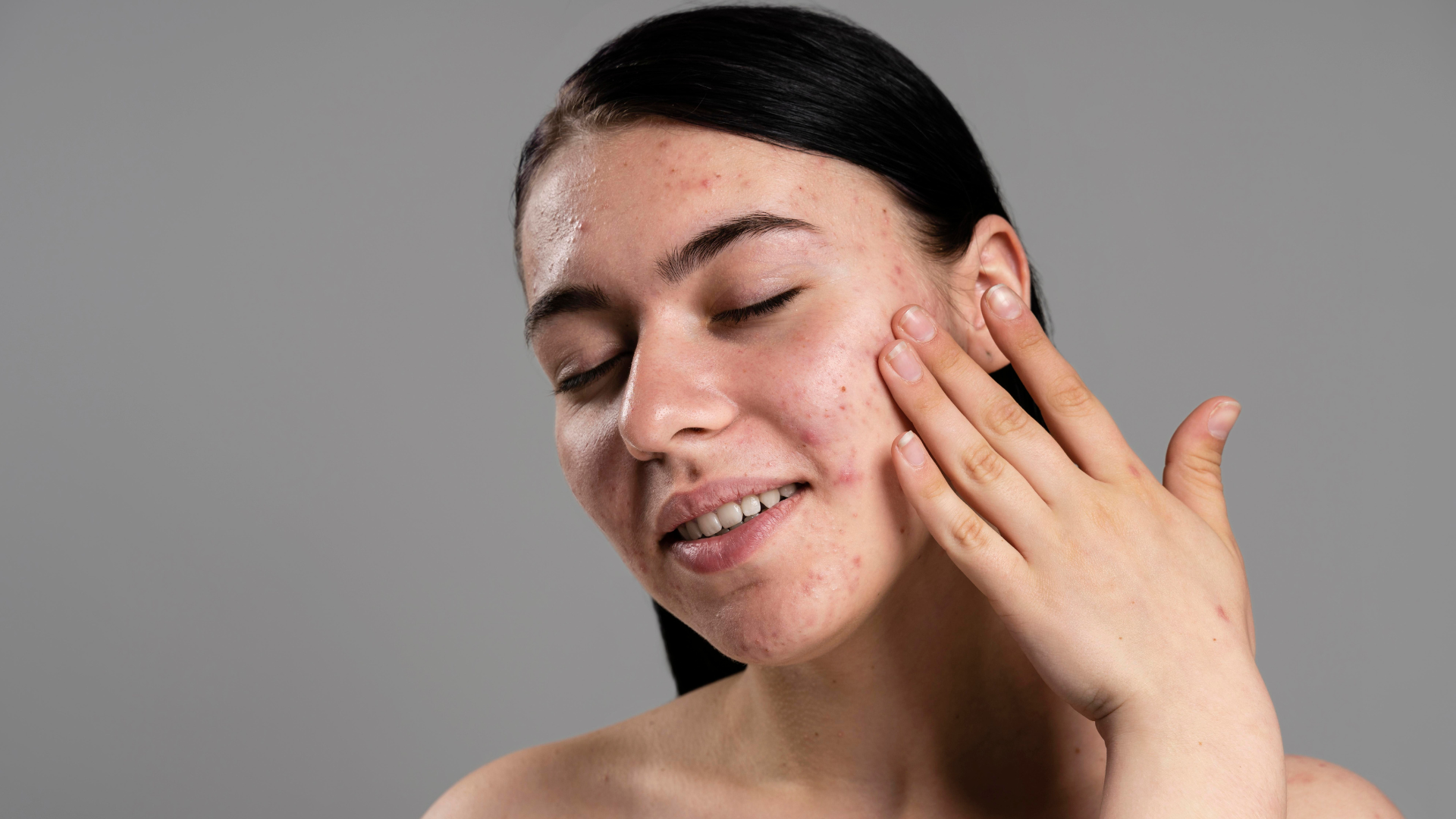
Acne may heal, but the skin doesn't always return to its original appearance immediately. In some cases, inflammation caused by breakouts can leave behind visible marks or changes in skin texture. Understanding the difference between acne marks and acne scars is the first step toward choosing the right skincare approach, much like first understanding what is acne prone skin in general.
Acne Marks vs. Acne Scars
Although people often use the terms interchangeably, they are different.
Acne marks are temporary discolorations that remain after a pimple heals. These can appear as:
-
Brown or dark spots (post-inflammatory hyperpigmentation)
-
Red or pink marks (post-inflammatory erythema)
These marks usually fade gradually as your skin renews itself.
Acne scars, on the other hand, are permanent structural changes in the skin caused by damage to collagen during the healing process. They may appear as depressions or raised areas on the skin.
Why Do Acne Scars Form?
Acne scars develop when severe inflammation damages the deeper layers of the skin. During healing, the body produces collagen to repair the affected area. If too little collagen is produced, depressed scars may develop. If too much collagen is formed, raised scars can appear.
Several factors influence scar formation, including:
-
The severity of acne
-
Delayed treatment
-
Picking or squeezing pimples
-
Genetics
-
Skin type
How Long Does It Take for Acne Scars to Fade?
If you're wondering how long does it take for acne scars to fade, the timeline varies based on the type of mark or scar you're dealing with.
|
Type |
Estimated Timeline |
|
Mild acne marks (PIH) |
4–12 weeks |
|
Red acne marks |
1–6 months |
|
Mild superficial scars |
Several months |
|
Rolling scars |
Often require treatment |
|
Boxcar scars |
Usually improve with professional procedures |
|
Ice pick scars |
Rarely fade completely without treatment |
|
Raised scars |
Months to years depending on severity |
It's important to remember that everyone's skin heals differently. Factors such as age, skin tone, skincare habits, and sun exposure all influence how quickly improvements become visible.
Factors That Affect How Quickly Acne Scars Fade
There isn't a single answer to how long does it take for acne scars to fade because several factors influence the healing process.
-
Type of Acne Scar: The depth and severity of the scar play the biggest role. Surface discoloration typically improves faster than deeper scars caused by collagen loss.
-
Skin Type: Some skin types are more likely to develop pigmentation after inflammation, while others may scar more easily. Those with flakier or tighter-feeling skin may benefit from dry skin care products that support hydration during healing.
-
Sun Exposure: UV rays can darken acne marks and slow their fading. Wearing sunscreen daily helps protect healing skin and supports a more even-looking complexion, and understanding which serum is best for pigmentation and dark spots can further help address existing discoloration.
-
Age: Younger skin generally renews itself more quickly. As collagen production naturally slows with age, healing may take longer.
-
Skincare Routine: A gentle and consistent skincare routine helps maintain a healthy skin barrier and supports natural skin renewal. For those with combination skin, choosing suitable combination skin care products can help balance oily and dry areas at once.
-
Lifestyle Habits: Hydration, balanced nutrition, quality sleep, and avoiding smoking all contribute to healthier-looking skin over time.
Can Acne Scars Fade Naturally?
Many people ask how long does it take for acne scars to fade because they hope the scars will disappear on their own.
The answer depends on the type of skin change.
Acne Marks
Most acne marks gradually become lighter over time, especially when protected from sun exposure and supported with a suitable skincare routine.
Mild Surface Scars
Some shallow scars may become less noticeable as collagen naturally remodels the skin.
Deep Acne Scars
Deeper scars such as ice pick, rolling, and boxcar scars generally do not disappear completely without professional treatments. However, their appearance may improve with dermatologist-recommended procedures.
Best Ingredients That Help Improve the Appearance of Acne Marks
While no skincare ingredient can erase deep scars overnight, several ingredients help support brighter, healthier-looking skin and improve the appearance of post-acne marks. If you're curious whether does niacinamide help with acne, it's one of the ingredients listed below for good reason.
-
Vitamin C: Vitamin C is widely used to promote a more even-looking complexion while protecting the skin from environmental stressors.
-
Niacinamide: Known for helping improve uneven skin tone, niacinamide also supports the skin barrier and helps maintain balanced-looking skin.
-
Aloe Vera: A soothing botanical ingredient that helps calm the skin and provides lightweight hydration.
-
Rosehip Oil: Rich in essential fatty acids and antioxidants, rosehip oil helps nourish the skin and supports a healthy-looking complexion.
-
Hyaluronic Acid: Keeps the skin hydrated, making it appear smoother and healthier.
A Gentle Daily Skincare Routine for Acne-Prone Skin
Building a consistent skincare routine is one of the best ways to support healthy-looking skin, and this holds true whether you're exploring men's face care products or formulations designed for other skin types.
Step 1: Cleanse Gently
Start with a mild cleanser that removes excess oil, dirt, and impurities without stripping the skin's natural moisture.
Step 2: Tone Your Skin
The Wildflower Naturals Apple Cider Vinegar Face Toner helps refresh the skin after cleansing while supporting a balanced-feeling complexion for normal to oily skin. Exploring dedicated oily skin care products can further help manage shine throughout the day.
Step 3: Moisturize and Brighten
Follow with the Wildflower Naturals Skin Renewal Cream with Vitamin C, formulated to hydrate the skin while promoting a brighter and more even-looking complexion. Incorporating a good daily use face cream into your routine helps maintain this hydration consistently.
Step 4: Nourish Overnight
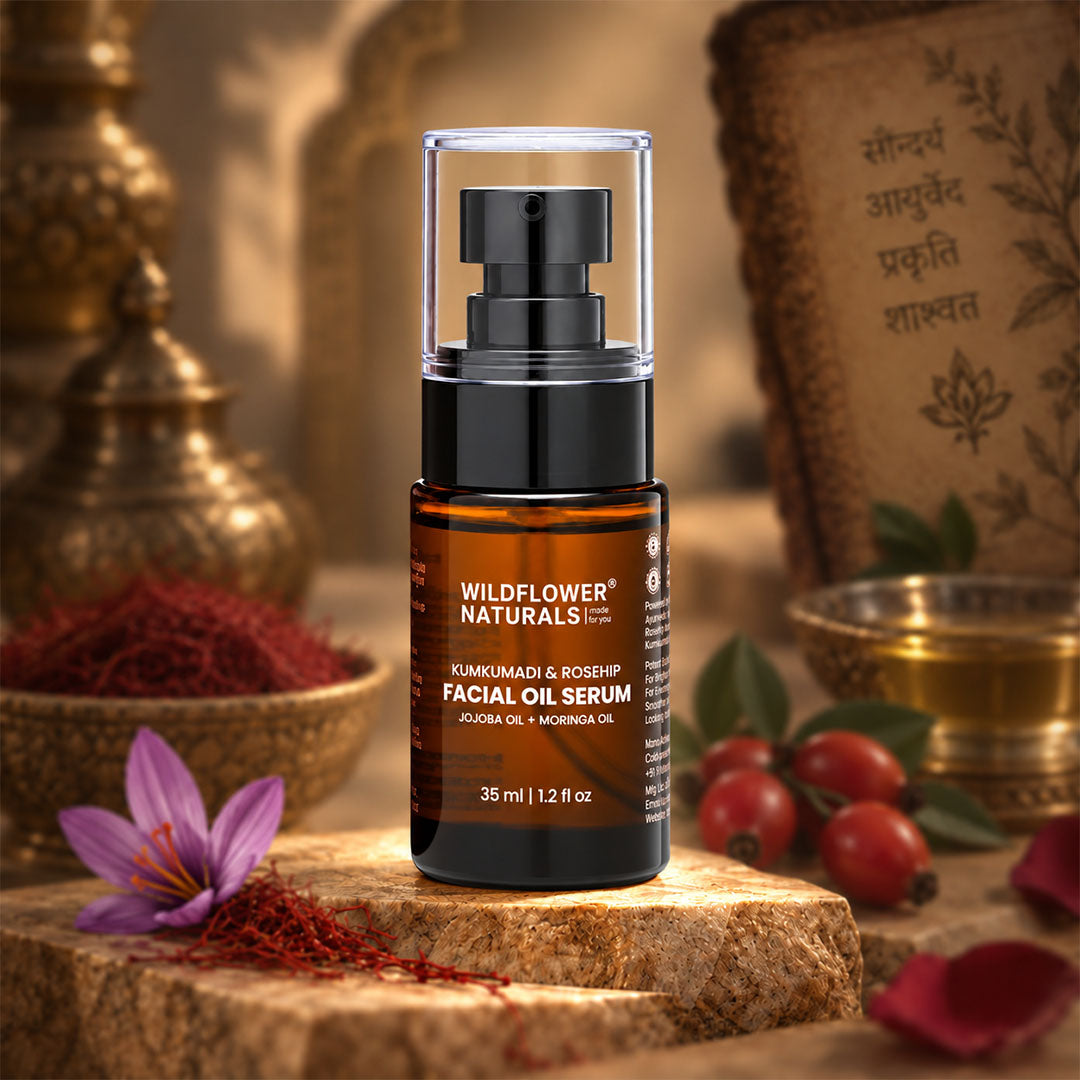
The Wildflower Naturals Kumkumadi & Rosehip Facial Oil Serum with Jojoba Oil + Moringa Oil delivers nourishing botanical oils that help support softer, healthier-looking skin.
Step 5: Weekly Skin Care
Treat your skin to a weekly ritual with either the Wildflower Naturals Neem & Turmeric Face Pack or the Kumkumadi & Donkey Illuminating Clay Mask with Niacinamide + Vitamin C to refresh the skin and promote a naturally radiant appearance.
Step 6: Never Skip Sunscreen
Daily sunscreen helps prevent acne marks from becoming darker and protects your skin while it heals.
Professional Treatments for Stubborn Acne Scars
For deeper scars, a dermatologist may recommend:
-
Microneedling
-
Chemical peels
-
Laser resurfacing
-
Subcision
-
Dermal fillers
-
Radiofrequency microneedling
These treatments work differently depending on the type and severity of acne scars.
Common Mistakes That Can Make Acne Scars Last Longer
Avoid these habits if you're trying to improve the appearance of acne marks:
-
Picking or popping pimples
-
Skipping sunscreen
-
Over-exfoliating
-
Frequently changing skincare products
-
Using harsh scrubs
-
Ignoring skin hydration
Consistency is often more beneficial than using multiple aggressive treatments.
Tips to Help Prevent Future Acne Scars
-
Treat acne early before inflammation becomes severe.
-
Avoid touching or squeezing blemishes.
-
Follow a gentle skincare routine every day.
-
Keep your skin hydrated.
-
Wear sunscreen daily.
-
Choose skincare products suitable for your skin type.
-
Be patient and allow your skin time to heal naturally.
Conclusion
Understanding how long does it take for acne scars to fade helps set realistic expectations. While mild acne marks often improve with time and consistent skincare, deeper scars may need professional treatments to achieve noticeable results. Protecting your skin from the sun, following a gentle routine, and choosing nourishing ingredients can support healthier-looking skin throughout the healing process.
Support Your Skin with Wildflower Naturals
Every skin journey is unique, and consistency makes all the difference. If you're looking to build a skincare routine that helps nourish your skin while promoting a brighter, healthier-looking complexion, explore the thoughtfully crafted collection from Wildflower Naturals. From the Apple Cider Vinegar Face Toner and Skin Renewal Cream with Vitamin C to the Kumkumadi & Rosehip Facial Oil Serum, Neem & Turmeric Face Pack, and Kumkumadi & Donkey Illuminating Clay Mask, each product is designed to complement your daily skincare routine with the goodness of botanical ingredients. Discover the Wildflower Naturals skincare collection and give your skin the gentle care it deserves.
Frequently Asked Questions
Q1. How long does it take for acne scars to fade naturally?
Most acne marks may fade within a few weeks to several months, while deeper acne scars often require professional treatment to improve their appearance.
Q2. Can skincare products remove acne scars completely?
Skincare products can help improve the appearance of acne marks and support healthy skin, but deep acne scars usually require dermatologist-performed procedures for significant improvement.
Q3. Is it normal for acne marks to last for months?
Yes. Depending on your skin type and the severity of inflammation, acne marks may remain visible for several months before gradually fading.
Q4. Will sunscreen help acne scars fade faster?
Sunscreen doesn't remove scars directly, but it helps prevent acne marks from becoming darker due to UV exposure, allowing them to fade more evenly.
Q5. What is the difference between acne marks and acne scars?
Acne marks are temporary discolorations left after breakouts, whereas acne scars involve permanent changes to the skin's texture caused by collagen damage.
Q6. What ingredients are best for improving acne marks?
Vitamin C, niacinamide, aloe vera, hyaluronic acid, and rosehip oil are commonly used to support brighter, smoother, and healthier-looking skin.
Q7. Why do some acne scars never disappear completely?
Deep scars affect the skin's structure and collagen network. Since the underlying tissue has changed, professional treatments are often needed to improve their appearance.
Q8. Why should you avoid picking pimples?
Picking pimples increases inflammation, damages surrounding skin, and significantly raises the risk of developing long-lasting acne scars.




Leave a comment
This site is protected by hCaptcha and the hCaptcha Privacy Policy and Terms of Service apply.