

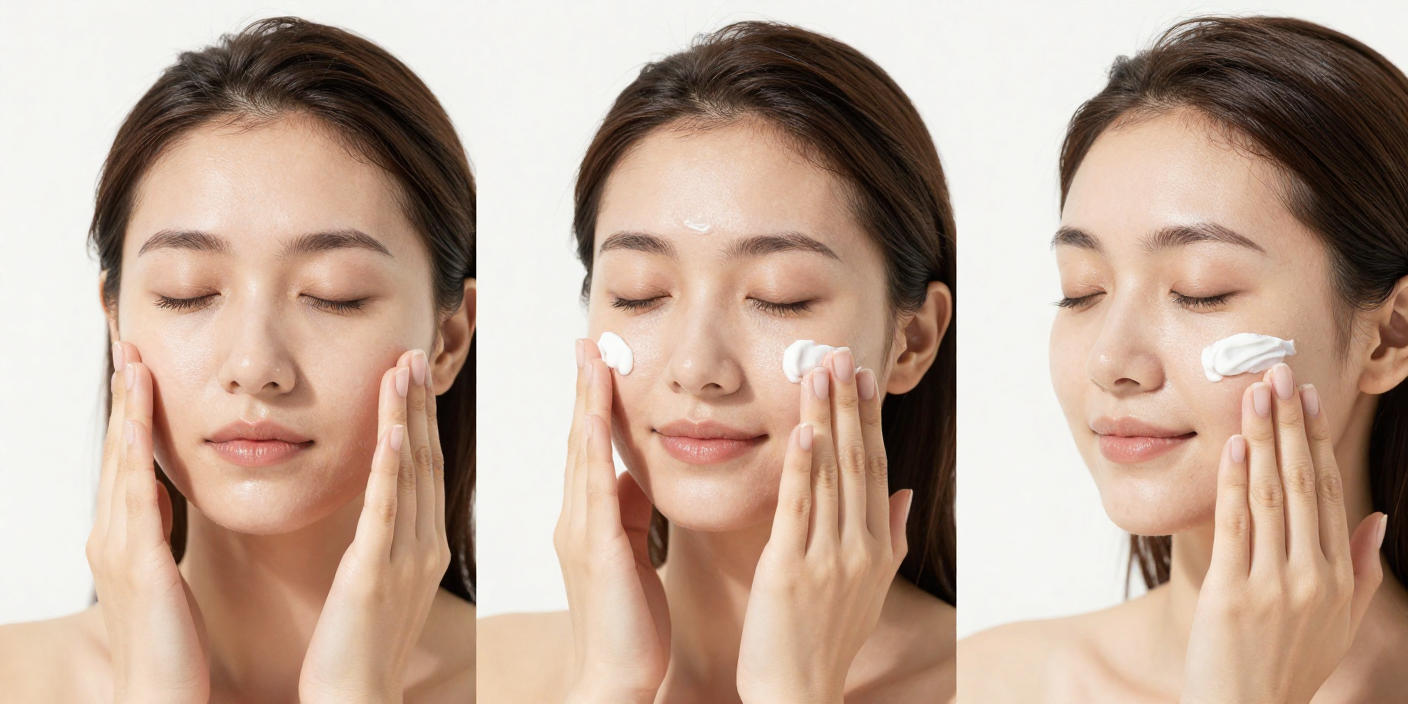
Quick Answer: The correct order in your morning skincare routine is to apply moisturizer first, followed by sunscreen. Moisturizer hydrates and prepares the skin, allowing better absorption of active ingredients, while sunscreen provides a protective barrier against harmful UVA and UVB rays. Applying sunscreen before moisturizer can reduce its effectiveness and leave your skin vulnerable to sun damage.
If you have ever asked yourself what to apply first moisturizer or sunscreen, you are not alone. Many people are unsure whether hydration or sun protection should come first in the morning routine. The answer is simple but important for healthy, radiant skin. Moisturizer should always be applied first, followed by sunscreen as the final step. This ensures your skin stays hydrated while receiving the full benefits of SPF protection. In this article, we will explore the reasons behind this order, provide a step-by-step routine, and give product recommendations for optimal skin health — including a detailed step-by-step sunscreen application guide to ensure nothing is missed.
Why Your Skincare Order Matters
Understanding what to apply first moisturizer or sunscreen is essential for maximizing the effectiveness of your skincare products. The order in which products are applied affects hydration, absorption, and protection from environmental damage.
The general rule is to layer products from lightest to heaviest so that each product can penetrate the skin properly. Moisturizer hydrates the skin and creates a smooth base, while sunscreen needs direct contact with the skin to offer full UV protection.
Moisturizer
- Hydrates and nourishes the skin
- Locks in active ingredients from serums and treatments
- Prepares the skin for sunscreen or makeup application
Sunscreen
- Provides broad-spectrum UVA and UVB protection
- Forms a protective barrier on the skin
- Shields against premature aging, pigmentation, and sunburn
Applying sunscreen before moisturizer can interfere with SPF coverage and reduce the skin’s hydration. Knowing what to apply first moisturizer or sunscreen ensures your skin receives both nourishment and protection every day.
So, What Comes First? The Answer You’re Looking For
The question what to apply first moisturizer or sunscreen has a clear answer. You should always apply moisturizer first, then layer your sunscreen on top. Moisturizer preps the skin, keeping it soft and hydrated, while sunscreen acts as the protective final layer against harmful sun rays.
Why this order matters
- Moisturizer allows the skin to absorb hydration effectively
- Sunscreen requires direct contact with the skin to deliver the full SPF benefit
- Applying sunscreen first can result in uneven protection, pilling, or reduced effectiveness
By following this order, you ensure your skin stays healthy, radiant, and protected from daily sun exposure.
Step-by-Step Morning Skincare Routine
Knowing what to apply first moisturizer or sunscreen is only part of the equation. A full morning routine ensures every product works efficiently.
Cleanse and Tone (Optional)
- Use a gentle cleanser to remove overnight oils, dirt, and impurities
- Apply toner if desired to balance skin pH and prepare the skin for serums
Serums and Active Treatments
- Lightweight serums like Vitamin C, hyaluronic acid, or niacinamide should be applied next
- These products target specific concerns such as hydration, brightening, or anti-aging
- Allow the serum to absorb for 1–2 minutes before moving to moisturizer
Moisturizer Goes On Next
- Hydrates and nourishes the skin
- Locks in the benefits of your serums
- Smoothes the skin surface for sunscreen application
- Choose a moisturizer based on skin type: Gel-based for oily or combination skin - consider a lightweight moisturiser before sunscreen from trusted collections
Then Sunscreen
- Apply broad-spectrum SPF 30 or higher as the final step in your routine
- Wait 1–2 minutes after moisturizer for optimal absorption
- Ensure even coverage on all exposed areas including face, neck, and ears
- Sunscreen acts as the protective shield, preventing sunburn, pigmentation, and premature aging
Following this sequence ensures that hydration is locked in and the skin receives full protection against UV damage.

What Happens If You Switch the Order
If you reverse the order and apply sunscreen before moisturizer, several issues can arise:
- Sunscreen may become diluted by the moisturizer applied on top
- Uneven protection can leave parts of the skin exposed to UV rays
- Heavy moisturizers on top of sunscreen can cause pilling, a greasy texture, or clogged pores
- SPF coverage may be compromised, reducing its effectiveness against harmful UVA and UVB rays
Correct layering by knowing what to apply first moisturizer or sunscreen ensures that your skin stays protected and hydrated, avoiding any negative effects from improper order.
Sunscreen and Makeup
After understanding what to apply first moisturizer or sunscreen, it is important to know how to layer makeup.
- Apply sunscreen first and allow it to set for 1–2 minutes
- Use foundation, BB cream, or powder on top of sunscreen
- Avoid mixing sunscreen directly into makeup as it can reduce SPF effectiveness
- For touch-ups, use SPF-containing powders or sprays without disturbing the initial sunscreen layer
Proper layering ensures your skin receives hydration, protection, and a flawless makeup finish.
Special Scenarios: Moisturizers With SPF
Many moisturizers come with SPF, making them convenient for quick routines. However, knowing what to apply first moisturizer or sunscreen remains important for extended sun exposure.
- SPF moisturizers provide some protection but often do not meet the recommended SPF 30+
- Many also wonder whether you can skip moisturizer with sunscreen — while convenient in a pinch, skipping moisturizer entirely is not ideal for most skin types
- For strong sun exposure, dedicated sunscreen ensures full coverage
- Using an SPF moisturizer may be suitable for indoor activities or short outdoor periods
- Balance hydration and sun protection to ensure your skin is adequately defended against UV rays
Choosing the Right Sunscreen and Moisturizer
Moisturizer Recommendations
- Gel-based for oily or combination skin - consider options from trusted oily skin care products collections
- Cream-based for dry skin - explore nourishing dry skin care products
- Lightweight, non-comedogenic formulas for sensitive skin
Sunscreen Recommendations
- Broad-spectrum UVA and UVB protection
- SPF 30 or higher for daily use, higher for prolonged outdoor exposure
- Water-resistant formulations for sweating or swimming
Layering correctly by understanding what to apply first moisturizer or sunscreen allows both products to function optimally, keeping skin healthy, hydrated, and protected.
Product Recommendation: Daily Protection Made Simple
For an easy and effective morning routine, consider:
Wildflower Naturals Kumkumadi & Donkey Milk SPF 50 Dew Drops Invisible Moisturiser
Benefits
- Combines hydration and broad-spectrum SPF 50 protection
- Enriched with Kumkumadi oil, Donkey Milk, and Hyaluronic Acid
- Lightweight, invisible finish without white cast
- Can be applied after moisturizer as a dedicated sunscreen or used alone for quick, dual-benefit routines
This product is ideal for anyone seeking both hydration and sun protection in a single step, thereby simplifying their morning skincare routine.
Final Thoughts
Knowing what to apply first moisturizer or sunscreen is crucial for healthy, protected skin. Moisturizer locks in hydration, while sunscreen provides the necessary barrier against UV damage. Even if you use SPF-infused moisturizers, dedicated sunscreen is often more protective for daily use. Following this order ensures your skin stays radiant, nourished, and safe from premature aging.
Always apply moisturizer first, then sunscreen, and follow with makeup if desired. Consistent morning routines using this method will help maintain skin health, hydration, and long-term protection from sun damage.
Read Our Latest Blog
Which Sunscreen Is Best For Dry Skin | How To Apply Sunscreen | Which SPF Sunscreen Is Best | Can We Apply Sunscreen At Night | Does Sunscreen Prevent Tanning | Which Sunscreen Is Best For Combination Skin | skin care for oily face | face care routine for oily skin | step by step face care | face care in summer | skin care routine for men | skin care for men | hair care routine for men | best skin care routine for men | lip care for men
Frequently Asked Questions
Q1. Should you ever apply sunscreen before moisturizer?
Ans: No, applying sunscreen first can reduce SPF effectiveness and interfere with hydration. Moisturizer should always go first.
Q2. Can I mix moisturizer and sunscreen in one step?
Ans: Yes, only if your moisturizer contains broad-spectrum SPF 30 or higher. Otherwise, separate sunscreen ensures adequate protection.
Q3. How long before sun exposure should I apply sunscreen?
Ans: Apply sunscreen 15 to 30 minutes before going outside to allow it to fully absorb and form a protective barrier.
Q4. Can I skip moisturizer if using SPF moisturizer?
Ans: If your skin feels hydrated and the SPF is 30 or higher, you can skip an additional moisturizer, but dedicated hydration is better for dry or sensitive skin.
Q5. How much sunscreen should I apply?
Ans: Apply enough to cover the face, neck, and ears generously. For the face alone, a nickel-sized amount is recommended.
Q6. Does layering moisturizer affect sunscreen SPF?
Ans: Light moisturizers usually do not interfere, but thick creams applied on top of sunscreen can reduce SPF effectiveness.
Q7. Can I apply sunscreen over makeup?
Ans: Yes, but it is best to use powder or spray sunscreens to avoid disturbing your makeup. Liquid sunscreen should be applied before makeup.
Q8. How often should I reapply sunscreen?
Ans: Reapply every two hours outdoors or immediately after swimming or sweating, even if you layered moisturizer correctly.



Leave a comment
This site is protected by hCaptcha and the hCaptcha Privacy Policy and Terms of Service apply.